
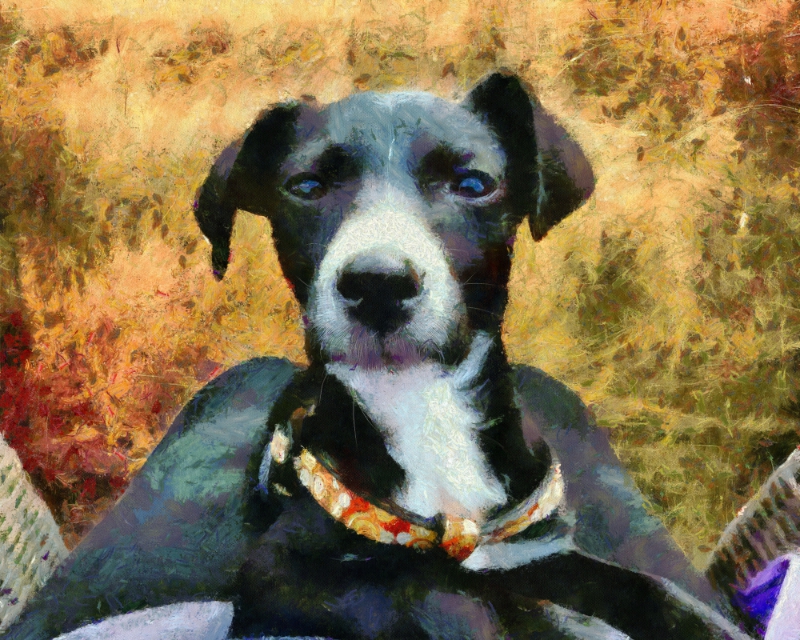
There are few humbling moments in adult life quite like this one: you spend 12 minutes finding your angle, fixing your hair, checking the lighting, deleting 37 photos, and muttering “no, that’s not my face” under your breath. Then your puppy wanders into frame for half a second, tilts their head like a tiny philosopher, and casually produces the best selfie ever captured on your phone.
Rude? Absolutely. Surprising? Not really.
Puppies are basically built for the camera. They have expressive eyes, curious faces, dramatic ears, and the kind of unfiltered confidence influencers dream about. They are not worried about their “good side.” They do not care about under-eye circles. They have never once whispered, “Delete that, I look weird.” They simply exist in the world with glorious sincerity, and that honesty is exactly what makes puppy selfies so irresistible.
But there is more going on here than pure cuteness. Great puppy selfies usually happen when personality, timing, trust, and a little bit of smart photo technique all collide. The best images are not just funny snapshots. They capture curiosity, connection, and those wonderfully chaotic moments that make living with a puppy feel like sharing a home with a furry comedian.
So if your dog keeps stealing the spotlight every time your front camera opens, congratulations. You are not losing a competition. You are living through one of the sweetest realities of pet parenting: puppies are natural scene-stealers, and when you understand why, you can turn every goofy photo attempt into a better memory.
Why Puppies Win the Selfie War Every Time
They have zero camera shame
Humans tend to bring emotional baggage to photos. We overthink our smile, posture, skin, jawline, and whether our face suddenly forgot how faces work. Puppies, by contrast, bring only chaos, curiosity, and the faint hope that a treat may be involved. That makes them photogenic in a way that feels effortless.
What reads as “a better selfie” is often just authenticity. A puppy looks directly at you because they are interested. They lean in because your phone is suspicious and exciting. They lift an eyebrow because your voice just went up three octaves. In photos, that translates into energy and expression. Meanwhile, the human next to them is trying to look casual while internally performing algebra.
Their features are made for close-up shots
Puppies also happen to be perfect subjects for the way phone cameras see the world. Close-range selfies exaggerate noses, eyes, and facial expressions. On a tired human, that can be… educational. On a puppy, it is adorable. A slightly oversized nose becomes comic gold. Wide eyes become instant heart-melters. Floppy ears turn into visual punchlines.
This is one reason dog selfies feel so charming online. The very lens distortion that makes people say, “Why do I look like that?” makes puppies look even more animated and lovable. Your puppy is not trying harder than you. Your puppy just benefits from the visual physics of being tiny, expressive, and unfairly cute.
They live in the moment
Most standout puppy selfies are not really about posing. They are about timing. Puppies are endlessly busy reacting to the world. They notice the squeak in your voice, the movement of your thumb, the reflection in the screen, the bird outside the window, and the suspicious crinkle of the treat bag you thought you hid. That creates candid facial expressions humans usually cannot fake.
In other words, your puppy is not “better at selfies.” Your puppy is just better at being fully present. And presence photographs beautifully.
The Secret Ingredient Behind Every Great Puppy Photo
The photos people save forever are rarely the most polished ones. They are the ones that feel alive. A tilted head. A tongue-out grin. A blink-and-you-miss-it look of mischief. A soft, sleepy face after a walk. A ridiculously serious expression from an animal who just tried to eat a sock ten minutes earlier.
That is where puppy selfies become more than internet fluff. They capture personality. And personality is what transforms a simple pet photo into something people text to friends, turn into wallpapers, or revisit on hard days.
A great puppy selfie says something without words. It says, “This little creature runs my household now.” It says, “I have not had a peaceful cup of coffee in months, but I would die for this dog.” It says, “Yes, I bought them a seasonal bandana, and no, I do not need to discuss my spending habits.”
That emotional pull matters, especially in a digital world full of generic content. The best puppy selfies feel personal because they are personal. They are tiny visual records of trust, routine, and companionship. Your puppy is not just cute in the photo. Your puppy looks like your puppy, with all the weirdness, energy, and sweetness that makes them yours.
How to Take a Better Puppy Selfie Without Turning It Into a Production
Use light that flatters everyone, including the furry celebrity
If you want a better puppy selfie, start with lighting. Soft natural light is your best friend. Near a window, on a covered porch, or outside in open shade usually works beautifully. Good light helps your puppy’s eyes look clear, keeps fur details sharp, and saves you from grainy, blurry images that look like they were taken during a minor earthquake.
Try not to make the phone flash do all the heavy lifting. Many pets find bright flashes distracting, and even when they do not mind them, the result can feel harsh. Gentle, even light usually gives you a warmer, more flattering shot for both species involved.
Get on your puppy’s level
One of the easiest ways to improve a puppy selfie is to stop towering over your dog like a confused skyscraper. Get lower. Shoot from eye level or just slightly above. That perspective creates intimacy and lets your puppy’s expression do the work.
Eye-level photos feel more connected because they show the world the way your puppy is experiencing it. They also make the image feel less like “I happened to point my phone downward” and more like “we are in this ridiculous little moment together.”
Teach a simple “look” cue
If your puppy treats the camera like an optional suggestion and keeps staring at the floor, the ceiling, or another dimension entirely, a simple focus cue can help. Many dogs respond well to a short cue like “look,” “watch me,” or their name followed by a reward. The goal is not to turn your dog into a tiny model with union representation. The goal is just to help them connect your face and voice with the idea of paying attention for one or two seconds.
That is plenty of time for a great shot.
Keep it simple, keep it upbeat, and keep rewards nearby. Puppies learn best when sessions are short, clear, and positive. Five minutes can be more productive than twenty. In fact, most puppies would strongly prefer the shorter contract.
Let curiosity work for you
Some of the best puppy selfies happen when you stop forcing the moment. Hold the phone still. Make a soft sound. Let your puppy investigate. Use a toy squeak sparingly. Try a funny noise. Wave a hand behind the phone. These tiny attention-getters often produce the classic head tilt or bright-eyed stare that makes a photo instantly memorable.
Curiosity looks natural because it is natural. When your puppy is genuinely engaged, the photo feels alive instead of staged.
How to Avoid Stressing Your Puppy for the Sake of a Cute Picture
This is the part people sometimes skip, and it matters. A puppy selfie should be fun, fast, and low-pressure. If your dog is uncomfortable, the session is no longer cute. It is just a human being weirdly committed to content.
Watch your puppy’s body language. If they keep turning away, licking their lips, yawning when they are not tired, ducking back from the camera, stiffening up, or trying to leave, that is useful information. Your puppy is telling you the session is no longer enjoyable. Listen the first time.
Some puppies also dislike direct face-to-face pressure, being held too tightly, or having props placed on them before they are ready. A hat may look hilarious to you, but if your dog freezes like a tiny Victorian child posing for an oil painting, that is not a good sign. Cute should never come at the expense of comfort.
The easiest rule is this: if your puppy moves away, let them. If they return, great. If not, try again later. Trust builds better photos than force ever will.
The Biggest Puppy Selfie Mistakes Humans Make
Trying too hard
Ironically, the harder people chase the “perfect” puppy selfie, the worse the pictures often get. The best shots usually happen in between the attempts: after a walk, during a cuddle, in the car before the engine starts, while your puppy is sleepy on the couch, or when they suddenly decide your phone is the most fascinating object on earth.
When you over-direct, you can lose the spontaneity that makes pet photos charming in the first place.
Using too many props
A bandana? Maybe. A birthday hat? Sometimes. A full themed setup with glasses, a bow tie, fairy lights, and your dog positioned next to a chalkboard sign? That depends entirely on your puppy’s patience level and your personal willingness to negotiate with a creature who still believes mulch is food.
Props should add personality, not create stress. If your puppy is comfortable, wonderful. If they are pawing at the outfit like they are trying to file a formal complaint, scale it back.
Expecting a puppy to hold a pose
Puppies are young, distractible, and gloriously impulsive. Asking them to sit still for a long selfie session is like asking a toddler to calmly review tax paperwork. The better strategy is to capture short bursts of expression and movement. Take several photos quickly, then sort through them later. That one unexpectedly perfect frame is often hiding between the blurry ones.
Why Puppy Selfies Matter More Than People Admit
Sure, they are funny. Sure, they are social-media gold. But puppy selfies also do something quietly meaningful: they document a brief stage of life that disappears fast.
Puppies change almost overnight. The oversized paws start making sense. The sleepy baby face sharpens. The clumsy bounce turns into a confident stride. The toy they used to drag across the room suddenly looks tiny. Photos freeze the in-between period when everything is still new, when your dog is learning your routines and you are learning theirs.
Those goofy selfies become proof of early bonding. They show the beginning of trust. They capture little rituals that may feel ordinary now but become precious later: morning couch snuggles, post-walk grins, crooked ears, milk-teeth smiles, and that look your puppy gives you when they know you are completely wrapped around their paw.
So yes, your puppy may be photogenic. But what makes the image powerful is not just beauty. It is relationship.
What It Actually Feels Like When Your Puppy Outshines You on Camera
At first, it is funny. You open the front camera, pull your puppy close, and imagine a sweet little dual portrait. Instead, you get a masterpiece featuring your dog looking like a Disney protagonist while you appear to be a sleep-deprived extra from a low-budget disaster film. You laugh, try again, and somehow make it worse. The puppy, meanwhile, keeps serving perfect expression after perfect expression like they attended a secret masterclass in personal branding.
Then the experience becomes weirdly emotional.
You start noticing that the best puppy selfies are rarely taken when you are trying to make something “content-worthy.” They happen when life is still messy and real. After your puppy has sprinted around the living room with one sock in their mouth. After a bath they did not appreciate but somehow emerged from looking like a shampoo commercial. After a walk when their ears are flipped backward and their face says, “That was the greatest event in recorded history.”
Maybe there is the classic rainy-day selfie, where your puppy is damp, dramatic, and deeply offended by weather. Or the sleepy Sunday one, where they wedge themselves into your arm and stare into the phone with the softest expression imaginable, as if they have just forgiven you for every trip to the vet. Or the chaotic holiday photo where you tried to create a festive memory and instead captured your dog licking wrapping paper while looking astonishingly photogenic.
These moments stick because they are not polished. They are specific. They belong to your household and your routine. The photo may be funny because your puppy looks better than you, but it is memorable because it reveals the relationship. The way they trust your lap. The way they lean into your shoulder. The way they look at you when you make the silly voice reserved only for them.
Over time, the joke changes. At first, you say, “My puppy takes better selfies than I do.” Later, what you really mean is, “My puppy makes ordinary days feel worth saving.” That selfie from a random Tuesday becomes a favorite because it captures the era when they still had giant baby paws. The blurry one from the back seat becomes precious because it reminds you of their first road trip. The crooked couch selfie becomes the one you can never delete because it shows exactly how they used to curl into your side when they were small.
That is why people keep taking puppy selfies even after the novelty should have worn off. They are not just trying to prove their dog is cute. That part is already obvious. They are trying to hold onto the fleeting, hilarious, tender feeling of sharing life with a creature who is growing up in real time.
And yes, every once in a while, your puppy will absolutely outshine you in a photo. Let them. Frankly, they have earned it. They bring the face, the attitude, the comic timing, and the emotional range. You bring the opposable thumbs and the phone plan. It is a fair division of labor.
Conclusion
When your puppy takes a better selfie than you do, the correct response is not jealousy. It is acceptance. Noble, peaceful, slightly wounded acceptance.
The truth is, puppies are naturally magnetic on camera because they are expressive, curious, and gloriously unselfconscious. Add soft light, a relaxed setting, a simple attention cue, and a little patience, and you have the ingredients for photos that feel joyful instead of forced. Better still, you create moments that strengthen trust rather than interrupt it.
So go ahead and hand the spotlight to your furry co-star. Take the goofy pictures. Save the blurry ones too. Years from now, you will not care whether your hair looked perfect. You will care that your puppy looked exactly like themselves in that season of life: silly, sweet, unpredictable, and completely unforgettable.










