
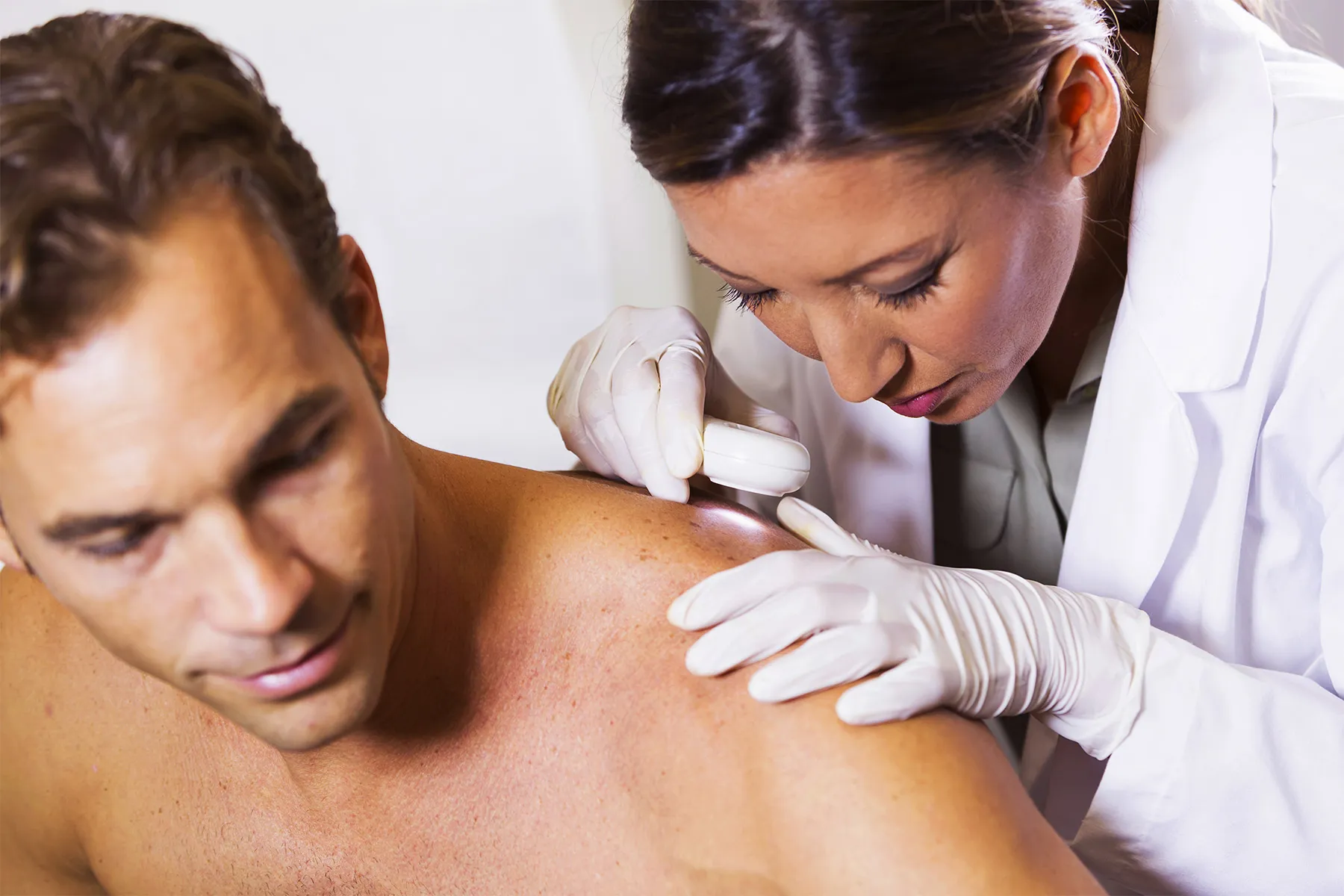
Note: This article is for educational web content only and should not replace medical advice from a licensed healthcare professional. Anyone with recurring painful bumps, draining sores, scarring, fever, spreading redness, or rapidly worsening symptoms should contact a dermatologist or healthcare provider.
You find a painful bump under your arm. Then another one appears near your groin. It feels deep, angry, and unfairly dramaticlike your skin has decided to start a tiny rebellion. You wonder: is it acne, an ingrown hair, a boil, or something called hidradenitis suppurativa?
Hidradenitis suppurativa, often shortened to HS, is a chronic inflammatory skin condition that causes recurring painful lumps, nodules, abscess-like bumps, tunnels under the skin, and scarring. It most often appears in areas where skin rubs together, such as the armpits, groin, inner thighs, buttocks, under the breasts, and around the waistline. HS is not contagious, not caused by poor hygiene, and not a sexually transmitted infection. That last part matters, because many people feel embarrassed by where HS shows upbut HS is a medical condition, not a character flaw.
The tricky part is that HS can look like several common skin problems, especially in the beginning. A single bump may seem like a pimple. A sore near a hair follicle may look like an ingrown hair. A swollen lump may be called a boil. But when these bumps keep returning in the same friction-prone areas, heal slowly, leave marks, or form painful tracks beneath the skin, it is time to ask a better question: could this be hidradenitis suppurativa?
What Is Hidradenitis Suppurativa?
Hidradenitis suppurativa is a long-term inflammatory condition involving the hair follicles and immune system. Although older descriptions linked HS mainly to sweat glands, current understanding points strongly toward blocked and inflamed hair follicles. When inflammation builds beneath the skin, painful nodules can form. These may stay under the surface, open and drain, heal, and then return latersometimes in the same spot, sometimes in a nearby area.
HS can be mild, moderate, or severe. Some people experience occasional bumps that look like stubborn pimples. Others develop repeated flares, scarring, and tunnel-like pathways under the skin. The disease often begins after puberty and may persist for years, with flare-ups that come and go. Because HS is frequently mistaken for acne, boils, or folliculitis, many people wait a long time before receiving the right diagnosis.
Here is the key idea: HS is not simply “bad acne.” It is not something you caused by missing one shower or wearing the wrong deodorant. Skin care choices can affect irritation, but HS is driven by inflammation. That means the best approach is usually a combination of medical care, friction reduction, gentle skin habits, and flare tracking.
Common Signs: When a Bump Might Be HS
Not every painful bump is hidradenitis suppurativa. Skin gets annoyed for many reasons. However, HS has several patterns that make it stand out.
1. Painful, Deep Bumps That Keep Coming Back
HS bumps often feel deeper than ordinary pimples. They may be tender, swollen, warm, or pressure-like under the skin. A regular pimple usually forms closer to the surface and clears within days. HS lesions may last longer, return repeatedly, or appear in clusters. If the same area keeps causing trouble, your skin may be waving a little red flagpossibly with jazz hands.
2. Bumps in Skin-Fold or Friction Areas
Location is one of the biggest clues. HS commonly appears in the armpits, groin, inner thighs, buttocks, under the breasts, around the waistband, and sometimes near the back of the neck. These are areas where skin meets skin, clothing rubs, sweat gathers, or hair follicles are easily irritated.
3. Slow Healing, Drainage, or Repeated Flares
Some HS bumps may open and drain fluid. Others may shrink without opening, only to return later. Over time, repeated inflammation can leave dark marks, thickened scars, or rope-like bands beneath the skin. The cycle of “it almost healed, then came back again” is one reason HS can be so frustrating.
4. Tunnels Under the Skin
Moderate to severe HS can create sinus tracts, also called tunnels. These are pathways beneath the skin that connect inflamed areas. Tunnels can make HS harder to treat and may increase drainage or scarring. This is one reason early recognition matters. The sooner HS is identified, the more likely a dermatologist can help reduce future damage.
5. Scarring or Dark Marks After Healing
HS lesions often leave evidence behind. After a flare calms down, the area may have discoloration, thickened skin, indentation, or raised scars. These changes can be physically uncomfortable and emotionally draining, especially when they affect sensitive areas or movement.
HS vs. Acne, Boils, Ingrown Hairs, and Folliculitis
One of the most common reasons people ask “Is it hidradenitis suppurativa?” is because HS likes to wear disguises. It can look like several other skin conditions.
HS vs. Acne
Acne usually appears on the face, chest, shoulders, and back. HS more often appears in skin folds and friction zones. Acne pimples are usually closer to the surface, while HS bumps may feel deep, painful, and swollen. Acne may leave marks, but HS is more likely to cause repeated painful lesions in the same body areas with scarring or tunnels.
HS vs. Boils
A boil is often related to infection around a hair follicle. A boil may happen once and disappear after proper care. HS may resemble recurring boils, but it is a chronic inflammatory disease. If “boils” keep appearing in the armpits, groin, under the breasts, or inner thighs, especially over months or years, HS should be considered.
HS vs. Ingrown Hairs
Ingrown hairs often happen after shaving, waxing, or friction. They may look like small red bumps and may have a visible trapped hair. HS can also flare in hair-bearing areas, which makes confusion easy. The difference is recurrence, depth, pain, scarring, and location pattern. If the “ingrown hairs” keep returning even when you stop shaving or switch hair removal methods, it may be worth asking a dermatologist about HS.
HS vs. Folliculitis
Folliculitis is inflammation of hair follicles, often appearing as small bumps around hairs. It may be itchy or mildly sore. HS tends to be deeper, more painful, and more likely to recur in specific areas. Folliculitis may respond quickly to basic treatment, while HS often needs a longer-term management plan.
Who Gets Hidradenitis Suppurativa?
HS can affect people of many ages and backgrounds, but it often begins after puberty and is more common in women than men. Family history may play a role, meaning HS can sometimes run in families. Smoking and higher body weight are linked with more frequent or severe symptoms, although people who do not smoke and people of any body size can still develop HS.
Hormones may also influence flares. Some people notice symptoms worsen before menstrual periods. Stress, heat, sweat, tight clothing, shaving irritation, and friction may also trigger or aggravate flares. These triggers do not mean HS is your fault. They simply give clues about how to reduce irritation and plan better daily care.
How Doctors Diagnose HS
There is no single blood test that says, “Congratulations, it’s HS,” which is both inconvenient and very on-brand for complicated skin conditions. Diagnosis is usually clinical, meaning a healthcare provider looks at your symptoms, location of lesions, history of recurrence, and skin changes.
A dermatologist may ask questions such as:
- Where do the bumps appear?
- How often do they return?
- Do they heal with scars or dark marks?
- Do you have drainage, pain, itching, or swelling?
- Does anyone in your family have similar symptoms?
- Do flares happen around periods, stress, sweating, shaving, or tight clothing?
Sometimes a provider may test drainage to rule out infection, but HS itself is not simply an infection. That distinction is important because repeated short courses of antibiotics without a full HS plan may not control the condition long-term.
Stages of Hidradenitis Suppurativa
Doctors often describe HS severity using the Hurley staging system. This helps guide treatment and gives patients a clearer picture of what is happening.
Hurley Stage I: Mild HS
Stage I involves isolated bumps or abscess-like lesions without tunnels or extensive scarring. This stage is often mistaken for acne, ingrown hairs, or boils. Early treatment at this point may help reduce future flares and scarring.
Hurley Stage II: Moderate HS
Stage II includes recurring lesions, some scarring, and possible tunnel formation, often in more than one area. Flares may become more disruptive and require a more structured medical plan.
Hurley Stage III: Severe HS
Stage III involves widespread, repeated inflammation with interconnected tunnels and significant scarring. This stage can affect mobility, comfort, sleep, clothing choices, and mental health. Treatment may involve advanced medications, procedures, or surgery.
When to See a Dermatologist
You should consider seeing a dermatologist if you have painful lumps that keep returning, bumps in the armpits or groin that do not behave like normal acne, sores that heal with scarring, or lesions that drain and come back. It is also wise to seek care if symptoms interfere with walking, sitting, exercising, sleeping, wearing clothes, or feeling comfortable in your own body.
Seek urgent medical care if you have fever, rapidly spreading redness, severe swelling, red streaks, intense worsening pain, or signs that an infection may be spreading. HS can be chronic, but sudden severe symptoms deserve prompt attention.
What Treatment May Look Like
HS treatment depends on severity, location, frequency of flares, and how much the condition affects daily life. Treatment is not one-size-fits-all. A plan that works beautifully for one person may be as useful for another person as a chocolate teapot.
Topical Treatments
For mild HS, dermatologists may recommend topical antibiotics such as clindamycin, antiseptic washes, or other prescription skin treatments. These may help reduce inflammation and bacterial overgrowth on the skin surface, though they do not “cure” HS.
Oral Medications
For more frequent or widespread symptoms, oral antibiotics with anti-inflammatory effects may be used. Hormonal therapies may help some patients, especially when flares are linked to menstrual cycles. Other anti-inflammatory medicines may be considered depending on the person’s health history.
Biologic Medications
For moderate to severe HS, biologic medications may be used to target specific immune pathways involved in inflammation. These treatments are prescribed and monitored by healthcare professionals and may be helpful when HS is more persistent or widespread.
Procedures and Surgery
Some HS lesions may need procedures such as steroid injections, laser treatment, deroofing, or surgical removal of damaged tissue. Simple draining may bring short-term relief in certain cases, but it does not always prevent recurrence. A dermatologist can explain which option fits the type and stage of HS.
At-Home Habits That May Help
Home care cannot replace medical treatment, but it can reduce irritation and make flares easier to manage.
Choose Loose, Breathable Clothing
Tight waistbands, scratchy seams, and clingy fabrics can aggravate friction. Soft, breathable clothing may help reduce rubbing in HS-prone areas. Think gentle, not glamorous medieval armor.
Use Gentle Skin Care
Avoid harsh scrubbing. HS is not dirt, and attacking your skin with a rough washcloth will not negotiate peace. Use gentle cleansing, pat dry, and choose fragrance-free products if your skin reacts easily.
Do Not Pop or Squeeze Lesions
Squeezing HS bumps can worsen inflammation, increase pain, and raise the risk of scarring or infection. Warm compresses may help discomfort, but persistent or severe lesions should be handled by a healthcare provider.
Track Your Triggers
Consider tracking flares in a simple note app. Record location, timing, stress, sweating, clothing, shaving, menstrual cycle, foods, sleep, and pain level. Patterns can help you and your dermatologist make smarter decisions.
Support Overall Health
For some people, smoking cessation and weight management may reduce HS severity. This does not mean HS is caused by weight or smoking alone. It means these factors may influence inflammation and friction. A supportive, shame-free approach is far more useful than guilt, which has never healed a skin lesion in the history of skin.
The Emotional Side of HS
HS can affect confidence, relationships, exercise, clothing choices, and mood. Because lesions may occur in private areas, many people delay seeking care out of embarrassment. But dermatologists see skin conditions every day. To them, HS is not “gross.” It is a diagnosable, treatable medical condition.
If HS makes you feel anxious, isolated, or discouraged, that is not overreacting. Chronic pain and visible or hidden skin symptoms can be emotionally exhausting. Support groups, counseling, patient education communities, and honest conversations with trusted healthcare providers can make a real difference.
Questions to Ask Yourself Before Your Appointment
If you suspect HS, prepare before seeing a provider. A short symptom history can help your appointment go better.
- When did the bumps first start?
- How many times have they returned in the past six months?
- Where do they appear most often?
- Do they drain, scar, itch, burn, or hurt?
- What seems to trigger them?
- What treatments have you already tried?
- Does anyone in your family have similar symptoms?
Taking photos of flares can also help, especially if the bumps calm down before your appointment. You do not need to create a dramatic documentary titled “My Armpit: A Limited Series,” but a few clear, private photos can be useful for medical discussion.
Experience-Based Insights: What People Often Notice Before Realizing It Might Be HS
Many people who later learn they have hidradenitis suppurativa describe a familiar early pattern: they first assume each bump is random. One month it is “probably an ingrown hair.” The next month it is “maybe a boil.” Then it happens again in the same general area, and the skin does not seem to fully reset. That repeating pattern is often the moment when people begin searching for answers.
One common experience is the “wardrobe detective” phase. A person may notice that certain jeans, tight leggings, rough bra bands, or synthetic underwear seem to make symptoms worse. They may start choosing softer fabrics, looser waistbands, seamless underwear, or breathable workout clothes. This does not diagnose HS, but it shows how friction and heat can become part of the flare story. For someone with HS-prone skin, a tight seam can feel less like fashion and more like a tiny villain with excellent aim.
Another experience is the “shaving mystery.” Some people think every bump is caused by shaving, so they switch razors, shaving creams, waxes, trimmers, or hair removal routines. Sometimes irritation improves, but the deeper painful bumps still return. That is a clue worth discussing with a dermatologist. HS can flare in hair-bearing areas, but it is not simply a shaving mistake. If bumps continue even after changing hair removal habits, the issue may be more inflammatory than mechanical.
People also describe the awkward timing of flares. A bump may appear before a trip, a gym session, a date, a long workday, or a beach dayas if HS checked the calendar and chose chaos. This unpredictability can lead to planning around skin pain: packing gauze, wearing darker clothes, avoiding certain movements, or choosing seats carefully. These practical adjustments are common, but they should not be the only strategy. Medical treatment can often reduce flare frequency and severity.
Another real-life pattern is emotional minimization. People tell themselves, “It is not bad enough to see a doctor,” or “It is in an embarrassing place,” or “Maybe everyone gets this.” Meanwhile, the condition keeps interrupting life. If painful bumps recur, scar, drain, or affect daily comfort, that is enough reason to ask for help. You do not need to wait until HS becomes severe to deserve care.
Many people feel relief after learning HS is not contagious and not caused by poor hygiene. That knowledge can lift a heavy emotional burden. HS can still be frustrating, but understanding the condition changes the story from “What am I doing wrong?” to “What support and treatment do I need?” That shift matters. Shame keeps people silent; information helps them move forward.
A helpful experience-based habit is building a flare kit. This might include gentle cleanser, soft dressings, fragrance-free moisturizer, loose clothing, pain-relief options approved by a healthcare provider, and a symptom log. The goal is not to obsess over HS but to reduce panic when a flare starts. Having supplies ready can make the situation feel more manageable.
Finally, people often learn that HS care works best as a long game. One product rarely fixes everything. Instead, progress may come from combining medical treatment, friction reduction, trigger awareness, stress management, and regular follow-up. Some weeks may still be annoying. Some flares may still happen. But with the right diagnosis and a plan, HS becomes less mysteriousand less powerful.
Conclusion: So, Is It Hidradenitis Suppurativa?
It might be hidradenitis suppurativa if you have recurring painful lumps in skin-fold areas, especially the armpits, groin, inner thighs, buttocks, under the breasts, or around the waistband. HS is more likely when bumps return in the same areas, heal slowly, drain, leave scars, or form tunnels under the skin. It is less likely to be ordinary acne if the bumps are deep, repeatedly painful, and located where skin rubs together.
The most important step is not self-diagnosing perfectly. The most important step is recognizing the pattern early enough to get help. HS is a real medical condition, and treatment can reduce symptoms, limit scarring, and improve quality of life. If your skin keeps sending the same painful message, do not ignore it. A dermatologist can help translate.














