
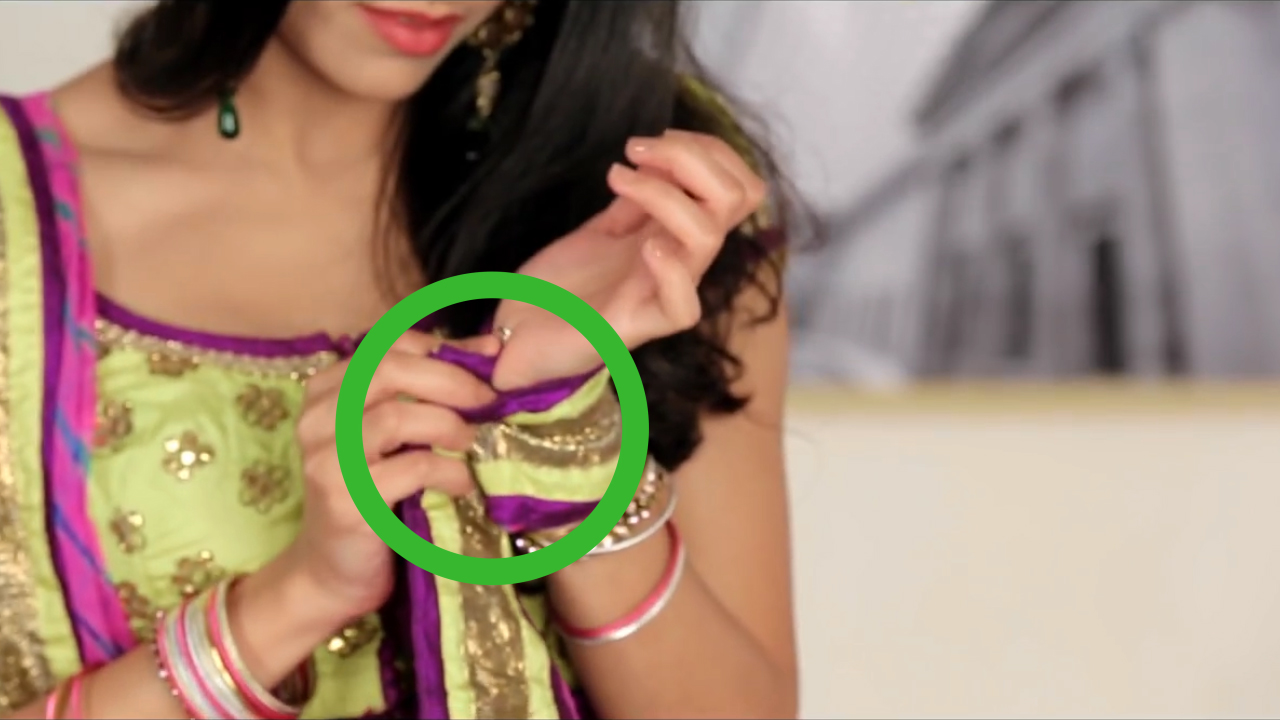
A lehenga without a dupatta is like a cupcake without frosting: still lovely, but missing the flourish that makes everyone look twice. The dupatta is not just “extra fabric.” It frames the face, balances the blouse and skirt, adds movement, creates modest coverage when needed, and can turn the same lehenga into six completely different outfits. That is excellent news for anyone who has ever stared at a mirror ten minutes before a wedding event wondering why the dupatta is behaving like a dramatic house cat.
Whether you are dressing for a wedding, sangeet, mehendi, reception, Diwali party, Eid celebration, engagement ceremony, or formal family gathering, learning how to drape your lehenga dupatta gives you more control over your look. A soft chiffon dupatta can feel romantic and airy, a net dupatta can look bridal and polished, a silk dupatta adds royal structure, and an embroidered dupatta can become the star of the entire outfit. The trick is choosing a drape that suits the occasion, fabric, blouse design, jewelry, and how much dancing you plan to do.
Below are six beautiful, practical, and web-publishing-worthy ways to drape your lehenga dupatta, plus styling notes, comfort tips, and real-life experience advice so your outfit looks elegant from the first photo to the final dessert table visit.
Why the Lehenga Dupatta Drape Matters
The lehenga dupatta is one of the most versatile pieces in South Asian fashion. A lehenga usually includes three main parts: the skirt, the choli or blouse, and the dupatta. The skirt brings volume, the blouse defines the upper silhouette, and the dupatta ties everything together. Change the dupatta drape, and suddenly the outfit shifts from traditional to modern, from understated to dramatic, from easygoing to camera-ready.
A good dupatta drape should do three things. First, it should flatter your outfit instead of hiding its best details. Second, it should stay secure enough that you are not secretly wrestling with it all evening. Third, it should match the mood of the event. A heavily pinned bridal drape may be perfect for a ceremony, while a loose one-shoulder drape may work better for a cocktail night or dance-heavy sangeet.
Before picking a style, check your dupatta’s fabric and weight. Chiffon, georgette, and organza usually create soft, flowing lines. Net and tulle are great for bridal veils and structured looks. Silk, brocade, velvet, and heavily embroidered dupattas need more thoughtful pinning because they carry weight and can pull on the blouse if secured carelessly. Think of the dupatta as your outfit’s mood ring: it tells everyone whether you are going for queen, minimalist, fashion editor, or “I came to dance and I brought backup safety pins.”
1. The Classic One-Shoulder Drape
The classic one-shoulder dupatta drape is timeless for a reason. It is elegant, simple, and almost impossible to overdo. This style works beautifully for lehengas with detailed blouses, statement necklaces, embroidered skirts, or bold color combinations. It lets the dupatta fall naturally from one shoulder, creating length and softness without covering too much of the outfit.
How to Drape It
Start by pleating one end of the dupatta neatly. Place the pleated section over one shoulder, usually the left shoulder, and pin it securely to the blouse. Let the rest of the dupatta fall behind you or sweep across the arm. You can keep the pleats narrow for a polished look or slightly wider for a relaxed, romantic finish.
Best For
This drape is ideal for wedding guests, bridesmaids, engagement parties, festive dinners, and anyone who wants an easy but graceful style. It also works well when your blouse has heavy embroidery, mirror work, a dramatic neckline, or statement sleeves that deserve attention.
Styling Tip
Use a slim decorative pin or a hidden safety pin that matches the fabric color. If the dupatta is very light, one pin may be enough. If it is heavy, add a second discreet pin near the shoulder seam. Avoid pulling the dupatta too tightly across the chest; it should fall, not cling. The goal is effortless elegance, not “my shoulder is carrying the emotional burden of the whole wedding.”
2. The Saree-Style Dupatta Drape
The saree-style dupatta drape is one of the most flattering ways to wear a lehenga dupatta. Inspired by the pallu of a saree, this style wraps the dupatta around the waist and brings it across the front before placing it over the shoulder. It creates shape, defines the waist, and adds a graceful diagonal line across the body.
How to Drape It
Tuck one corner of the dupatta into the waistband at one side of the lehenga. Bring the fabric across the front of the body, wrap it around the waist, and take the remaining length over the opposite shoulder. Pleat the shoulder section if you want a neat formal look, or let it fall open for a softer finish. Pin the shoulder area securely and, if needed, add a hidden pin near the waist tuck.
Best For
This style is excellent for receptions, formal weddings, engagement ceremonies, and festive occasions where you want a graceful but shaped silhouette. It is especially flattering with A-line lehengas, mermaid lehengas, and skirts that have a defined waistband.
Styling Tip
The saree-style drape works best when the dupatta is long enough to wrap comfortably without tugging. Georgette, chiffon, silk blends, and soft net fabrics are great choices. If your dupatta has a heavy border, let the border show along the diagonal front line. That small detail can make the entire outfit look more expensive, even if your secret weapon was clever draping and a very patient cousin holding pins.
3. The Front Pleated Dupatta Drape
The front pleated drape is regal, polished, and perfect when the dupatta itself deserves attention. If your dupatta has intricate embroidery, gota patti, zari work, sequins, mirror embellishment, or a richly designed border, this style places the fabric front and center. It is a favorite for brides, sisters of the bride or groom, and anyone who wants a formal look with structure.
How to Drape It
Create clean pleats along the width of the dupatta. Place the pleated section across the front of the torso and secure it at one shoulder. The other end can be tucked at the waist or allowed to fall along the side. Make sure the pleats sit flat and do not bunch around the neckline or bust. A few minutes of careful pleating can save you from looking like you lost a fight with a beautiful curtain.
Best For
This drape is best for bridal events, formal family portraits, temple ceremonies, traditional functions, and occasions where you want coverage without losing elegance. It is also practical for heavily embroidered dupattas because pleating controls the volume.
Styling Tip
Pair this drape with statement earrings or a choker rather than a very long necklace, especially if the dupatta covers much of the front. Keep the pleats even, and use small pins inside the blouse shoulder seam for a clean finish. For extra hold, lightly steam the dupatta before draping so the fabric behaves better.
4. The Over-the-Head Bridal Drape
The over-the-head dupatta drape is classic, ceremonial, and deeply associated with bridal styling. It frames the face, adds softness to photographs, and creates a traditional look that feels meaningful for weddings, religious ceremonies, and formal rituals. It can be worn alone or combined with a second dupatta for a more dramatic bridal outfit.
How to Drape It
Place the center or one-third section of the dupatta gently over the head, allowing the border to frame the forehead or crown area. Pin it discreetly into the hair, usually near the crown or bun, so it stays in place. Let the remaining fabric fall over the shoulders or down the back. If you want front coverage, bring one side across the chest and secure it at the opposite shoulder or waist.
Best For
This drape is best for brides, engagement ceremonies, religious events, family rituals, and traditional wedding portraits. It works beautifully with net, tulle, organza, silk, and embroidered dupattas. A sheer dupatta creates a soft veil effect, while a heavily bordered dupatta gives a more royal appearance.
Styling Tip
Coordinate this drape with your hairstyle before the event. A low bun, braid, or structured updo can help anchor the fabric. Avoid placing too much weight at the front of the head because it can pull backward and become uncomfortable. Also, test the drape while walking, sitting, and turning. A bridal dupatta should look heavenly, but it should not require the neck strength of an Olympic gymnast.
5. The Belted Lehenga Dupatta Drape
The belted dupatta drape is modern, stylish, and wonderfully practical. A waist belt, also called a kamarbandh in traditional styling, keeps the dupatta secure while defining the waist. This look blends classic ethnic wear with a contemporary fashion edge, making it popular for sangeet nights, receptions, cocktail events, and fashion-forward wedding guest outfits.
How to Drape It
Drape the dupatta over one shoulder, across the front, or around both shoulders depending on the coverage you want. Then place a belt around the waist to hold the fabric in position. You can use a metallic belt, embroidered belt, fabric belt, jeweled kamarbandh, or a matching belt made from the lehenga fabric.
Best For
This style is perfect for dancing, greeting guests, moving around at long events, and keeping your hands free. It is also a smart choice for anyone who loves a neat waistline or wants the skirt’s flare to remain visible.
Styling Tip
Keep proportion in mind. A wide belt works well with simple dupattas and structured lehengas, while a slim belt is better for heavily embroidered outfits. If your blouse is already highly embellished, choose a subtle belt so the look does not become too busy. The belted drape says, “Yes, I am traditional, but I also know where my phone is and I intend to dance without fabric emergencies.”
6. The Cape-Style or Shoulder-Wrap Dupatta Drape
The cape-style dupatta drape is dramatic, modern, and surprisingly easy to wear. Instead of letting the dupatta hang from one side, this style spreads it across both shoulders or around the arms like a soft cape. It adds volume and movement while giving the outfit a fashionable, almost red-carpet feel.
How to Drape It
Place the dupatta evenly across both shoulders, allowing both ends to fall at the front or back. You can pin it near the shoulders for security or let it rest naturally if the fabric has enough grip. Another option is to bring the dupatta behind the shoulders and let it fall over the arms like a shawl. For a cleaner look, pin the fabric behind the blouse so the front neckline remains open.
Best For
This drape is great for receptions, engagement parties, modern bridal looks, cocktail events, and photo shoots. It works especially well with sheer dupattas, organza, net, tulle, and lightweight embroidered fabrics.
Styling Tip
The cape-style drape pairs beautifully with sleek hair, statement earrings, and minimal neck jewelry. Since the dupatta adds width around the shoulders, balance the look with a defined waist or a fitted blouse. If your lehenga skirt is already very voluminous, keep the cape soft and sheer so the outfit does not look too heavy.
How to Choose the Right Dupatta Drape for Your Lehenga
The best dupatta drape depends on more than what looks pretty in a photo. Start with the occasion. For a wedding ceremony, the over-the-head bridal drape or front pleated drape feels traditional and respectful. For a sangeet, the belted drape or one-shoulder drape gives you freedom to move. For a reception, the saree-style drape or cape-style drape creates polished drama.
Next, consider the blouse. If your blouse has a deep neckline, sheer sleeves, back embroidery, tassels, or dramatic shoulders, choose a drape that does not cover everything. The one-shoulder, cape, or belted drape can show off blouse details beautifully. If your blouse is simpler, a heavily embroidered front drape can add richness.
Fabric matters too. Chiffon and georgette are forgiving and easy to pleat. Organza looks elegant but can be stiff, so it needs careful shaping. Net is light but may snag on jewelry. Silk looks rich but can slip, especially if the blouse fabric is smooth. Velvet feels luxurious but is heavier, so it needs strong pinning and thoughtful placement.
Finally, think about comfort. A beautiful drape that makes you tug at your outfit every five minutes is not a style choice; it is a cardio session. Test your drape before leaving home. Walk, sit, raise your arms, hug someone, and pretend to reach for appetizers. If the dupatta survives all that, congratulations: it is event-ready.
Pinning, Pleating, and Practical Styling Tips
Good draping often comes down to good preparation. Keep small safety pins in colors that blend with your outfit. Use matte pins rather than shiny ones if they might show in photos. For delicate fabrics like net, organza, or chiffon, pin through reinforced seams or thicker embroidered sections when possible to avoid tearing.
When pleating a dupatta, do not rush. Lay it flat, fold evenly, and smooth each pleat with your hand. If the dupatta is slippery, use tiny temporary clips while arranging it, then remove them after pinning. For heavy dupattas, distribute the weight across the shoulder, waist, or hair pins rather than letting one spot carry everything.
Jewelry should work with the drape, not fight it. Large necklaces can tangle with front drapes. Heavy earrings may catch on net dupattas. Bangles can snag embroidered borders. Before the event, do a quick “snag test” by moving your arms naturally. It sounds funny, but it can prevent a dramatic scene where your bracelet and dupatta become lifelong enemies.
Extra Experience: Real-Life Lessons from Wearing Lehenga Dupattas
Anyone who has worn a lehenga dupatta for more than three hours knows that the mirror is only the first test. The real test happens when you get into a car, sit through a ceremony, walk across a lawn, take photos with twenty relatives, and try to eat without dipping your dupatta into chutney. That is where practical experience becomes more useful than any perfectly posed style picture.
One of the biggest lessons is to plan the drape around the event schedule. For example, if you are attending a ceremony first and a dance party later, start with a formal drape such as the front pleated or over-the-head style. After the ceremony, you can switch to a one-shoulder or belted drape. This small change makes the same lehenga feel fresh and helps you move more comfortably. Bridesmaids and wedding guests can even keep a few extra pins and a compact mirror in a clutch for quick adjustments.
Another experience-based tip is to respect the fabric. Lightweight dupattas look dreamy in photos, but they can fly around outdoors. If the event is on a rooftop, garden, beach, or open terrace, secure the dupatta more carefully. A belted drape or shoulder-wrap style can save you from spending the evening chasing fabric in the wind. On the other hand, heavy embroidered dupattas look stunning but can become tiring if pinned only to one shoulder. In that case, distribute the fabric across the front, waist, or both shoulders.
Footwear also affects dupatta comfort. If you wear very high heels with a long trailing dupatta, check the length before walking. A dupatta caught under a heel can create an awkward tug, and nobody wants their grand entrance interrupted by a textile traffic jam. If the dupatta is long, keep it lifted slightly at the side, pin it higher, or choose a drape that keeps the fabric off the floor.
Photography is another reason to choose your drape wisely. A saree-style drape creates a beautiful diagonal line in full-length photos. A cape-style drape looks graceful in movement shots. An over-the-head drape frames close-up bridal portraits. A one-shoulder drape highlights jewelry and blouse details. Before the event, take a few phone photos from the front, side, and back. The back view matters more than people think, especially during ceremonies where many photos are taken from behind.
Finally, comfort builds confidence. The most beautiful dupatta drape is the one you can wear without constantly adjusting it. If a style feels too tight, too heavy, or too complicated, simplify it. Elegance does not require suffering. A clean one-shoulder drape worn confidently will always look better than an elaborate drape that makes you nervous. Fashion should help you enjoy the celebration, not turn you into a walking fabric management department.
Conclusion
Learning different ways to drape your lehenga dupatta gives you endless styling power. The same lehenga can look traditional with an over-the-head drape, graceful with a saree-style drape, modern with a belt, polished with front pleats, effortless with a one-shoulder fall, and dramatic with a cape-style wrap. The best choice depends on your fabric, occasion, blouse design, jewelry, and comfort level.
Whether you are a bride, bridesmaid, wedding guest, or simply someone who loves ethnic fashion, the dupatta is your styling secret weapon. Treat it thoughtfully, pin it wisely, and let it add movement, elegance, and personality to your outfit. And always keep a few extra safety pins nearby, because in the world of lehenga dupatta draping, confidence is beautifulbut backup pins are divine.
Note: This article is written in original language for web publication, based on real lehenga dupatta styling practices, modern ethnicwear trends, and practical dressing experience.













