
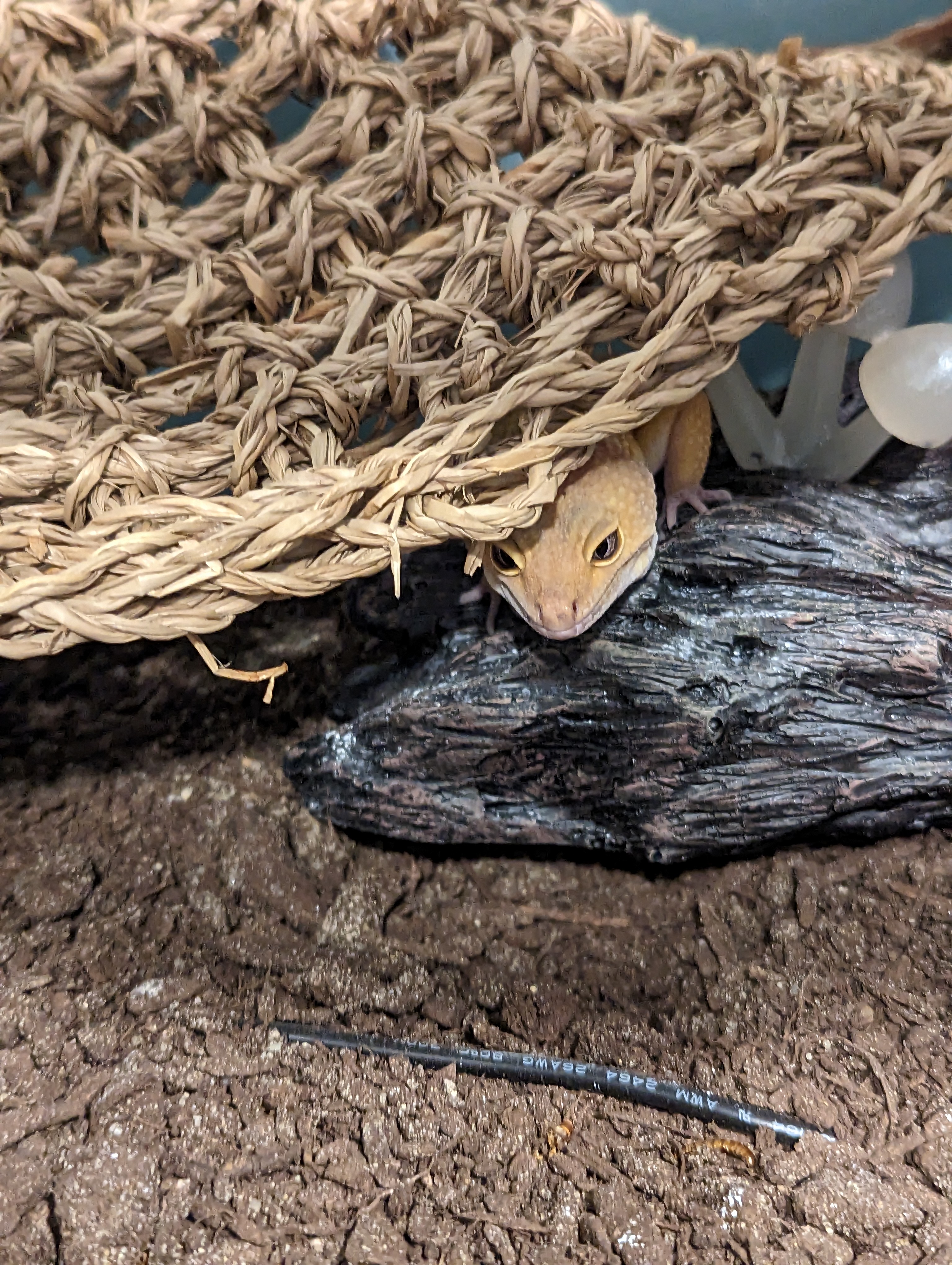
There are two kinds of people in this world: people who see a frog on a rainy sidewalk and say, “Oh, cute,” and people who immediately crouch like wildlife documentarians, whisper “nobody move,” and try to capture the world’s most dramatic portrait of a damp little legend. If you are in the second group, welcome. If you are in the first group, stay awhileyou may leave with a new appreciation for tiny toes, jewel-bright eyes, turtle side-eye, and salamanders that look like they know ancient forest gossip.
This is your official invitation: send me your best reptile and amphibian photos or drawings. Snakes, turtles, lizards, frogs, toads, salamanders, newts, geckos, skinks, anoles, tortoises, and mysterious pond creatures that look like they were designed during a thunderstormbring them all. Whether your masterpiece is a razor-sharp macro photo of a tree frog, a colored-pencil drawing of a bearded dragon, a watercolor salamander, or a phone snapshot of a turtle acting like a tiny armored philosopher, it belongs in the spotlight.
Reptile and amphibian photos are more than internet cuteness. They help people notice animals that are often misunderstood, overlooked, or unfairly labeled as “creepy.” A great image can turn fear into curiosity. A careful drawing can make someone finally see the patterning on a snake’s scales or the delicate shape of a frog’s toes. And in a world where amphibians and reptiles face pressures from habitat loss, disease, invasive species, pollution, roads, and climate-related changes, every respectful act of attention matters.
Why Reptile and Amphibian Photos Matter
Reptiles and amphibians are not background characters in nature’s movie. They are predators, prey, insect controllers, seed dispersal helpers in some ecosystems, wetland indicators, and living reminders that the planet is much stranger and more wonderful than our daily routines suggest. Amphibians, especially frogs and salamanders, are often tied closely to water quality and habitat health. Because many species have sensitive skin and complex life cycles, changes in their populations can signal broader environmental problems.
Reptiles bring their own ecological superpowers. Snakes help control rodents. Lizards eat insects. Turtles contribute to aquatic and terrestrial ecosystems. Even the shy little skink under a log has a role to play. These animals are part of food webs that keep ecosystems from becoming an all-you-can-eat buffet for pests.
Photos and drawings help change the public conversation. A snake photographed from a respectful distance can look elegant instead of scary. A toad drawn with gentle humor can become charming instead of “gross.” A close look at a turtle’s shell can reveal patterns that feel almost architectural. When people see these animals clearly, they are more likely to care about protecting them.
What Counts as a Great Submission?
A “best” reptile or amphibian image does not have to be professionally lit, magazine-ready, or captured with a camera lens the size of a soup can. The best submissions usually have one thing in common: they show attention.
Great Reptile Photos
A strong reptile photo might capture a garter snake moving through grass, a box turtle crossing a trail, a fence lizard basking on warm stone, or a pet gecko giving the camera an expression that says, “I pay rent here.” Look for clean focus, interesting behavior, natural light, and a background that does not fight the subject for attention.
For wild reptiles, respectful distance is essential. Use zoom instead of chasing. Do not pick up, relocate, provoke, pose, or corner an animal for a better shot. A real wildlife photo should show the animal living its life, not auditioning against its will for a modeling contract.
Great Amphibian Photos
Amphibians often shine in moist environments: rainy gardens, pond edges, forest floors, creek banks, and nighttime choruses. A great frog or salamander photo can focus on details such as eye color, toe pads, skin texture, posture, or camouflage. Since many amphibians are active after dark, low-light photography can be tricky. Use soft lighting, avoid repeated flash, and never disturb breeding sites just to get a dramatic angle.
One practical trick: take a quick first photo as soon as you see the animal. Then, if it stays calm and you can remain at a respectful distance, try additional angles. Wildlife has a habit of disappearing exactly when you say, “Wait, one more.”
Great Reptile and Amphibian Drawings
Drawings are just as welcome as photossometimes even more revealing. A drawing lets you slow down and study the animal’s shape, pattern, posture, and personality. Scientific sketching is not about being “born talented.” It is about learning to observe carefully. A simple pencil sketch of a frog’s sitting pose can teach you more than a blurry photo you forgot in your camera roll.
Try drawing the large shapes first: head, body, limbs, tail, shell, or curve of the spine. Then add markings, scales, folds, toes, shadows, and texture. For reptiles, pay attention to the rhythm of scales and the way light hits skin or shell. For amphibians, notice softness, moisture, rounded forms, and subtle color transitions. If your frog drawing looks like a potato with opinions, congratulationsyou have begun.
Ethical Wildlife Photography: Cute, But Make It Responsible
The golden rule of reptile and amphibian photography is simple: the animal’s safety matters more than the image. No photo is worth stressing, injuring, or displacing wildlife. This is especially important for amphibians, whose skin can absorb substances from human hands, sunscreen, bug spray, soap residue, and oils. Even well-meaning handling can cause harm.
Keep these responsible wildlife photography practices in mind:
- Use a zoom lens or crop the photo later instead of moving too close.
- Stay on trails when possible and avoid crushing plants, eggs, burrows, or wetland edges.
- Do not handle wild reptiles or amphibians for photos.
- Never move an animal to a “better” background.
- Avoid sharing exact locations of rare, threatened, nesting, or breeding animals.
- Do not use bait, playback calls, or artificial disturbance to force behavior.
- If the animal changes behavior because of you, back away.
Good wildlife photography should feel like a quiet handshake with nature, not a hostage negotiation with a salamander.
How to Take Better Reptile and Amphibian Photos
1. Get Low, But Stay Respectful
Eye-level photos often feel more intimate and dramatic. A frog photographed from above may look like a wet triangle. A frog photographed at eye level suddenly becomes a tiny monarch of the moss kingdom. Kneel, crouch, or lower your camerabut do not flatten habitat or block the animal’s path.
2. Watch Behavior Before Shooting
Great wildlife photographers do not just point and click. They observe. Is the lizard basking? Is the turtle trying to cross a path? Is the frog calling? Is the snake moving away? Understanding behavior helps you predict moments without interfering.
3. Use Natural Light Whenever Possible
Soft morning or late-afternoon light can make scales, shells, and moist skin glow beautifully. Harsh midday sun can create bright glare on turtles and snakes. For amphibians, cloudy days can be excellent because the light is gentle and damp weather often brings them out.
4. Focus on the Eyes
Whether you are photographing a gecko, frog, turtle, or snake, sharp eyes make the image feel alive. Reptile and amphibian eyes are wildly expressive: golden, coppery, black, striped, reflective, jewel-like, or hilariously judgmental.
5. Capture Habitat, Not Just the Animal
A close-up is wonderful, but a wider image can tell a better story. Show the frog among leaves, the turtle near the pond, the lizard on sun-warmed bark, or the salamander under forest cover. Habitat gives context, and context turns a picture into a story.
Drawing Tips for Reptile and Amphibian Art
If you prefer pencils, pens, watercolor, markers, digital brushes, or whatever tool was closest when inspiration attacked, reptile and amphibian drawings are perfect for practicing observation. These animals offer bold silhouettes, fascinating textures, and dramatic patterns.
Start With Simple Shapes
Break the animal into basic forms. A turtle can begin as a dome, oval, and four sturdy limbs. A frog can start with a rounded body, triangular head, and folded legs. A snake is a flowing line with volume. A lizard is a long body with rhythm: head, neck, torso, tail, toes.
Add Texture Slowly
Do not try to draw every scale at once unless you enjoy pain and own excellent snacks. Suggest texture with repeated marks, shadows, and patterns. On frogs and salamanders, focus on smoothness, bumps, shine, and soft transitions. On reptiles, use directional marks to show scale rows, shell plates, or skin folds.
Let Personality Sneak In
A scientifically accurate drawing is valuable, but personality matters too. A toad can look dignified. A gecko can look mischievous. A turtle can look like it is late for an important meeting but refuses to hurry. Capture the posture, not just the anatomy.
Pet Reptile and Amphibian Submissions Are Welcome Too
Not every great reptile or amphibian image comes from the wild. Pet reptiles and amphibians can be wonderful subjects, provided they are photographed safely and comfortably. A bearded dragon under proper lighting, a crested gecko on a secure branch, a corn snake in a calm setting, or a tortoise enjoying supervised outdoor time can make fantastic images.
For pet photos, skip stressful costumes, unsafe props, slippery surfaces, bright flash, or forced poses. The best pet portraits show healthy habitat, natural behavior, and the animal’s actual charm. A gecko licking its eye? Excellent. A tortoise eating greens with the seriousness of a medieval king? Perfect. A frog sitting in its enclosure like it owns the mortgage? Send it immediately.
What Your Photos Can Teach Others
A single image can spark questions: What species is this? Is it native? Where does it live? What does it eat? Why is it that color? Is it venomous, poisonous, harmless, endangered, common, or simply very dramatic?
This is where reptile and amphibian photos become educational. Citizen-science platforms have shown how public observations can help document species distribution, seasonal activity, and local biodiversity. Even common species matter because repeated observations over time can reveal patterns. A backyard frog photo might not feel important in the moment, but when many people document what they see, the bigger picture becomes clearer.
If you know the species, include it with your submission. If you do not, describe where and when you saw it without revealing sensitive locations. “Small green frog near a backyard pond in northern Georgia in May” is more useful than “frog???”although, to be fair, “frog???” is still emotionally valid.
Submission Ideas to Inspire You
Not sure what to send? Try one of these themes:
- Best tiny dragon: lizards, geckos, anoles, skinks, or iguanas with maximum fantasy energy.
- Most dramatic frog: calling, sitting, leaping, staring, or looking personally offended.
- Shell celebrity: turtles and tortoises with strong main-character presence.
- Pattern appreciation: scales, stripes, spots, shell plates, or camouflage.
- Best field sketch: quick drawings from nature walks, ponds, gardens, or museums.
- Best pet portrait: safe, calm, personality-filled images of companion reptiles or amphibians.
- Habitat story: photos showing the animal in its environment.
Creating Backyard Moments for Ethical Observation
You do not need to travel deep into a swamp with expedition gear and questionable socks to appreciate reptiles and amphibians. Many people can observe them close to home by making yards, gardens, and community spaces more wildlife-friendly.
Native plants, leaf litter, logs, brush piles, rock features, pesticide reduction, shallow water sources, and damp sheltered areas can support insects and small wildlife. In turn, those insects may attract frogs, toads, lizards, and other animals. A messy corner of the garden can be a five-star resort for tiny lives. The neighbors may call it “unfinished landscaping.” Nature calls it “excellent.”
Always consider local conditions and avoid introducing nonnative species. Do not collect wild reptiles or amphibians for your yard. Instead, create safe habitat and let wildlife decide whether to visit. The best backyard wildlife moments happen when animals choose the space on their own.
Why Reptiles and Amphibians Deserve Better Public Relations
Let’s be honest: reptiles and amphibians have suffered from centuries of bad branding. Snakes are cast as villains. Toads are associated with warts. Salamanders are treated like forest rumors. Lizards are either ignored or accused of plotting. Meanwhile, mammals get plush toys, birds get songs, and frogs have to carry the entire amphibian public-relations department with one banjo-playing puppet.
Photos and drawings can help fix that. They show beauty without exaggeration. A snake’s pattern can be as elegant as fabric. A frog’s eye can look like polished bronze. A salamander’s body can look painted by someone with excellent taste and a questionable sense of realism. A turtle’s face can contain more patience than most meetings.
When people see these animals as neighbors rather than nuisances, they are more likely to slow down on roads, protect wetlands, leave logs in place, reduce chemical use, respect habitats, and teach children not to fear every small moving thing in the grass.
Personal Experiences: The Joy of Noticing the Small, Scaly, and Slightly Slimy
One of the best things about looking for reptile and amphibian photos or drawings is that it changes how you move through the world. You stop treating a walk as transportation and start treating it as a treasure hunt. A damp patch of leaves becomes interesting. A sunny rock becomes suspiciously promising. A pond at dusk becomes a full orchestra tuning up in the reeds.
There is a particular thrill in spotting an animal that was there all along. A brown toad against brown leaves can vanish until your eyes adjust. Then suddenly it appears, round and calm, as if it has been waiting for you to become less foolish. A small lizard on a fence may freeze in place, trusting its camouflage while you pretend not to be amazed. A turtle at the edge of a pond may slide into the water with the silent confidence of a secret agent.
Drawing these animals creates a different kind of connection. Photography is often about timing; drawing is about patience. When you sketch a frog, you begin noticing how its legs fold like springs, how the eyes sit high on the head, how the mouth line creates that classic frog expression: part wisdom, part snack anticipation. When you draw a turtle, you realize the shell is not just a “shell” but a structure full of plates, curves, scratches, and history. When you draw a snake, you learn that a body without legs can still be full of gesture and direction.
Some of the most memorable reptile and amphibian encounters are not dramatic at all. They are quiet. A toad under a porch light eating insects. A green frog tucked among pond plants. A garter snake disappearing into grass. A salamander found under a log and left exactly where it was, because respect is part of the experience. These moments are small, but they stay with you because they feel like being allowed into a private room of nature.
There is also humor in the hobby. Reptiles and amphibians are naturally funny without trying. Frogs sit like retired men judging lawn care. Geckos look surprised by their own feet. Turtles appear committed to slow living in a way wellness influencers can only dream of. Toads have faces that suggest they have seen civilization rise and fall and were unimpressed by both. Trying to capture that personality in a photo or drawing is half the fun.
The deeper reward, though, is care. Once you photograph or draw these animals, you start rooting for them. You notice dry wetlands, road crossings, trash near ponds, and missing habitat. You begin to understand that appreciation is not passive. It can become protection. A shared photo may make someone smile today, but it might also make them think twice tomorrow before harming a snake, draining a wet spot, or spraying chemicals around a garden.
So send the polished photo, the messy sketch, the dramatic turtle portrait, the frog drawing that got slightly out of hand, the lizard snapshot with chaotic energy, and the salamander study that made you proud. Send the art that says, “I noticed this creature, and it mattered.” That is the heart of the whole project.
Conclusion: Send the Frog. Send the Snake. Send the Tiny Dragon.
Reptile and amphibian photos and drawings invite people to slow down, look closer, and appreciate animals that rarely get the spotlight they deserve. Whether your submission is funny, beautiful, scientific, cute, strange, or wonderfully imperfect, it can help others see frogs, salamanders, snakes, turtles, and lizards with fresh eyes.
The best reptile and amphibian images are not just about sharp focus or perfect shading. They are about respect, curiosity, and connection. Photograph wildlife ethically. Draw with attention. Celebrate pet reptiles and amphibians safely. Share what you see, learn what you can, and let these remarkable creatures surprise people.
Now it is your turn. Send me your best reptile/amphibian photos or drawings. The internet has enough blurry lunch pictures. What it needs now is a heroic toad, a glamorous gecko, a noble turtle, a mysterious salamander, and at least one frog who looks like he knows your secrets.










