
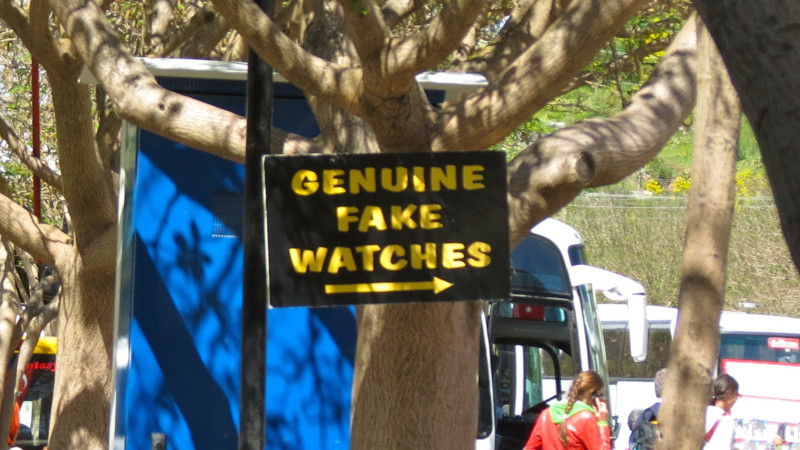
There was a time when spotting a fake was easy. The logo looked like it had been drawn during a bumpy bus ride, the packaging used spelling that could make a dictionary file a complaint, and the “luxury” watch weighed less than a cookie. Today, things are trickier. Fakes and clones have put on a blazer, learned decent photography, and hired a cousin who knows how to build a convincing product page.
From counterfeit beauty products to cloned online stores, fake prescription pills, imitation electronics, knockoff sneakers, copycat apps, and “almost-the-same-but-legally-squinting” gadgets, the modern marketplace has become a hall of mirrors. Some copies are harmless-looking annoyances. Others can burn skin, start fires, steal data, break after one use, or put someone’s health in danger. That is why it may finally be time to talk about all those fakes and clones without pretending they are just bargain-bin drama.
This article looks at how fake goods spread, why cloned products are so convincing, what risks they create, and how shoppers, creators, and businesses can respond without turning every purchase into a detective novel with free shipping.
What Do We Mean By Fakes And Clones?
The phrase “fakes and clones” covers several related problems. A counterfeit product illegally copies a brand’s trademark, logo, packaging, or identity to make buyers believe it is genuine. A clone may not always use the same logo, but it imitates the design, features, name, appearance, or marketing style closely enough to ride on the original product’s reputation. A fake website, meanwhile, copies the look of a trusted retailer, pharmacy, brand, or payment page to harvest money, data, or both.
The difference matters, but the customer’s experience is often the same: you thought you were buying one thing and received another. Maybe it was a handbag with stitching that surrendered after three days. Maybe it was a phone charger that ran hotter than a sidewalk in July. Maybe it was a supplement or medicine from a mystery seller with no verified supply chain. In each case, the problem is not just disappointment. It is trust breaking in public.
Why The Fake Economy Keeps Growing
Fakes and clones thrive because the internet rewards speed, scale, and appearances. A seller can build a product page in minutes, upload polished images, purchase a few ads, borrow language from legitimate brands, and disappear when complaints arrive. Social media adds another layer. A product can go viral before anyone checks whether the seller is real, the reviews are authentic, or the item is safe.
Online marketplaces have made shopping incredibly convenient, but convenience also creates hiding places. Third-party sellers can operate across borders, use multiple accounts, change names, and move inventory quickly. A suspicious listing may vanish on Monday and reappear on Tuesday wearing a fake mustache and a new store name. For shoppers, that means the old rule of “I bought it from a big platform, so it must be fine” is no longer enough.
Low Prices Are The Bait
The simplest trick is still the most effective: a price that looks too good to ignore. A designer fragrance for 80% off. A premium power tool at a “warehouse clearance” price. A popular sneaker that somehow costs less than lunch. Everyone loves a deal, but counterfeit sellers know that discounts can quiet suspicion. The brain sees savings and starts doing cartwheels before the common-sense department finishes its paperwork.
Better Packaging Makes Worse Deception
Counterfeiters are not always sloppy. Many fake products now arrive with convincing labels, barcodes, inserts, seals, QR codes, and polished photography. Some use genuine product photos stolen from brands. Others copy certification marks or safety claims. That is why visual inspection helps but cannot be the only test. A fake can look legitimate long enough to get through checkout, especially when viewed on a small phone screen at midnight.
The Hidden Risks Of Counterfeit Products
For some shoppers, fakes sound like a victimless shortcut. “It looks the same, costs less, and the big company will survive,” they say. That argument falls apart quickly when the product category changes from a decorative accessory to cosmetics, medicines, batteries, toys, auto parts, helmets, electrical devices, or medical supplies.
Counterfeit goods often skip the boring but important parts of product safety: quality control, ingredient verification, proper labeling, electrical testing, sterile manufacturing, child-safety rules, and recall systems. Those steps are not glamorous. Nobody posts a TikTok about “excellent regulatory compliance.” But those steps are why a charger does not melt, a toy does not contain dangerous materials, and a medicine contains what the label says it contains.
Fake Medicines Are Especially Dangerous
Counterfeit medicines are in their own category of risk. A fake pill or injection may contain the wrong active ingredient, too much of one ingredient, too little, none at all, or something harmful. With the rise of online pharmacies and high-demand drugs, scammers have found a lucrative opening. When people are desperate for lower prices, faster access, or privacy, fake pharmacy sites can look like a solution. In reality, they can be a public-health trap with a shopping cart.
Fake Electronics Can Become Safety Hazards
Electronics are another risky area. Cheap chargers, batteries, adapters, power banks, and extension cords may look ordinary, but poor materials and missing safety testing can create fire, shock, or overheating hazards. A bargain cable is not such a bargain if it turns your nightstand into a tiny volcano.
Fake Cosmetics And Supplements Can Touch The Body In All The Wrong Ways
Beauty products, skincare, and supplements are also frequent targets for imitation. The danger is obvious: these items go on or inside the body. A counterfeit cosmetic may contain contaminated, irritating, or unapproved ingredients. A fake supplement may exaggerate claims, hide substances, or be manufactured without reliable standards. The label may promise glow, energy, or wellness, but the supply chain may be whispering, “Please do not ask where I came from.”
Clones Are Not Always Illegal, But They Can Still Be A Problem
Not every lookalike product is automatically illegal. Some brands make generic versions, compatible accessories, or alternative designs that compete fairly. Competition can lower prices and encourage innovation. The problem begins when a clone is designed mainly to confuse buyers, borrow another company’s trust, or dodge accountability.
For example, a company may release a gadget that looks almost identical to a popular device, use a similar product name, copy the packaging colors, and buy ads against the original brand’s keywords. The listing may avoid using the exact trademark, but the intention is clear: catch shoppers who are moving too quickly. This is the gray-zone art of looking familiar enough to sell while acting different enough to argue.
Fake Reviews, Fake Stores, And The Clone Website Problem
Counterfeit products rarely travel alone. They often bring friends: fake reviews, cloned websites, manipulated ratings, misleading influencer posts, stolen images, and social media ads that vanish after the sale. A fake store may copy a real brand’s design, use a domain name with one extra word, offer huge discounts, and pressure shoppers with countdown timers. The result looks urgent, official, and exciting. It is also often nonsense wearing a nice font.
Fake reviews create another layer of confusion. A listing with hundreds of five-star comments can still be suspicious if the reviews are generic, oddly repetitive, posted in bursts, or attached to a product that recently changed categories. Some sellers also recycle listings, merge reviews from unrelated products, or use review farms to create artificial trust. When every product is “amazing quality, fast shipping, my husband loves it,” the internet has officially turned into a suspiciously enthusiastic choir.
How Fakes Hurt Real Businesses And Creators
Consumers are not the only victims. Counterfeiters steal the reputation, design work, research, packaging, marketing, and customer trust that legitimate businesses spent years building. Small businesses can suffer especially hard. A large corporation may have legal teams and brand-protection software. A small maker may have a laptop, a coffee addiction, and a very tired inbox.
When fake versions flood the market, real brands lose sales and customer confidence. Buyers who receive a bad counterfeit may blame the genuine company. Negative reviews can pile up even when the brand never made the item. That kind of damage is difficult to repair because trust is not a light switch. It is more like a houseplant: easy to neglect, slow to regrow, and dramatic when mistreated.
How To Spot Fakes And Clones Before Buying
No single trick catches every fake, but a few habits can dramatically reduce the risk. Think of them as seatbelts for online shopping. They are not exciting, but they are useful when the road gets weird.
Check The Seller, Not Just The Platform
Buying from a well-known marketplace does not always mean buying from the brand itself. Look at the seller name, business address, history, return policy, and customer feedback. For expensive or sensitive products, purchase directly from the brand, an authorized retailer, a licensed pharmacy, or a trusted store with a clear support channel.
Study The Price With A Calm Brain
Deep discounts are not always scams, but extreme discounts deserve questions. If a product is new, popular, rarely discounted, or hard to find, a suspiciously low price should make you pause. Real clearance sales exist. So do traps wearing clearance-sale costumes.
Look For Packaging And Listing Clues
Misspellings, blurry logos, odd grammar, mismatched fonts, strange product claims, vague company names, and copied images are all warning signs. Also check whether the same photos appear on unrelated websites. If ten stores use identical pictures and none of them seems connected to the brand, the product may be floating in the counterfeit swamp.
Verify Health And Safety Products Carefully
For medicines, supplements, medical devices, baby products, helmets, electronics, batteries, and cosmetics, be stricter. Buy from authorized sources. Avoid sellers that do not require prescriptions for prescription drugs, promise miracle results, or refuse to provide clear business information. When safety matters, convenience should not be the boss.
Use Secure Payment Methods
Credit cards and trusted payment services usually offer better dispute options than wire transfers, gift cards, cryptocurrency, or direct bank transfers. If a seller demands an unusual payment method, that is not “exclusive checkout.” That is a red flag doing jumping jacks.
What To Do If You Bought A Fake
If you suspect you bought a counterfeit product, stop using it, especially if it is a medicine, cosmetic, charger, battery, toy, auto part, or safety-related item. Take photos of the packaging, product, receipt, seller page, tracking details, and messages. Contact the seller or platform, request a refund, and report the listing. If the item involves health or safety, report it to the appropriate agency or consumer-protection channel.
Do not resell the item, even “with full disclosure.” Passing along a counterfeit can create legal and safety problems for someone else. The better path is documentation, reporting, and safe disposal when appropriate. It may feel annoying, but reports help platforms, brands, and regulators connect patterns.
What Businesses Can Do About Fakes And Clones
Brands need more than occasional outrage. A modern anti-counterfeit strategy should combine trademark registration, platform monitoring, customer education, packaging security, authorized seller lists, takedown systems, and cooperation with marketplaces and enforcement agencies. Businesses should make it easy for customers to verify genuine products and report suspicious listings.
Small companies can start with practical steps: clearly list authorized retailers, publish “how to spot a fake” pages, use consistent packaging, monitor major marketplaces, and respond quickly to customer concerns. The goal is not paranoia. The goal is making the genuine product easier to recognize than the fake one.
The Role Of Marketplaces And Regulators
Online platforms have improved their tools, but the pressure is still on. Counterfeit sellers adapt quickly, so enforcement must be proactive rather than purely complaint-driven. Better seller verification, faster takedowns, stronger repeat-offender controls, clearer recall systems, and data-sharing with enforcement agencies can reduce harm.
Regulators also matter because counterfeit trade is not just a customer-service issue. It touches public health, intellectual property, labor conditions, customs enforcement, and criminal networks. When fake products cross borders, hide behind shell sellers, or use cloned websites, the response has to be coordinated. A single shopper cannot fight a global counterfeiting machine with a magnifying glass and vibes.
Experiences And Real-World Lessons From The World Of Fakes And Clones
One of the most common experiences with fakes begins with a harmless search. A shopper wants a familiar item: a skincare serum, a replacement charger, a trendy pair of shoes, a small kitchen gadget, or a bottle of fragrance. The first few results look normal. The photos are bright, the price is attractive, and the delivery date is fast. Nothing screams danger. In fact, the page looks cleaner than some official websites, which is funny until it is not.
The package arrives, and the first clue is often emotional rather than technical. Something feels off. The box color is slightly dull. The plastic wrap feels loose. The logo is almost right but not quite. The instruction sheet reads like it took a wrong turn through three translation apps. The product may smell strange, feel lighter, charge slower, leak, peel, jam, or simply fail. At that moment, the “deal” changes shape. It becomes a project.
A second common experience happens with clone websites. A buyer clicks a social media ad for a brand they recognize. The site has the same product photos, similar fonts, and a holiday sale so generous it practically hands out confetti. The checkout works. The confirmation email arrives. Then nothing. No tracking, no customer service, no refund, just a digital tumbleweed rolling through the inbox. Later, the buyer notices the domain was not the real brand’s website. It had an extra word, a strange ending, or a tiny spelling difference. The clone did not need to fool everyone. It only needed to fool someone in a hurry.
There is also the small-business side of the story. A creator launches a clever product, earns positive reviews, and finally gets momentum. Then copies appear. Some use stolen photos. Some undercut the price. Some are so poorly made that customers complain to the original brand, assuming it made the bad version. The creator is forced into a frustrating routine of reporting listings, explaining authenticity, and protecting a reputation that someone else is quietly eating with a spoon.
The lesson from these experiences is not “never buy online.” That would be silly, like avoiding restaurants because one sandwich once betrayed you. The lesson is to slow down at the right moments. Before buying, check the seller, the domain, the return policy, the price, and the product category. Be especially careful when the item touches your body, plugs into a wall, protects your safety, or claims medical benefits. A cheap fake T-shirt may be disappointing. A fake medicine or unsafe charger can be dangerous.
The best shoppers are not suspicious of everything. They are selectively skeptical. They know that a real bargain should still have a real seller, real contact information, real policies, and real accountability. They also know that brands, platforms, regulators, and consumers all play a role. Fakes and clones will not disappear overnight, but they become less profitable when fewer people fall for them and more people report them. In the end, trust is the product everyone is trying to buy.
Conclusion: The Copycat Marketplace Needs A Reality Check
Fakes and clones are no longer a fringe problem hiding on suspicious street corners. They are part of the modern shopping landscape, especially online. Some are laughably bad. Others are polished enough to fool careful buyers. The danger is not just that people waste money. The bigger issue is that counterfeit and cloned products can threaten safety, damage legitimate businesses, weaken trust, and make the marketplace feel like a guessing game.
The good news is that awareness works. Shoppers can learn warning signs. Businesses can protect their brands. Platforms can improve seller controls. Regulators can coordinate enforcement. And all of us can stop treating unbelievable deals as harmless entertainment. When something looks too good to be true, it may not be a miracle. It may be a clone with better lighting.










