
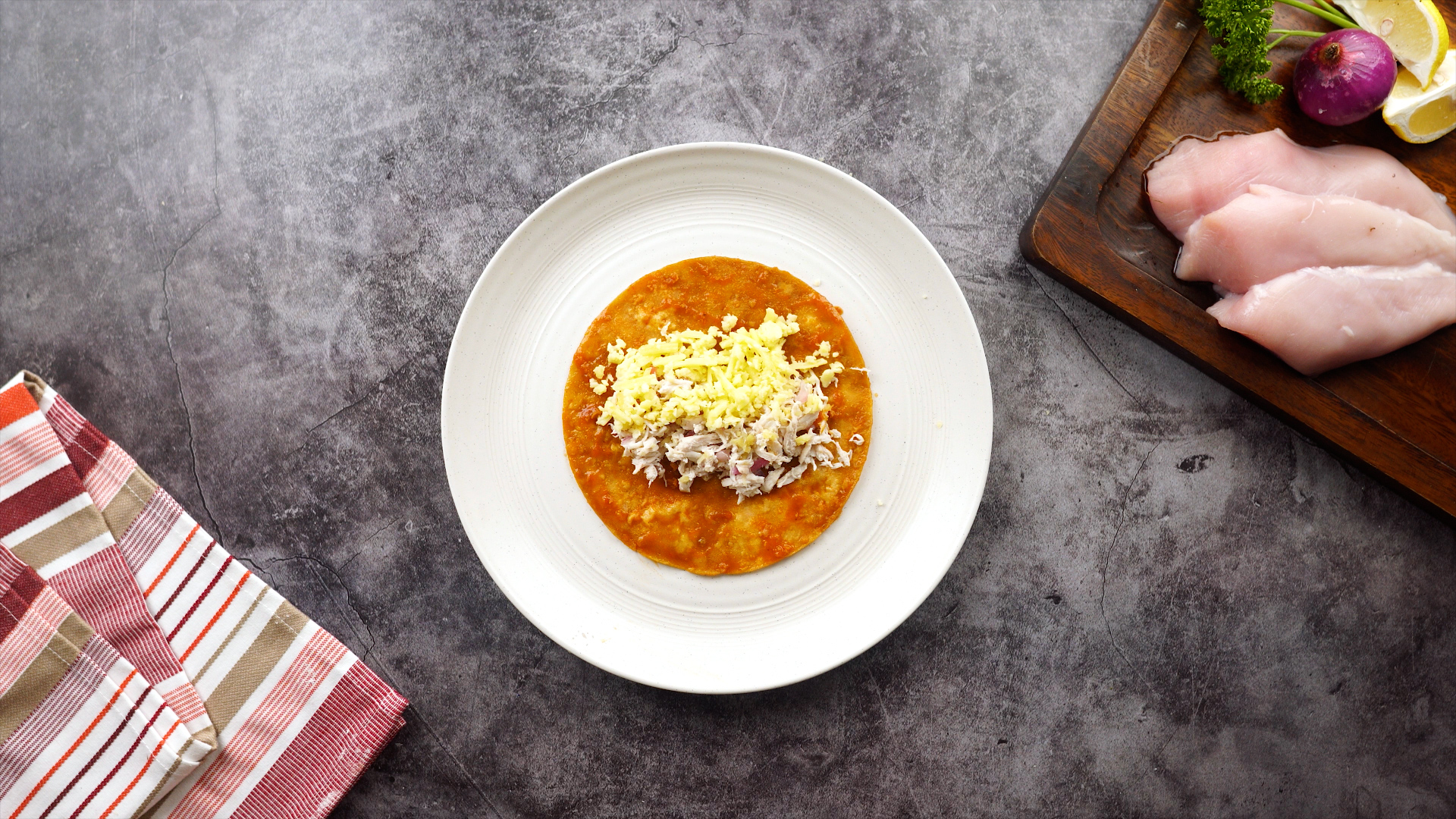
Rolling an enchilada sounds simple until your tortilla splits, the filling escapes like it has urgent travel plans, and the whole dish turns into a cheesy, saucy casserole with commitment issues. The good news? A neat, tender, flavorful enchilada is not about chef magic. It is about small, practical moves: warming the tortilla, using the right amount of filling, adding sauce in the right places, rolling with confidence, and placing each enchilada seam-side down like it knows exactly where it belongs.
This guide explains how to roll an enchilada in eight easy steps, whether you are making chicken enchiladas, beef enchiladas, cheese enchiladas, vegetarian enchiladas, or a weeknight pan of “whatever is in the fridge but make it delicious.” You will also learn how to keep tortillas from cracking, how much filling to use, whether corn or flour tortillas work better, and how to bake enchiladas so they come out saucy but not soggy.
What Is an Enchilada?
An enchilada is a filled tortilla rolled around ingredients such as shredded chicken, beef, cheese, beans, roasted vegetables, or potatoes, then covered with a savory sauce and usually baked until hot and bubbling. Traditional enchiladas are commonly made with corn tortillas, but many home cooks also use flour tortillas because they are flexible and easy to roll.
The secret to a great enchilada is balance. The tortilla should be soft enough to roll, strong enough to hold the filling, and coated with enough sauce to become tender without dissolving into the pan. Think of it as a cozy food blanket with boundaries.
Ingredients and Tools You Need
Before rolling, set up your workspace. Enchiladas move quickly once the tortillas are warm, so having everything ready prevents panic, cold tortillas, and sauce fingerprints on every cabinet handle.
Basic Ingredients
- 8 to 12 corn or flour tortillas
- 2 to 3 cups cooked filling, such as shredded chicken, beef, beans, cheese, or vegetables
- 2 to 3 cups enchilada sauce, red or green
- 1 to 2 cups shredded cheese, such as Monterey Jack, cheddar, Oaxaca, or a Mexican-style blend
- Optional toppings: cilantro, diced onion, sour cream, avocado, jalapeños, queso fresco, or lime wedges
Helpful Tools
- A 9-by-13-inch baking dish
- A skillet, microwave, or oven for warming tortillas
- Tongs for dipping tortillas in sauce
- A spoon or measuring cup for portioning filling
- Foil for covered baking, if needed
How to Roll an Enchilada: 8 Steps
Step 1: Choose the Right Tortilla
Start with tortillas that match the style of enchilada you want. Corn tortillas offer classic flavor and a firmer structure, especially when lightly fried, steamed, or dipped in warm sauce before rolling. Flour tortillas are softer and easier for beginners, although they can become softer in the oven if overloaded with sauce.
If you want a more traditional texture, choose corn tortillas. If your priority is easy rolling with fewer cracks, flour tortillas are forgiving. Either way, avoid dry, stiff tortillas. A tortilla that cracks before you even add filling is not being dramatic; it is telling you it needs heat and moisture.
Step 2: Warm the Tortillas Until Flexible
Cold tortillas crack. Warm tortillas cooperate. Heat the tortillas before rolling so they bend easily around the filling. You can warm them in a dry skillet for a few seconds per side, wrap a stack in damp paper towels and microwave briefly, or wrap them in foil and heat them in the oven.
For corn tortillas, many cooks like to quickly fry them in a thin layer of oil before dipping them in sauce. This step adds flavor and helps create a light barrier so the tortillas do not absorb too much sauce too quickly. If you prefer a lighter method, warming them in a skillet or microwave still helps.
Step 3: Add a Thin Layer of Sauce to the Baking Dish
Spread a thin layer of enchilada sauce across the bottom of your baking dish before adding the rolled tortillas. This prevents sticking, adds flavor underneath, and keeps the bottoms tender. You do not need a lake of sauce here. A shallow coating is enough.
Too much sauce at the bottom can make enchiladas soggy, especially if the filling is wet. The goal is coverage, not a swimming pool. If your spoon leaves a glossy red or green trail across the dish, you are in good shape.
Step 4: Lightly Sauce or Dip Each Tortilla
For more flavorful enchiladas, lightly coat each tortilla with sauce before filling. You can dip the tortilla into warm enchilada sauce using tongs, brush sauce over one side, or spoon a small amount across the center. This helps the tortilla absorb flavor and keeps the finished enchilada tender.
If the tortilla is very delicate, do not drown it. A quick dip is enough. When using flour tortillas, you may want less sauce before rolling because they already soften easily. When using corn tortillas, a brief dip can make them easier to fold and more flavorful after baking.
Step 5: Add the Filling Down the Center
Place the tortilla on a plate or cutting board, then spoon the filling in a line down the center or slightly below the center. A good starting point is about 2 to 3 tablespoons of filling for a small corn tortilla or about 1/4 to 1/3 cup for a larger flour tortilla.
Do not overfill. This is the number one rule of enchilada rolling and possibly life. Too much filling makes the tortilla tear, bulge, or refuse to close. Keep the filling compact and evenly spread. If you are using shredded chicken, beef, or vegetables, chop large pieces smaller so the roll stays smooth.
Step 6: Roll the Tortilla Snugly
Fold one side of the tortilla over the filling, tuck it gently, and continue rolling until the tortilla closes around the filling. The roll should be snug but not crushed. You are making an enchilada, not trying to win an arm-wrestling match with dinner.
If filling spills out the ends, remove a little and try again. Enchiladas usually have open ends, so a tiny bit of filling showing is normal. What you want to avoid is a tortilla that cannot stay closed. A neat, even roll bakes better and looks better when served.
Step 7: Place It Seam-Side Down
Transfer the rolled enchilada to the prepared baking dish with the seam facing down. This keeps the tortilla from unrolling while it bakes. Place each enchilada close to the previous one so the rolls support each other. A snug row of enchiladas is more stable than a lonely roll sliding around in the pan.
Continue filling, rolling, and arranging until the dish is full. If you run out of space, tuck the last few along the side or use a second smaller baking dish. Do not stack enchiladas on top of each other unless you are intentionally making a casserole-style version.
Step 8: Top With Sauce and Cheese, Then Bake
Once all enchiladas are in the dish, spoon the remaining sauce over the top. Cover them enough to keep the tortillas moist, but do not bury them. Sprinkle cheese over the sauce, then bake until the enchiladas are hot, the sauce is bubbling, and the cheese is melted.
Most enchiladas bake well at 350°F to 375°F for about 20 to 30 minutes, depending on the filling and whether the ingredients were hot or cold when assembled. If the cheese browns too quickly, loosely cover the dish with foil. Let the enchiladas rest for 5 to 10 minutes before serving so the sauce settles and the rolls hold together better.
Best Fillings for Rolled Enchiladas
The best enchilada filling is flavorful, moist, and not too watery. Shredded chicken mixed with a little sauce and cheese is a classic. Ground beef with onions, garlic, cumin, and chili powder makes a hearty version. Beans, sweet potatoes, roasted peppers, mushrooms, corn, and spinach work beautifully for vegetarian enchiladas.
For cheese enchiladas, use a good melting cheese inside and a little extra on top. Monterey Jack, Oaxaca, Chihuahua, and cheddar blends all work well. If using fresh cheeses such as queso fresco or cotija, consider sprinkling them after baking because they do not melt the same way.
How to Keep Enchiladas From Getting Soggy
Soggy enchiladas usually happen for three reasons: the tortillas were not warmed properly, the filling was too wet, or the dish had too much sauce. To avoid this, drain excess liquid from cooked meat or vegetables before filling. If your filling looks soupy, simmer it for a few minutes until thicker.
With corn tortillas, lightly frying or toasting them before saucing can help them stay intact. Also, use sauce with intention. The tortillas should be coated, not submerged. Save extra sauce for serving on the side if you love a saucier plate.
Corn Tortillas vs. Flour Tortillas: Which Is Better?
Corn tortillas bring earthy flavor and a traditional enchilada texture. They pair especially well with red chile sauce, green chile sauce, chicken, cheese, and beans. However, they need warming because they crack more easily when cold.
Flour tortillas are soft, flexible, and beginner-friendly. They roll easily and are common in Tex-Mex-style enchiladas. The trade-off is that they can become softer after baking, especially under heavy sauce. If using flour tortillas, choose sturdy ones and avoid over-saucing.
Common Enchilada Rolling Mistakes
Using Cold Tortillas
A cold tortilla is almost guaranteed to crack. Warm every tortilla before filling, even if it feels soft in the package.
Adding Too Much Filling
Overfilling turns rolling into a wrestling match. Use less filling than you think you need, then make more enchiladas if necessary.
Skipping Sauce Underneath
A dry baking dish can cause sticking and uneven texture. A thin sauce layer on the bottom solves the problem.
Rolling Too Loosely
A loose roll can open in the oven. Keep the tortilla snug around the filling without squeezing it flat.
Pouring on Too Much Sauce
Enchiladas need sauce, but too much can make them heavy and mushy. Coat the tops and leave extra sauce for the table.
Serving Ideas for Enchiladas
Serve enchiladas with Mexican rice, cilantro-lime rice, refried beans, black beans, grilled corn, avocado salad, or a crisp cabbage slaw. For toppings, try chopped cilantro, diced white onion, sliced radishes, sour cream, crema, jalapeños, diced tomatoes, or a squeeze of lime.
If the enchiladas are rich and cheesy, add something fresh and bright on the side. Lime, onion, cilantro, and crunchy vegetables help balance the sauce and cheese. Basically, your plate wants a little drama, but the good kind.
Make-Ahead and Storage Tips
You can assemble enchiladas ahead of time, cover the dish, and refrigerate it for several hours before baking. For best texture, keep the sauce separate until closer to baking if you are using delicate corn tortillas. Add sauce and cheese just before the dish goes into the oven.
Leftover enchiladas should be cooled, stored in an airtight container, and refrigerated. Reheat until hot throughout. If reheating a full pan, cover it with foil to keep the tortillas from drying out, then uncover near the end if you want the cheese to bubble again.
Experience Notes: What Actually Helps When Rolling Enchiladas at Home
After making enchiladas in a real home kitchen, you quickly learn that the recipe is only half the story. The other half is timing, tortilla mood, and whether you remembered to clear enough counter space before opening the sauce. One of the most helpful habits is creating an assembly line. Put the warm tortillas on one side, the filling in the middle, the sauce nearby, and the baking dish directly in front of you. This simple setup makes the rolling process smoother and keeps the tortillas from cooling while you search for a spoon.
Another practical lesson is that tortillas behave differently by brand, size, and freshness. Some corn tortillas are sturdy and flexible after a quick warm-up. Others crack if you look at them too confidently. If your tortillas keep splitting, do not assume you failed. Warm them longer, wrap them in a damp towel, or give them a quick pass through warm sauce. If they still refuse to cooperate, turn the dish into layered enchilada casserole and call it rustic. Dinner does not need a courtroom defense.
Filling texture matters more than many beginners expect. Shredded chicken that is lightly mixed with sauce, cheese, and a few green chiles rolls beautifully. A watery filling made with undrained tomatoes or very juicy vegetables can soak the tortilla from the inside. When using vegetables such as zucchini, mushrooms, or peppers, cook off extra moisture first. When using beans, mash some of them slightly so the filling holds together instead of rolling around like tiny escape artists.
Portion control is another game changer. The first instinct is to load each tortilla generously because everyone loves a stuffed enchilada. Unfortunately, overstuffed enchiladas tear, unroll, and make serving messy. A moderate line of filling gives you a cleaner roll and a better bite. If you have extra filling, scatter it around the edges of the baking dish or save it for tacos, nachos, or breakfast eggs the next day.
One of the best home-cook tricks is to place each enchilada snugly against the next. The rolls support each other, stay closed, and look more appetizing after baking. A crowded pan is not a problem here; it is part of the strategy. Just keep the enchiladas in one layer so the sauce and cheese heat evenly.
Finally, let the dish rest before serving. This is hard because bubbling cheese has a powerful emotional pull. Still, a short rest helps the sauce thicken slightly and makes each enchilada easier to lift from the pan. Use that time to prepare toppings, warm plates, or announce proudly that dinner survived the rolling stage. A well-rolled enchilada is not about perfection. It is about warm tortillas, good filling, enough sauce, and the confidence to roll again if the first one looks a little funny.
Conclusion
Learning how to roll an enchilada is easier when you focus on the small details that matter most: warm the tortilla, lightly sauce it, add a sensible amount of filling, roll it snugly, and place it seam-side down in a sauced baking dish. Once you understand those basics, enchiladas become one of the most flexible dinners you can make. Chicken, beef, beans, cheese, roasted vegetables, red sauce, green saucethere is plenty of room to make the dish your own.
The best enchiladas are not necessarily the prettiest ones in the pan. They are the ones that taste warm, balanced, saucy, and comforting. So if one tortilla tears, patch it with cheese and keep going. That is not failure. That is dinner with character.













