
Note: This article is written for web publication and is based on real backpack-safety, ergonomics, pediatric health, orthopedic, and consumer guidance. It contains no source links or citation placeholders inside the article body.
Introduction: Your Backpack Should Not Feel Like a Baby Elephant
A backpack is supposed to help you carry things, not audition you for a strongman competition before first period. Yet many students, commuters, travelers, and even office workers walk around with bags so stuffed they could probably survive a small weather emergency, a surprise exam, and a three-day snack shortage.
The problem is that a heavy backpack is not just annoying. It can strain your shoulders, neck, back, and posture. When a bag is overloaded or worn incorrectly, your body often compensates by leaning forward, rounding the shoulders, or tightening muscles that would rather be enjoying a peaceful day. Over time, this can lead to soreness, fatigue, poor posture habits, and a very personal relationship with the phrase “my back hurts.”
The good news? Learning how to avoid a heavy backpack is mostly about smart choices, simple organization, and a tiny bit of honesty about whether you really need to carry three notebooks, two hoodies, a full water bottle, last semester’s worksheet, and a suspicious number of pens that do not work.
This guide breaks down practical, realistic ways to lighten your backpack, choose the right bag, pack it correctly, and build daily habits that keep your load under control.
Why Heavy Backpacks Are a Problem
A backpack becomes a problem when its weight pulls your body out of natural alignment. When the load is too heavy, many people lean forward to balance it. That forward lean can place extra stress on the neck, shoulders, and lower back. If the straps are too loose, the backpack may swing or hang too low, forcing muscles to work harder. If the bag is carried on one shoulder, the body may tilt to one side, creating uneven strain.
For students, this issue is especially important because backpacks are often carried every school day. Textbooks, laptops, binders, lunch boxes, gym clothes, water bottles, and personal items can add up quickly. For adults, the same problem happens with work laptops, chargers, tablets, documents, workout gear, and “just in case” items that somehow become permanent residents of the bag.
A heavy backpack can contribute to:
- Shoulder soreness
- Neck tension
- Back pain
- Rounded posture
- Fatigue while walking
- Red marks from straps
- Difficulty putting the backpack on or taking it off
- Tingling or numbness in the arms or hands
If a backpack causes pain, changes the way you walk, or makes you struggle to stand upright, it is not being dramatic. It is sending a message: lighten the load.
How Heavy Should a Backpack Be?
A common safety guideline is that a backpack should generally stay around 10% to 15% of the wearer’s body weight. Some recommendations allow up to 20%, but lighter is usually better, especially for younger students or anyone who already has back, neck, or shoulder discomfort.
Here is a simple example: if a student weighs 100 pounds, a safer backpack target would be around 10 to 15 pounds. If the backpack weighs 22 pounds, that is no longer a school bag. That is a portable filing cabinet with straps.
Quick Backpack Weight Formula
Use this easy calculation:
Your body weight × 0.10 = ideal lighter backpack weight
Your body weight × 0.15 = upper backpack weight limit
For example:
- 80-pound person: 8 to 12 pounds
- 100-pound person: 10 to 15 pounds
- 120-pound person: 12 to 18 pounds
- 150-pound person: 15 to 22.5 pounds
The easiest way to check is to step on a bathroom scale with and without the backpack, then subtract the difference. You can also place the backpack directly on the scale. Yes, your backpack may finally face accountability.
Choose the Right Backpack First
A lighter backpack starts before anything goes inside it. The design of the bag matters. A poor backpack can make even a reasonable load feel uncomfortable, while a well-designed one helps distribute weight more evenly.
Look for Wide, Padded Shoulder Straps
Thin straps can dig into the shoulders and create pressure. Wide, padded straps spread the load over a larger area, making the backpack more comfortable to wear. Both straps should be adjustable so the bag sits close to the body.
Choose a Padded Back
A padded back adds comfort and protects you from being poked by book corners, laptop edges, spiral notebooks, or that one ruler that always finds a way to become a weapon of inconvenience.
Pick a Backpack With Compartments
Multiple compartments help distribute weight and keep items from sliding into one heavy lump at the bottom. A bag with separate sections for books, electronics, water bottles, and small supplies is easier to organize and safer to carry.
Consider a Waist Strap or Chest Strap
For heavier loads, a waist strap or chest strap can help stabilize the backpack and shift some pressure away from the shoulders. This is especially useful for hikers, travelers, students with long walks, or anyone carrying a laptop and books together.
Avoid Oversized Bags
Bigger is not always better. An oversized backpack invites you to pack more than you need. If your backpack has enough space for a weekend trip, a science fair project, and a family-sized cereal box, it may be too large for daily use.
Pack Smarter, Not Heavier
Once you have the right backpack, the next step is packing it correctly. Smart packing can make the same items feel lighter and reduce strain on your body.
Place Heavy Items Closest to Your Back
The heaviest items, such as textbooks, laptops, and binders, should be packed close to the center of your back. This keeps the load near your body’s center of gravity, making it easier to carry. If heavy items sit far away from your back, they pull you backward and make your muscles work harder.
Keep the Load Balanced
A backpack should not feel heavier on one side. Put items evenly across the bag so your shoulders and back are not forced to compensate. If your bag pulls you sideways, reorganize it before you leave.
Use Every Compartment
Do not throw everything into the main compartment and hope for the best. That strategy works for laundry baskets, not backpacks. Use smaller pockets for pens, calculators, earbuds, keys, and chargers. Use larger compartments for books and electronics. Organized packing reduces clutter and prevents weight from collecting in one awkward area.
Remove What You Do Not Need
The fastest way to avoid a heavy backpack is to stop carrying items you do not use. Old worksheets, broken pencils, empty snack wrappers, duplicate notebooks, and “maybe I’ll need it” objects can quietly add pounds.
Once a week, dump everything out of your backpack and sort it into three groups:
- Keep: items needed daily
- Store elsewhere: items needed sometimes
- Remove: trash, duplicates, and forgotten objects
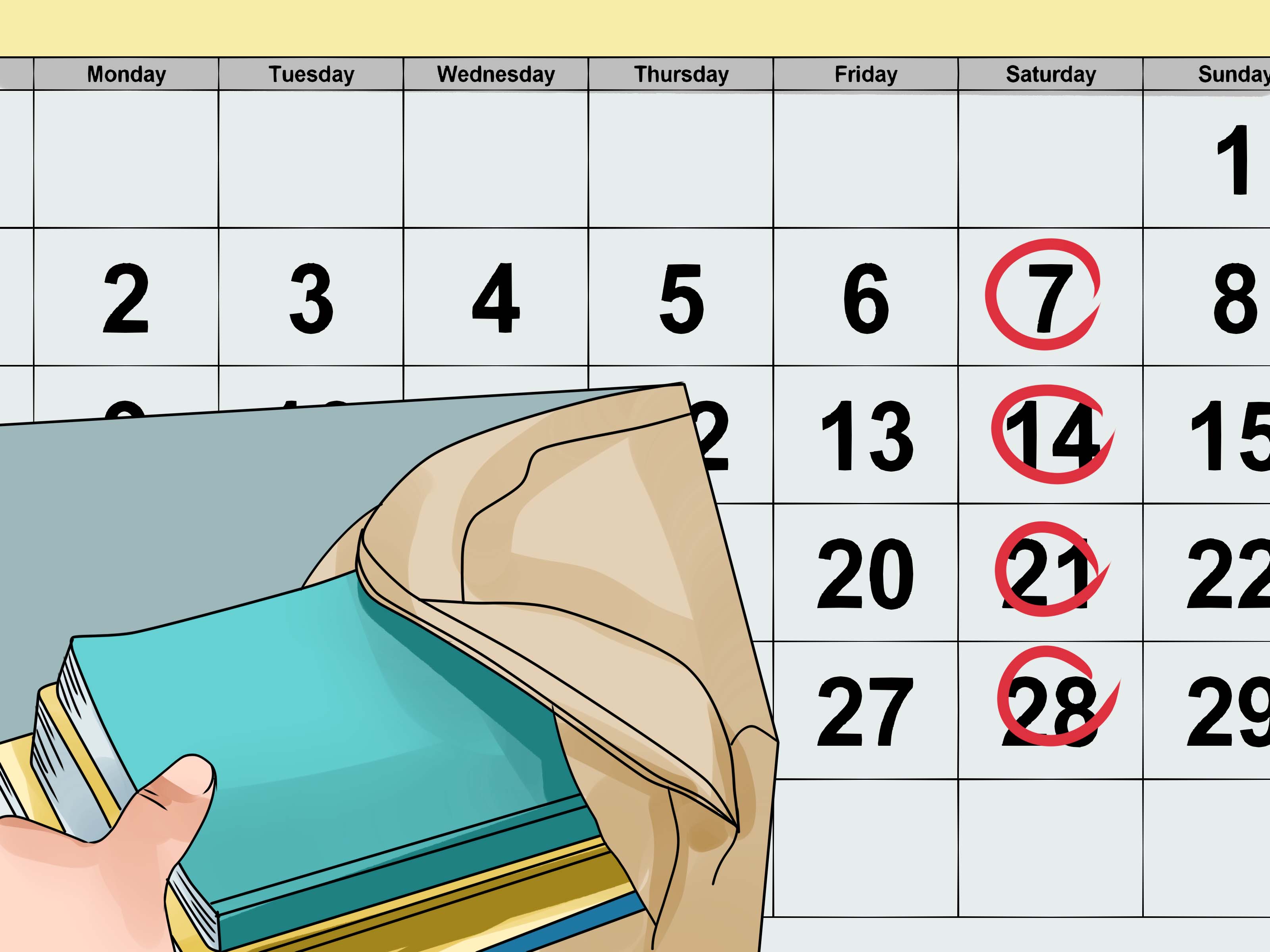
This simple habit can turn a heavy backpack into a manageable one in less than ten minutes.
Use Both Shoulder Straps Every Time
Wearing a backpack on one shoulder may look casual, but your spine is not impressed. One-strap carrying shifts weight unevenly, which can strain the neck, shoulders, and back. It may also cause you to lean to one side while walking.
Use both shoulder straps, adjust them so the bag sits snugly against your back, and keep the bottom of the backpack near the lower back rather than hanging far below the waist. If the backpack bounces when you walk, the straps are probably too loose.
Adjust the Backpack So It Fits Correctly
A backpack should sit close to the body and rest comfortably between the shoulders and lower back. It should not sag like a tired grocery bag. A low-hanging backpack creates more pull on the shoulders and can make the load feel heavier.
Backpack Fit Checklist
- The backpack sits snugly against your back.
- The bottom of the bag rests near the lower back, not below the hips.
- The shoulder straps are tight enough to prevent swinging.
- The bag does not force you to lean forward.
- The straps do not dig into your shoulders.
- You can walk naturally while wearing it.
If you adjust the straps and the backpack still feels painful, the problem may be weight, size, or poor design.
Lighten School Backpacks With Better Planning
Students often carry heavy backpacks because they are trying to be prepared for every class, every assignment, and every possible teacher announcement. Planning ahead can reduce that load.
Use a Locker or Classroom Storage
If lockers are available, use them strategically. Drop off books you do not need until later. Swap materials between classes. Even one fewer textbook can make a noticeable difference.
Ask About Digital Options
Many schools now use digital textbooks, online worksheets, learning platforms, and shared documents. If allowed, use digital materials instead of carrying printed copies. A tablet is not weightless, but it may replace multiple books and folders.
Keep a Second Set of Supplies at Home
For items used both at school and at home, consider keeping duplicates when possible. A basic set of pens, pencils, paper, and chargers at home can prevent unnecessary back-and-forth packing.
Plan Homework Before Leaving School
Before leaving for the day, check what assignments actually need to come home. Do not carry every book “just in case” if you only need one chapter from one class. Write down assignments clearly so you know exactly what to pack.
Lighten Work and Travel Backpacks Too
Heavy backpacks are not just a student problem. Office workers, college students, commuters, photographers, travelers, and gym-goers can all become backpack overpackers.
For Work or College
Carry only the devices and papers you need that day. Use cloud storage instead of printed documents when possible. Keep spare chargers at your desk, dorm, or home so you are not hauling the same cables everywhere.
For Travel
Use travel-size items, pack clothing that mixes and matches, and avoid filling every pocket just because it exists. A backpack with compression straps can help stabilize the load, but it cannot magically make six pairs of shoes reasonable.
For Hiking
Hikers should pay extra attention to fit, hip belts, chest straps, and weight distribution. Essential safety items matter, but unnecessary extras can create fatigue. Place dense items close to your back and use the hip belt to help transfer weight away from the shoulders.
Make a Daily Backpack Routine
The secret to avoiding a heavy backpack is not one heroic cleanout per year. It is a small daily routine that keeps the bag from becoming a mobile storage unit.
Every Night
- Remove trash and old papers.
- Check tomorrow’s schedule.
- Pack only what you need for the next day.
- Refill or empty your water bottle depending on when you need it.
- Charge devices outside the backpack.
Every Week
- Empty the entire backpack.
- Return books or supplies that do not belong there.
- Clean small pockets.
- Check for duplicate items.
- Weigh the backpack if it feels heavy.
This routine may sound simple, but it works because backpack weight usually grows slowly. One worksheet becomes five. One snack becomes a snack museum. One extra notebook becomes “Why is my bag heavier than my chair?” Weekly resets prevent that.
Warning Signs Your Backpack Is Too Heavy
Your body will often tell you when your backpack is too heavy. Pay attention to these signs:
- You lean forward while wearing it.
- You struggle to lift it onto your shoulders.
- You feel back, neck, or shoulder pain.
- You notice red marks where the straps sit.
- Your arms or hands feel numb or tingly.
- The backpack swings or pulls you off balance.
- You feel tired quickly while walking.
If pain continues even after lightening and adjusting the backpack, it is wise to talk with a parent, school nurse, doctor, physical therapist, or another qualified health professional. A backpack should support your day, not sabotage it.
Best Practical Tips to Avoid a Heavy Backpack
Here are the most useful backpack-lightening strategies in one place:
- Keep the backpack around 10% to 15% of body weight when possible.
- Use both shoulder straps.
- Choose wide, padded, adjustable straps.
- Pick a backpack with a padded back and multiple compartments.
- Place heavy items close to your back.
- Remove unnecessary items every day.
- Use lockers, desks, or storage spaces when available.
- Use digital materials instead of carrying extra paper.
- Keep duplicate supplies at home or work.
- Adjust straps so the bag sits snugly and does not hang low.
- Use a waist strap or chest strap for heavier loads.
- Clean out the backpack weekly.
Common Backpack Mistakes to Avoid
Mistake 1: Carrying Everything “Just in Case”
Preparedness is great. Carrying your entire desk is not. If you have not used an item in two weeks and it is not required daily, remove it.
Mistake 2: Letting Papers Pile Up
Paper seems light until it multiplies. Old worksheets, flyers, notes, and handouts can create surprising bulk. Use folders, scan important pages, and recycle what you no longer need.
Mistake 3: Ignoring Strap Adjustment
Even a lightweight backpack can feel uncomfortable if it hangs too low. Tighten the straps so the bag stays close to your back.
Mistake 4: Buying for Style Only
A backpack can look cool and still be uncomfortable. Style matters, but comfort, size, padding, compartments, and fit should matter more.
Mistake 5: Forgetting About Water Weight
Water is heavy. A large full bottle can add significant weight. Carry water when needed, but avoid hauling oversized bottles all day if you can refill a smaller one.
Real-Life Experiences: What Actually Works When Trying to Avoid a Heavy Backpack
After years of watching students, commuters, and travelers wrestle with overstuffed backpacks, one truth becomes clear: most people do not realize how heavy their bag is until they finally empty it. The backpack becomes a mystery cave. You reach inside expecting a notebook and discover three old receipts, a dead pen, a granola bar from another era, and a charger for a device you no longer own.
One useful experience is the “Sunday reset.” This is when you empty the backpack completely once a week and rebuild it from zero. At first, it feels unnecessary. Then you find out your bag was carrying two books you finished last month, a sweatshirt you forgot about, and enough loose paper to start a tiny stationery store. The Sunday reset works because it removes decision fatigue during busy mornings. Instead of grabbing a messy bag and hoping for the best, you start the week with only what you need.
Another helpful habit is packing based on the next day’s schedule, not the entire week. Many students carry all their books because they are afraid of forgetting something. A better method is to keep a checklist near the desk or inside a planner. If Monday has math, science, English, and history, only those materials go in the backpack. If Tuesday has art and gym, the bag changes. It sounds obvious, but this one habit can cut backpack weight dramatically.
For commuters, the biggest backpack problem is usually electronics. Laptop, tablet, power bank, headphones, mouse, notebook, and chargers can turn a work bag into a shoulder workout. A practical solution is to keep duplicate chargers in common places: one at home, one at work, and one in the bag only when needed. This prevents carrying a cable jungle every day. Using cloud storage also helps because fewer printed documents and backup drives are needed.
Travelers often learn the hard way that a backpack feels fine in the bedroom and terrible after two hours at the airport. The best travel test is simple: pack the bag, wear it for ten minutes, walk around the house, climb stairs if possible, and notice how your body feels. If you already hate the backpack before leaving home, it will not become charming at Gate B17. Remove items before the trip, not after your shoulders file a complaint.
Students can also benefit from the “one-folder rule.” Instead of carrying many half-empty folders, use one organized accordion folder or a slim binder divided by subject. This keeps papers neat without adding unnecessary bulk. At the end of each week, move old papers to a home file or digital scan. Your backpack should carry today’s work, not your academic autobiography.
Another real-world trick is to pack snacks carefully. Snacks are good. Emergency snacks are understandable. But five snacks, two bottles, and a lunch container can add up fast. Use lighter containers, bring what you will actually eat, and avoid leaving old food in the bag. Your back and your nose will both appreciate this decision.
The biggest lesson from real experience is that avoiding a heavy backpack is not about being perfectly minimalist. It is about being intentional. You do not need to carry less than everyone else. You need to carry what supports your day without making your body pay for it. A good backpack routine gives you more comfort, better organization, and fewer moments of wondering why your shoulders feel like they just moved furniture.
Conclusion: Lighten the Load, Save Your Back
Learning how to avoid a heavy backpack is a simple but powerful way to protect your comfort, posture, and energy. The key is to choose a supportive backpack, keep the weight reasonable, wear both straps, adjust the fit correctly, and remove unnecessary items before they become permanent cargo.
A backpack should make your day easier. It should help you carry what matters, not turn every walk into a fitness challenge you never signed up for. With smarter packing, regular cleanouts, and a few practical habits, you can keep your backpack lighter, safer, and much less dramatic.













