
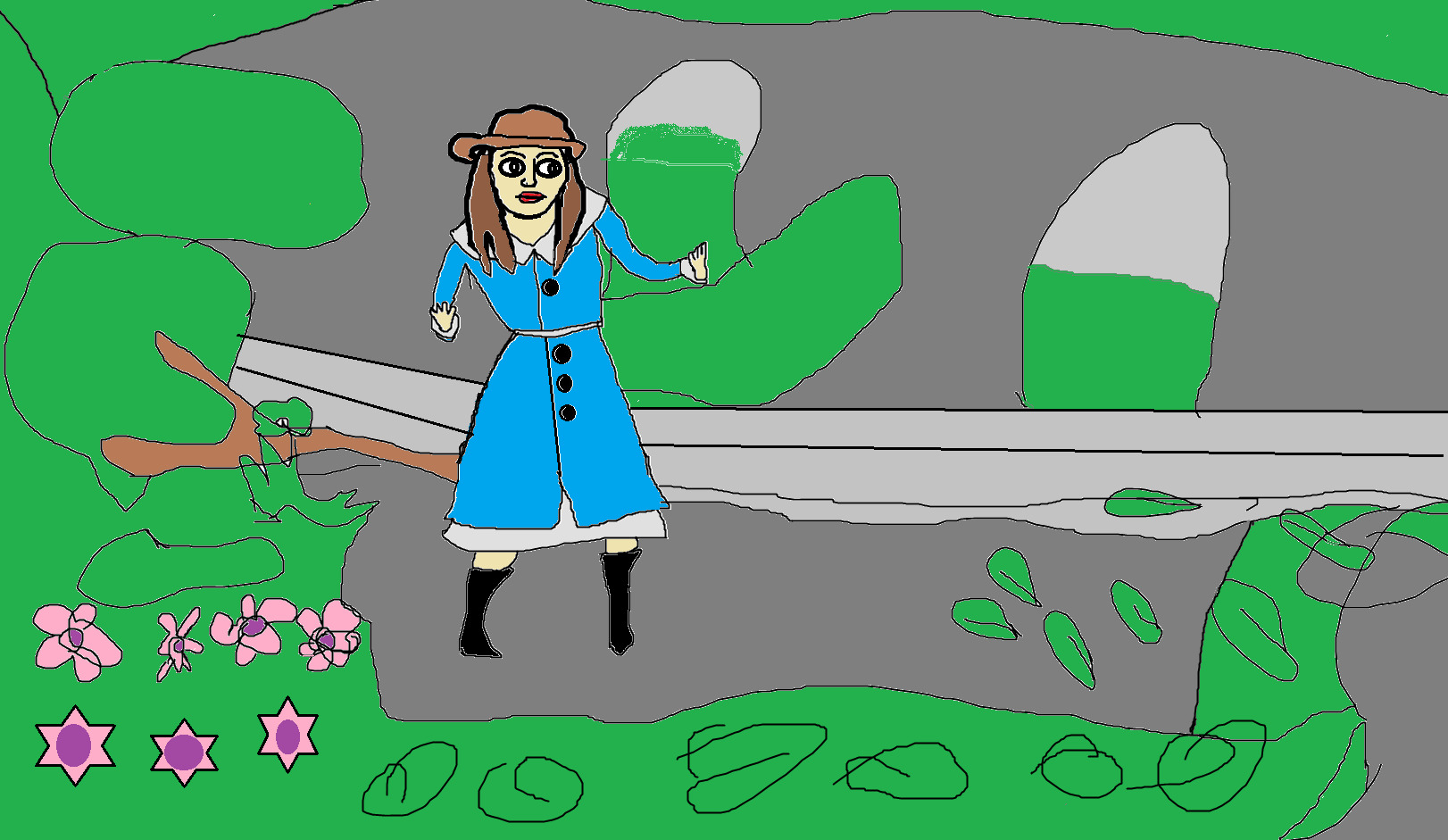
Note: This article is written as a first-person creative reflection and drawing guide inspired by Frances Hodgson Burnett’s classic novel The Secret Garden.
There are normal afternoon activities, and then there is the strangely heroic decision to spend 3-4 hours drawing The Secret Garden book like your pencil owes Frances Hodgson Burnett rent money. I chose the second option. Was it peaceful? Mostly. Was it dramatic? Absolutely. Did I begin with a clear plan and end with eraser crumbs, stiff fingers, and a suspiciously emotional attachment to a garden gate? Also yes.
Drawing The Secret Garden is not just about copying a book cover or sketching a few roses. It is about stepping into one of literature’s most beloved hidden spaces and trying to translate its mood into lines, shadows, leaves, and tiny details that whisper, “Something magical is happening here, but please sharpen your pencil first.” The novel itself follows Mary Lennox, a lonely and disagreeable child who arrives at Misselthwaite Manor and slowly changes through friendship, fresh air, nature, and the discovery of a locked garden. That emotional transformation makes the book a dream subject for artists, readers, students, and anyone who enjoys turning a blank page into a tiny world.
In this article, I’ll walk through what it felt like to spend several focused hours drawing The Secret Garden book, why the story works so beautifully as visual inspiration, what details matter most, and how a simple drawing session can become part book review, part art practice, and part personal therapy sessionwith fewer invoices than actual therapy.
Why “The Secret Garden” Is Such a Beautiful Book to Draw
The Secret Garden has the kind of imagery that practically grabs your sketchbook and says, “Excuse me, we have work to do.” A gloomy manor, a hidden key, a locked door, a robin, tangled vines, sleeping roses, spring flowers, and children discovering life againthis is not a story that sits quietly in black-and-white text. It grows pictures in your head.
The book’s central symbol is the garden itself. At first, it is shut away, neglected, and mysterious. As Mary begins caring for it, the garden becomes a place of healing and renewal. That gives an artist a lot to play with: contrast, texture, mood, before-and-after symbolism, and the balance between wildness and hope. You can draw the garden as dark and overgrown, bright and blooming, or somewhere in betweenlike it is just waking up from a long nap and has not yet had coffee.
Another reason the novel works well for drawing is its emotional clarity. Mary’s transformation is visible. She begins closed-off and cranky, but nature and friendship soften her. Colin changes too, moving from fear and isolation toward confidence and strength. Dickon, with his love of animals and the outdoors, brings a gentle, earthy energy to the story. These characters are not just people; they are visual moods. Mary can be drawn with sharp lines at first and softer shapes later. Colin can be surrounded by heavy indoor shadows before stepping into light. Dickon almost demands birds, squirrels, and a breeze that somehow knows his name.
Planning the Drawing: From Blank Page to Bookish Blueprint
Before putting pencil to paper, I had to decide what I was actually drawing. “The Secret Garden book” can mean several things. It could be a realistic drawing of the physical book. It could be an illustrated cover design. It could be a scene from the story. It could even be a fan-art style composition with Mary, the robin, the key, and the secret door all arranged like a literary treasure map.
I chose a cover-inspired composition: an old book standing slightly open, with vines curling around it and a small garden door appearing inside the pages. The idea was to make the book look as if it contained a living place. That choice gave me three visual layers: the physical object, the garden world, and the symbolic feeling of discovery.
My Rough Layout
The first 20 minutes were all about structure. I lightly sketched the rectangle of the book, the curve of the pages, and the position of the garden door. I placed the door slightly off-center because perfect symmetry can sometimes look stiff. Around it, I mapped vines, leaves, and roses. I also added a small key near the bottom corner because a secret garden without a key feels like a mystery novel missing the suspicious butler.
At this stage, the drawing looked unimpressive. That is normal. Early sketches often look like a committee of nervous noodles. The goal is not beauty yet; it is placement. Where does the eye go first? Is the composition balanced? Is there enough room for details? Can the viewer understand the idea within three seconds? If the answer is yes, you keep going. If the answer is no, you erase, sigh dramatically, and keep going anyway.
The Most Important Visual Elements to Include
When drawing The Secret Garden, certain details carry more meaning than others. You do not need to include everything from the novel. In fact, trying to include every room, character, flower, and emotional revelation would turn your artwork into a very crowded garden party. Instead, choose a few strong symbols.
1. The Locked Door
The door is one of the most powerful images in the story. It represents secrecy, curiosity, and the beginning of change. In a drawing, the door can be weathered, half-hidden by ivy, or glowing slightly with mystery. I gave mine a rounded top, old wooden panels, and vines creeping over the edges. The more aged it looked, the more magical it felt.
2. The Key
The key is small but important. It suggests access, discovery, and courage. In my drawing, I placed the key in the foreground so it felt like an invitation. A viewer should almost want to pick it up. Drawing a key also gives you a chance to practice metallic shading, which is fun until you realize metal is basically light having a complicated conversation with itself.
3. The Robin
The robin helps guide Mary toward the garden, so including it adds warmth and story movement. I perched a tiny robin on one side of the open book. It immediately made the drawing feel friendlier, as if the bird were saying, “I know where the plot is hidden.”
4. Roses, Ivy, and Spring Growth
Plants are essential. The Secret Garden is a story about growth, so the artwork should feel alive. I used curling ivy to frame the composition and added roses near the door. For variety, I mixed round leaves, thin stems, small buds, and larger blossoms. This helped the drawing avoid the dreaded “same leaf repeated forever” effect, also known as botanical boredom.
How I Built the Drawing Over 3-4 Hours
A 3-4 hour drawing session sounds long until you are actually inside it. Then time behaves like a mischievous woodland creature. One minute you are sketching the book outline, and the next you realize you have spent 37 minutes shading one leaf that nobody may ever notice. But that is part of the charm.
Hour One: Sketching the Main Shapes
The first hour focused on proportions. I drew the book lightly, adjusted the page angles, and made sure the door did not look like it was floating in space. I also blocked in the vines and flowers. This stage required patience because mistakes here would become bigger problems later. A crooked book can be charming; a book that appears to be melting into another dimension is a different genre.
Hour Two: Adding Story Details
During the second hour, the drawing began to feel like The Secret Garden. I added the key, the robin, old hinges, page lines, flower clusters, and little cracks in the door. These small details gave the piece personality. The drawing shifted from “generic garden book” to “a specific tribute to Burnett’s world.”
This is where observational drawing skills matter. You start noticing that leaves are not just green ovals, doors are not just rectangles, and book pages curve in layered waves. Drawing teaches you to slow down and look carefully. That is one reason art museums and educational programs often encourage slow looking and sketching: the longer you look, the more you see.
Hour Three: Shading, Texture, and Mood
The third hour was all about depth. I shaded under the book to ground it, darkened the spaces between pages, and added soft shadows around the garden door. I used darker pencil pressure near the vines and lighter shading around the open page area to create a gentle glow. The goal was not photorealism. It was atmosphere.
Texture made the drawing come alive. The wooden door needed grain lines. The old book cover needed worn edges. The leaves needed veins. The roses needed layered petals. Even tiny imperfections helped. A perfect secret garden would look too polished. The charm is in the slightly wild, slightly forgotten feeling.
Hour Four: Final Touches and Tiny Artistic Panic
The final stretch was a mix of cleanup and panic. I erased extra guidelines, strengthened the main outlines, and added highlights. I also stepped back several times to check the overall composition. This is important because when you stare too closely at one rose for too long, your brain begins to believe that rose is the entire universe.
Final touches included darkening the keyhole, softening the page shadows, adding a few loose petals, and making the robin’s shape clearer. I stopped before overworking the drawing, which is difficult because artists are famously tempted to add “just one more detail” until the paper files a complaint.
What Drawing the Book Taught Me About the Story
Reading The Secret Garden is one experience. Drawing it is another. When you draw the book, you interact with its symbols in a slower, more physical way. You are not just thinking, “The garden represents healing.” You are drawing the tangled vines that suggest neglect, the new buds that suggest hope, and the open pages that suggest imagination.
The process made me appreciate how visual the novel is. Burnett’s story works because it gives readers strong images: a lonely child in a strange house, a robin hopping through the garden, a hidden door in a wall, and a neglected space slowly returning to life. These images are simple enough for children to understand but rich enough for adults to revisit. That is one reason the book remains a classic.
It also reminded me that creativity does not have to be fast to be worthwhile. We live in a world of instant posts, quick edits, and scroll-friendly content. Spending 3-4 hours on one drawing feels almost rebellious. It says, “I am going to sit here with a pencil and a fictional garden, and society will simply have to cope.”
Tips for Drawing “The Secret Garden” Book Yourself
If you want to create your own The Secret Garden book drawing, start with a clear idea but leave room for discovery. The best drawings often improve as you work. You may begin with a book cover and end with a full garden scene. You may plan three roses and accidentally draw twenty-seven. These things happen. The roses are in charge now.
Choose One Main Focus
Pick one dominant subject: the door, the book, Mary, the garden, the key, or the robin. A strong focus keeps the artwork readable. If everything is equally important, nothing stands out.
Use Symbols Instead of Overcrowding
You do not need to draw the entire plot. A key, a door, and a few growing vines can communicate the heart of the novel. Symbolic drawing often feels more elegant than literal drawing.
Practice Leaves Before Adding Them
Leaves look easy until you draw 40 of them and realize half resemble confused spoons. Practice a few shapes first: oval leaves, pointed leaves, curled leaves, and tiny buds. Then mix them naturally.
Let the Drawing Feel Handmade
Do not chase perfection so aggressively that the art loses warmth. A handmade drawing should have personality. Slightly uneven vines, imperfect petals, and textured shading can make the piece feel alive.
Why This Topic Works for Readers, Artists, and Book Lovers
An article about spending 3-4 hours drawing The Secret Garden book may sound niche, but it connects with several audiences. Book lovers enjoy revisiting a classic. Artists enjoy process details. Students can use the idea for literature projects. Parents and teachers can turn it into a creative activity. Fans of cozy hobbies may simply enjoy the idea of slowing down with a pencil, a cup of tea, and a garden that does not require actual weeding.
The topic also blends literature and visual creativity, which is excellent for engagement. Instead of only reviewing the book, it shows how the story can inspire a hands-on project. That makes the content more personal and practical. Readers come away with both appreciation for the novel and a possible art idea of their own.
My 500-Word Experience: What It Really Felt Like Spending 3-4 Hours Drawing “The Secret Garden” Book
By the time I finished the drawing, I felt like I had personally unlocked the garden, negotiated with the ivy, and served as emotional support staff for a fictional robin. The experience was much more immersive than I expected. At first, I thought I was simply going to draw a pretty book-inspired picture. But after the first hour, the project became less about making something impressive and more about staying inside the mood of the story.
The hardest part was not the door, the key, or even the flowers. The hardest part was keeping the whole drawing balanced. When you draw a scene inspired by The Secret Garden, it is easy to fall in love with tiny details. One vine becomes five. Five leaves become thirty. Suddenly, the book has disappeared under a leafy invasion, and you are no longer an artistyou are a landscape maintenance worker with graphite on your hands.
I had to remind myself that white space matters. The blank areas around the book helped the detailed garden elements stand out. The lighter spaces made the darker shadows feel intentional. This was a good lesson: art is not only about what you add. It is also about what you leave alone. A quiet corner of the page can be just as important as a carefully shaded rose.
Another memorable part was drawing the old wooden door. I wanted it to look mysterious but not scary. That balance matters because The Secret Garden is not a horror story. The hidden garden is secret, yes, but it is also hopeful. So I used shadows around the edges of the door and softer lines near the center. I added cracks and wood grain, but I avoided making it look too dark. The result felt like a door that had been waiting patiently for the right person to arrive.
The robin was the most charming challenge. It was tiny, but it changed the entire feeling of the drawing. Without it, the image looked pretty but still. With the robin, it felt like something was about to happen. That tiny bird gave the artwork movement, personality, and a little wink of story magic. It reminded me that small details can carry big emotional weight.
After about three hours, my hand was tired, my eraser looked like it had survived a small natural disaster, and my desk had become a museum of pencil shavings. Still, I did not want to stop. That is the strange joy of a focused creative project. Once the drawing starts breathing, you want to keep helping it come alive.
In the end, spending 3-4 hours drawing The Secret Garden book felt like rereading the novel through my hands. I noticed the story’s symbols more deeply. I appreciated the patience behind both gardening and drawing. Most of all, I remembered that creativity does not need to be rushed. Sometimes the best way to enjoy a classic book is not only to read it, but to sit with it, sketch it, shade it, and let it grow slowly on the page.
Conclusion
Drawing The Secret Garden book for 3-4 hours was a surprisingly rich creative experience. It combined reading, imagination, observation, and patience into one peaceful but slightly pencil-dusty adventure. The novel’s themes of growth, healing, friendship, and discovery make it perfect for visual interpretation. Whether you draw the locked door, the key, the robin, or a blooming garden rising from the pages of a book, the project invites you to slow down and notice details.
For artists, it is a wonderful exercise in composition and texture. For book lovers, it is a new way to connect with a classic. For beginners, it proves that meaningful art does not require perfect technique. It requires attention, curiosity, and the willingness to keep going even when your first vine looks like a confused noodle.
In the end, The Secret Garden is about hidden life returning to the surface. A drawing session can feel the same way. You begin with a blank page. You add a line, then another. Slowly, a world appears. And when it finally does, you understand the magic of the garden a little better.










