
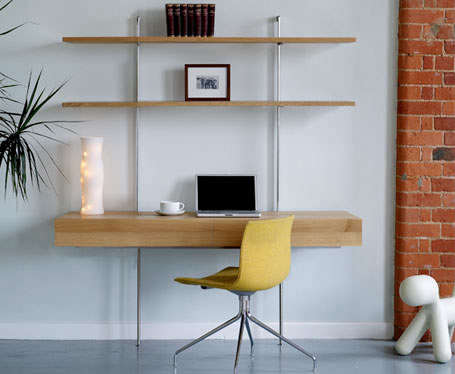
Office furniture has one job that sounds simple and turns out to be surprisingly heroic: help people work comfortably without turning the room into a warehouse of sad desks and squeaky chairs. That is where the idea of Office: Otto Furniture becomes useful. Whether you are searching for Otto-branded office chairs, Otto-style desks, or a clean modern workspace inspired by compact, functional furniture, the goal is the same: build an office that looks sharp, supports real work, and does not punish your back by 3 p.m.
Modern office furniture is no longer only about a desk, a chair, and a filing cabinet that looks like it was emotionally damaged in 1987. Today, a good workspace needs ergonomic seating, smart storage, flexible layouts, durable materials, cable control, lighting support, and enough visual warmth to make Monday morning feel slightly less like a software update you did not ask for.
This guide explores how to choose, arrange, and live with Otto office furniture in a way that supports comfort, productivity, and long-term value. It covers ergonomic principles, buying tips, layout examples, sustainability considerations, and real-world experience notes for home offices, small businesses, hybrid teams, and anyone who wants a workspace that behaves itself.
What Does “Office: Otto Furniture” Mean?
The phrase Office: Otto Furniture can point to several search intentions. Some shoppers may be looking for Otto-branded task chairs or office collections. Others may be researching an Otto furniture line, a modern office chair named Otto, or a clean furniture style that fits into home offices and business environments. Because the name appears across different furniture contexts, the smartest approach is to evaluate the furniture by what matters most: comfort, adjustability, materials, dimensions, durability, warranty, and how well it fits your work habits.
In practical terms, Otto office furniture should be judged like any serious workspace investment. A beautiful chair that makes your lower back file a complaint is not a good chair. A desk that looks impressive but cannot fit your monitor, keyboard, notebook, coffee mug, and emergency snack bowl is not a productivity tool; it is a decorative obstacle.
The best Otto furniture for an office should combine three qualities: ergonomic support, modern design, and everyday usefulness. If a piece can look good, work hard, and survive daily use, it deserves a place in the office.
Why Office Furniture Matters More Than People Think
Office furniture shapes posture, focus, movement, mood, and even how people collaborate. A badly planned workspace forces the body to adapt to the furniture. A well-planned workspace lets the furniture adapt to the body. That difference matters, especially for people who spend six, eight, or ten hours a day at a desk.
Good office furniture also affects how a space feels. A cluttered desk can make simple tasks feel chaotic. A poor chair can turn email into endurance training. A lack of storage can transform paperwork into a tabletop wildlife habitat. The right setup creates order, improves comfort, and helps the room communicate something important: work happens here, but misery is not invited.
The Ergonomic Foundation of Otto Office Furniture
Ergonomics should be the starting point for any office furniture decision. Style matters, of course. Nobody wants a workspace that looks like a forgotten break room. But ergonomics determines whether a chair, desk, or workstation actually supports the person using it.
Choose a Chair That Supports the Spine
An office chair should support the natural curve of the spine, especially the lower back. Look for adjustable seat height, supportive backrest shape, stable base, smooth rolling casters, and armrests that can be positioned without forcing the shoulders upward. A chair with lumbar support is especially helpful for long work sessions.
If you are considering an Otto office chair or Otto-style task chair, check whether it offers height adjustment, tilt control, adequate padding, breathable upholstery, and a backrest that encourages upright but relaxed posture. The best chair is not the one that looks most executive. It is the one that disappears under you because it simply works.
Match the Desk to the User, Not the Other Way Around
A desk should provide enough surface area for daily tools without encouraging clutter. For most office users, that means room for a monitor or laptop stand, keyboard, mouse, notebook, phone, and a bit of open writing space. If the desk is too high, shoulders may rise and wrists may bend awkwardly. If it is too low, the user may hunch forward.
Adjustable-height desks are useful because they allow workers to alternate between sitting and standing. However, a standing desk is not magic furniture. Standing badly all day is just sitting badly with more shoe involvement. The real benefit comes from movement: changing posture, taking short breaks, and arranging equipment correctly.
Place the Monitor, Keyboard, and Mouse Correctly
The monitor should generally sit directly in front of the user, about an arm’s length away, with the top of the screen near eye level. The keyboard and mouse should allow the elbows to rest close to the body and the wrists to remain neutral. If a laptop is the main device, a separate keyboard and mouse can make a major difference, especially when the laptop is raised on a stand.
This is where a thoughtful Otto office setup shines. A clean desk, a supportive chair, and a properly placed screen can make the workstation feel calmer and more efficient. It is not glamorous, but neither is neck pain.
Key Otto Office Furniture Pieces to Consider
A complete office does not need dozens of furniture items. In fact, too much furniture can make a room feel cramped and visually noisy. The best setup starts with the essentials and adds only what improves comfort, storage, or workflow.
1. Task Chair
The task chair is the workhorse of the office. It should be adjustable, stable, and comfortable for long periods. Look for a seat that supports the thighs without pressing behind the knees, a backrest that follows the spine, and controls that are easy to reach while seated.
2. Work Desk
The desk should match the type of work being done. Writers, designers, accountants, managers, and remote workers all use desks differently. A compact desk may be perfect for a laptop-based home office, while a larger workstation may be needed for dual monitors, paperwork, and desktop accessories.
3. Storage Cabinet or File Unit
Storage is the difference between “organized professional” and “person who owns twenty-seven mystery folders.” A mobile pedestal, filing cabinet, sideboard, or low storage unit can keep documents and supplies accessible without swallowing the room.
4. Bookcase or Display Shelf
A bookcase adds vertical storage and personality. It can hold reference books, binders, office supplies, awards, plants, and carefully selected objects that say, “I am productive,” not “I panic-bought décor at midnight.”
5. Meeting or Guest Seating
If clients, teammates, or visitors enter the office, guest seating matters. Choose chairs that are comfortable but not so lounge-like that every meeting becomes a nap proposal. Side chairs with supportive backs and durable upholstery usually work well.
Designing an Otto-Inspired Office Layout
The best furniture can still fail in a poor layout. Office planning should begin with the way the space is used. Is it a home office for video calls? A small business workspace? A hybrid team hub? A private executive office? Each version needs a different furniture strategy.
For a Home Office
A home office should feel professional without fighting the rest of the home. Choose a desk that fits the room scale, a chair that can be adjusted properly, and storage that hides visual clutter. If the workspace is in a bedroom or living room, lighter furniture profiles can prevent the office from taking over the space.
For a Small Business Office
Small business offices benefit from modular furniture. Desks, mobile storage, compact meeting tables, and stackable or lightweight guest chairs allow the space to change as the team grows. The furniture should be durable enough for daily use and simple enough to rearrange when the office needs to host meetings, training, or focused work.
For a Hybrid Workplace
Hybrid offices need flexibility. Employees may come in on different days, use shared desks, take video calls, collaborate in groups, and then need quiet focus time. Furniture should support zones: individual workstations, small meeting areas, phone booths or quiet corners, and casual collaboration spots.
In this setting, Otto-style furniture works best when it is clean-lined, movable, and easy to maintain. Think practical chairs, adaptable desks, storage that can be shared, and meeting furniture that does not require a professional wrestling team to move.
Materials, Durability, and Sustainability
Office furniture should be built for real use. A chair may look great online, but the questions that matter are more practical: Will the fabric wear well? Does the frame feel stable? Are the casters suitable for the floor? Is the desk surface resistant to scratches? Can parts be replaced? Is there a warranty?
Sustainability is also becoming a major factor in office furniture decisions. Businesses and homeowners increasingly look for low-emitting materials, responsible manufacturing, recycled content, durable construction, and furniture that can be repaired instead of thrown away. A longer-lasting chair or desk is often the greener choice because it reduces replacement waste.
When comparing Otto furniture or similar office pieces, look for information about materials, certifications, emissions, warranty terms, and care instructions. If a product description says “premium quality” but gives no details, treat that phrase like a suspiciously cheerful voicemail from your internet provider.
How to Choose Otto Office Furniture: A Practical Checklist
Before buying, measure the room carefully. Include doorways, windows, outlets, walking paths, and the space needed to pull out a chair. A desk that technically fits but blocks a cabinet, radiator, or closet door will become annoying quickly.
Next, list the tasks performed in the office. Someone who mostly writes emails needs a different setup than someone editing video, reviewing blueprints, packing orders, or meeting clients. Furniture should support the job, not just fill the room.
Ask These Questions Before Buying
- Does the chair adjust to the user’s height and body type?
- Does the desk provide enough work surface without overcrowding the room?
- Is there enough storage for documents, supplies, and technology accessories?
- Can cables be managed safely and neatly?
- Will the materials handle daily wear?
- Does the furniture match the style of the home or office?
- Is the warranty clear and reasonable?
This checklist prevents the classic office furniture mistake: buying based on a beautiful product photo where nobody owns chargers, paper, coffee, mail, or human responsibilities.
Specific Examples of Otto Office Furniture Setups
The Minimal Home Office
A minimal Otto office setup might include a compact writing desk, an adjustable task chair, a small rolling cabinet, a monitor riser, and a desk lamp. This is ideal for remote workers, freelancers, students, and anyone with limited space. The key is to keep the surface clear and store supplies nearby but out of sight.
The Professional Client Office
For a consultant, advisor, or small business owner, the office needs to look polished and feel welcoming. A larger desk, ergonomic chair, two guest chairs, closed storage, and a low bookcase can create a professional atmosphere. Add warm lighting and a few personal objects to avoid the “tax audit waiting room” effect.
The Creative Studio
A creative office needs room to spread out. A wide desk, mobile storage, open shelving, pinboards, and flexible seating can help designers, writers, marketers, and makers move between digital and hands-on tasks. The furniture should be sturdy, easy to clean, and flexible enough to handle changing projects.
The Hybrid Team Zone
For teams, choose shared worktables, adjustable chairs, mobile whiteboards, compact storage, and small meeting tables. The layout should allow quick shifts from solo work to collaboration. Acoustic panels, soft seating, and plants can help reduce the harshness of open spaces.
Common Mistakes to Avoid
The first mistake is buying the cheapest chair and hoping enthusiasm will provide lumbar support. It will not. A weak chair can become expensive when it causes discomfort, distraction, or early replacement.
The second mistake is ignoring measurements. Furniture that looks normal online can feel enormous in a small room. Always measure twice, then measure again while emotionally prepared for reality.
The third mistake is forgetting storage. Without storage, even the nicest desk becomes a landing zone for receipts, chargers, sticky notes, and mysterious cables that may or may not belong to devices you still own.
The fourth mistake is choosing style over function. Beautiful furniture is wonderful, but office furniture must earn its keep. If a chair is uncomfortable, a desk is too shallow, or a cabinet cannot hold what you need, the design has failed.
Maintenance Tips for Otto Office Furniture
Good furniture lasts longer when it is maintained. Vacuum fabric chairs, wipe desk surfaces with appropriate cleaners, tighten loose screws, check chair casters, and keep metal parts dry. Use coasters, desk mats, and cable clips to protect surfaces and reduce clutter.
For upholstered chairs, check cleaning instructions before using products. For wood or wood-look desks, avoid harsh chemicals that may damage the finish. For adjustable chairs, learn how the controls work. Many people own ergonomic chairs but never adjust them, which is like buying a piano and using it as a shelf.
Experience Notes: Living With an Otto-Inspired Office Setup
After setting up an Otto-inspired office, the first thing most people notice is not the furniture itself but the absence of small daily irritations. The chair does not fight the body. The desk has enough surface area. The storage has a place for the items that used to roam freely like office raccoons. The room begins to feel intentional.
In a practical home office, the best experience often comes from combining a clean-lined Otto-style desk with a highly adjustable task chair. The desk provides visual calm, while the chair does the invisible work of supporting long hours. A monitor stand or adjustable arm can make the setup feel more professional almost immediately. Once the screen is at the right height, video calls look better, typing feels easier, and the shoulders stop trying to become earrings.
Storage changes the experience more than expected. A small cabinet or sideboard keeps paperwork, notebooks, printer supplies, and backup cables from spreading across the desk. This matters because visual clutter creates mental clutter. When the office is tidy, starting work feels easier. You sit down, open the laptop, and begin. There is no archaeological dig through yesterday’s mail.
Lighting also plays a huge role. A desk near natural light feels energizing, but glare can be a problem. The best setup places the monitor away from direct glare and uses a task lamp for focused work. Warm ambient light helps the office feel less sterile in the evening. In small rooms, this can make the difference between “productive workspace” and “interrogation chamber with Wi-Fi.”
For shared or hybrid offices, the experience is slightly different. Furniture needs to be intuitive. People should be able to adjust chairs, find power access, store personal items temporarily, and move between tasks without asking for a tutorial. Lightweight tables, mobile storage, and simple seating make the space more flexible. When a team can rearrange the room for a meeting, workshop, or quiet work session, the furniture becomes a tool instead of a fixed obstacle.
One lesson becomes clear quickly: comfort is personal. A chair that feels perfect to one person may not work for another. That is why adjustability is so valuable. Seat height, back support, tilt tension, arm position, and foot support can transform the same chair into a much better fit. In an office with multiple users, adjustable furniture is not a luxury; it is basic courtesy with wheels.
The most satisfying Otto office furniture setup balances function and atmosphere. It looks good enough to appear in the background of a video call, but it also handles real life: coffee, deadlines, notebooks, chargers, meetings, and the occasional snack that was definitely intended to be lunch. The result is a workspace that feels calm, capable, and human.
Conclusion
Office: Otto Furniture is more than a keyword or furniture label. It represents a practical approach to building a better workspace: choose office furniture that supports the body, fits the room, improves organization, and looks good without trying too hard. The best Otto office setup combines an ergonomic chair, a properly sized desk, smart storage, good lighting, and flexible layout choices that match the way people actually work.
Whether you are designing a home office, refreshing a small business workspace, or planning a hybrid team environment, focus on comfort first, then durability, then style. When those three work together, the office becomes easier to use and easier to enjoy. And if your chair no longer squeaks like it is narrating a haunted house, that is a productivity win worth celebrating.














