
If you had to guess which pop star would launch a podcast about ghosts, aliens, witches, haunted hotels, spiritual portals, occult history, past lives, and possibly the emotional needs of demonic dolls, Kesha would not simply be on the shortlist. She would be the glitter-covered host waiting at the front door with a microphone, a crystal, and the absolute confidence of someone who has already booked the haunted room.
Kesha and the Creepies, her iHeartRadio podcast, is exactly the kind of project that sounds like a joke until you realize it makes almost too much sense. Kesha has never been just a pop singer with party anthems and eyeliner. Her public persona has always blended chaos, humor, vulnerability, rebellion, spirituality, and a taste for the strange. So when she decided to sit down with celebrities, paranormal investigators, musicians, comedians, spiritual thinkers, and supernatural experts to talk about the unexplained, the result was not a random side quest. It was a very Kesha-shaped doorway into the weird.
And yes, the podcast is about ghosts. But it is also about belief, identity, trauma, art, curiosity, fear, friendship, death, and the funny little human habit of wanting proof that the universe is not just one big waiting room with fluorescent lighting.
What Is Kesha and the Creepies?
Kesha and the Creepies launched through the iHeartPodcast Network in November 2020. The premise was simple on paper and deliciously unhinged in practice: Kesha talks with guests about supernatural experiences, occult subjects, unexplained mysteries, urban legends, astrology, psychedelic art, alternative spirituality, and other topics that usually make one person in a group chat type, “Okay, but hear me out.”
The show’s first season brought in an eclectic lineup. Alice Cooper appeared early, which feels right because if anyone can casually discuss the spooky side of show business while sounding like he just wandered out of a velvet-lined crypt, it is Alice Cooper. Other guests connected to the podcast’s orbit included Demi Lovato, Tyler Henry, Whitney Cummings, Trippie Redd, Phoebe Bridgers, Big Freedia, Ben Folds, Margaret Cho, Kelly Osbourne, Amy Bruni, Gabby Bernstein, and more. That mix tells you everything: this is not a dusty “ghost caught on tape” format. It is part celebrity hangout, part paranormal salon, part spiritual rummage sale, and part late-night sleepover where someone definitely says, “Do you think mirrors are portals?”
The official description frames the show around supernatural subjects and alternative lifestyles, with Kesha’s curiosity driving conversations through nontraditional spirituality, psychedelic art, and all things creepy. That is the key word: curiosity. The podcast works best when it is not trying to prove anything with a courtroom-level argument. It works when it lets people tell their stories, laugh at the absurdity, and still leave the door cracked open for possibility.
Why Kesha Is the Perfect Host for a Ghost Podcast
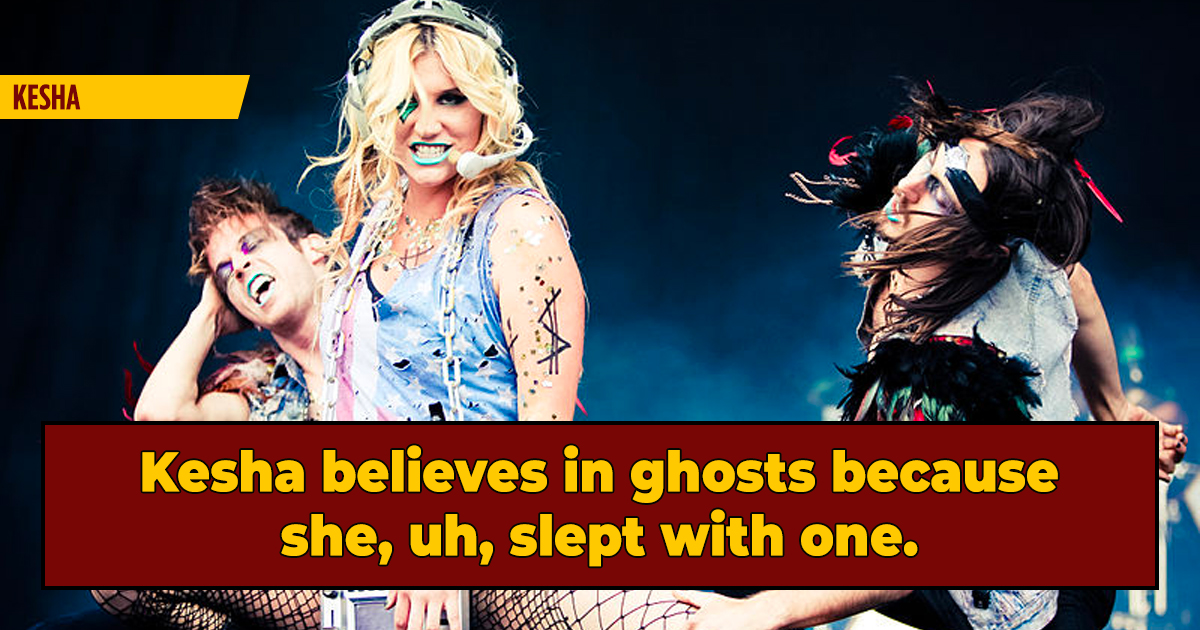
Celebrity podcasts can sometimes feel like a publicist put a microphone in a room and hoped charisma would arrive by mail. Kesha and the Creepies avoids that trap because the subject matter fits Kesha’s public mythology. She has spoken for years about her interest in the supernatural and the unexplained. Her 2012 song “Supernatural” became part of pop-culture lore because of the ghostly story attached to it. Later, her fascination with paranormal experiences developed into the Discovery+ series Conjuring Kesha, where she visited supposedly haunted locations with famous friends and paranormal experts.
That matters because audiences can smell fake enthusiasm. Kesha does not sound like someone reading spooky topics off a content calendar. She sounds like someone who has genuinely spent too much time thinking about ghosts, aliens, the afterlife, and whether the universe is trying to text us through static. In other words, she brings the exact energy a paranormal podcast needs: open-minded, dramatic, self-aware, and just silly enough to keep the séance from turning into a staff meeting.
Her humor also prevents the show from becoming too heavy. Many paranormal conversations can slide into either exaggerated seriousness or total parody. Kesha finds a middle lane. She can talk about death, spirit guides, exorcisms, haunted hotels, and strange childhood experiences, then pivot into a joke without making the topic feel cheap. That tonal balance is what makes the podcast “something else” in the best way.
The Best Part Is the Guest List Gets Weird Fast
The guest list is one of the podcast’s strongest SEO-friendly talking points because every episode feels like a different genre wearing a fake mustache. With Phoebe Bridgers, the conversation leans into death, art, and the emotional atmosphere of songwriting. With Big Freedia, the show explores New Orleans spirituality and the difference between good and bad voodoo. With Ben Folds, Kesha gets into science, miracles, and the strange magic people attach to meaning. With Amy Bruni, the vibe becomes more classically paranormal, complete with haunted dolls and behind-the-scenes ghost-investigation lore.
Then there are episodes that sound like they escaped from a fever dream: Insane Clown Posse discussing the Dark Carnival, Margaret Cho talking about death and past life regression, Alaska Thunderfuck exploring aliens and tarot, and Kyle Kinane asking whether Bigfoot might be an advanced time-traveling human. Is that a serious anthropological theory? Probably not. Is it fantastic podcast fuel? Absolutely. Bigfoot as a time traveler is the kind of idea that should come with a snack pairing.
This variety keeps the show from becoming repetitive. One week, Kesha is in a conversation about ghosts. The next, she is talking about witches, extraterrestrials, psychic ability, death, spiritual guides, cults, dreams, or alternative communities. The podcast is less a haunted house and more a paranormal amusement park. Some rides are thoughtful. Some are ridiculous. A few may make you question whether you should sleep with the lights on or just stop listening after midnight like a responsible adult.
It Is Not Just About Being Scared
The title makes it easy to assume Kesha’s podcast is simply about ghost stories, but the deeper appeal is emotional. Ghost stories are rarely just ghost stories. They are about grief, memory, fear, unfinished business, and the hope that something continues after the body exits the chat. When Kesha talks to artists about death or spirituality, the conversations often reveal how people make meaning out of uncertainty.
That is why the podcast lands with listeners who may not even believe in ghosts. You do not have to be convinced that every haunted doll has a tiny demonic tenant to enjoy the show. You only need to understand the human impulse behind the question. Why do people want to believe? Why do certain places feel charged? Why do artists keep returning to death, transformation, and invisible forces? Why does a scary story shared between two people feel weirdly comforting?
Kesha’s gift as host is that she does not always separate the funny from the profound. She treats weirdness as a valid way to approach serious subjects. That makes the show feel less like a lecture and more like a conversation with the friend who brings tarot cards to brunch but also remembers your birthday and gives excellent life advice.
How the Podcast Connects to Conjuring Kesha
The podcast also functions as the spiritual prequel to Conjuring Kesha, the 2022 paranormal reality series that followed Kesha as she explored haunted locations with celebrity guests. The TV show expanded the podcast’s ideas into a visual format, sending Kesha and friends into places such as Brushy Mountain State Penitentiary, a haunted opera house, the Westerfeld House, and the Trans-Allegheny Lunatic Asylum.
On television, the premise became louder, scarier, and more cinematic. Kesha was no longer just talking about the unknown; she was walking into dark rooms and asking the unknown to please identify itself. Guests such as Whitney Cummings, Betty Who, GaTa, JoJo Fletcher, Karen Elson, and Big Freedia helped turn the series into a mix of fear, comedy, and celebrity field trip. The reactions were often as entertaining as the investigations. After all, watching famous people confront possible demons is a very specific modern pleasure.
The connection between the podcast and the show matters because it proves that Kesha’s paranormal obsession was not a one-off gimmick. It became a small universe. Kesha and the Creepies opened the door through conversation; Conjuring Kesha stepped through it with cameras, experts, night vision, and the occasional “absolutely not” facial expression.
Why the Podcast Works as Pop Culture
Part of what makes Kesha and the Creepies compelling is timing. The podcast arrived in 2020, a year when many people were stuck at home, rethinking life, doom-scrolling, baking bread badly, and wondering whether reality had slipped off its hinge. A podcast about the unexplained felt oddly appropriate. When the ordinary world already felt haunted, listening to Kesha discuss ghosts and cosmic weirdness did not seem like escapism. It felt like brand alignment with the universe.
The show also arrived during a wider cultural moment in which astrology apps, witchy aesthetics, spiritual wellness, paranormal documentaries, and alternative belief systems were becoming increasingly mainstream. People who once hid their tarot decks now post them next to iced coffee. Ghost-hunting shows have moved from niche cable corners into streaming menus. Celebrities talk openly about energy, signs, guides, and manifestation. In that landscape, Kesha’s podcast does not feel like a bizarre detour. It feels like a neon sign pointing toward where pop culture was already going.
Still, Kesha gives the format a distinct flavor. She is not presenting herself as a solemn expert. She is the enthusiastic guide, the curious friend, the singer-songwriter who can ask a wild question and somehow make it feel emotionally sincere. That sincerity is what separates the show from cheap novelty. It may be funny, but it is not hollow.
What Listeners Can Expect
Listeners should expect a loose, conversational podcast rather than a tightly scripted investigative series. Some episodes lean heavily into paranormal experiences. Others wander through spirituality, identity, music, comedy, and personal history. The tone can shift from spooky to ridiculous to surprisingly reflective within minutes. That may frustrate anyone looking for hard evidence and clean conclusions. But for people who enjoy weird conversations with personality, the wandering is part of the charm.
The podcast is especially enjoyable for fans of celebrity interviews that do not sound like the same five promotional questions arranged in a trench coat. Kesha encourages guests to bring odd stories and unusual beliefs to the table. The result is a show where famous people seem less polished and more human. They talk about fear. They talk about mystery. They talk about strange experiences they cannot fully explain. Sometimes they talk about aliens like aliens might be listening, which, for legal reasons, we cannot confirm.
The “Something Else” Factor
So what makes Kesha’s podcast about ghosts “something else”? It is the combination of sincerity and sparkle. A lesser version of this concept would either mock the paranormal or take it so seriously that every creaking floorboard becomes a federal incident. Kesha’s version understands that the unknown is allowed to be scary and funny at the same time.
The podcast also understands that creepy topics are often just gateways to bigger conversations. A haunted house can lead to a discussion about grief. A ghost story can become a conversation about identity. A joke about aliens can become a reflection on loneliness, wonder, and the possibility that humans are not the only weirdos in the cosmic neighborhood.
And because Kesha is Kesha, the whole thing carries a rebellious, glitter-smudged personality. It does not feel like a brand extension invented in a conference room. It feels like someone took her actual interests, gave them a microphone, and let them run barefoot into the fog.
Experiences Related to the Topic: Listening to Kesha Talk Ghosts Feels Like a Haunted Sleepover
There is a particular experience that comes with listening to Kesha and the Creepies, and it is not the same as watching a paranormal investigation show with dramatic music and night-vision footage. The podcast feels more intimate. It feels like being invited to a sleepover where everyone is older, funnier, possibly famous, and far too comfortable saying, “Okay, but this one time I saw something at the end of my bed.”
The best way to experience the show is not as a skeptic hunting for mistakes or as a believer waiting for proof. It is to listen as a curious person. Put it on while cleaning, driving, walking at night, or folding laundry in a room where one corner suddenly seems darker than it did five minutes ago. The format lets your imagination do half the work. A good ghost story on audio has a way of turning ordinary surroundings into suspicious scenery. The refrigerator hums. The floor clicks. The cat stares at nothing. Congratulations, you are now a participant.
What stands out most is how easily the show moves between celebrity culture and campfire confession. One moment you are listening because the guest is famous; the next, you are listening because the story taps into a universal feeling. Almost everyone has experienced something they could not immediately explain: a strange dream, a coincidence too specific to ignore, a room that felt wrong, a voice in the head that sounded less like thought and more like warning. The podcast lives in that space. It does not demand that you believe every detail. It simply asks whether you are willing to be curious.
That curiosity can be surprisingly refreshing. Modern life is full of people explaining things too quickly. Every mystery gets flattened into content, diagnosis, algorithm, or argument. Kesha’s ghost podcast gives listeners permission to sit with the strange for a while. Maybe the haunted doll is just a doll. Maybe the psychic impression is coincidence. Maybe the creaking sound is plumbing. Fine. But maybe the world is larger, messier, and more theatrical than our daily routines allow. That “maybe” is the fun part.
The podcast also has a comforting quality because it treats fear as something social. Scary stories are easier to hold when someone funny is holding them with you. Kesha often brings a playful, emotionally open energy that makes the unknown feel less like a threat and more like a conversation partner with terrible boundaries. Instead of turning fear into panic, the show turns it into curiosity. That is why it works so well as background listening and deep listening at the same time.
For fans, the experience can also deepen appreciation for Kesha as an artist. Her music has always played with extremes: joy and pain, glitter and darkness, humor and survival, party energy and spiritual searching. Kesha and the Creepies fits that larger creative pattern. It is weird, but it is not random. It shows an artist exploring the same questions that often haunt her songs: What happens after pain? What makes life meaningful? How do we transform fear into power? And is there, perhaps, a ghost in the room who has opinions about pop hooks?
By the end, the podcast feels less like a celebrity novelty and more like a mood. It is for people who enjoy the spooky season all year, who love a strange story, who laugh when they are nervous, and who believe that a little mystery makes life more interesting. Whether the ghosts are real is almost beside the point. The experience of listening is real: funny, eerie, messy, sincere, and wonderfully strange.
Conclusion
Kesha and the Creepies is not your average celebrity podcast, and that is exactly why it stands out. It is a paranormal talk show, a spiritual curiosity cabinet, a comedy-adjacent ghost circle, and a revealing look at Kesha’s long-running fascination with the unexplained. The show works because it does not try to sand down her personality. It lets Kesha be funny, intense, open-hearted, dramatic, and deeply curious all at once.
For listeners who want polished skepticism, this may not be the perfect match. For listeners who want weird stories, surprising guests, paranormal pop culture, and the feeling that anything could happen after the next ad break, it is a delightful trip into the strange. Kesha’s podcast about ghosts is, truly, something else. And in a world that can feel painfully predictable, “something else” might be exactly what we need.
Note: This article is an original, web-ready synthesis based on publicly available information about Kesha, Kesha and the Creepies, and Conjuring Kesha. It is written in standard American English for online publishing and does not include source-link inserts in the article body.










