
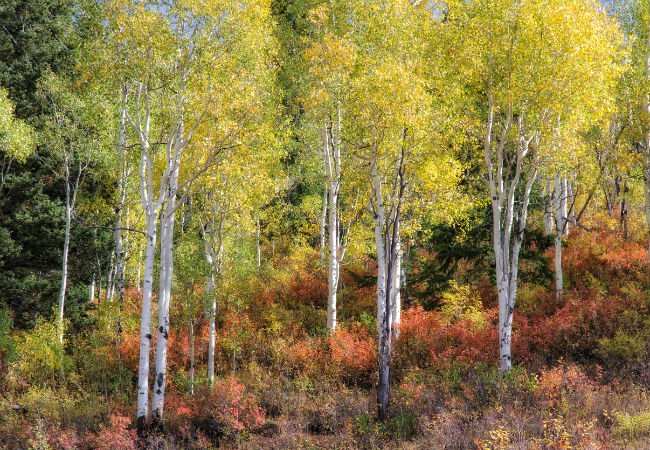
White bark trees have a rare superpower in the landscape: they look interesting even when everything else is taking a seasonal nap. In spring, their fresh leaves soften the garden. In summer, they brighten shady corners. In fall, many turn gold, amber, or buttery yellow. And in winter, when the flower beds are flat and the lawn has lost its sparkle, those pale trunks stand out like living sculpture.
Choosing the best white bark trees, however, is not as simple as grabbing the prettiest trunk at the nursery and calling it a day. Some love cool northern climates. Some tolerate heat better. Some need moisture. Some send up suckers like they are trying to start a small forest behind your garage. The good news? With the right tree in the right place, white bark can deliver year-round beauty without turning your yard into a botanical soap opera.
Below are six of the best white bark trees for American landscapes, including classic birches, elegant aspens, and big shade trees with dramatic peeling bark. Each one brings its own personality, care needs, and “wow, what tree is that?” curb appeal.
Why White Bark Trees Are So Valuable in Landscape Design
Most homeowners shop for trees by flowers, fall color, or shade. Bark is often treated like the wrapping paper instead of the gift. That is a missed opportunity. Bark gives a tree structure, texture, and winter interest. White bark is especially useful because it reflects light, contrasts beautifully with evergreens, and makes dark corners feel more intentional.
White bark trees also help create four-season design. A garden with only spring flowers can look wonderful for three weeks and then politely fade into the background. A white bark tree keeps contributing after the flowers are gone. Pair it with conifers, ornamental grasses, dark mulch, stone paths, or red-twig dogwood, and suddenly winter looks styled instead of abandoned.
1. Himalayan Birch
Best for: Bright white bark and elegant garden drama
If you want the whitest of the white bark trees, Himalayan birch is usually near the top of the list. Its bark can become exceptionally clean, bright, and papery, giving the trunk a polished look that feels almost architectural. In a well-designed garden, a small group of Himalayan birches can look like nature hired an interior designer.
Himalayan birch, especially Betula utilis var. jacquemontii, is often grown for its luminous bark. Mature trees typically reach about 30 to 40 feet tall, making them suitable for medium-sized yards where a giant shade tree would feel like it brought luggage and moved in permanently.
This tree performs best in cool climates with moist, well-drained soil. It likes full sun to partial shade, but in hotter regions, afternoon shade is a kindness, not a luxury. Mulch the root zone to keep the soil cool and evenly moist. Avoid planting it in a hot, compacted strip near pavement, where heat stress can invite insect and disease problems.
Design tip
Plant Himalayan birch against a dark evergreen backdrop. The white bark will glow in winter, and the contrast can make even a simple yard look carefully composed.
2. Paper Birch
Best for: Classic northern beauty and peeling white bark
Paper birch is the tree many people picture when they think of white bark. Native to northern North America, it has striking white bark that peels in thin, papery layers. Add yellow fall foliage, graceful branching, and a naturally woodland feel, and you have one of the most beloved ornamental trees for cool-climate landscapes.
Paper birch can grow 50 to 70 feet tall, so it needs more room than the average foundation planting. It is best used as a specimen tree, in a naturalized planting, or at the edge of a woodland garden. It is especially beautiful in small clusters, where the white trunks create rhythm and repetition.
The catch is that paper birch is not a tree for tough urban sites. It prefers cool roots, consistent moisture, and well-drained soil. Heat, drought, compacted soil, and reflected pavement warmth can stress the tree. Stressed birches are more vulnerable to bronze birch borer, a serious pest that can damage or kill weakened trees.
Paper birch is a wonderful choice if you live in a northern region and can give it the conditions it wants. In hotter climates, consider river birch cultivars instead. They may not have the same snowy-white look, but they are often far more forgiving.
Design tip
Use paper birch near native shrubs, ferns, and woodland perennials. It looks most natural when the planting around it feels relaxed rather than overly formal.
3. River Birch
Best for: Heat tolerance, peeling bark, and adaptable landscapes
River birch is the practical cousin in the white bark tree family. It may not always be pure white, but many cultivars show beautiful ivory, cream, tan, cinnamon, or almost-white peeling bark. More importantly, river birch handles heat and humidity much better than many white-barked birches.
This native tree is fast-growing, adaptable, and often grown as a single-trunk or multi-trunk specimen. In larger landscapes, river birch creates a graceful, natural look. In rain gardens, low spots, and moist areas, it can be especially useful because it tolerates wet soils better than many ornamental trees.
Standard river birch can reach 50 to 75 feet tall, but smaller cultivars are available. For a stronger white-bark effect, look at cultivars such as Heritage or Dura-Heat, both valued for attractive exfoliating bark and better performance in warmer regions. Dura-Heat is especially useful where summer heat makes classic white birches sulk like tourists without air conditioning.
River birch prefers acidic soil. In alkaline soil, its leaves may develop chlorosis, a yellowing caused by poor iron availability. Before planting, consider a soil test. If your soil pH is high, choose another tree or plan for long-term soil management.
Design tip
Use multi-stem river birch near patios, ponds, large beds, or natural drainage areas. Uplighting the trunks at night can turn the peeling bark into a landscape feature.
4. Gray Birch
Best for: Smaller spaces and chalky white bark
Gray birch is a smaller, more informal white bark tree with a naturally light, airy character. Unlike paper birch, its chalky white bark does not peel dramatically. Instead, it often develops dark triangular markings below branch bases, giving the trunk a distinctive pattern.
This tree typically grows about 20 to 40 feet tall and often appears with multiple trunks. It is native to parts of northeastern North America and can tolerate a range of soil conditions, including some dry or poor soils. That adaptability makes it useful for naturalized areas, informal gardens, and sites where a polished specimen tree would look a little too dressed up.
Gray birch is not usually a long-lived tree, but it grows quickly and brings fast visual impact. It is a good choice when you want a smaller white bark tree with a wild, woodland personality. It also works nicely in wildlife-friendly landscapes, mixed borders, and restoration-style plantings.
For ornamental use, selections such as Whitespire or related white-barked birches may offer a more refined form. As with other birches, good watering, mulch, and reduced stress are important for long-term health.
Design tip
Plant gray birch where you want a casual, natural look. It pairs well with native grasses, blueberries, serviceberries, and other plants that enjoy an informal woodland edge.
5. Quaking Aspen
Best for: Cool mountain climates and shimmering leaves
Quaking aspen is famous for its pale bark and leaves that tremble in the slightest breeze. The fluttering effect comes from flattened leaf stems, and it gives the tree a lively, sparkling quality. In fall, the foliage often turns brilliant yellow, making aspen one of the most recognizable trees in cool western and northern landscapes.
Young quaking aspens have smooth gray-white to white bark. Older trunks may become darker and more furrowed at the base. The tree can grow quickly and often reaches 40 to 50 feet tall in suitable conditions.
Here is the important part: quaking aspen is not for every yard. It prefers cool, moist conditions and dislikes heat, humidity, and dry lowland sites. It also spreads by suckering roots. In nature, that helps it form beautiful groves. In a small suburban yard, it can become a leafy family reunion you did not technically invite.
If you live in a cool mountain climate or have enough space for a natural grove, quaking aspen can be magical. If you live in a hot, humid region or have a tiny yard with close neighbors, choose carefully. The tree is gorgeous, but it does not care about property lines.
Design tip
Use quaking aspen in groups rather than as a single lonely tree. It looks most authentic when allowed to create a small grove, especially with grasses, boulders, and native perennials.
6. American Sycamore or London Planetree
Best for: Large landscapes and bold mottled bark
Not all white bark trees are birches. American sycamore and London planetree bring a completely different look: large trunks with exfoliating bark that reveals patches of white, cream, gray, olive, and tan. From a distance, mature trees can look almost camouflage-patterned, with bright upper limbs that stand out beautifully in winter.
American sycamore is a massive native shade tree that can reach 75 to 100 feet tall or more in the right setting. Its upper bark exfoliates to expose white to cream-colored inner bark, creating strong winter interest. It is best for parks, large yards, stream banks, and open landscapes where it has room to become what it wants to be: enormous.
London planetree, a hybrid related to American sycamore, is also known for mottled bark and tolerance of urban conditions. It has been widely planted in cities, though it can be too large and messy for small residential lots. Leaves, twigs, bark flakes, and fruiting balls can create cleanup, so plant it where scale and maintenance make sense.
These trees are not delicate accents. They are statement trees. If your yard is small, admire them in parks. If your property is large, they can provide shade, character, and dramatic bark for generations.
Design tip
Give sycamore or London planetree a wide lawn, meadow edge, or open park-like setting. Do not squeeze one beside a driveway and hope it behaves like a polite little ornamental.
How to Choose the Right White Bark Tree for Your Yard
The best white bark tree is not simply the whitest one. It is the one that matches your climate, soil, space, and maintenance style. Before buying, ask four practical questions.
1. Is your climate cool or hot?
Paper birch, Himalayan birch, gray birch, and quaking aspen generally prefer cooler conditions. River birch is better for warmer and more humid regions. Sycamore and London planetree tolerate a wider range but need plenty of space.
2. How much room do you have?
Gray birch and Himalayan birch fit many medium-sized yards. Paper birch and river birch need more room. Sycamore and London planetree are for large properties. A tree that is “cute” in a nursery pot can become a roof-threatening giant later. Trees are patient, but they do keep growing.
3. Is your soil moist, dry, acidic, or alkaline?
Birches often appreciate moisture and cool roots. River birch tolerates wet soil and some compaction but prefers acidic conditions. Quaking aspen struggles in hot, dry, stressful sites. A soil test can save years of disappointment.
4. How much maintenance are you willing to do?
White bark trees often look effortless, but they still need smart care. Mulch properly, water during establishment, avoid trunk wounds, and do not bury the root flare. A tree planted too deep may survive for a while, but it is essentially starting life with its shoelaces tied together.
Care Tips for Keeping White Bark Trees Healthy
Most white bark trees reward consistency. They do not need pampering, but they do need the basics done correctly.
Plant at the right depth
The root flare, where the trunk widens into the roots, should remain visible at soil level. Planting too deep can lead to decay, girdling roots, poor growth, and early decline.
Use mulch wisely
Apply a broad layer of organic mulch over the root zone, but keep it away from the trunk. Think donut, not volcano. Mulch piled against bark traps moisture and can invite rot, insects, and rodent damage.
Water during establishment
New trees need regular watering until their roots expand into the surrounding soil. Water deeply rather than sprinkling lightly every day forever. Deep watering encourages better root development.
Protect the trunk
White bark is beautiful, but bark is not armor. Lawn mower bumps, string trimmer cuts, and deer rubbing can damage the living tissue beneath. Keep grass away from the trunk and protect young trees where wildlife pressure is high.
Reduce stress
Many birch problems become worse when trees are stressed by drought, heat, compacted soil, or poor placement. The easiest pest management strategy is often choosing the right tree and keeping it vigorous.
Best Companion Plants for White Bark Trees
White bark trees look especially good when paired with plants that highlight their pale trunks. Dark evergreens, such as yews, spruce, arborvitae, and holly, create strong contrast. Ornamental grasses add movement and winter texture. Ferns, hostas, sedges, and woodland perennials soften the base of birches in partially shaded areas.
For a bold winter garden, combine white bark with red-twig dogwood, winterberry holly, switchgrass, and dark mulch. The result is a landscape that still has personality in January, which is more than can be said for many flower beds after the first hard freeze.
Common Mistakes to Avoid
The biggest mistake is choosing a tree for looks alone. A quaking aspen may look dreamy in a photo, but it can struggle badly in hot lowland climates. A sycamore may look majestic in a park, but it can overwhelm a small yard. A paper birch may glow like a postcard, but it will resent heat, drought, and compacted soil.
Another mistake is over-pruning. Many white bark trees have naturally graceful shapes. Remove dead, damaged, or crossing branches, but avoid unnecessary cutting. For birches, avoid pruning in spring when sap is running heavily.
Finally, do not expect instant white bark on every young tree. Some species develop their best bark color with age. A young tree may look modest for a few years before it becomes the glowing focal point you imagined.
Personal Experience: What White Bark Trees Teach You Over Time
After watching white bark trees in real landscapes, one lesson becomes clear: these trees are not just plants; they are mood setters. A maple gives shade. A crabapple gives flowers. A white bark tree gives atmosphere. It changes how a garden feels in low light, fog, snow, rain, and even at dusk when the rest of the yard begins to blur.
The most memorable white bark plantings are rarely complicated. A trio of birches near a patio can do more for a backyard than a dozen random shrubs lined up like they are waiting for a bus. The pale trunks catch light in the evening, and the leaves create a soft rustling sound overhead. In winter, the same trees become the main event. When everything else is brown, flat, or hiding underground, the bark is still working.
One practical experience worth sharing is that white bark looks best when the base of the tree is not crowded. People often plant too many small perennials or shrubs right against the trunk. At first, it looks lush. Later, it hides the bark, competes for moisture, and makes maintenance awkward. A cleaner approach is to create a generous mulch ring, then plant companion plants farther out. This frames the trunks instead of smothering them.
Another lesson is to respect the tree’s natural habitat. Paper birch looks wonderful in northern gardens because the climate supports it. River birch earns its popularity in warmer regions because it can handle conditions that make other birches complain dramatically. Quaking aspen is breathtaking in cool mountain settings, but in hot, dry city yards, it can become stressed and short-lived. Matching the tree to the site is not boring advice; it is the difference between a graceful landscape and an expensive lesson with leaves.
White bark trees also teach patience. The bark may not look spectacular the day the tree is planted. Young trunks can be thin, brownish, or only lightly colored. But as the tree matures, the bark develops character. It peels, brightens, patches, or marks itself with dark accents. That slow transformation is part of the reward. Gardening is one of the few hobbies where waiting can actually improve the final design.
For homeowners who want instant impact, multi-stem specimens are often the most satisfying choice. A clump-form river birch or Himalayan birch gives more visible bark from day one because several trunks are on display. Single-trunk trees can be beautiful too, especially for shade, but multi-stem forms create a more sculptural effect.
Lighting makes a surprisingly big difference. A white bark tree placed where it catches morning sun, late afternoon light, or soft landscape lighting becomes far more dramatic. Even a simple spotlight aimed carefully at a birch trunk can make the garden feel designed after dark. Just avoid harsh lighting that turns the yard into a crime scene. Subtle is better.
Finally, white bark trees are excellent reminders that year-round beauty does not have to come from constant bloom. Flowers are wonderful, but bark, form, shadow, and texture carry a garden through the quiet months. A well-chosen white bark tree gives the landscape a backbone. It is beautiful when leafy, beautiful when bare, and dependable when the garden needs a little brightness most.
Conclusion
The best white bark trees combine beauty with the right fit for your site. Himalayan birch offers brilliant white elegance. Paper birch delivers classic northern charm. River birch brings heat tolerance and peeling texture. Gray birch suits smaller, naturalistic landscapes. Quaking aspen shines in cool climates with room to spread. American sycamore and London planetree create bold, mottled bark for large properties.
Choose carefully, plant correctly, and care for the tree during establishment. Do that, and your white bark tree can become one of the most eye-catching features in your yardnot just in spring or fall, but all year long.













