
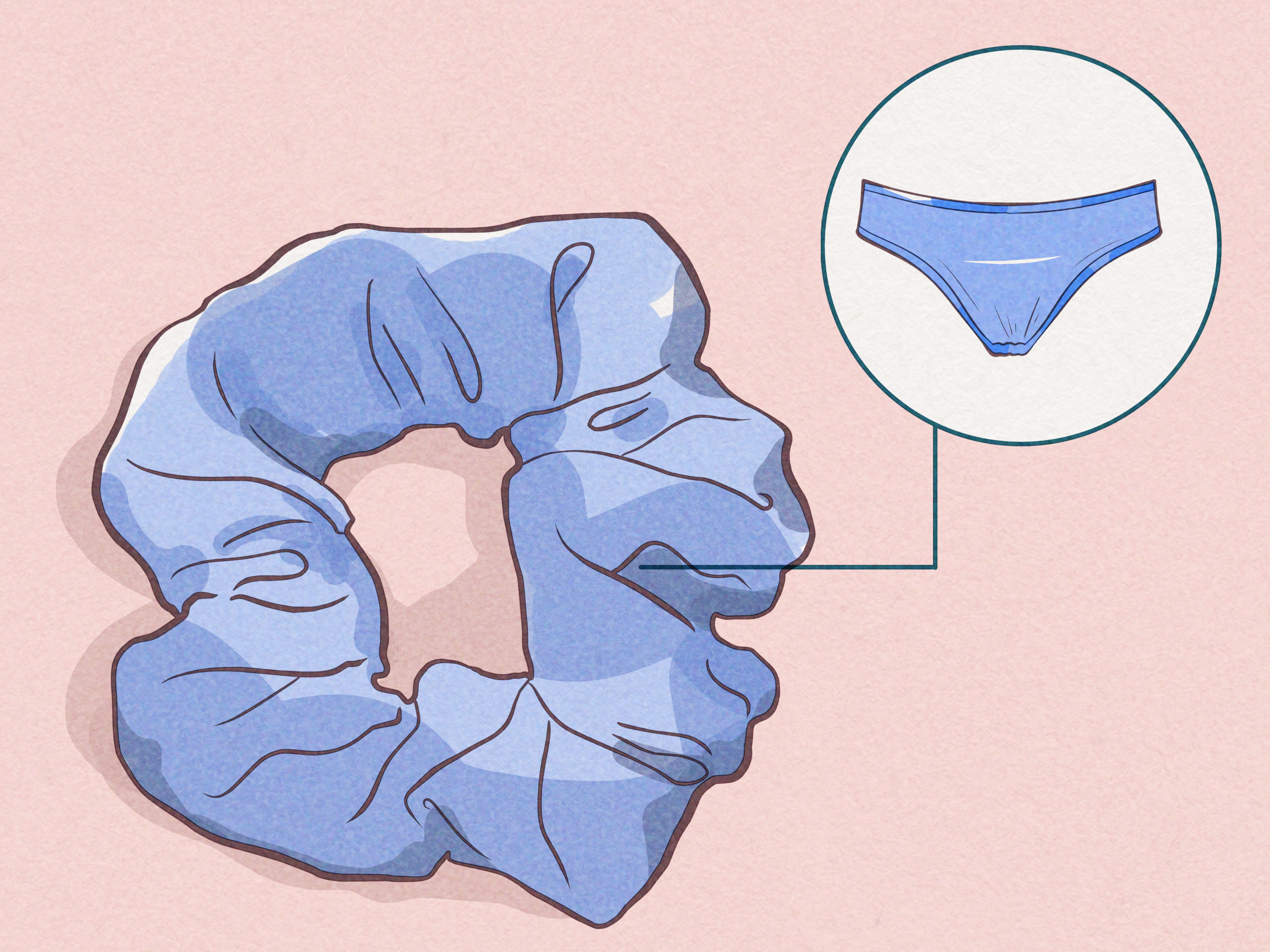
Old underwear and bras have a funny way of lingering in the back of a drawer like tiny fabric ghosts. They are too worn to wear, too personal to toss into a random donation box, and too confusing to recycle with regular curbside pickup. So they sit there, quietly judging your sock organization system.
The good news? You have more options than simply throwing them in the trash. The better news? Many of those options are simple, low-cost, and surprisingly useful. Whether you have stretched-out underwear, bras that no longer fit, lonely sports bras, or a drawer full of “why did I buy this?” lingerie, there are eco-friendly ways to donate, recycle, repurpose, and responsibly dispose of them.
Textile waste is a real problem in the United States. Clothing, footwear, towels, sheets, underwear, and bras all count as textiles, and much of this material still ends up in landfills. Bras and underwear can be especially tricky because they often contain blended fibers, elastic, foam, hooks, underwire, and synthetic materials. In plain English: your bra is basically a tiny engineering project with straps.
This guide explains what to do with old underwear and bras using 14 practical, eco-friendly ideas. We will cover what can be donated, what should be recycled, what can be reused at home, and how to avoid turning your closet cleanout into someone else’s problem.
Before You Start: Sort Everything into Three Piles
Before choosing a disposal method, sort your old underwear and bras into three categories: wearable, repairable, and end-of-life. This tiny step prevents perfectly useful items from being trashed and keeps unusable items out of donation streams.
Wearable Items
These are clean, gently used bras, bralettes, sports bras, shapewear, or unworn underwear still in packaging. They have no stains, broken clasps, strong odors, stretched elastic, or major damage. These may be suitable for donation, depending on the organization.
Repairable Items
These items need minor help: a loose hook, a detached strap, a tiny seam tear, or removable padding that has gone rogue. Repairable garments can often be fixed, altered, or used for parts.
End-of-Life Items
These are worn-out, stained, stretched, torn, or broken pieces that should not be donated for reuse. They may still be useful for textile recycling, cleaning rags, crafts, composting if made from pure natural fiber, or responsible disposal.
1. Donate Gently Used Bras to Specialized Organizations
If your bras are clean and in good condition, donation is one of the best eco-friendly options. Many people need bras but cannot easily afford them, especially people experiencing homelessness, domestic hardship, or displacement.
Organizations such as I Support the Girls and The Bra Recyclers collect bras and distribute them through community networks or recycling channels. Free the Girls is another well-known organization that has accepted bra donations to support women rebuilding their lives through resale opportunities. Donation programs may update their requirements, so always check current guidelines before mailing anything.
Best candidates for donation include gently worn bras, sports bras, maternity bras, nursing bras, and bralettes. Wash everything first, fasten hooks so they do not snag, and place items in a clean bag before shipping or dropping them off.
2. Donate New Underwear Only
Underwear donation rules are stricter than bra donation rules, and for good reason. Most shelters, charities, and thrift stores only accept underwear if it is brand new, preferably with tags or sealed packaging. Used underwear is usually not appropriate for donation because of hygiene concerns.
If you bought underwear that never fit, received the wrong size, or have unopened multipacks sitting around, those can be valuable donations. Local shelters, mutual aid groups, school support programs, refugee assistance groups, and organizations serving people in crisis often need new underwear in a wide range of sizes.
A good rule: if you would feel weird handing it directly to a stranger with eye contact, do not donate it.
3. Use a Bra Recycling Program
Bras are difficult to recycle through ordinary systems because they contain multiple materials: metal, nylon, spandex, polyester, cotton, foam, plastic sliders, hooks, and elastic. That is why bra-specific recycling programs matter.
Programs such as The Bra Recyclers and Harper Wilde’s recycling initiative are designed to handle old bras more responsibly than a general trash bin. Depending on the program, bras may be sorted for reuse, broken down for textile recycling, or processed into materials used in insulation, padding, industrial textiles, or other secondary products.
Before sending bras in, check whether the program accepts damaged bras, underwire bras, sports bras, nursing bras, or swim tops. Some programs accept only bras, while others accept underwear or other garments too.
4. Use a Textile Take-Back Bag for Old Underwear
For old underwear that is too worn to donate, textile take-back programs can be a helpful solution. Some mail-in programs accept clean underwear, socks, tights, bras, and other textiles that are not suitable for resale. Subset, Trashie, and similar recycling services have helped make underwear recycling more accessible for people who do not have local textile bins nearby.
These programs usually require items to be clean and dry. That matters because wet or dirty textiles can contaminate an entire recycling batch. Nobody wants one damp sock ruining the party.
Take-back bags may cost money, but they can be useful if you are cleaning out a large drawer, moving, or trying to keep a mixed pile of worn-out textiles out of the landfill.
5. Check Local Textile Recycling Drop-Off Bins
Many cities, recycling companies, and nonprofit partners offer textile recycling drop-off bins. These bins may accept worn clothing, towels, linens, socks, and sometimes clean undergarments. However, rules vary widely by location.
Before dropping off old underwear or bras, read the bin label carefully. Some bins accept all clean and dry textiles, even damaged ones. Others accept only wearable clothing. If the label is vague, look up the operator’s website or call the number listed on the bin.
Never place wet, moldy, oily, or heavily soiled underwear in a textile recycling bin. That is not recycling; that is textile sabotage wearing a trench coat.
6. Give Wearable Bras Away Through Local Community Groups
If you have bras that are still in good shape but do not work for your body, local gifting groups can be surprisingly effective. Buy Nothing groups, neighborhood social media groups, community closets, and mutual aid networks often help items find a second life quickly.
This option works best for clean bras, sports bras, nursing bras, binders, shapewear, or unopened underwear. Be clear about the condition, size, brand, and support level. A simple post such as “Clean 36C sports bra, gently used, porch pickup” can save someone money and prevent waste.
For privacy, place items in a clean paper or reusable bag and avoid oversharing personal details. The bra does not need a memoir.
7. Repair Small Problems Before Replacing
Sometimes old bras are not actually done; they are just being dramatic. A loose strap, bent hook, or small seam tear can often be repaired in a few minutes. Basic fixes include replacing hooks, sewing a popped seam, adjusting stretched straps, removing damaged underwire, or replacing lost padding.
Repairing extends the life of the garment and reduces demand for new products. It is also usually cheaper than buying another bra, especially if the fit is already good. If you do not sew, a local tailor may be able to fix simple bra problems for less than the cost of a new high-quality bra.
Underwear with minor waistband issues may also be repaired, but if the fabric is thin, stretched, or uncomfortable, it is usually better suited for recycling or reuse as a rag.
8. Turn Old Cotton Underwear into Cleaning Rags
Clean cotton underwear can be cut into small cleaning cloths for household jobs. These soft scraps work well for dusting, wiping baseboards, polishing shoes, cleaning bike chains, applying wood oil, or handling messy craft projects.
To make rags, remove elastic waistbands and any synthetic trim if possible. Cut the fabric into flat pieces and store them in a labeled container. Use them for jobs where you would normally reach for paper towels.
This is not glamorous, but neither is scrubbing mystery gunk off a windowsill. A reused fabric rag is still a small sustainability win.
9. Save Bra Parts for Sewing and Craft Projects
Old bras contain useful parts: hooks, sliders, rings, straps, removable pads, underwire, lace panels, and elastic. If you sew, craft, cosplay, quilt, repair costumes, or make accessories, those pieces can be reused.
Bra hooks can repair other bras. Straps can become adjustable bands for bags or costumes. Removable padding can be used in swimsuits, dancewear, or handmade tops. Lace can decorate small pouches, journals, or fabric bookmarks. Even underwire can be reused in structured garments by experienced sewists.
Before tossing a bra, think of it as a tiny hardware store with cups.
10. Make Pet Toys or Comfort Pads from Clean Fabric
Clean, soft fabric from old underwear, undershirts, or wireless bras can be repurposed for pets. You can braid strips into a simple dog tug toy, sew small comfort pads for crates, or stuff washable pet beds with clean textile scraps.
Use caution with elastic, hooks, underwire, foam, and small pieces that pets could chew or swallow. Remove all hardware and avoid giving pets anything with loose threads or synthetic stuffing they may tear apart.
This idea is best for supervised play or bedding projects, not for aggressive chewers who treat fabric like it owes them money.
11. Compost 100% Natural Fiber Underwear Carefully
Some underwear can be composted, but only under the right conditions. The safest candidates are plain, undyed or low-impact dyed 100% cotton, hemp, bamboo, wool, or silk items without synthetic elastic, polyester stitching, spandex, nylon lace, plastic tags, or chemical finishes.
Most modern underwear contains elastic and synthetic blends, so do not assume it is compostable. If an item contains spandex, elastane, polyester, nylon, or microfiber fabric, skip the compost pile. Those materials do not biodegrade like natural fibers and can leave unwanted residues.
If you do compost natural-fiber underwear, cut it into small pieces, remove elastic and labels, and bury the scraps deep in an active compost pile. This is a niche option, not a universal solution.
12. Use Old Bras as Garden or Household Supports
Old bra straps and soft elastic can be reused as gentle ties for garden plants, cords, rolled blankets, or storage bundles. Because bra straps are soft and adjustable, they can support delicate stems better than harsh plastic ties.
Remove hooks and hardware first, then cut straps into usable lengths. Use them to tie tomato plants, organize extension cords, bundle wrapping paper, or secure rolled yoga mats.
This is the kind of reuse that sounds odd until you try it. Then suddenly your junk drawer looks like it has an environmental studies degree.
13. Host a Responsible Drawer Cleanout With Friends
A clothing swap may not sound like the obvious place for bras and underwear, but a responsible version can work for certain items. Keep the focus on new underwear, unworn items, gently used bras, sports bras, shapewear, slips, camisoles, and sleepwear.
Set clear rules: everything must be clean, fresh, and in excellent condition. Used underwear should not be swapped unless it is unworn and preferably still packaged. Provide separate bags for donation, recycling, and trash so nothing gets mixed up.
This turns decluttering into a social event and helps people learn what can be reused versus what needs recycling. Snacks help. Snacks always help.
14. Buy Better Next Time to Reduce Future Waste
The most eco-friendly underwear and bra is often the one you do not have to replace immediately. Better buying habits reduce waste before it starts.
Choose quality over quantity. Look for durable stitching, comfortable fits, replaceable pads, adjustable straps, and fabrics that match your lifestyle. If you sweat heavily or exercise often, buy performance pieces that can handle repeated washing. If you prefer natural fibers, look for cotton, hemp, TENCEL, or other breathable materials with transparent sourcing.
Also, learn proper care. Wash bras in a mesh bag, use cool water, fasten hooks before washing, and air-dry when possible. Heat from dryers can weaken elastic and shorten the life of both bras and underwear. Your dryer is useful, but it is also where elastic goes to retire early.
What Not to Do with Old Underwear and Bras
Eco-friendly disposal is not just about doing the right things; it is also about avoiding the wrong ones. Do not donate stained, damaged, or worn-out underwear to thrift stores. Do not dump intimate garments in random charity bins without checking rules. Do not put textiles in curbside recycling unless your city specifically accepts them. Most curbside programs are designed for paper, cardboard, glass, metal, and certain plastics, not bras with underwire and elastic.
Do not assume “someone will use it” if the item is in poor condition. Donation centers spend time and money sorting unusable items, and unwanted textiles may still end up in the trash. Responsible donating means giving items that are truly useful, clean, and appropriate.
How to Decide: Donate, Recycle, Repurpose, or Trash?
Use this simple decision guide:
- Donate: Clean, gently used bras or new underwear.
- Recycle: Clean but worn-out underwear, damaged bras, old socks, tights, and mixed textiles accepted by a program.
- Repurpose: Cotton fabric, straps, hooks, padding, and elastic that can be reused at home.
- Trash: Moldy, oily, contaminated, or heavily soiled items that cannot be cleaned or recycled safely.
The goal is not perfection. The goal is better choices. If you keep five bras and ten pairs of underwear out of a landfill this year, that is still progress. Multiply that by thousands of households, and suddenly the humble underwear drawer has entered its environmental hero era.
Real-Life Experiences: Lessons from Cleaning Out the Top Drawer
The first thing most people notice when they finally clean out old underwear and bras is how emotional the process feels. That sounds dramatic until you are holding a bra from three life chapters ago and wondering why it survived three moves, two style changes, and one drawer collapse. Intimate clothing is personal. It is tied to body changes, comfort, confidence, pregnancy, fitness routines, fashion phases, and impulse purchases made under fluorescent dressing-room lights. No wonder it can be hard to let go.
One useful experience is to treat the drawer cleanout like a practical inventory rather than a judgment session. Instead of asking, “Why did I buy this?” ask, “Does this still serve me?” That simple question makes the process calmer. A bra that pinches, slides, gaps, or makes you negotiate with gravity every morning is not serving you. Underwear with dead elastic is not serving you. The neon pair bought during an optimistic vacation shopping moment may have served its purpose by making you laugh. That counts.
Another helpful lesson is to wash everything before sorting. Clean textiles are easier to evaluate, and they are required for nearly every donation or recycling option. After washing, lay items out in good lighting. Make three bags: donate, recycle, and reuse. The donate bag should contain only items you would confidently give to a friend. The recycle bag can hold clean worn-out textiles. The reuse bag can include cotton scraps, straps, removable pads, and hardware for household projects.
People who try bra recycling programs often report that the hardest part is simply starting. Once the bag is packed and mailed, the mental clutter disappears too. It feels better knowing the items are moving into a reuse or recycling stream instead of sitting in a drawer for another decade like fabric fossils.
Repurposing can also be unexpectedly satisfying. Cotton underwear becomes the perfect rag for cleaning dusty window tracks. Bra straps become plant ties. Removable pads can be saved for swimsuits or costumes. Hooks and sliders can rescue another bra later. These tiny acts may not feel world-changing, but they create a habit of seeing material value before trash value.
The biggest experience-based tip is to prevent the pile from rebuilding. Keep a small textile recycling bag in your closet. When underwear wears out, wash it and place it in the bag. When a bra no longer fits, decide immediately whether it is donation-worthy or recycling-only. Once the bag is full, send it to a take-back program or drop it at an approved textile recycling location. This turns a dreaded annual drawer excavation into a simple routine.
Finally, buy with your future self in mind. If a bra only works when you stand perfectly still and avoid breathing deeply, it is not a bargain. If underwear looks cute but feels like a tiny argument, it will probably become waste quickly. Choose comfort, durability, and realistic care instructions. The most sustainable drawer is not the one packed with “eco” labels; it is the one filled with pieces you actually wear, care for, and keep in use.
Conclusion: Your Drawer Can Be Greener Than You Think
Knowing what to do with old underwear and bras can feel awkward at first, but it is actually straightforward once you sort items by condition. Gently used bras can often be donated through specialized organizations. New underwear can help shelters and community groups. Worn-out pieces can go to textile recycling programs, take-back bags, craft bins, cleaning supplies, or, in rare natural-fiber cases, compost.
The key is to match the item with the right next step. Donate only what is clean and useful. Recycle what is clean but no longer wearable. Repurpose whatever still has practical value. Toss only what is truly contaminated or impossible to process responsibly.
Old underwear and bras may not be glamorous, but dealing with them thoughtfully is part of a more sustainable home. Besides, your drawer deserves a fresh start. It has been through enough.













