
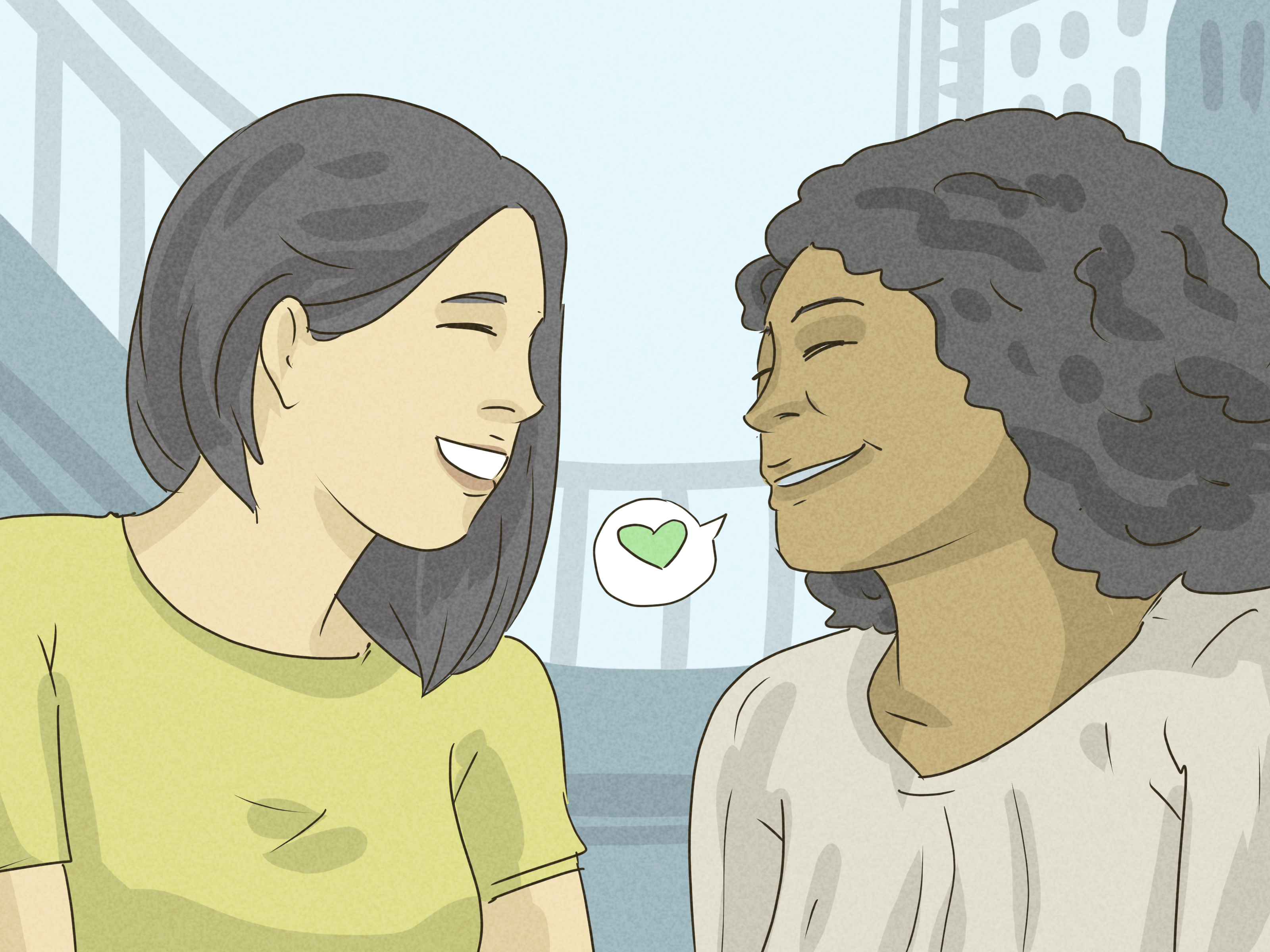
Periods are normal. Period pain, mood swings, leaks, fatigue, cravings, and the sudden desire to live under a blanket like a dramatic house cat are also very common. Still, when someone you care about is on their period, it can be tricky to know what to do. Should you bring snacks? Offer a heating pad? Pretend not to notice? Send a tiny parade? Please do not send a parade.
Learning how to help someone with their period is mostly about being thoughtful, practical, and respectful. You do not need a medical degree, a moon-cycle spreadsheet, or a heroic speech. You need empathy, a few useful supplies, and the ability to ask, “What would help right now?” without making the person feel like their uterus has become breaking news.
This guide covers simple, real-life ways to support someone during menstruation, including period cramp relief, period products, emotional support, comfort food, privacy, and signs that period symptoms may need medical attention.
Understanding What a Period Can Feel Like
A period happens when the body sheds the lining of the uterus. For many people, bleeding lasts a few days, but the experience can vary widely. Some people have mild symptoms and continue their normal routine. Others deal with cramps, back pain, headaches, nausea, bloating, tiredness, acne, food cravings, mood changes, or heavy bleeding. In other words, two people can both say, “I’m on my period,” and be having completely different Tuesdays.
Menstrual cramps, also called dysmenorrhea, are often caused by uterine contractions linked to hormone-like chemicals called prostaglandins. Mild cramps are common, but severe or worsening pain is not something to brush off. Heavy bleeding, fainting, pain that stops normal activities, or symptoms that suddenly change should be discussed with a healthcare professional.
How to Help Someone with Their Period: 6+ Practical Tips
1. Ask What They Need Instead of Guessing
The best first move is simple: ask. Try, “Do you want help, space, food, medicine, or just someone to sit with you?” This gives the person control. Some people want company; others want quiet. Some want a hug; others want everyone to stop breathing so loudly. Both are valid.
Avoid comments like “Are you being emotional because of your period?” or “It can’t be that bad.” Even if you mean well, those lines usually land like a wet sock. Instead, believe them. If they say they are hurting, tired, or overwhelmed, take it seriously.
2. Offer Heat for Cramps
Heat is one of the easiest ways to help with period cramps. A heating pad, warm water bottle, heat patch, or warm bath can relax tense muscles and make cramps more manageable. If the person is resting, offer to warm the heating pad, refill the bottle, or help set up a comfortable spot.
A good comfort setup might include a blanket, pillow, warm drink, phone charger, water, tissues, and the remote control within arm’s reach. This is not laziness. This is strategic survival.
3. Help Them Access Period Products
Running out of period products is a special kind of betrayal. Help by offering pads, tampons, liners, period underwear, or menstrual cups if they already use them. Do not make a big deal out of buying products. Pads and tampons are everyday health items, not mysterious artifacts from a secret aisle.
If you are shopping for someone, ask what type, size, absorbency, and brand they prefer. “Regular,” “super,” “overnight,” “with wings,” “unscented,” and “organic cotton” are not random words; they matter. Unscented products are often a safer default because scented products can irritate sensitive skin for some people.
It also helps to keep a small period kit at home, in a backpack, in the car, or in a bathroom drawer. A useful kit can include pads, tampons, liners, pain reliever approved for that person, wipes, hand sanitizer, a spare pair of underwear, a sealable bag, and a dark-colored pair of leggings or shorts.
4. Support Pain Relief Safely
Over-the-counter pain relievers such as ibuprofen or naproxen may help some people with menstrual cramps because they reduce prostaglandins. However, medicine is personal. People with certain health conditions, allergies, stomach issues, kidney problems, bleeding disorders, or those taking other medications should check with a healthcare professional before using NSAIDs.
If the person already uses a specific pain reliever safely, you can help by bringing water, reading the label, checking when they last took a dose, or reminding them not to exceed directions. Do not pressure anyone to take medication. Support means helping, not turning into a tiny pharmacy manager with too much confidence.
5. Bring Water and Easy, Comforting Food
Hydration and food can make a big difference, especially when someone feels tired, bloated, or nauseated. Offer water, herbal tea, soup, fruit, toast, rice, yogurt, eggs, oatmeal, smoothies, or other gentle foods. Some people crave chocolate, salty snacks, or a specific meal. If it is reasonable and safe, the snack request deserves respect. Period cravings do not need a courtroom trial.
For a more balanced option, try foods with protein, fiber, and healthy fats to help keep energy steady. Think peanut butter toast, chicken soup, avocado toast, Greek yogurt with fruit, a turkey sandwich, or a warm bowl of oatmeal. If cramps are bad, large greasy meals may not feel great, so ask before ordering the biggest burger in the county.
6. Respect Privacy and Dignity
Periods can feel vulnerable, especially if there is a leak, stain, or surprise start at school, work, or in public. The golden rule is: help quietly. Offer a jacket to tie around the waist, discreetly pass a pad, or say, “I’ve got you,” without announcing the situation to the room.
If you notice a stain, tell them privately and calmly. Do not laugh, point, whisper dramatically, or call in witnesses like a detective show. A kind, low-key heads-up can save someone from embarrassment and help them feel supported.
7. Lighten Their Load
Period symptoms can make normal tasks feel heavier. Offer to help with chores, errands, homework planning, cooking, pet care, or childcare if appropriate. Even small things help: washing dishes, picking up supplies, making tea, or taking out the trash.
If they are dealing with painful cramps, do not say, “Just exercise.” Gentle movement can help some people, but not everyone wants a motivational fitness speech while folded over like a lawn chair. Better options include, “Want to stretch a little?” or “Would a slow walk help, or would resting feel better?”
8. Be Emotionally Supportive Without Taking It Personally
Hormonal changes, pain, poor sleep, and stress can affect mood. The person may feel more sensitive, quiet, irritated, sad, or anxious. That does not mean every feeling is “just hormones.” Feelings are still real, even when biology is making the volume knob extra dramatic.
Try saying, “That sounds really uncomfortable,” “I’m sorry you’re dealing with that,” or “I’m here if you need anything.” If they seem irritated, give space without sulking. If they want to talk, listen without trying to fix everything in three sentences.
What Not to Do When Someone Is on Their Period
Sometimes helping is less about doing the perfect thing and more about not doing the wildly unhelpful thing. Do not tease them about bleeding, appetite, emotions, or bathroom trips. Do not tell others about their period. Do not assume they cannot think clearly, make decisions, play sports, go to school, or do their job.
Also, do not act disgusted. Menstruation is a normal body process. If someone asks you to pick up pads, wash a stained towel, or bring fresh clothes, handle it like a normal human task. The world will keep spinning. Your courage will be remembered in legend, or at least appreciated in the moment.
When Period Symptoms May Need Medical Help
Support also means knowing when home care is not enough. Encourage medical care if the person has severe pain that keeps them from normal activities, pain that suddenly gets worse, very heavy bleeding, dizziness, fainting, fever, unusual discharge, bleeding between periods, or symptoms that do not improve with usual care.
Pain that starts before bleeding and continues after the period, pain that worsens over time, or pain with bowel movements can sometimes be linked to conditions such as endometriosis, fibroids, pelvic inflammatory disease, or other health concerns. The point is not to panic. The point is to take serious symptoms seriously.
How to Help in Different Situations
At School
If someone gets their period at school, help them find a pad, visit the nurse, get permission to use the bathroom, or borrow a sweatshirt if needed. If they are embarrassed, stay calm. A quiet “No big deal, I’ll help” can turn a stressful moment into something manageable.
At Work
In a workplace, support should be respectful and professional. Offer to cover a short break, grab water, or help them access supplies if they ask. Avoid jokes or public comments. Nobody needs a team meeting titled “Unexpected Menstrual Situation: Q2 Update.”
At Home
Home support can be more personal. Make a cozy resting area, cook something gentle, keep the bathroom stocked, and ask whether they want quiet or company. If you live together, learn where period products are kept and replace them before the box becomes a cardboard ghost town.
Building a Period-Friendly Environment
One of the best ways to help someone with their period is to make periods less awkward before an emergency happens. Keep supplies in bathrooms. Normalize conversations about cramps and products. Teach siblings, friends, and partners that periods are not shameful. If you manage a school club, workplace, gym, or community space, consider having free pads or tampons available.
Period poverty is real, meaning some people cannot easily afford or access menstrual products. A small stash of products in shared spaces can make a huge difference. It is a practical act of kindness, like holding the door open, except with fewer hinges and more absorbency.
Experience Section: What Helping Someone with Their Period Looks Like in Real Life
In real life, helping someone with their period rarely looks like a big dramatic rescue. It usually looks like small, thoughtful actions stacked together. Imagine your friend texts, “Do you have a pad?” The helpful response is not twenty questions, a shocked emoji, or a lecture about tracking cycles. It is, “Yes. Meet me by the bathroom,” or “I don’t, but I’ll help you find one.” That tiny response can turn panic into relief.
Another common situation happens at home. Someone is curled up with cramps, quiet, and clearly not having the best day. You might not know whether they want attention, so you ask gently: “Do you want company or space?” If they say space, you can still leave water nearby, plug in their phone charger, and make sure they know you are available. If they want company, you can sit with them, watch a low-effort show, or simply be present. You do not need to be a comedian, therapist, chef, and medical expert at the same time. Honestly, that sounds exhausting.
Food is another place where support becomes personal. One person may want soup and tea. Another may want fries, chocolate, and silence. A good helper does not judge the menu. They ask, “What sounds good?” and, when possible, help make it happen. If the person feels nauseated, bland foods may be better. If they feel drained, a meal with protein and carbohydrates can help. The real skill is paying attention without turning food into a debate.
Leaks are probably the most stressful period-related experience for many people. If you ever notice a stain, the best approach is quiet and direct. Say something like, “Hey, I think you may have a leak. Want my jacket?” That sentence is simple, private, and useful. It protects dignity. It also avoids the classic disaster move: acting weird until the person figures out something is wrong. If you can help them get fresh clothes, a pad, or a bathroom break, do it calmly.
Emotional support matters too. Some people feel more sensitive during their period because they are tired, uncomfortable, or dealing with PMS symptoms. The goal is not to blame every emotion on menstruation. That can feel dismissive fast. A better approach is to listen like you would on any hard day. If they are frustrated, let them be frustrated. If they are sad, do not rush them into cheerfulness. If they snap at you, you can be kind while still having boundaries: “I know you feel awful, but please don’t talk to me that way. I’m still here to help.”
The biggest lesson from real experience is this: period support is about respect. Respect their privacy. Respect their symptoms. Respect their preferences. Respect the fact that they know their own body better than you do. Whether you are helping a friend, sibling, classmate, roommate, or family member, the best support is usually quiet, practical, and judgment-free. Bring the heating pad. Buy the pads without embarrassment. Offer snacks. Keep the jokes kind. And when in doubt, ask. A caring question beats an awkward assumption every time.
Conclusion
Helping someone with their period is not complicated, but it does require thoughtfulness. Ask what they need, offer heat, provide period products, support safe pain relief, bring water and food, protect their privacy, and take severe symptoms seriously. The best helpers do not make periods weird. They make them easier.
Whether the person is dealing with cramps, leaks, mood changes, fatigue, or a surprise period at the worst possible time, your calm support can make the day feel less overwhelming. You do not need to solve menstruation. You just need to show up with kindness, common sense, and maybe a heating pad that deserves its own fan club.













