
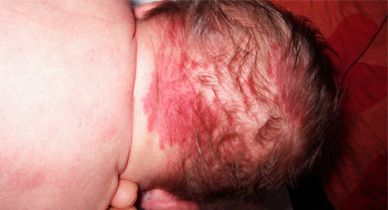
If you have ever stared at your newborn’s tiny face at 3:07 a.m. and wondered, “Is that a rash, a birthmark, or did my baby secretly join a tiny biker gang?” you are not alone. Newborn skin comes with a full welcome package: peeling, blotches, baby acne, mystery redness, and sometimes a pink or red patch commonly called a stork bite.
A stork bite is usually harmless, painless, and very common. Its medical name is nevus simplex, and it is also known as a salmon patch or, when it appears on the face, an angel kiss. The names are adorable. The panic it can cause in new parents? Less adorable, but completely understandable.
This guide explains what a stork bite looks like, where it appears, why it happens, when it fades, how it differs from other baby birthmarks, and when you should ask your pediatrician to take a look.
What Is a Stork Bite?
A stork bite birthmark is a flat pink, red, or salmon-colored patch on a baby’s skin. It is caused by tiny blood vessels, called capillaries, sitting close to the surface of the skin. Because newborn skin is thin and still adjusting to life outside the womb, these little patches can be easy to notice.
The term “stork bite” is most often used when the mark appears on the back of the neck, as if a very punctual fairy-tale stork gently carried the baby there. When the same type of mark appears between the eyebrows, on the eyelids, or on the forehead, people often call it an “angel kiss.” Same birthmark family, different nickname department.
Does My Baby Have a Stork Bite?
Your baby may have a stork bite if the mark is:
- Flat, not raised or bumpy
- Pink, red, or salmon-colored
- Present at birth or noticed soon after birth
- Located on the back of the neck, eyelids, forehead, between the eyebrows, upper lip, scalp, or sometimes lower back
- More noticeable when your baby cries, strains, gets warm, or is active
- Painless and not itchy, crusty, scaly, or bleeding
One classic clue is that the color may look stronger during a good old-fashioned newborn protest session. If your baby is crying because socks are apparently a personal insult, the stork bite may temporarily darken. That does not usually mean it is getting worse; it is often just increased blood flow making the mark more visible.
Where Do Stork Bites Usually Appear?
Stork bites can appear in several places, but they love the “centerline” areas of the body. Common locations include:
Back of the Neck
This is the classic “stork bite” spot. Marks here may fade slowly and can sometimes remain into childhood or adulthood. Fortunately, hair often covers the area, so most people forget it exists until someone gives them a very dramatic haircut.
Eyelids and Forehead
Pink patches on the eyelids, forehead, or between the eyebrows are often called angel kisses. These facial marks commonly fade during infancy or early childhood.
Scalp and Upper Lip
Some babies have salmon patches on the scalp or near the upper lip. Like other nevus simplex birthmarks, these are usually harmless, but any mark near the eye, mouth, or nose should be mentioned at regular baby checkups.
What Causes a Stork Bite?
A stork bite is caused by small blood vessels that are more visible near the skin’s surface. It is not caused by anything a parent did or did not do during pregnancy. It is not from delivery trauma, spicy food, stress, a craving for pickles, or forgetting to assemble the bassinet until the last possible minute.
These marks are part of the wide, normal range of newborn skin findings. They are considered vascular birthmarks, meaning they involve blood vessels. Unlike some other vascular birthmarks, stork bites are typically flat, soft-looking, and temporary.
Are Stork Bites Common?
Yes. Stork bites are among the most common newborn birthmarks. Different medical sources report different estimates because studies count them in slightly different ways, but the important takeaway is simple: many babies have them. If your newborn has one, they have joined a very large, very cute club.
Because stork bites are common and usually harmless, pediatricians often recognize them during a routine newborn exam. In most cases, no special test is needed. The diagnosis is usually based on appearance, location, and behavior over time.
Do Stork Bites Go Away?
Most stork bites fade on their own. Facial marks often become much lighter during the first one to two years of life. Marks on the back of the neck can take longer and may not disappear completely, but they are usually harmless and often hidden by hair.
Parents sometimes notice that the mark seems to “come back” when a child cries, gets hot, or has a fever. Usually, it did not truly return; it simply became more visible for a short time. Think of it as the birthmark’s tiny dramatic lighting effect.
Does a Stork Bite Need Treatment?
Most stork bites do not need treatment. No cream, scrub, special soap, herbal paste, or internet-famous miracle balm is required. In fact, trying to aggressively treat or scrub the area can irritate your baby’s delicate skin.
Basic care is enough:
- Wash gently with mild baby-safe cleanser when needed
- Pat the skin dry instead of rubbing
- Avoid harsh products, fragrances, and home remedies
- Protect your baby’s skin from excessive sun exposure
- Mention the mark during routine pediatric visits
In rare cases, if a visible mark persists and becomes a cosmetic concern later in childhood, a dermatologist may discuss options such as laser treatment. For a typical newborn stork bite, however, patience is usually the entire treatment plan. Conveniently, patience is also the unofficial theme of parenting.
Stork Bite vs. Rash: How to Tell the Difference
A stork bite is easy to confuse with a rash, especially when you are sleep-deprived and everyone on the internet seems extremely confident. Here are a few helpful differences.
Stork Bite
- Usually present from birth or early newborn days
- Flat and smooth
- Pink, red, or salmon-colored
- Often appears on eyelids, forehead, between eyebrows, or back of neck
- Does not itch, hurt, ooze, blister, or peel
- May become more visible when baby cries or gets warm
Rash
- May appear suddenly after irritation, illness, heat, or an allergic reaction
- Can be raised, bumpy, scaly, blistered, or spreading
- May cause discomfort, itching, or fussiness
- May change quickly over hours or days
- Can appear anywhere on the body
If the mark is new, spreading, swollen, warm, painful, crusting, or accompanied by fever or poor feeding, contact your baby’s healthcare provider.
Stork Bite vs. Hemangioma
A hemangioma, sometimes called a strawberry birthmark, is another type of vascular birthmark, but it behaves differently. Hemangiomas may appear as raised red bumps or deeper bluish lumps. They often grow during the first months of life before slowly shrinking over time.
A stork bite, by contrast, is typically flat and does not grow into a raised mass. If your baby’s mark is getting bigger quickly, becoming raised, bleeding, or interfering with the eye, nose, mouth, or diaper area, ask your pediatrician to evaluate it.
Stork Bite vs. Port-Wine Stain
A port-wine stain is another vascular birthmark that can look pink, red, or purple. Unlike a typical stork bite, a port-wine stain often has sharper borders, may appear on one side of the face or body, and usually does not fade on its own. Some port-wine stains can darken or thicken with age.
This does not mean every red mark is alarming. It simply means that if a birthmark looks unusual, is one-sided, covers a large area, or seems to be changing, it is worth asking a pediatrician or pediatric dermatologist for guidance.
When Should You Call the Pediatrician?
Most stork bites can wait for a routine baby checkup. Still, call your pediatrician if:
- The mark grows quickly or changes shape dramatically
- It becomes raised, firm, swollen, or warm
- It bleeds, crusts, blisters, or opens
- Your baby seems uncomfortable when the area is touched
- The mark is near the eye and appears to affect vision or eyelid movement
- You are unsure whether it is a stork bite, rash, bruise, hemangioma, or port-wine stain
- Your baby also has fever, poor feeding, unusual sleepiness, or other concerning symptoms
There is no prize for guessing correctly at home. Pediatricians look at baby skin all day long, and they would much rather answer a simple question than have you spiral through 47 search results at midnight.
Can You Prevent a Stork Bite?
No, and you do not need to. Stork bites are not caused by parenting choices, pregnancy habits, birth position, or baby skincare routines. They simply happen. You cannot prevent them, and you did not cause them.
That reassurance matters because new parents are remarkably talented at blaming themselves for things that are not their fault. A stork bite is not a sign that something went wrong. It is usually just one of the many harmless details that make your baby look like your baby.
How to Talk About Your Baby’s Stork Bite
Most people who notice a baby’s stork bite are simply curious, not critical. Still, repeated comments can get old. You can keep your answer short and cheerful:
- “It’s a common newborn birthmark called a stork bite.”
- “The pediatrician said it’s harmless and should fade.”
- “That’s their angel kiss. Very exclusive. Limited edition.”
You do not owe anyone a medical seminar at the grocery store. A simple sentence is enough.
Parent Experiences: What Stork Bites Are Like in Real Life
Many parents first notice a stork bite during those early newborn days when every tiny feature feels enormous. A faint pink patch on the eyelid can look dramatic under hospital lights. A red mark on the back of the neck can seem mysterious during the first bath. Then, after a pediatrician explains that it is a common birthmark, the mood often shifts from “emergency detective mode” to “oh, that is actually kind of sweet.”
One common experience is that the mark seems to have a personality. It may look pale during a nap, then suddenly brighten when the baby cries, stretches, or gets warm after being bundled. Parents sometimes joke that the stork bite is a built-in mood ring. Of course, it is not really measuring emotions; it is just blood flow making the mark more visible. But when you are operating on four hours of broken sleep, a tiny baby mood ring feels weirdly believable.
Another familiar moment happens during photos. A stork bite on the forehead or eyelid may show clearly in some lighting and nearly disappear in others. Parents may wonder whether to edit it out of pictures. There is no right answer. Some families leave it because it is part of the baby’s newborn look. Others soften it in formal photos. Either choice is fine. Your baby will not review the editing decisions until adolescence, at which point they will likely object to your entire photo archive anyway.
Parents also report that relatives sometimes offer unhelpful theories. Someone may say it is from birth pressure. Someone else may suggest a cream. A third person may bring up a family legend involving cravings, moonlight, or a grandparent who “had the exact same thing.” Smile politely, then trust your pediatrician. Family stories are charming, but medical advice from Aunt Linda’s neighbor’s hairstylist should not outrank a trained clinician.
For many families, the mark gradually becomes less noticeable. One day, parents realize they have not thought about it in weeks. Facial stork bites often fade slowly enough that there is no dramatic goodbye; they simply blend into normal skin over time. Neck marks may stay longer, but as hair grows in, they often become hidden. In that sense, a stork bite can become one of those early baby details parents remember fondly: the tiny socks, the milk-drunk face, the newborn squeaks, and that little pink mark that once caused a very serious late-night search session.
The best experience-based advice is simple: take a photo, mention the mark at your baby’s next checkup, and then try not to let it steal too much mental space. Watch for unusual changes, but do not inspect it every hour like a security guard at a diamond museum. Your baby has plenty of other things to keep you busy, including eating, sleeping, not sleeping, and making facial expressions that suggest they know secrets from another dimension.
Conclusion
A stork bite is usually a harmless newborn birthmark called nevus simplex. It often appears as a flat pink, red, or salmon-colored patch on the back of the neck, eyelids, forehead, or between the eyebrows. It may become more visible when your baby cries or gets warm, and most marks fade naturally during infancy or early childhood.
The most important thing is knowing what is typical and what deserves a closer look. A flat, painless, stable mark is usually not a reason to worry. A mark that grows quickly, becomes raised, bleeds, crusts, or looks unusual should be checked by a pediatrician. When in doubt, ask. That is what baby checkups are for, along with confirming that yes, newborn sneezes are weirdly powerful.
Note: This article is for informational purposes only and does not replace medical advice, diagnosis, or treatment from a qualified healthcare provider. Always contact your pediatrician with concerns about your baby’s skin or health.














