
Note: This article is original, publication-ready web content based on documented comic book history, not copied source text.
The funniest thing about comic book history is that sometimes the “rip-off” becomes more famous than the thing it was joking about. Case in point: the Teenage Mutant Ninja Turtles. Today, Leonardo, Donatello, Raphael, and Michelangelo are pizza-loving pop culture royalty. They have cartoons, movies, games, toys, crossover comics, and enough merchandise to fill a sewer system from Manhattan to New Jersey.
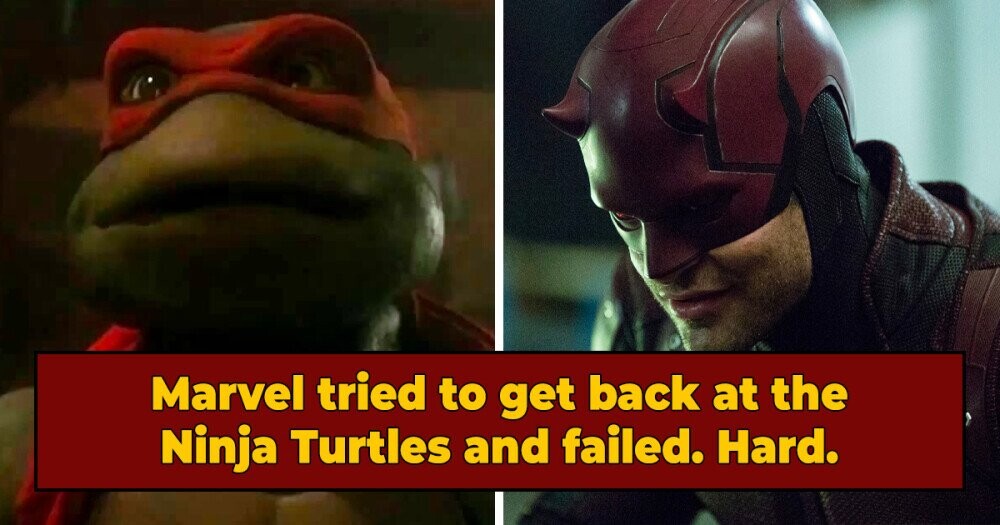
But before they were a global franchise, the Ninja Turtles were a joke between two young artists. Kevin Eastman and Peter Laird created them as a weird, scrappy, black-and-white comic that lovingly poked fun at the dark, gritty superhero comics of the early 1980s. And yes, a huge chunk of that joke came from Marvel, especially Daredevil.
The twist is delicious: TMNT borrowed Marvel’s radioactive accident, ninja mythology, mentor setup, and “mutant” branding energy. Then, when the Turtles became huge, Marvel tried to parody the parody with a bizarre one-shot called Power Pachyderms. In other words, the Turtles “ripped off” Marvel, then Marvel tried to rip them back. Cowabunga, copyright lawyerseverybody breathe.
The Indie Joke That Became a Monster Hit
The Teenage Mutant Ninja Turtles origin begins in the early 1980s with Kevin Eastman and Peter Laird, two comic book fans and artists working outside the mainstream publishing machine. They formed Mirage Studios, a name that was funny because there was no real studio. It was essentially a living-room operation, powered by ambition, borrowed money, tax-refund cash, and the kind of caffeine-fueled creativity that makes someone say, “What if turtles were ninjas?”
The original Teenage Mutant Ninja Turtles #1 arrived in 1984 from Mirage Studios. It was oversized, black-and-white, gritty, violent, and strange. It looked nothing like the bright Saturday morning cartoon that would later teach millions of children that pizza is a food group. The first comic was darker, moodier, and very clearly built as a parody of the era’s hottest comic book trends.
The title itself was a joke stack. “Teenage” nodded toward youthful superhero teams. “Mutant” had obvious Marvel flavor thanks to the X-Men and The New Mutants. “Ninja” captured the Frank Miller-inspired martial arts obsession of the time. “Turtles” made the whole thing ridiculous. It was as if someone built a perfect 1980s comic book buzzword machine, then dropped a reptile into it.
How Ninja Turtles Borrowed From Daredevil
The strongest Marvel connection is Daredevil. Matt Murdock’s origin is one of Marvel’s classic radioactive accidents: as a boy, he saves a man from an oncoming truck, radioactive material spills into his eyes, he is blinded, and his remaining senses become superhuman. The original TMNT origin takes that setup and slides it into the sewer.
In the Turtles’ version, a canister connected to a traffic accident falls into the sewer and exposes four baby turtles to mutagenic ooze. Instead of creating a blind lawyer with radar sense, the accident creates four humanoid turtles trained in ninjutsu by a rat. It is not subtle. It is not trying to be subtle. Subtlety left the building the moment someone wrote the words “mutant ninja turtle.”
Stick Became Splinter
Daredevil has Stick, the harsh martial arts mentor who trains Matt Murdock. The Turtles have Splinter, the wise rat sensei who trains four mutant reptiles. The name change is almost a wink directly at the reader. A stick becomes a splinter. A human mentor becomes a rat father. Marvel’s urban martial arts drama becomes a sewer dojo full of teenage reptiles with emotional issues.
The Hand Became The Foot
Frank Miller’s Daredevil stories made major use of the Hand, a deadly ninja organization. TMNT responds with the Foot Clan, another deadly ninja organization. Hand, meet Foot. It is the kind of joke that sounds like it was invented at 2 a.m. by people who had been drawing too long and eating whatever was left in the fridge.
Yet the parody worked because it was more than a lazy swap. The Foot Clan became central to TMNT mythology. Shredder, Oroku Saki, and the Turtles’ revenge-driven origin gave the first issue real stakes. The joke had teeth. Or, technically, beaks.
TMNT Was Not Just a Daredevil Gag
Calling the Ninja Turtles only a Daredevil parody is too simple. Eastman and Laird were mixing several influences at once. Frank Miller’s Ronin influenced the visual style and martial arts atmosphere. Dave Sim’s Cerebus helped prove that black-and-white anthropomorphic indie comics could find an audience. Marvel’s mutant books helped shape the language of mutation, team dynamics, and teenage weirdness.
That mix matters. Great pop culture often comes from collision. TMNT was not a photocopy of one comic. It was a blender full of Marvel superheroes, indie comics, martial arts movies, grim urban storytelling, and one wonderfully stupid turtle sketch. The result somehow felt both familiar and brand new.
This is why the “rip-off” label is funny but incomplete. The Turtles were parody, pastiche, tribute, and mutation all at once. They used recognizable ingredients, then changed the recipe so dramatically that the final dish became its own thing. Think of it as comic book pizza: maybe the toppings came from different kitchens, but the final slice was unmistakably TMNT.
Why the Joke Worked So Well
The original Ninja Turtles succeeded because it understood the thing it was making fun of. Eastman and Laird were not mocking superhero comics from the outside. They loved the medium. That affection gave the parody texture. The comic could laugh at grim ninja melodrama while also delivering grim ninja melodrama.
The Turtles were absurd, but the story treated them seriously enough to make readers care. That balance became the franchise’s secret weapon. A rat sensei training turtles in the sewer sounds ridiculous. A family of outsiders learning discipline, loyalty, anger control, and responsibility sounds timeless. TMNT wrapped a sincere coming-of-age story inside a joke title that looked like it had been assembled from comic shop refrigerator magnets.
By the late 1980s, the joke had become a merchandising earthquake. The 1987 animated series softened the violence, added colorful masks, leaned into pizza, and gave each Turtle a clearer personality. Playmates Toys turned them into action figures. Kids who had never heard of Frank Miller suddenly knew Raphael had attitude, Michelangelo loved pizza, Donatello did machines, and Leonardo led. The parody had escaped the comic shop and conquered lunchboxes.
Marvel Tries to Strike Back: Enter Power Pachyderms
Once TMNT became a phenomenon, the situation became hilarious from Marvel’s side. A tiny indie comic had borrowed from Marvel’s Daredevil and mutant mythology, then exploded into a cultural force. So Marvel eventually answered with its own parody: Power Pachyderms.
Power Pachyderms #1 was a 1989 Marvel one-shot written by Roger Stern with art credited to Maddie Blaustein under an earlier name. The concept involved super-powered elephants and functioned as a parody of both the Ninja Turtles craze and Marvel’s own X-Men history. Earlier references connect the project to the even more obvious title Adult Thermonuclear Samurai Elephants, which sounds less like a comic and more like someone lost a bet at a convention bar.
By the time the book finally appeared, the market had already been flooded with TMNT-inspired parody comics. There were radioactive animals, martial arts animals, teenage animals, adult animals, black belt animals, and probably at least one animal team that existed because someone saw a toy aisle and panicked. Marvel’s elephant spoof arrived late to its own stampede.
What Were the Power Pachyderms?
The team included elephant versions of superhero archetypes. Names like Trunklops and Mammoth made the X-Men parody obvious. The comic also leaned into martial arts weapons and mutant-style absurdity, creating a strange loop: Marvel inspired TMNT, TMNT inspired countless knockoffs, then Marvel made a knockoff that also spoofed Marvel.
That loop is what makes the story so entertaining. Power Pachyderms was not just Marvel saying, “Hey, those turtles borrowed from us.” It was Marvel joining the very trend that TMNT had unleashed. The big publisher became the follower. The indie joke had become the market leader.
Parody, Rip-Off, or Creative Mutation?
So, did the Ninja Turtles rip off Marvel? In the bluntest, funniest sense: yes, absolutely. The radioactive accident, Stick/Splinter, Hand/Foot, and mutant branding are too obvious to ignore. TMNT’s early DNA is full of Marvel material.
But in the more useful sense, TMNT transformed its influences. It did what parody is supposed to do: exaggerate, twist, remix, and reveal something funny about the original. It took the grim seriousness of street-level superhero comics and asked, “What if this were about turtles?” Then it answered with so much energy that the joke became mythology.
Marvel’s Power Pachyderms shows the difference between a parody that becomes alive and a parody that remains a gag. The Turtles had personality, conflict, family dynamics, memorable villains, and a visual hook so strong a child could identify them in silhouette. The Pachyderms had a clever premise, but they did not evolve into a living world. One became a franchise. The other became trivia.
Why TMNT Outgrew Its Marvel Roots
The reason TMNT outgrew the “Daredevil parody” label is simple: character. Leonardo, Raphael, Donatello, and Michelangelo are not interchangeable. They represent leadership, anger, intellect, and joy. Splinter is not just a Stick joke; he is a father figure. Shredder is not just a ninja villain; he is the dark mirror of discipline without compassion. The sewer is not just a hiding place; it is home.
That emotional architecture made TMNT adaptable. The franchise could be dark and violent in Mirage comics, goofy in the 1987 cartoon, action-heavy in video games, heartfelt in modern animation, and tragic in The Last Ronin. A simple parody usually cannot survive that many reinventions. TMNT survived because its foundation became stronger than the joke that created it.
The Bigger Lesson: Comics Have Always Remixed Themselves
Comic books are built on remixing. Superman inspired countless superheroes. Batman influenced brooding vigilantes. The X-Men shaped mutant metaphors for generations. Daredevil helped popularize gritty urban ninja drama. TMNT grabbed those tools and made something stranger. Then Marvel grabbed the strangeness back and made elephants.
This is not a story about theft in the boring sense. It is a story about influence, timing, and execution. Ideas travel. Formats mutate. Sometimes the parody hits harder than the original target. Sometimes the comeback parody vanishes into a quarter bin. The difference is rarely the premise alone. It is the care, confidence, and emotional charge behind it.
Reader Experience: Why This Weird Marvel-TMNT Connection Still Feels Fun
Discovering the Marvel connection behind the Ninja Turtles feels like finding a secret door in a childhood bedroom. Many fans first meet TMNT through cartoons, toys, arcade games, lunchboxes, or movies. They know the theme song before they know the comic book history. Then one day they learn that the Turtles’ origin is basically Daredevil’s accident from another angle, and suddenly the whole franchise becomes even funnier.
That experience changes how you read the original Mirage comic. The black-and-white art, the rooftop violence, the revenge plot, and the ninja clans feel like a serious indie comic wearing a fake mustache. You can see the parody, but you can also see why readers took it seriously. The first issue has rough edges, but it has momentum. It feels like two creators sprinting after an idea before anyone can tell them it is too ridiculous to work.
Reading about Power Pachyderms afterward adds another layer of comedy. It feels like watching a giant company notice that a tiny indie joke became a money machine and then say, “Wait, we can do weird animals too.” But the result proves that weirdness alone is not enough. TMNT had a spark. The Turtles looked silly, but their world had rules, style, and heart. The elephants mostly felt like a reaction.
For longtime comic fans, this back-and-forth is part of the charm. Nobody reads superhero comics in a vacuum. Every character carries echoes of earlier stories. The fun is in seeing what creators do with those echoes. Eastman and Laird heard Marvel’s gritty ninja rhythm and played it on sewer pipes. Marvel heard the Turtles’ success and answered with a kazoo shaped like an elephant. Both are part of the same strange song.
The best modern experience is to revisit these stories with a sense of humor instead of outrage. Calling TMNT a rip-off is funny, but calling it a successful creative mutation is more accurate. It took borrowed parts and became something millions of people loved. That is the whole comic book tradition in miniature: radioactive accidents, dramatic mentors, ninja clans, strange families, and the eternal belief that the dumbest idea in the room might be the one that changes everything.
Conclusion
Ninja Turtles ripped off Marvel is a great headline because it sounds scandalous, but the real story is better than scandal. TMNT began as a playful, sharp, deeply nerdy parody of Marvel’s Daredevil, mutant comics, and the gritty indie trends of the early 1980s. Eastman and Laird borrowed recognizable pieces, mutated them with humor and heart, and accidentally created one of the most durable franchises in pop culture.
Marvel’s attempt to answer with Power Pachyderms makes the whole saga even funnier. The company that helped inspire the Turtles tried to ride the wave the Turtles created. But where TMNT became a living mythology, Power Pachyderms became a fascinating footnote. Or maybe a handnote. Sorry, Daredevil started it.













