
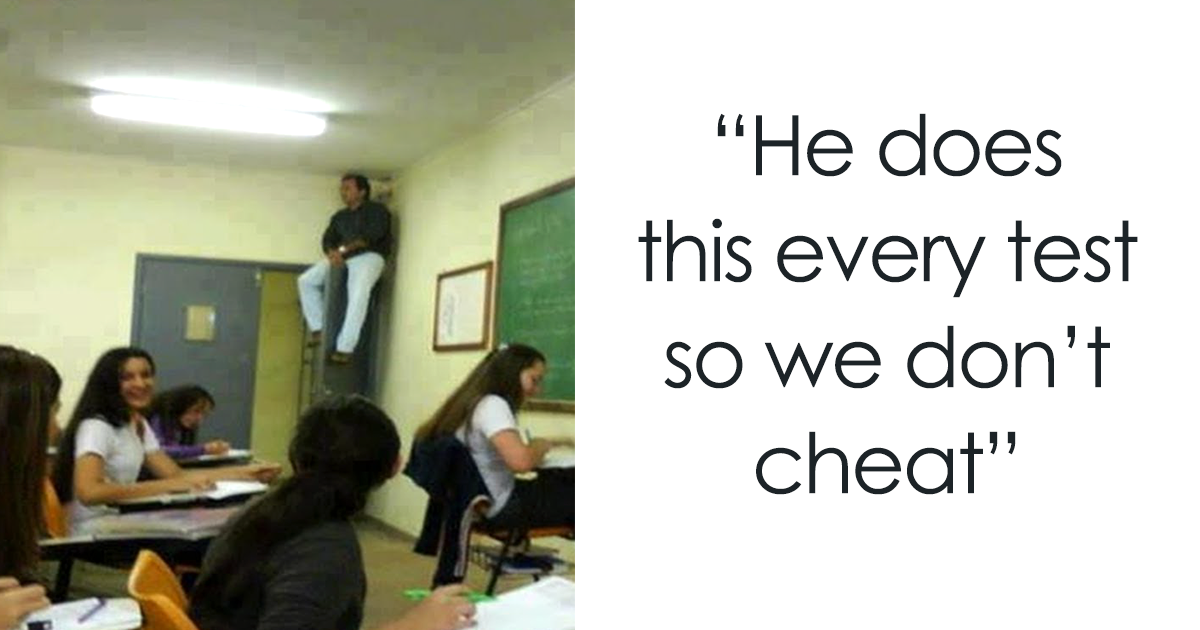
Some teachers assign homework. Some teachers assign character-building. And then there is that elite, slightly chaotic, wildly beloved category of educator who can teach the lesson and land a joke before the bell rings. The best teacher trolling is not mean, not humiliating, and definitely not the kind of prank that sends anyone to the principal’s office clutching their emotional support pencil. It is playful, clever, classroom-safe, and usually so well-timed that students end up laughing even while whispering, “No way they just did that.”
That is the sweet spot this article lives in. The stories and prank styles below are inspired by real classroom moments reported across education sites, parenting outlets, and teacher communities, then rewritten here in a fresh, original way for a fun, web-ready read. Think of it as a celebration of funny teachers, harmless classroom pranks, and the timeless truth that sometimes the person at the whiteboard is the class clown with a lesson plan.
Why students secretly love a funny teacher
Here is the thing about classroom humor: students can spot fake fun from three hallways away. A genuinely funny teacher does not just crack random jokes and hope for mercy. They read the room. They know when tension is climbing, when attention is fading, and when one harmless fake-out can reset the entire vibe. That is why so many funny teacher stories go viral. They are not just jokes. They are little acts of classroom chemistry.
When teacher trolling works, it usually follows three unwritten rules. First, the joke targets the situation, not the student. Second, the prank ends fast enough that nobody feels trapped. Third, there is usually a wink built into it, even when the teacher keeps a perfectly straight face. In other words, the best classroom humor says, “We’re all in on this weird school day together.”
37 epic times teachers hilariously trolled their students
Academic fake-outs that belong in the Hall of Fame
- The fake pop quiz that turned into an April Fools’ reveal. Nothing spikes classroom blood pressure faster than a surprise test. Which is exactly why the harmless fake quiz remains a teacher favorite. A few seconds of panic, a big reveal, and suddenly the whole room is laughing instead of groaning.
- The impossible word search. Students searched. Students circled. Students questioned their eyesight. Then came the twist: none of the words were actually there. Brutal? A little. Memorable? Absolutely.
- The scratch-and-sniff bonus question. A teacher adds a “bonus” prompt telling students to smell the page or the screen. For one glorious moment, the class forgets every internet safety talk they have ever had and leans in like detectives. Comedy achieved.
- The “new emergency drill” no one saw coming. Lava floor drill. Dragon drill. Ice cream glacier drill. The point is not realism. The point is watching a room full of students try to act serious while carrying out instructions that sound like they were written by a sleep-deprived cartoon villain.
- The fake test countdown. The teacher projects something dramatic, lets the room simmer, then reveals the entire thing is a gag. It is the classroom version of a movie jump scare, except with more graph paper.
- The endangered tree octopus research assignment. Students begin a very serious inquiry into a very fake creature, only to realize later that the real lesson was about credibility, sources, and not believing everything with a website.
- The breakup letter that turned into a history lesson. One of the smartest modern examples of teacher trolling is the dramatic bait-and-switch: a juicy mystery letter that students think is pure gossip, only to discover it is actually a lesson hiding inside a prank costume.
- The extra-credit question that was obviously ridiculous… except students still did it. Funny teachers know this truth: if you write “bonus” next to nonsense, at least half the class will try it anyway. That is not a criticism. That is educational anthropology.
Wardrobe comedy and identity chaos
- Dressing up like students. Backward cap. Hoodie. Water bottle the size of a fire extinguisher. Maybe a suspicious amount of slang. The funniest part is not the outfit. It is the teacher acting like this is how they have always looked.
- Dressing as another teacher and staying in character. Librarians pretending to be gym teachers. Math teachers channeling theater energy. Faculty swaps are elite because they confuse students just enough to make the whole day feel slightly off in the best way.
- The fake twin sister substitute. A slight makeup change, a different hairstyle, a carefully altered voice, and suddenly students are squinting like amateur detectives trying to crack a conspiracy before lunch.
- Meme Day domination. Nothing says “I understand internet humor better than you expected” like a teacher showing up dressed as a meme and absolutely committing to the bit.
- The secret spirit day for staff only. Students walk in thinking it is a normal Tuesday and discover the entire faculty coordinated outfits behind the scenes. That level of adult teamwork is both inspiring and mildly terrifying.
- The fake substitute energy. Some teachers walk in acting like a different person entirely, speaking differently, moving differently, and making the class wonder whether they accidentally stepped into an alternate universe.
- The “I’m not your teacher today” deadpan routine. The best version lasts just long enough to create confusion, then collapses into laughter before anyone starts drafting a witness statement.
Props, visuals, and classroom scenery sabotage
- The skeleton that quietly joined class. Biology teachers have a natural advantage here. If there is a skeleton in the room, it is legally required to be funny at least once.
- The coffin prop for bad test scores. Extra? Very. Unforgettable? Also very. Teachers with theatrical instincts know that sometimes a visual joke does all the work.
- The professor photo on the window. A life-size or nearly life-size photo placed just right can create the glorious illusion that the lecturer is already in the room, judging everyone with silent optical trickery.
- The cursed desktop background before finals. Students sit down, look up at the projected screen, and instantly realize their professor woke up and chose nonsense.
- The bizarre course-site profile photo. Updating the online class page with a weird or suspiciously unserious image is the academic equivalent of saying, “Yes, I grade your essays, but I also enjoy chaos.”
- The clock joke during finals. Few things are more psychologically powerful than the classroom clock. So naturally, funny teachers occasionally mess with it. It is evil genius territory, which is why students never forget it.
- The seating chart switch-up. Desks turned backward. Stacked weirdly. Moved to odd corners. Students walk in and immediately know someone in authority had too much fun before first period.
Email, grading, and syllabus-level trolling
- The savage but clean grade announcement. Not cruel. Not personal. Just enough dry humor to let the class know their collective performance has entered the chat.
- The note that politely exposed parental over-helping. Few things hit harder than a teacher writing the academic equivalent of, “I see what happened here, and I would like the adults to know that I see it.”
- The “never say ‘yo’ to your professor” lesson. Some students learn professionalism from a handbook. Others learn it because their professor decided to respond with legendary deadpan energy.
- The fake formal email voice. Teachers who answer a wildly casual message with a hyper-professional masterpiece are not just trolling. They are mentoring through satire.
- The assignment title that was funnier than the lab itself. A dull science activity becomes instantly memorable when the heading reads like a comedy sketch.
- The recorder performance workaround. If a student forgets the instrument, some teachers find a substitute so absurd that the performance becomes more iconic than the original assignment ever could have been.
- The syllabus joke hidden in plain sight. Students who actually read every line feel rewarded. Students who do not suddenly realize they missed a joke and maybe a life lesson.
Digital-age trolling for modern classrooms
- The virtual-class sound effect. Remote learning was full of stress, frozen screens, and accidental mute tragedies. So when one teacher used a perfectly timed silly sound effect to crack up a virtual classroom, it made total sense. Sometimes a ridiculous noise is the reset button.
- The slow desk escape trend. Students inch their desks toward the door like they are in a low-budget prison movie, and some teachers respond by calmly drawing the original desk location on the floor. Comedy loves commitment.
- The teacher who opened the door for the “escape.” That is the advanced move: do not stop the joke. Improve it.
- The Rickroll homework trap. Somewhere, at some point, a teacher decided that if students were going to click a link anyway, they might as well get Astley’d. Educational? Debatable. Funny? Undeniably.
- The fake broken tech moment. The projector “fails,” the slides “vanish,” the page “won’t load,” and then the class realizes they have been beautifully, magnificently played.
- The absurd classroom announcement. A teacher reads something with total seriousness that is obviously nonsense by the second sentence, yet half the class still believes it because authority plus dry delivery is a dangerous combination.
- The call-and-response that got way too theatrical. Funny teachers understand that even routines can be trolled. One day it is a normal attention-getter. The next day it sounds like the opening line of a Broadway audition.
- The goofy visual inserted into a serious slide deck. One cursed image in the middle of a lecture can revive the attention span of an entire room.
- The assignment instructions with a joke reward for careful readers. This is the gentlest troll of all: the students paying attention get the joke, and everyone else learns a valuable lesson about skimming.
What makes teacher trolling funny instead of awful?
Not every prank belongs in a classroom. The good ones are quick, clean, and harmless. They do not embarrass a kid in front of peers. They do not mess with grades for real. They do not single out a student who is already anxious, shy, or struggling. The humor lands because the teacher is laughing with the room, not at someone in it.
That is why the best funny teacher pranks often use props, costumes, weird visuals, fake-outs that last thirty seconds, or lessons disguised as drama. They lower the pressure without lowering the standard. They also make school feel human. Students may forget worksheet number six from a random Tuesday in October, but they will absolutely remember the day their teacher showed up dressed as a teenager and acted like that was normal adult behavior.
Why these moments stick for years
Ask adults about their favorite teachers and they almost never start with test prep. They start with personality. The teacher who could make Shakespeare sound like gossip. The science teacher who weaponized puns. The professor who sent emails so dry they should have come with a hydration warning. Humor makes authority feel approachable, which matters in classrooms where stress can build fast and students are constantly being measured, corrected, timed, and evaluated.
Funny teachers also understand a very underrated truth: laughter can rescue attention. It can turn a tired class around after lunch, soften the edge of a hard lesson, and create the kind of shared memory that makes a classroom feel less like a holding tank and more like a little temporary community. No, a prank does not replace good teaching. But in the hands of a skilled educator, it can absolutely support it.
Extra reflections: the teacher humor experience students actually remember
What makes these stories so sticky is not just that they are funny. It is that they capture a version of school many people wish happened more often: school with a pulse. Most students spend huge chunks of their lives inside classrooms, moving from rule to rule, bell to bell, deadline to deadline. So when a teacher drops a joke at exactly the right moment, it feels like someone opened a window.
Almost everyone has a memory like that. Maybe it was the teacher who wrote a terrible pun on the board every Friday and looked personally offended when nobody laughed. Maybe it was the professor who turned review day into a fake game show. Maybe it was the elementary teacher who acted deeply suspicious of a missing marker cap as if it were a federal case. None of those moments changed the laws of physics. But they changed the emotional weather in the room.
That matters more than people admit. Students are not machines absorbing content. They are humans bringing stress, insecurity, boredom, energy, sleep deprivation, social drama, and a thousand private thoughts into class every day. A funny teacher can cut through all of that with one well-placed bit. Suddenly the room exhales. Suddenly the lesson feels reachable. Suddenly the teacher is not just an authority figure but a person with timing, confidence, and enough self-awareness to be silly on purpose.
There is also something wonderfully democratic about harmless teacher trolling. The straight-A student laughs. The chronic hallway lingerer laughs. The kid who never talks might even crack a smile. For a brief second, the hierarchy of school loosens. Everyone is just reacting to the same ridiculous thing. In a world where students are constantly sorted by scores, behavior, speed, and performance, that shared laugh can be surprisingly powerful.
And let us be honest: students love catching adults being weird. They especially love discovering that the person who assigns essays and reminds them about due dates also owns a sense of humor sharper than half the internet. It flips the script. The teacher is no longer the unmovable object at the front of the room. They become the person capable of sneaking a skeleton into class, faking a pop quiz, or casually opening the door while a student slowly drags a desk toward freedom.
Years later, those are the stories people tell. Not because the prank itself was huge, but because it made school feel alive. It suggested that learning and laughter were not enemies. It reminded students that authority does not always have to be stiff, joyless, or distant. Sometimes it can be clever. Sometimes it can be kind. Sometimes it can look a room full of half-awake teenagers in the eye and say, with a perfectly straight face, “Please prepare for the dragon drill.”
That is why teacher humor keeps traveling so far online and in real life. These moments are funny on the surface, sure. But underneath the joke is something warmer: respect, rapport, timing, and the rare skill of knowing how to make people laugh without making anyone feel small. In school, that is not just good comedy. That is a real talent.
Conclusion
The funniest teacher trolling is never about cruelty. It is about timing, creativity, and knowing exactly how far to push a joke before turning it into a shared laugh. From fake quizzes and costume swaps to visual gags and digital-age classroom bits, these stories prove that humor still has a powerful place in education. A teacher with a sharp sense of fun can turn an ordinary lesson into a memory students carry for years. And honestly, in a world full of deadlines and dry lectures, that deserves extra credit.














