
Note: This publish-ready article is based on verified series information and contains no source-link placeholders or citation markers.
Some crime dramas knock politely. The Beast Must Die kicks the door open, walks into the room, and calmly asks whether revenge counts as a hobby if you are very organized about it. This tense British thriller has everything a one-evening binge needs: a grieving mother with a dangerous plan, a wealthy suspect who radiates villainy like expensive cologne, a haunted detective trying to do the right thing, and an island setting that makes every cliff, road, and kitchen table feel like part of the crime scene.
Starring Cush Jumbo, Jared Harris, and Billy Howle, The Beast Must Die is a revenge thriller built around one devastating question: What happens when justice fails so badly that grief starts making its own schedule? The series follows Frances Cairnes, a mother whose six-year-old son, Martie, is killed in a hit-and-run. When the investigation stalls, Frances does not simply mourn. She investigates, schemes, transforms herself into someone else, and enters the life of the man she believes is responsible.
That setup may sound like a standard crime drama, but the show’s power comes from how carefully it blends detective fiction, psychological suspense, and moral unease. It is not just about whether Frances will get revenge. It is about whether revenge can ever feel clean, whether grief can be trusted as evidence, and whether the truth still matters when everyone involved has already been damaged beyond repair. Cheerful? Not exactly. Addictive? Absolutely.
What Is The Beast Must Die About?
The Beast Must Die is a contemporary adaptation of the Nicholas Blake novel of the same name. Nicholas Blake was the pen name of Cecil Day-Lewis, and the original story belongs to the classic tradition of literary crime fiction: morally sharp, psychologically loaded, and very interested in what happens when ordinary people are pushed past their limits.
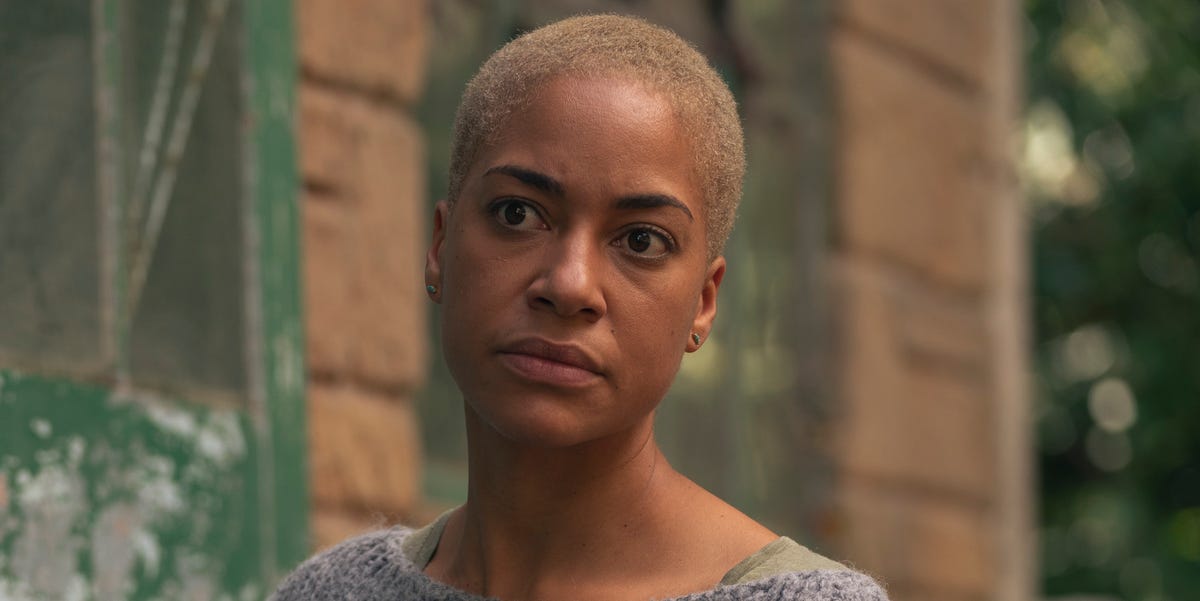
The television version updates the story for modern audiences while keeping the central emotional engine intact. Frances Cairnes, played with fierce control by Cush Jumbo, is not a detective, police officer, or professional avenger. She is a mother whose world has been shattered. Her son is gone. The person who killed him has not been held accountable. The system has moved on with all the warmth of a malfunctioning printer. Frances, understandably, has not.
Her target is George Rattery, played by Jared Harris. George is wealthy, cruel, entitled, and so aggressively unpleasant that even the furniture seems nervous around him. Frances believes he is the driver responsible for Martie’s death. Instead of confronting him directly, she poses as a novelist researching a murder mystery and carefully works her way into his family’s home. It is a brilliant dramatic device because every polite conversation has teeth. A dinner scene becomes a battlefield. A smile becomes camouflage. A guest room becomes enemy territory.
Meanwhile, DI Nigel Strangeways, played by Billy Howle, arrives on the Isle of Wight carrying his own trauma. He is not the swaggering detective who solves cases by squinting at rain. He is fragile, exhausted, and struggling with post-traumatic stress after the death of a colleague. As he reopens questions around Martie’s case, he begins to suspect that the original investigation may have been mishandled or worse. Suddenly, the series becomes a two-track thriller: Frances is closing in from inside George’s world, while Strangeways is trying to uncover the truth before her grief turns fatal.
Why the Series Feels So Addictive
The reason The Beast Must Die is so easy to watch in one evening is simple: every episode ends with the emotional equivalent of someone quietly placing a loaded weapon on the table. The show is not noisy or frantic. It does not rely on endless car chases, exploding evidence boards, or detectives yelling at laptops. Its suspense is slower, sharper, and more elegant.
The addictive quality comes from the gap between what characters say and what they mean. Frances often speaks calmly, but the audience knows she is calculating. George performs charm when it suits him, yet his cruelty keeps leaking through the cracks. Strangeways tries to follow procedure, but he is emotionally unraveling as he gets closer to the truth. The result is a thriller where the danger often sits in silence. A pause can feel as threatening as a confession.
For viewers who love detective dramas like Broadchurch, Happy Valley, Mare of Easttown, or The Fall, this series offers a familiar pleasure with a slightly different flavor. It has the coastal melancholy of a British crime drama, the moral weight of a revenge story, and the character-driven tension of prestige television. It is the kind of show where you tell yourself, “Just one more episode,” and then suddenly it is midnight, your tea is cold, and you are emotionally cross-examining everyone on screen.
Cush Jumbo Gives the Series Its Beating Heart
Cush Jumbo’s performance as Frances Cairnes is the main reason the series lands with such force. Frances could easily have been written as a one-note revenge figure, but Jumbo makes her far more complicated. She is devastated, yes, but she is also intelligent, observant, funny in flashes, and terrifyingly disciplined. She does not storm into George Rattery’s life. She studies it, maps it, and waits for the right opening.
What makes Frances compelling is that the audience understands her without being asked to approve every choice she makes. Her grief is not tidy. It does not arrive in beautiful speeches or convenient tearful close-ups. It appears in her posture, her stillness, the way she seems to be living outside her own body until the possibility of revenge gives her a purpose. That purpose is dangerous, but the show is honest about why it feels necessary to her.
One of the smartest aspects of The Beast Must Die is that it refuses to turn Frances into either a saint or a monster. She is a mother in pain, and pain has made her strategic. Her plan is both understandable and horrifying. The audience is invited to sit in that discomfort, which is exactly where a good revenge thriller should live.
Jared Harris Makes George Rattery Horribly Watchable
Jared Harris is one of those actors who can make a quiet line sound like a legal threat wrapped in silk. As George Rattery, he plays a man who has spent a lifetime mistaking wealth for moral superiority. George is not a cartoon villain twirling a mustache. He is worse: believable. He is the kind of person who dominates rooms not because he is impressive, but because everyone else has learned it is easier not to challenge him.
George’s cruelty is casual, which makes it more chilling. He belittles people, manipulates his family, and treats accountability like something that happens to other tax brackets. Harris gives him charm, arrogance, and a decaying inner rot that keeps the viewer watching even when George is unbearable. You do not enjoy his company. You enjoy watching the show slowly tighten the net around him.
The scenes between Frances and George are the series at its most electric. She enters his world pretending to be fascinated by him. He responds to attention because vanity is apparently his favorite food group. The audience knows Frances is hunting him, but George is not stupid. Their interactions become a psychological duel, full of tiny tests, shifting power, and the constant possibility that one of them will miscalculate.
Billy Howle’s Detective Adds Moral Balance
DI Nigel Strangeways gives The Beast Must Die its detective backbone. Without him, the series might become only a revenge fantasy. With him, it becomes a more layered story about law, guilt, and the difference between justice and punishment.
Billy Howle plays Strangeways as wounded but not weak. He is dealing with trauma, and the show does not treat that trauma as a decorative character quirk. It affects his judgment, his relationships, and his ability to function inside a police system that is already imperfect. He wants to do the right thing, but he is not always sure he is capable of it. That uncertainty gives the character depth.
His pursuit of the truth also creates the central tension of the series: Frances and Strangeways may want the same person exposed, but they are not playing by the same rules. He wants evidence. She wants closure. He wants to prevent another tragedy. She is willing to risk becoming one. That conflict makes the show far more interesting than a simple “mother versus villain” story.
The Isle of Wight Setting Is More Than a Pretty Background
The Isle of Wight setting gives The Beast Must Die a distinct atmosphere. The landscape is beautiful, but the show uses beauty like a warning sign. Open roads, cliffs, beaches, and large houses become spaces where secrets can hide in plain sight. The scenery is calm, almost postcard-perfect, while the characters are internally combusting. That contrast gives the series its moody elegance.
Island settings work especially well in detective drama because they create a subtle sense of containment. Even when characters are outdoors, they feel trapped. Everyone is connected by geography, gossip, history, or class. Frances cannot simply disappear into the crowd. George cannot fully escape suspicion. Strangeways cannot avoid the failures of the police department he has inherited. The island becomes a pressure cooker with excellent coastal views.
Visually, the series leans into gray skies, cool interiors, and tense domestic spaces. It understands that a thriller does not need darkness in every frame to feel ominous. Sometimes daylight is worse. Sometimes the most frightening place is a well-appointed dining room where everyone is pretending not to know that something monstrous is sitting at the table.
Revenge, Grief, and the Question of Justice
At its core, The Beast Must Die is not asking whether revenge is exciting. Of course it is exciting. Fiction has known that forever. The deeper question is whether revenge can ever give back what grief has taken. Frances wants George to suffer because Martie is dead and someone must answer for that loss. But the show understands that revenge is not the same as restoration. It may create motion. It may create drama. It may even create a temporary sense of purpose. But it cannot reverse the original wound.
This is where the series becomes more thoughtful than the average revenge thriller. Frances is not chasing revenge because she is naturally violent. She is chasing it because the official path to justice has failed her. That distinction matters. The show does not celebrate vigilantism in a simplistic way, but it does make viewers feel the anger that grows when institutions seem indifferent to pain.
George Rattery’s privilege also sharpens the story. He represents a world where money softens consequences and cruelty hides behind status. The possibility that someone like him could cause devastation and continue living comfortably is what fuels Frances’s fury. The show uses that class tension effectively, turning George’s home into both a fortress and a trap.
Is The Beast Must Die Worth Watching?
Yes, especially if you like crime dramas that prioritize atmosphere, performance, and moral tension over cheap twists. The Beast Must Die is not a breezy background show to play while folding laundry. It asks for attention. The reward is a compact, emotionally charged thriller that feels complete enough to binge in one evening and layered enough to think about afterward.
The series is especially strong for viewers who enjoy character-driven suspense. Cush Jumbo and Jared Harris are the obvious highlights, but Billy Howle’s quieter performance gives the story necessary balance. The supporting cast also helps create a world that feels lived-in, uneasy, and full of private damage.
It is fair to say that the show’s pacing will not suit everyone. Some viewers may want a faster procedural rhythm or a twist every ten minutes. The Beast Must Die is more patient than that. It prefers dread to shock. It builds tension by letting characters sit too long in rooms where they should not be. For the right audience, that is not a flaw. That is the good stuff.
Why It Works as a One-Evening Binge
The best one-evening thrillers have a particular shape. They need enough story to feel substantial, but not so much that the viewer needs a calendar, a corkboard, and three emotional support snacks to finish them. The Beast Must Die fits that sweet spot. Its limited-series structure keeps the plot focused. Every episode moves Frances closer to George, Strangeways closer to the truth, and the audience closer to the uncomfortable realization that justice may not arrive in the form anyone expects.
Because the show is compact, it avoids the common crime-drama problem of stretching a mystery until it becomes a yoga class. The central premise remains strong from beginning to end: a mother enters the home of the man she believes killed her child, intending to destroy him. That is clean, powerful, and instantly gripping. The detective storyline adds complexity without overcrowding the narrative.
It also helps that the performances are rich enough to carry quieter moments. Even when no major plot twist is happening, the viewer is watching faces, motives, and emotional calculations. Frances is always measuring risk. George is always measuring control. Strangeways is always measuring how much of himself he can keep together. That makes the show feel active even in silence.
Experience Section: Watching The Beast Must Die in One Evening
Watching The Beast Must Die in one evening feels less like casual streaming and more like agreeing to follow a storm cloud around until it finally breaks. The first episode pulls you in with grief and suspicion, but the real hook is emotional momentum. Frances does not begin as a superhero of revenge. She begins as a person who has lost the most important thing in her life and cannot accept that the world expects her to keep breathing politely. That feeling is what makes the binge experience so gripping.
The best way to watch the series is with minimal distractions. This is not the show for scrolling through your phone while pretending you are “still following.” You will miss the small looks, the shifts in tone, the way Frances changes her voice depending on who is listening. Half the tension lives in what is not said. A glance across a table can do more damage than a shouting match. In fact, several scenes feel like verbal chess, except one player may be planning murder and the other is too arrogant to notice the board is on fire.
As a viewer, the experience becomes strangely participatory. You may start by rooting for Frances without hesitation. Then the show makes you sit with the consequences of that instinct. Would revenge satisfy her? Would it honor Martie? Would it make George pay, or simply turn Frances into another casualty of his actions? These questions make the binge feel more intense than a standard whodunit. You are not merely solving the case. You are negotiating with your own sense of justice.
The middle episodes are where the one-evening watch becomes especially addictive. Frances is inside the Rattery household, and every interaction feels unstable. George’s family dynamic is uncomfortable, brittle, and full of people who have adapted to his dominance in different ways. The home itself begins to feel like a sealed environment. Frances came there to hunt, but she is also surrounded by emotional debris that complicates her mission. That is when the show becomes more than “will she do it?” It becomes “what will this place do to her before she gets the chance?”
DI Strangeways adds another layer to the viewing experience because his investigation gives the audience a second path through the story. When Frances acts from pain, Strangeways tries to act from principle, but he is hardly untouched by trauma. Watching those two tracks move closer together creates a steady, low-frequency tension. You know they cannot both fully get what they want. Someone will arrive too late, push too far, or learn something at the worst possible moment.
By the final stretch, the show has done what good detective dramas do best: it has made the mystery personal. The question is no longer only who is guilty. It is who has been broken, who has been protected, who has been ignored, and who will have to live with the truth once it finally comes out. That is why The Beast Must Die lingers after the credits. It offers suspense, yes, but also an emotional hangover. The classy kind, naturally. British crime drama rarely spills its drink, even when everyone’s life is falling apart.
Final Verdict
The Beast Must Die earns its reputation as an addictive revenge series because it combines a sharp premise with excellent performances and a heavy moral atmosphere. It is detective drama with a bruised heart: elegant, tense, and quietly devastating. Cush Jumbo brings fire and restraint to Frances Cairnes, Jared Harris makes George Rattery a villain worth studying, and Billy Howle gives the story its wounded conscience.
For anyone searching for a compact thriller to watch in one evening, this series is an easy recommendation. It has mystery, grief, class tension, psychological games, and enough suspenseful dinner-table energy to make you suspicious of anyone serving wine too confidently. More importantly, it understands that revenge stories work best when they make us question why we wanted revenge in the first place.
So yes, call it “detective drama perfection” if your idea of perfection includes grief, secrets, moral panic, and Jared Harris making everyone uncomfortable with surgical precision. The Beast Must Die is not comfort viewing. It is better than that. It is the kind of thriller that grabs your attention, tightens its grip episode by episode, and leaves you staring at the screen afterward thinking, “Well, that was a lot,” while immediately wanting to recommend it to someone else.














