
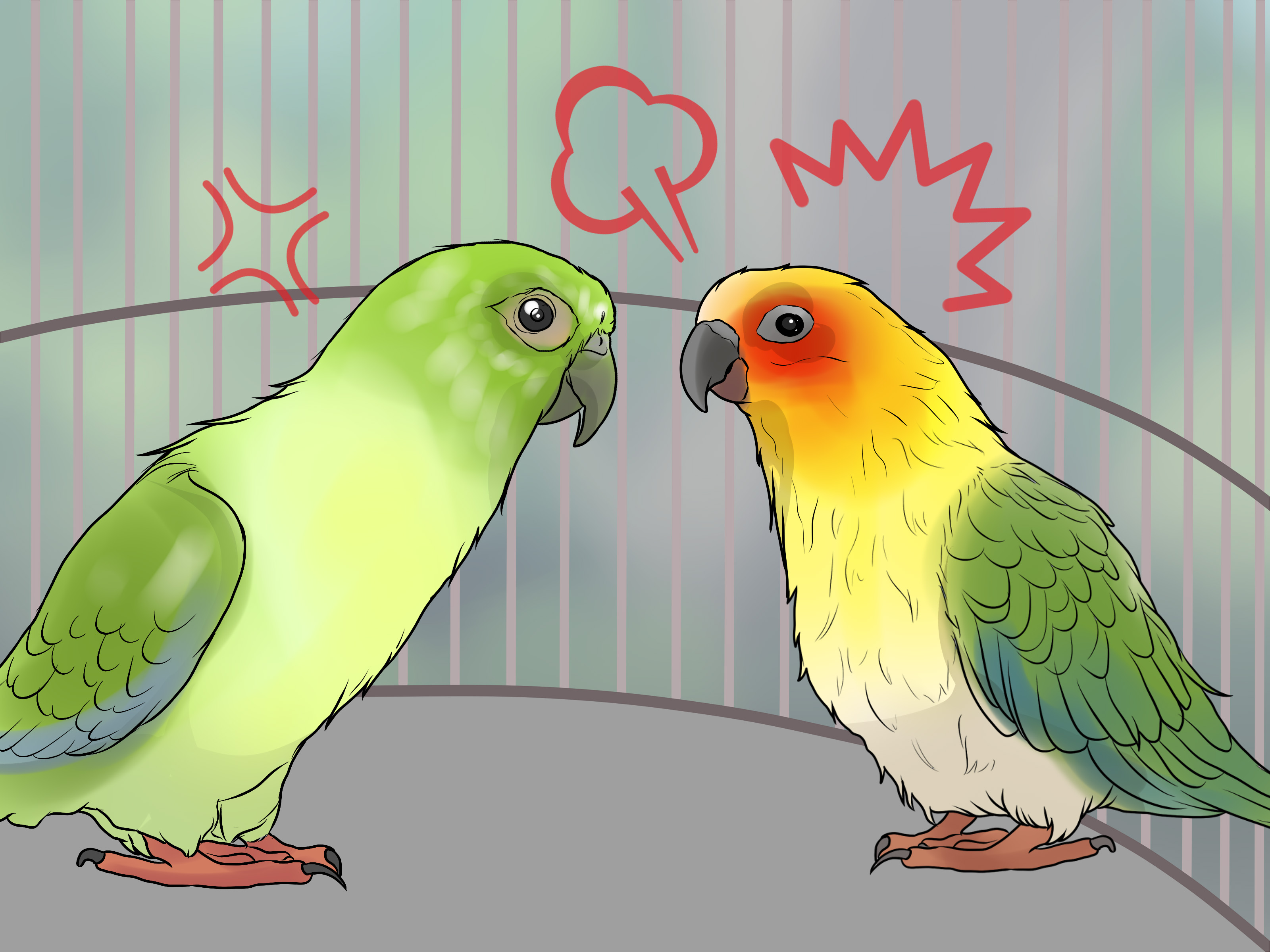
Bonding a pair of conures can feel a little like hosting a tiny feathered roommate reality show. One bird wants the swing. The other wants the treat bowl. Both want your attention, and neither has read the household peace treaty. Still, with patience, structure, and a good sense of humor, two conures can learn to feel safe around each other and may even become a cheerful little flock.
Conures are social, intelligent, playful parrots. They are famous for big personalities packed into compact bodies, which means bonding them is not as simple as placing two birds together and hoping they exchange friendship bracelets. A successful bond depends on safety, slow introductions, positive reinforcement, and respect for each bird’s comfort level.
This guide explains 3 ways to bond a pair of conures using practical, bird-friendly methods. Whether you have green-cheek conures, sun conures, black-capped conures, or another small-to-medium conure species, the basic principles remain the same: go slowly, supervise closely, reward calm behavior, and never force contact.
Why Bonding Two Conures Takes Time
Conures are flock animals, but “flock animal” does not mean “automatically best friends with every bird they meet.” In the wild, parrots use space, vocalizations, body language, and repeated interactions to decide who is safe. In a home, they have fewer escape routes and more shared resources, so introductions must be handled carefully.
A pair of conures may bond quickly, gradually, or not at all. Some birds become inseparable cuddle buddies. Others prefer a polite “we can hang out, but do not touch my rope perch” arrangement. Both outcomes can be healthy. The goal is not to force romance, friendship, or cage-sharing. The goal is to build trust and reduce stress.
Common Signs Your Conures Are Comfortable
Comfortable conures often show relaxed feathers, normal eating, gentle vocalizations, side-by-side perching, mutual curiosity, and playful body language. They may preen themselves calmly near each other or choose to move closer without pressure.
Warning Signs to Take Seriously
Separate the birds immediately if you see lunging, chasing, biting, pinned eyes with aggressive posture, repeated screaming in distress, guarding food bowls, cornering, or one bird trying to escape. A conure’s beak may be small compared with a macaw’s, but it did not come from the factory as a decorative accessory.
Way 1: Start With Separate Cages and Slow Introductions
The first and most important way to bond a pair of conures is to begin with separate cages. This protects both birds physically and emotionally. It also prevents territorial drama, which is basically the bird version of someone moving into your bedroom and rearranging your snacks.
If one conure is new to the household, start with a quarantine period in a separate room. A new bird should be examined by an avian veterinarian, especially before being introduced to another bird. Quarantine helps reduce the risk of spreading illness and gives the newcomer time to adjust to new sounds, routines, and people.
Step 1: Let Them Hear Each Other First
Before the birds see each other up close, allow them to hear each other from separate spaces. Conures are vocal birds, and sound is part of flock communication. If both birds remain calm, eat normally, and do not show panic, you can gradually move to visual introductions.
Step 2: Place Cages in the Same Room at a Distance
After quarantine and a health check, place the cages in the same room but several feet apart. Watch their reactions. A little curiosity is normal. Excited chirping, stretching toward the other cage, or relaxed observation can be good signs. Constant alarm calls, frantic movement, or aggression means you should increase the distance again.
Keep this stage calm and predictable. Do not rush. Some conures need days; others need weeks. Bird relationships are not microwave popcorn. Pressing “start” and waiting three minutes will not do the job.
Step 3: Move the Cages Closer Gradually
If both birds remain relaxed, move the cages slightly closer over time. Pair this with pleasant experiences such as fresh vegetables, favorite pellets, or a small training treat. The idea is simple: “When the other bird is nearby, good things happen.” This creates positive association without forcing contact.
Step 4: Avoid Putting One Bird Into the Other Bird’s Cage
Never place a new conure directly into the resident bird’s cage. A cage is a safe territory, not a surprise party venue. Even a friendly bird may become defensive if another bird suddenly appears near its food dish, sleeping perch, or favorite toy.
When the birds eventually interact outside their cages, use a neutral area that neither bird strongly claims. A play stand, bird-safe table perch, or supervised room setup often works better than a cage top owned by one very opinionated conure.
Way 2: Use Neutral Territory and Supervised Shared Activities
The second way to bond a pair of conures is to create short, positive meetings in neutral territory. This is where the birds learn that being near each other can be safe, fun, and snack-adjacent.
Before any out-of-cage meeting, bird-proof the area. Close doors and windows, turn off ceiling fans, remove unsafe plants, cover mirrors if needed, keep other pets away, and make sure there are multiple perches or landing spots. The goal is a peaceful play session, not an indoor feathered obstacle course.
Start With Short Sessions
Keep the first meetings brief. A few calm minutes are better than a long session that ends in stress. End while things are still going well. This teaches both conures that shared time has a beginning, a middle, and a safe ending.
Stay close, but do not hover nervously like a helicopter with anxiety. Birds read human energy. If you act as if disaster is guaranteed, your conures may wonder what monster is hiding behind the millet spray.
Offer Duplicate Resources
When bonding two conures, duplicate important resources. Provide two treat spots, two perches, two toys, and enough space for both birds to choose distance. Competition can create tension, especially if one bird is bolder or more food-motivated.
For example, if you offer a small piece of bell pepper, give each bird a piece rather than making them share one. Sharing may come later. At the beginning, fairness matters more than cuteness.
Use Parallel Play
Parallel play means both birds do a similar activity near each other without needing direct physical contact. This can include shredding paper toys, exploring a play gym, target training, bathing in separate shallow dishes, or foraging from separate cups.
Parallel play works beautifully because it removes social pressure. The birds are together, but they are not trapped in an awkward first date. They can observe, participate, and build confidence at their own pace.
Watch Body Language Carefully
Conure body language changes fast. A bird may go from curious to annoyed in seconds. Watch for stiff posture, open beak threats, quick lunges, raised nape feathers, rapid chasing, or one bird repeatedly invading the other’s space.
If tension rises, calmly redirect. Ask a trained bird to step up, move a perch, offer a treat away from the conflict, or end the session. Do not scold or punish. Punishment can increase fear and make the other bird seem like the cause of bad things.
Build a Routine
Conures often respond well to routine. Try short shared sessions at predictable times, such as after breakfast or before evening quiet time. Familiar routines reduce uncertainty and help both birds understand what to expect.
A sample routine could look like this: five minutes of separate cage-door time, ten minutes on separate play stands, two minutes of target training, then back to cages with a favorite vegetable. It is simple, repeatable, and much better than “let’s see what happens,” which is not a plan so much as a sitcom setup.
Way 3: Strengthen the Bond With Positive Reinforcement
The third way to bond a pair of conures is to use positive reinforcement. This means rewarding behaviors you want to see more often: calm sitting, gentle curiosity, stepping away when asked, playing near each other, or returning to the cage without drama.
Positive reinforcement is especially useful because conures are smart. Sometimes too smart. A conure can learn your schedule, your snack habits, and the exact sound of a treat container opening from three rooms away. Use that intelligence for good.
Find Each Bird’s Favorite Reward
Different conures value different rewards. One may love a sunflower seed, another may prefer a tiny piece of almond, a bit of millet, praise, head scratches, or access to a favorite toy. Keep treats small so training does not accidentally become an all-you-can-eat buffet with feathers.
Use high-value treats only for important bonding moments. If the birds calmly sit near each other, reward both. If one bird chooses not to chase the other, reward that excellent life choice. If both return to their cages peacefully, celebrate like you just won the small-parrot Olympics.
Train Each Bird Individually
Before training them together, work with each conure separately. Teach basic behaviors such as step up, step down, target touch, stationing on a perch, and returning to the cage. These skills give you safe ways to guide the birds during shared time.
Station training is especially helpful. Each bird learns to go to a specific perch or spot. During bonding sessions, this prevents crowding and gives both birds a clear job. Instead of arguing over who owns the play stand, each bird has a station and a reason to stay calm.
Train Them Near Each Other
Once each bird understands basic cues, train them near each other at a comfortable distance. Ask one bird to target, reward, then ask the other. Keep the pace smooth and fair. This teaches cooperation and reduces jealousy.
Be careful with attention balance. Conures can be dramatic when they feel ignored. One bird may interrupt training by climbing onto your hand, your shoulder, or possibly your soul. Reward patience, not pushiness.
Encourage Calm, Not Clinginess
A bonded pair of conures does not need to be glued together every second. In fact, healthy bonding includes independence. Encourage each bird to play alone, interact with you, forage separately, and rest without panic.
This matters because overly dependent birds may scream when separated or become defensive around people. The best bond is flexible: the birds enjoy each other, but each still feels secure as an individual.
Should Bonded Conures Share One Cage?
Some bonded conures eventually share a cage successfully, but it should never be the starting point. Separate cages are safer during introductions and may remain the best long-term setup for many pairs. Even birds that love each other during playtime may prefer sleeping separately.
If you are considering one shared cage, wait until the birds have shown consistent calm behavior over time. Choose a large cage with multiple feeding stations, several perches, duplicate toys, and enough space for each bird to move away. Introduce them to the shared cage as neutral territory, not as one bird’s old cage.
Monitor closely for food guarding, sleep disruption, feather damage, bullying, or stress. If one bird controls resources or the other appears nervous, return to separate cages. Separate housing is not failure. It is often excellent bird management.
What If One Conure Is Older, Younger, Shy, or Pushy?
Age, personality, and past experience matter. A young conure may be energetic and socially bold, while an older bird may be more cautious. A rescue bird may need extra time if it has experienced stress, poor handling, or repeated rehoming.
Match the bonding pace to the more nervous bird. The confident bird may be ready to mingle, but the shy bird gets a vote. Actually, the shy bird gets several votes, a committee seat, and probably veto power.
When One Bird Is Too Pushy
If one conure keeps chasing, crowding, or stealing treats, increase distance and train stationing. Reward the pushy bird for staying on its own perch. Reward the quieter bird for calm confidence. Do not let one bird practice bullying, even if it looks playful at first.
When One Bird Is Fearful
If one bird retreats, freezes, or avoids the other, slow down. Increase distance, reduce session length, and focus on positive association. Fearful birds need control. Let them choose when to move closer.
Common Mistakes When Bonding a Pair of Conures
Mistake 1: Rushing the Process
The most common mistake is moving too fast. A few good sessions do not mean the birds are ready to live together. Build a long pattern of calm behavior before increasing freedom.
Mistake 2: Expecting Instant Friendship
Some conures bond quickly, but others need weeks or months. Their relationship is not less valid because it develops slowly. Think of it as a careful friendship, not a speed-dating event with feathers.
Mistake 3: Ignoring Jealousy
Conures can become jealous of attention, treats, toys, or preferred people. Balance your interaction. Reward both birds. Avoid letting one bird sit on your shoulder while the other becomes frustrated nearby.
Mistake 4: Using One Food Bowl
One bowl can create competition. Use multiple feeding stations, especially if the birds share playtime or a cage. Food should not become a tiny battlefield with pellets.
Mistake 5: Punishing Normal Bird Communication
Birds use beaks, posture, and sound to communicate. Instead of punishing warnings, learn from them. A warning lunge or open beak may mean “too close.” Respecting that message can prevent a real bite.
Practical Bonding Plan for Two Conures
Here is a simple bonding plan you can adapt to your birds:
Week 1 to 2: Safety and Observation
Keep the birds in separate cages. Allow them to hear and later see each other from a distance. Reward calm behavior. Do not allow direct contact yet.
Week 3 to 4: Closer Cage Placement
Move cages gradually closer if both birds remain relaxed. Offer treats and enrichment when they are near each other. Watch for signs of stress or territorial behavior.
Week 5 and Beyond: Neutral Play Sessions
Begin short supervised meetings in neutral territory. Use duplicate toys, separate treats, and station training. Increase time only when both birds stay comfortable.
This timeline is flexible. Some pairs need more time at each stage. Let the birds set the pace. The calendar is less important than body language.
of Real-Life Experience: What Bonding Two Conures Often Feels Like
Bonding a pair of conures is not always a smooth, cinematic montage where two birds meet, chirp softly, and immediately become best friends under golden lighting. In real life, it often starts with suspicious side-eye. One bird leans forward as if thinking, “Who invited this tiny dinosaur?” The other bird fluffs up and acts like the entire room has become a courtroom.
One of the most useful experiences many bird owners discover is that distance can be magical. When two conures are too close too soon, every movement feels intense. A simple hop becomes a challenge. A toy swing becomes disputed property. But when the cages are placed far enough apart, both birds can observe without pressure. They can eat, preen, and relax while the other bird exists nearby. That quiet “nothing bad happened” experience is the foundation of bonding.
Another common lesson is that treats are powerful, but timing matters. If you reward after one bird lunges, you may accidentally reward the lunge. If you reward when both birds are calm, you teach calmness. A tiny treat delivered at the right second can do more than ten minutes of talking. Conures are intelligent, but they are also wonderfully direct: good behavior plus good snack equals “I may try that again.”
Many owners also learn that equal attention prevents drama. If one conure is already bonded to a person, a new bird can trigger jealousy. The original bird may become clingier, louder, or more defensive. This does not mean the introduction has failed. It means the bird needs reassurance and structure. Training both birds separately, then near each other, helps them understand that attention is not disappearing. It is simply being shared.
Neutral territory is another game changer. A resident bird may guard its cage top, favorite perch, or food area, even if it is normally sweet. Moving both birds to a neutral play stand changes the emotional temperature. Suddenly, neither bird owns the space. This reduces pressure and makes it easier to reward curiosity instead of conflict.
Owners often feel tempted to celebrate too early. Maybe the birds sit together once, and the human brain immediately imagines matching bird pajamas and a shared cage. Resist that urge. A single peaceful session is a great sign, but bonding is proven through repetition. Look for patterns over days and weeks: calm eating, relaxed perching, gentle play, and the ability to separate without panic.
The biggest experience-based tip is simple: end sessions before trouble starts. Humans often stretch a good moment until the birds become tired, hungry, or overstimulated. Then a perfect session ends with a squabble. Instead, stop while both birds are still calm. Return them to their cages, offer a small reward, and let the memory of the session be positive.
Finally, remember that success may look different for every pair. Some conures become cuddly companions who preen each other and nap side by side. Others become friendly neighbors who enjoy shared playtime but prefer separate cages. Both outcomes can be healthy. A bonded pair does not have to match a social media clip. If your birds are safe, relaxed, enriched, and able to enjoy life without constant conflict, you are doing something right.
Final Thoughts
Learning how to bond a pair of conures requires patience, observation, and respect for each bird’s personality. Start with separate cages, introduce them slowly, use neutral territory, and build trust with positive reinforcement. Do not force closeness, do not rush cage-sharing, and do not ignore warning signs.
Conures may be small, but their emotions, preferences, and social needs are big. When you give them time and structure, you create the best chance for a peaceful relationship. And if they eventually become best friends, congratulations: you now live with a tiny feathered comedy duo that accepts payment in vegetables, pellets, and enthusiastic applause.
Note: This article is for general educational purposes. For health concerns, quarantine guidance, injury risk, or serious aggression between birds, consult a qualified avian veterinarian or certified avian behavior professional.














