
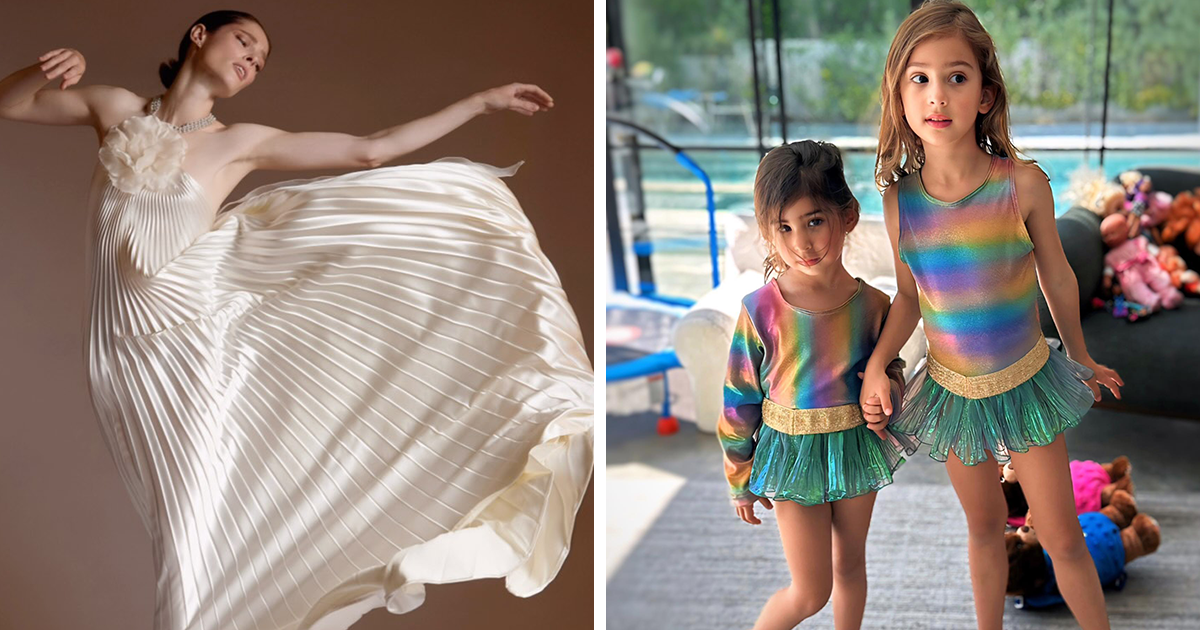
Every so often, the fashion world gets a reminder that creativity does not always arrive wearing a black turtleneck, carrying a mood board, and saying “seasonal direction” three times before breakfast. Sometimes it shows up as a child with a mannequin, a sewing machine, a wild imagination, and the confidence to turn leftover fabric into something that makes adults stop scrolling mid-coffee.
That is the charm of Max Alexander, the young designer behind Couture to the Max, whose colorful gowns, clever upcycled pieces, and runway-ready silhouettes have made him one of the most talked-about young creatives online. When many readers first discovered him through viral galleries and social media posts, he was an 8-year-old fashion prodigy with a growing portfolio, a Guinness World Records title, and a design style that felt both playful and surprisingly polished. Since then, his story has only grown bigger, reaching New York Fashion Week, Paris Fashion Week, celebrity clients, and millions of followers.
The headline may sound like internet exaggeration, but the real story is even more interesting. Max is not simply “cute kid makes dresses.” He is a young maker with a clear point of view: bold color, sculptural shape, handmade details, and a serious interest in reusing materials that might otherwise end up as waste. In other words, he is doing what many adult brands are still trying to put into a PowerPoint presentation.
Who Is Max Alexander?
Max Alexander is a Los Angeles-born fashion designer who began designing and sewing at a very young age. According to his official brand biography, he announced to his family in 2020 that he was a dressmaker. Instead of treating that statement like a temporary childhood phase, his family encouraged him. Soon, ribbons, scraps, plastic wrap, tape, and fabric experiments became more refined garments. By age five, he had started formal sewing lessons, and his label, Couture to the Max, began taking shape.
His early creative world was influenced by art as much as fashion. Names like Vincent van Gogh, Yayoi Kusama, Frida Kahlo, and Alexander Calder appear in the background of his story, and that makes sense when you look at his clothes. They are rarely shy. They often feel like wearable sculpture: flowers, volume, texture, movement, and bright colors all show up as if they were invited to the same birthday party and nobody told them to calm down.
Max’s rise became even more remarkable when Guinness World Records recognized him as the youngest person to design a runway show. He achieved the title at 7 years and 266 days old in Denver, Colorado, in November 2023. For that show, he was credited with creating his designs and helping select models, hair, makeup, and the overall presentation. Many grown designers would call that stressful. Max apparently called it Tuesday.
Why His Designs Went Viral
Max Alexander’s work spread online because it checks several boxes at once. First, the designs are visually strong. Social media loves a big silhouette, a dramatic flower detail, a shimmering fabric, or a gown that looks like it entered the room before the model did. Max’s pieces often have that instant “wait, who made this?” effect.
Second, his process is easy to root for. Instead of presenting fashion as something locked behind velvet ropes, he often appears in studios, around mannequins, with fabric in hand. That makes the work feel accessible. Viewers can see the transformation from idea to garment, which is far more interesting than only seeing a finished look posed under perfect lighting.
Third, the story has sincerity. Max has repeatedly shown enthusiasm for making people feel beautiful and for giving old materials a second life. In a fashion culture often criticized for overproduction, trend-chasing, and waste, a young designer talking about reuse lands with surprising force. It is hard not to pay attention when a child explains sustainability with more urgency than some corporate campaigns.
The “33 Pics” Appeal: A Gallery Built for Wonder
The “33 Pics” format works because Max’s designs are better experienced as a visual parade than as a single image. One dress may highlight a clean white structure; another may lean into florals; another may turn unexpected materials into couture-like drama. The best galleries of his work show range: runway moments, close-ups, studio shots, colorful gowns, and models wearing pieces that feel both whimsical and ambitious.
Part of the fun is noticing how different each design can be. Some looks are elegant and polished, the kind of dresses that could glide into a red-carpet event without asking permission. Others are experimental, more like wearable art projects. There are pieces made with recycled or repurposed textiles, including materials such as coffee bean bags, old wedding dresses, deadstock fabric, and shopping bags. That mix gives his portfolio a personality: polished enough for fashion week, playful enough to remind you the designer still has homework.
And that contrast is exactly why the internet responds. Max’s work has the seriousness of fashion craft but the spark of a child’s imagination. The result is not childish. It is childlike in the best sense: curious, fearless, and completely uninterested in boring beige.
From Viral Kid Designer to Runway Record Holder
Max’s public journey accelerated quickly. Good Morning America featured him as a 6-year-old designer whose pieces were already getting attention online. PEOPLE later covered his rise as an 8-year-old designer with more than 100 custom handmade garments in his portfolio. His designs have been linked to celebrity clients such as Sharon Stone and Debra Messing, and his work has appeared in major media conversations about young talent, sustainability, and social-media-era fashion.
At New York Fashion Week in 2024, Max debuted a collection that included six never-before-seen gowns. Reports described pieces made from recycled coffee bean bags, neckties, and repurposed garments. One standout look involved transforming a vintage wedding dress with colorful mesh, organza, and fabric flowers. That is the kind of sentence that sounds like chaos until you see the result and think, “Fine, the kid has a point.”
Then came an even bigger milestone: Paris Fashion Week. At age 10, Max presented a sustainable 15-look collection at the Palais Garnier in Paris, becoming the youngest runway show designer at Paris Fashion Week according to Guinness World Records. The collection reportedly used a high percentage of sustainable materials, including deadstock, surplus, recycled bags, biodegradable fabrics, an Indian sari, and even repurposed luxury dust bags and a military parachute. For a designer of any age, that is ambitious. For a fourth-grader, it is almost unfair to everyone still trying to thread a needle.
What Makes Max Alexander’s Fashion Style Stand Out?
1. He Designs With His Hands, Not Just His Head
Fashion can begin with sketches, but Max’s process is often described as more direct and tactile. He works with fabric on a form, allowing material to suggest movement, shape, and mood. This method resembles draping, one of fashion design’s oldest and most important techniques. Draping allows a designer to manipulate fabric in three dimensions, discovering volume and structure as the garment develops.
That hands-on approach suits Max’s personality. His designs do not feel overly calculated. They feel discovered, as if the fabric whispered an idea and he decided to answer in ruffles.
2. He Uses Color Like a Main Character
Many of Max’s designs embrace bold color: bright florals, tropical tones, dramatic contrasts, and materials that catch light. This gives his work an optimistic quality. Even when the silhouette is serious, the mood often says, “Yes, fashion can be fun. Please stop pretending everyone wants to dress like a foggy parking lot.”
3. He Understands the Power of Transformation
One of the most compelling parts of Max’s work is his interest in transforming discarded or overlooked materials. A coffee bag can become a dress. An old garment can become a new silhouette. Fabric scraps can become embellishment. This is not just cute recycling; it reflects a larger movement in fashion toward circular design, upcycling, and waste reduction.
The U.S. Environmental Protection Agency has estimated that millions of tons of textiles enter the waste stream each year, while textile recycling rates remain relatively low. Against that backdrop, Max’s reuse-focused designs feel timely. They suggest that sustainability does not have to look plain, preachy, or like it was assembled during a blackout. It can be dramatic, colorful, and runway-worthy.
Sustainability: The Message Behind the Sparkle
Max Alexander’s fashion story would still be impressive if it were only about age and talent. But the sustainability angle gives it depth. He has spoken about wanting people to reuse materials and buy less fast fashion. That message matters because clothing waste is one of the fashion industry’s most stubborn problems. Cheap production cycles encourage consumers to buy more, wear less, and discard faster.
Max’s work does not solve that global issue by itself, of course. One young designer cannot rescue every abandoned textile from a landfill, no matter how heroic the sewing machine. But his visibility helps make the idea of reuse more exciting. Instead of presenting sustainable fashion as a sacrifice, his designs frame it as a creative challenge. What can this old fabric become? How can this leftover material move? What story can a discarded object tell if someone gives it a second chance?
That is an important shift. People often assume sustainable design must be minimal, neutral, or restrained. Max’s pieces argue the opposite. Upcycled fashion can be loud. It can have flowers. It can have structure. It can walk a runway in Paris and politely steal the spotlight.
The Role of Family Support
Behind every young creative with a real opportunity is usually at least one adult making sure the dream has structure, safety, and enough snacks. In Max’s case, his mother, Sherri Madison, has been publicly connected to helping manage his social media presence and creative career. That matters because Max is still a child, and any discussion of his success should include the importance of adult guidance.
It is easy for the internet to turn talented kids into entertainment. The healthier way to view Max’s story is as an example of what can happen when a child’s unusual interest is taken seriously, supported carefully, and shaped with boundaries. Encouragement does not mean pushing a child into adult pressures. It means giving them tools, time, mentorship, and room to remain a kid while developing a skill.
That balance is one reason Max’s story resonates with parents, teachers, artists, and makers. Many children announce big dreams. Most adults smile and move on. Max’s family listened, found him materials, helped him learn, and allowed the dream to become real work.
Why Max Alexander Inspires So Many People
Max Alexander’s story is inspiring because it challenges several assumptions at once. It challenges the idea that serious creativity must wait until adulthood. It challenges the idea that fashion must always be wasteful. It challenges the idea that talent only counts after years of formal credentials. And, perhaps most delightfully, it challenges the idea that a child cannot have better taste in fabric than most people have in throw pillows.
For young creatives, Max represents permission. You do not need to wait until you are older to start making things. You can begin with scraps, small tools, and wild ideas. For adults, he is a reminder to pay attention when children show deep focus. A temporary hobby fades quickly; a real passion keeps returning, learning, failing, improving, and asking for more fabric.
For the fashion industry, Max is a small but bright signal. The next generation is not just watching fashion. They are questioning it. They are asking where materials come from, where waste goes, and why beauty cannot be built from what already exists.
Experiences and Lessons From the Max Alexander Phenomenon
Max Alexander’s rise offers several practical lessons for anyone interested in creativity, parenting, fashion, content creation, or building a personal brand. The first lesson is that obsession can be useful when it is healthy and supported. Max did not become known because he casually liked pretty clothes. He kept returning to the work: cutting, draping, sewing, choosing fabric, learning technique, and building a visual language. That kind of repetition is where talent becomes skill.
The second lesson is that starting with imperfect materials is not a weakness. Many great creative journeys begin with scraps. Max’s earliest designs reportedly used ribbons, plastic wrap, knots, tape, and leftover fabric. That matters because beginners often wait for perfect tools. They think they need the expensive machine, the full studio, the professional software, or the flawless plan. But creativity usually starts with what is available. The first version may be messy. The second is better. By the tenth attempt, something surprising appears.
The third lesson is that visibility works best when it is attached to a real process. Max’s social media appeal is not only about finished gowns. It is about watching a young designer make decisions, try ideas, and turn odd materials into something wearable. This is useful for anyone building online content: people connect with process, not just polish. A finished product may impress viewers, but the journey makes them care.
The fourth lesson is that sustainability becomes more powerful when it is creative rather than scolding. Nobody enjoys being lectured by a garment. Max’s work shows reuse as imagination. He does not simply say, “Waste is bad.” He shows that a discarded textile can become a dress, a bag, a jacket, or a runway piece. This approach invites people in. It makes sustainable fashion feel like possibility instead of punishment.
The fifth lesson is the importance of mentorship and safe support. A young person can have extraordinary ideas, but adults help create the environment where those ideas can grow responsibly. That includes teaching technique, managing public exposure, protecting privacy, setting realistic schedules, and making sure praise does not turn into pressure. Max’s success is exciting, but the healthiest takeaway is not “every child should become famous.” It is “every child deserves someone who notices what lights them up.”
Finally, Max Alexander’s story reminds us that creativity should still contain joy. Fashion can be intense, competitive, and occasionally dramatic enough to require its own weather report. Yet Max’s designs often carry a sense of play. They remind viewers that beauty can be bold, that learning can be visible, and that imagination does not need permission from an industry calendar. Whether he is working with florals, deadstock fabric, repurposed garments, or a mannequin taller than his childhood self, the message is clear: start making, keep learning, and never underestimate the power of a strange idea with good stitching.
Conclusion
Max Alexander’s journey from a child with a mannequin to a record-holding young fashion designer is more than a viral feel-good story. It is a case study in early creativity, family support, hands-on learning, sustainable design, and the modern power of social media. His 33-picture galleries attract attention because the designs are beautiful, but the deeper reason people stay interested is the story behind them: a young maker turning imagination into garments with discipline, humor, and a surprising amount of environmental awareness.
Whether he continues toward couture, ready-to-wear, sustainability advocacy, or something nobody has predicted yet, Max Alexander has already made one thing clear. Fashion’s future may not only belong to the biggest houses or the loudest trends. Sometimes, it belongs to the person brave enough to look at leftover fabric and say, “I can make something amazing out of that.”
Note: This article is based on publicly available information from reputable media coverage, official brand materials, Guinness World Records data, and fashion sustainability resources. Because Max Alexander is a young creator, the article focuses on his public work, design process, achievements, and sustainability message rather than private details.













