
Saving money on your energy bill does not require living by candlelight, showering in glacier water, or yelling “Who touched the thermostat?” every twenty minutes. The real secret is simpler: make your home use less energy without making your daily life feel like a survival show. With a few smart habits, small upgrades, and a better understanding of where energy disappears, you can lower your monthly utility bill and keep your home comfortable.
For many American households, energy costs rise because heating, cooling, hot water, lighting, appliances, and sneaky “vampire power” quietly work in the background. Some waste is obvious, like a drafty window that makes your living room feel like a walk-in freezer. Some waste is invisible, like electronics sipping electricity while they sit in standby mode. The good news is that every leak, setting, and old appliance gives you an opportunity to save.
This guide breaks down six practical tips to save money on your energy bill, using real-world examples and simple explanations. Whether you rent an apartment, own a house, live with family, or manage a busy household where someone keeps opening the fridge “just to think,” these strategies can help you reduce energy costs without turning your home into a cave.
Why Energy Bills Get So Expensive
Before cutting costs, it helps to know where the money usually goes. Heating and cooling often make up the largest share of home energy use. Water heating is another major energy expense, especially in homes with long showers, frequent laundry loads, or older water heaters. Appliances, lighting, electronics, and poor insulation also contribute to higher monthly bills.
Energy waste is rarely caused by one giant problem. It is usually a collection of small things: a thermostat set a little too high in winter, a water heater working harder than necessary, air leaks around doors, old light bulbs, dirty filters, and appliances running during expensive peak-rate hours. Think of your energy bill like a bucket with several tiny holes. Plug enough of them, and suddenly the bucket holds a lot more money.
1. Adjust Your Thermostat Without Starting a Family Debate
Your thermostat is one of the most powerful money-saving tools in your home. A few degrees can make a noticeable difference, especially during peak summer and winter months. In winter, lowering the thermostat when you are asleep or away can reduce heating costs. In summer, raising the thermostat slightly when the house is empty can reduce cooling costs.
Use a Smart or Programmable Thermostat
A smart thermostat can automatically adjust temperatures based on your schedule. That means your heating and cooling system does not have to work at full power while nobody is home. If your house is empty from 8 a.m. to 4 p.m., there is no need to heat or cool it as if a royal guest is arriving at noon.
For example, during winter, you might set the temperature lower while sleeping and program it to warm up shortly before everyone wakes. During summer, you can let the home get a little warmer during the day and cool it before you return. The goal is not to be uncomfortable. The goal is to stop paying for comfort when no one is there to enjoy it.
Try Small Changes First
If your family reacts dramatically to thermostat changes, start with one or two degrees. Most people barely notice a small adjustment, but your heating and cooling system will. Add comfortable clothing in winter, use ceiling fans in summer, and keep blinds or curtains closed during the hottest part of the day. These small moves help your thermostat setting feel more comfortable.
2. Seal Air Leaks and Improve Insulation
Air leaks are like tiny escape tunnels for your money. Warm air slips out in winter, cool air escapes in summer, and your HVAC system works overtime trying to replace it. Common leak areas include windows, doors, attic hatches, baseboards, vents, outlets, and gaps around pipes.
Find the Drafts
On a windy day, walk around your home and feel near windows and doors. If you notice cold or warm air moving where it should not, you have found a money leak. Weatherstripping, door sweeps, caulk, and foam sealant are affordable fixes that can make a real difference.
Renters can still take action. Removable window film, draft stoppers, thermal curtains, and outlet sealers are low-cost options that do not require major changes. Even a simple door snake can help block drafts. It may look like a fabric noodle, but if it saves money, that noodle deserves respect.
Do Not Ignore the Attic
In many homes, the attic is a major source of heat loss or heat gain. Poor attic insulation can make rooms harder to heat in winter and harder to cool in summer. If you own your home, checking insulation levels may be one of the best long-term energy-saving steps. Proper insulation helps keep indoor temperatures stable, which reduces strain on your heating and cooling system.
3. Cut Hot Water Costs
Hot water is convenient, but it is not free. Your water heater works every day to keep water ready for showers, dishes, laundry, and cleaning. If the water heater is older, poorly insulated, or set too high, it may be using more energy than necessary.
Lower the Water Heater Temperature
Many households can save energy by setting the water heater to a moderate temperature. A lower setting reduces standby heat loss, which is the energy wasted while hot water sits in the tank waiting to be used. Always follow the manufacturer’s guidance and consider household safety needs, but avoid setting the temperature higher than necessary.
Use Less Hot Water Without Suffering
Shorter showers, efficient showerheads, and washing clothes in cold water can all lower energy use. Modern detergents usually work well in cold water, and many clothes last longer when they are not repeatedly blasted with heat. Your jeans do not need a spa day every time they visit the washing machine.
Fixing leaks also matters. A dripping hot water faucet may seem minor, but over time it wastes both water and the energy used to heat it. If you hear a drip at night, that is not just annoying background music. That is your utility bill practicing percussion.
Consider an Efficient Water Heater Upgrade
If your water heater is old and you own your home, compare efficient replacement options before it fails. Heat pump water heaters and other high-efficiency models may cost more upfront but can reduce operating costs over time. Look for ENERGY STAR-certified models and check for rebates from local utilities or state programs.
4. Upgrade Lighting and Use Appliances Wisely
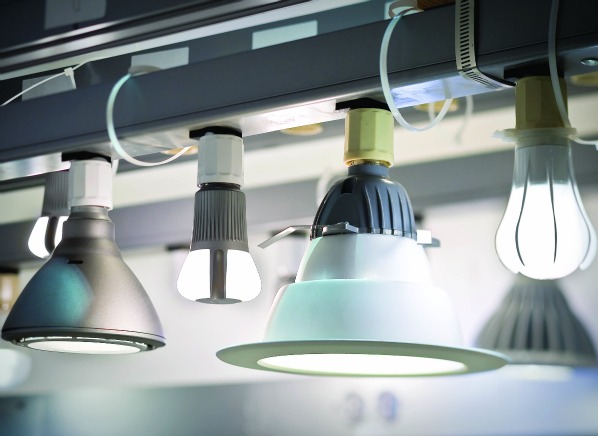
Lighting and appliances may not always be the biggest energy users, but they offer some of the easiest savings. Old incandescent bulbs waste a lot of energy as heat. Efficient LED bulbs use much less electricity and last longer, which means fewer bulb changes and fewer moments standing on a chair wondering if this is how people end up in cautionary tales.
Switch to LED Bulbs
Start with the lights you use most often: kitchen lights, living room lamps, porch lights, bathroom fixtures, and home office lighting. Replacing high-use bulbs first gives you the fastest return. LEDs now come in many colors and brightness levels, so you do not have to choose between saving money and making your kitchen look like a hospital hallway.
Run Full Loads
Dishwashers and washing machines are more efficient when used with full loads. Running half-empty loads wastes electricity, water, and detergent. If you need to wash a small load, use the proper cycle setting. Also, air-drying dishes and clothes when practical can reduce energy use.
Use Energy-Saving Modes
Many appliances include eco modes, sleep settings, or delayed-start features. These settings are easy to ignore because they sound like something from a manual nobody reads. But they can help reduce electricity use, especially for dishwashers, washing machines, dryers, computers, and televisions.
If your utility charges different rates during peak and off-peak hours, timing matters. Running major appliances during off-peak times can help reduce costs. For example, doing laundry at night or early morning may be cheaper in areas with time-of-use pricing.
5. Stop Vampire Power From Draining Your Wallet
Vampire power, also called standby power, is the electricity used by devices when they are plugged in but not actively being used. Chargers, gaming consoles, coffee makers, printers, smart speakers, TVs, and computers can all draw small amounts of power in standby mode. One device may not matter much, but a whole house full of them can add up.
Use Smart Power Strips
A smart power strip can shut off power to devices that are not in use. This is especially helpful for entertainment centers, gaming setups, home offices, and charging stations. Instead of unplugging five cords every night like you are defusing a movie bomb, you can switch off one strip.
Unplug What You Rarely Use
Some items do not need to stay plugged in all the time. Guest-room TVs, extra chargers, small kitchen appliances, and seasonal decorations can be unplugged until needed. If you use something once a week, it probably does not need to sip power 24 hours a day.
Review Your Home Office
Home offices can quietly increase electricity use. Computers, monitors, printers, speakers, routers, and desk lamps all contribute. Set computers to sleep automatically, turn off monitors when not in use, and avoid leaving printers on all day unless necessary.
6. Maintain Your HVAC System and Choose Efficient Upgrades
Your heating and cooling system works hard, and it performs better when it is clean and maintained. A dirty filter can restrict airflow, making the system run longer and use more energy. Replacing or cleaning filters regularly is one of the simplest energy-saving habits.
Change Filters on Schedule
Check your HVAC filter every month, especially during heavy heating or cooling seasons. Some filters need replacement monthly, while others last longer. Follow your system’s instructions. A clean filter helps airflow, improves comfort, and may reduce wear on the system.
Keep Vents Clear
Furniture, curtains, rugs, and storage boxes can block vents. When airflow is blocked, rooms become unevenly heated or cooled, and the system may work harder. Walk around your home and make sure vents are open and clear. Your couch may be stylish, but it should not be bullying your air supply.
Schedule Professional Maintenance
Annual HVAC maintenance can help identify issues before they become expensive problems. A technician can check refrigerant levels, clean parts, inspect ducts, and make sure the system operates safely and efficiently. This is especially useful before summer or winter, when the system is about to enter its busiest season.
Plan Big Upgrades Carefully
If your heating or cooling system is old, compare efficient models before replacing it. ENERGY STAR-certified equipment, heat pumps, high-efficiency furnaces, and improved ductwork can reduce energy use. Look for rebates, tax credits, and local utility incentives before buying. The best upgrade is not just the cheapest unit; it is the one that fits your home, climate, budget, and long-term energy goals.
Bonus Ways to Save Even More
After you apply the six main tips, there are several extra ways to lower your energy bill. Start by reading your utility bill carefully. Look for usage patterns, rate plans, delivery charges, and peak-hour pricing. Many people pay the bill without studying it, which is understandable because utility bills have the natural charm of a tax form wearing a gray sweater. But the details can reveal opportunities.
Ask your utility company whether it offers free or discounted home energy audits. Some utilities provide online tools, rebates, smart thermostat discounts, appliance recycling programs, or low-cost weatherization support. If your bill suddenly jumps, compare usage with the same month last year. A sudden increase may point to a broken appliance, leaky duct, poor insulation, or a change in household habits.
Also pay attention to windows. In summer, close blinds or curtains on sunny windows to reduce heat gain. In winter, open curtains during sunny hours to let warmth in, then close them at night to reduce heat loss. This simple habit costs nothing and gives your HVAC system a little help.
Common Mistakes That Raise Energy Bills
One common mistake is changing the thermostat dramatically and expecting faster results. Setting the thermostat extremely high in winter or extremely low in summer usually does not heat or cool the home faster. It just makes the system run longer. Another mistake is ignoring filters, vents, and drafts while blaming the utility company for everything. Sometimes the utility company is not innocent, but your clogged filter may also be wearing a tiny villain cape.
People also forget to compare appliance settings. A dryer set to high heat, a dishwasher using heated dry, or a refrigerator set colder than needed can waste energy. Check manuals or manufacturer recommendations for efficient settings. Small adjustments can help without affecting performance.
Real-Life Experiences: What Saving Energy Actually Looks Like at Home
Saving money on your energy bill often starts with one slightly annoying moment. Maybe the bill arrives and looks suspiciously athletic, as if it has been lifting weights. Maybe one bedroom feels cold while the hallway feels like a sauna. Maybe someone leaves every light on because apparently the house is auditioning to become an airport runway. Whatever the trigger, most households begin saving energy by noticing patterns.
One practical experience many families share is the thermostat experiment. At first, lowering the heat by two degrees in winter may sound like a personal attack. But after a few days, people adjust. A sweatshirt, warm socks, and a blanket on the couch can keep everyone comfortable. The surprising part is that comfort does not disappear just because the thermostat changes slightly. In summer, using fans with a slightly higher air conditioner setting can create the same kind of win. The room feels comfortable, but the cooling system does not run as aggressively.
Another common experience is discovering drafts. A homeowner may spend months wondering why the living room is always chilly, only to find a gap under the front door big enough to host a tiny winter festival. Installing weatherstripping or a door sweep can make the room feel better almost immediately. Renters often have similar results with thermal curtains or removable window film. These changes may not look dramatic, but they can make a home feel less leaky and more stable.
Laundry habits are another easy win. Switching to cold water feels almost too simple, but it reduces hot water use and is gentle on many fabrics. Running full loads instead of tiny emergency loads also helps. Of course, life happens. Nobody is saying you should wait three weeks to wash socks in the name of efficiency. The point is to avoid unnecessary cycles when possible.
Many people also underestimate vampire power until they look behind the TV stand. There it is: a jungle of chargers, consoles, speakers, streaming devices, and mystery plugs nobody can identify. A smart power strip can simplify the mess and reduce standby power. It also gives people the satisfying feeling of pressing one button and knowing several devices are officially off-duty.
The biggest lesson from real-life energy saving is that perfection is not required. You do not need to complete every upgrade in one weekend or turn your home into an efficiency laboratory. Start with the easiest habits, track your bill, and build from there. Replace a few bulbs. Seal one drafty door. Adjust the thermostat slightly. Wash more clothes in cold water. Change the HVAC filter. Each step may feel small, but together they can create a noticeable difference. Saving energy is not about being uncomfortable; it is about refusing to pay for waste you do not even enjoy.
Conclusion
Learning how to save money on your energy bill is really about making your home work smarter. Adjusting your thermostat, sealing air leaks, reducing hot water waste, upgrading lighting, controlling standby power, and maintaining your HVAC system can all help lower monthly costs. Some improvements are free, some are cheap, and some require planning, but each one moves you closer to a more efficient home.
The best approach is to start where your home wastes the most energy. If your rooms feel drafty, seal leaks first. If your water heater is old, focus on hot water savings. If your summer bills are painful, review cooling habits and HVAC maintenance. Energy efficiency is not a one-time trick. It is a collection of smart choices that keep paying you back month after month.













