
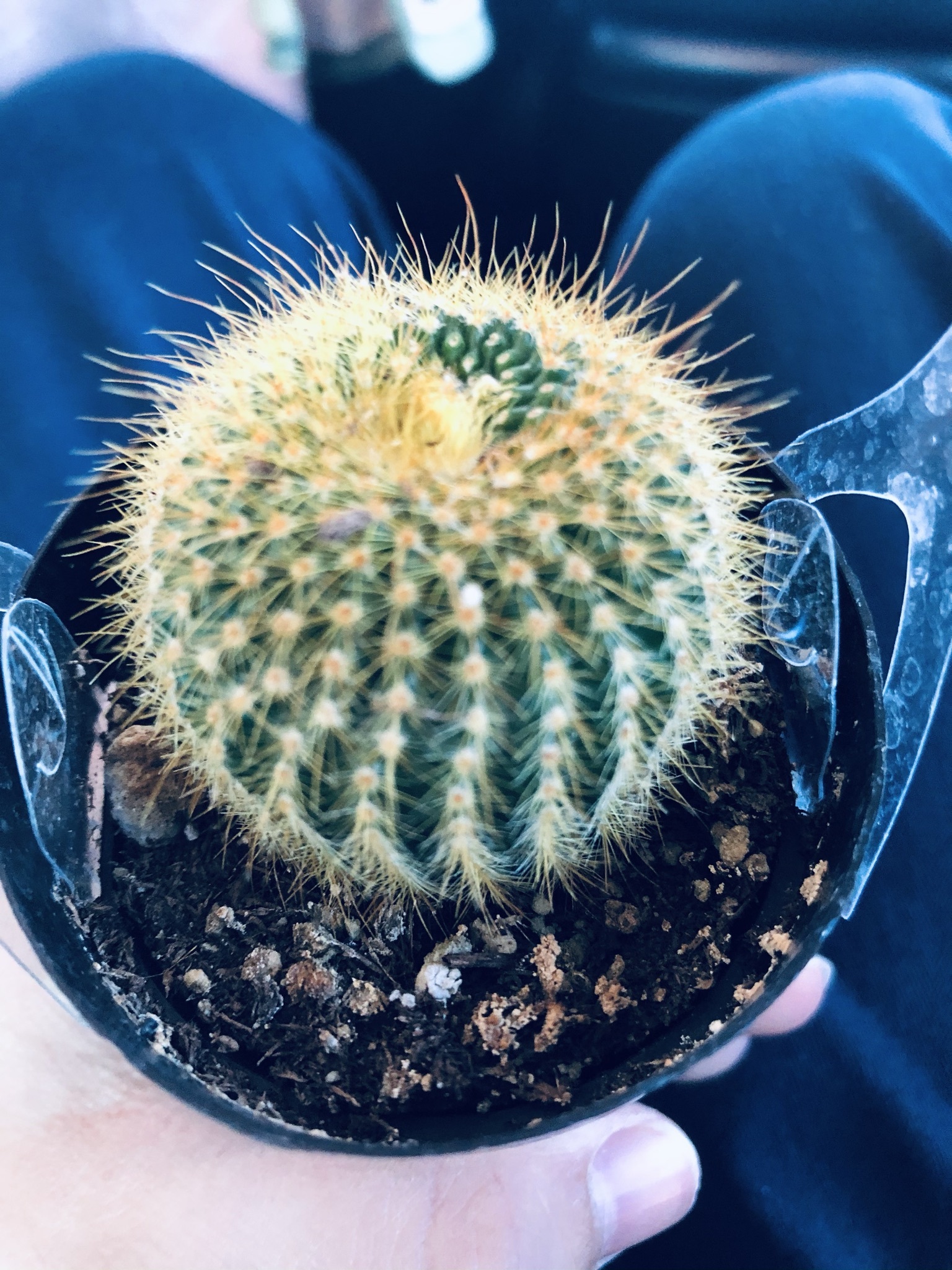
Some people collect stamps. Some collect sneakers. And then there are the plant peoplethe brave, soil-dusted souls who look at a windowsill and think, “You know what this needs? A spiky alien cabbage that eats bugs.” If you have ever owned a houseplant that looked like it escaped from a science-fiction greenhouse, this one is for you.
The idea behind “Hey Pandas, I Want You To Take A Picture Of Your Craziest Plant You’ve Ever Had” is simple: show off the plants that made visitors pause, pets suspicious, and your family ask, “Is that thing supposed to look like that?” From dramatic Monsteras and bug-hungry Venus flytraps to air plants that refuse to touch dirt, unusual houseplants have become more than decor. They are conversation starters, tiny living sculptures, and occasionally, leafy roommates with strong opinions.
Why We Love Weird Plants So Much
Crazy plants hit that perfect sweet spot between nature and theater. A regular green plant says, “I brighten the room.” A strange plant says, “I might be from another planet, but I also enjoy filtered sunlight.” That is a powerful brand.
Unusual plants are popular because they give indoor gardening personality. They can twist, climb, trap insects, grow without soil, split their leaves like green Swiss cheese, or bloom once in a lifetime with the social grace of a dumpster behind a seafood restaurant. The famous corpse flower, for example, is known for its enormous bloom and powerful odor, proving that even plants can go viral for questionable reasons.
But “crazy” does not always mean rare or expensive. Sometimes the wildest plant is the pothos that took over a bookshelf, the cactus shaped like a cartoon villain, or the spider plant that produced so many babies it looked like it was starting a family business.
What Makes a Plant “Crazy”?
A crazy plant usually has one or more unforgettable traits. It might have dramatic leaves, strange growth habits, unusual survival strategies, or a personality that seems far too large for its pot. Here are the main categories that make plant lovers grab their cameras.
1. Strange Shapes and Wild Leaves
Plants like Monstera deliciosa are famous for their large, split leaves. The holes and cuts, called fenestrations, give the plant a jungle-drama look that can make a living room feel like a stylish rainforest. Monstera can grow into a large climbing vine indoors, especially when given support, bright indirect light, and room to stretch.
Other plants look bizarre because they are compact and sculptural. Cacti and succulents can grow in spirals, columns, paddles, rosettes, and fuzzy little blobs. They are proof that nature had a geometry phase and took it very seriously.
2. Plants That Eat Bugs
Carnivorous plants are the celebrities of the weird plant world. Venus flytraps, pitcher plants, and sundews attract attention because they do something most houseplants do not: they catch prey. Before anyone panics, they are not plotting against your ankles. They evolved to survive in nutrient-poor environments by getting extra nutrients from insects.
These plants can be fascinating but demanding. Carnivorous plants generally prefer bright light, consistently moist acidic growing media, high humidity, and low-mineral water such as distilled or rainwater. In other words, they are not “set it and forget it” plants. They are more like tiny green divas with very specific dressing-room requirements.
3. Plants That Refuse to Grow in Soil
Air plants, or Tillandsias, are another category of lovable weirdness. They do not need soil to grow, which sounds like a gardening loophole. Instead, they absorb moisture and nutrients through their leaves. This makes them perfect for creative displays on driftwood, shells, open terrariums, or hanging holders.
However, “air plant” does not mean “ignore plant.” They still need bright indirect light, regular watering, and good airflow. Put one in a dark bathroom corner and forget it for three months, and it will not become a mystical forest ornament. It will become a tiny crispy regret.
4. Plants That Mount Like Wall Art
Staghorn ferns look like something a woodland wizard would hang above a fireplace. Their antler-like fertile fronds and rounded shield fronds make them one of the most visually dramatic plants you can own. They are often mounted on wood or bark, giving them the look of living sculpture.
Because staghorn ferns are epiphytes, they naturally grow attached to other surfaces rather than sitting in regular garden soil. Indoors, they do best with bright indirect light, warmth, humidity, and careful watering that keeps the root ball moist without drowning it.
The Best “Crazy Plants” to Photograph and Share
If you are planning to answer the call and take a picture of your craziest plant, here are some top candidates that always know how to work a camera.
Monstera Deliciosa
Big leaves, dramatic cuts, instant jungle energy. A Monstera is the plant equivalent of arriving late to brunch wearing sunglasses. It looks effortless, but it definitely knows it is the main character.
Venus Flytrap
Small, fascinating, and slightly theatrical, the Venus flytrap is a classic choice. Photograph it close up so the traps look like tiny green jaws. Bonus points if the caption says, “Do not negotiate with the plant.”
Pitcher Plant
Pitcher plants look like elegant hanging goblets designed by a mischievous botanist. Their pitcher-shaped leaves make them especially photogenic, particularly when the light shines through them.
Staghorn Fern
Mounted staghorn ferns are excellent for wall shots. They bring texture, shape, and a little “secret cabin in the forest” energy to any room.
Air Plant
Air plants are perfect for creative photos because they can be styled almost anywhere. Try placing one in a geometric holder, on a piece of driftwood, or beside a coffee mug for scale.
Fishbone Cactus
With zigzag stems that look like green lightning bolts, fishbone cactus is wonderfully strange. It is a great option for anyone who wants a plant that says, “I am relaxed, but also possibly electric.”
String of Pearls
This trailing succulent has bead-like leaves that spill over pots like botanical jewelry. It is beautiful, weird, and slightly too pretty to be trusted near clumsy elbows.
How to Take a Great Picture of Your Craziest Plant
A strange plant deserves a good photo. You do not need professional equipment; your phone is enough. The trick is to make the plant’s weirdest feature the star.
Use Natural Light
Place the plant near a window with bright indirect light. Harsh midday sun can create blown-out highlights, while dim lighting can make the plant look like it is testifying anonymously in a documentary.
Show Scale
If your plant is huge, tiny, or oddly shaped, include a familiar object nearby: a mug, a book, your hand, or a bewildered cat at a safe distance. Scale helps viewers understand why the plant is impressive.
Focus on Texture
Crazy plants often shine through details: fuzzy cactus spines, glossy leaves, curling tendrils, patterned foliage, or weird roots. Move closer and let those textures do the talking.
Clean the Leaves First
Dusty leaves are normal, but they can dull a photo. Wipe broad leaves gently with a damp cloth before taking pictures. Think of it as plant glamno mascara, just chlorophyll.
Pick a Simple Background
A plain wall, wooden table, or uncluttered shelf keeps the focus on the plant. Unless your background chaos is part of the story, avoid making viewers play “Where’s Waldo?” with your fern.
Care Tips for Keeping Weird Plants Weirdin a Healthy Way
A wild-looking plant is fun. A plant that looks wild because it is actively dying is less fun. Here are practical care tips that apply to many unusual houseplants.
Match the Plant to the Light
Most tropical houseplants prefer bright indirect light, while cacti and many succulents need stronger light. If a plant stretches toward the window or grows long and weak, it may need more brightness. If leaves scorch or fade, the light may be too intense.
Do Not Overwater
Overwatering is one of the fastest ways to turn a beloved plant into a compost-bound tragedy. Many houseplants prefer soil that is evenly moist but not soggy. Containers with drainage holes help prevent root rot, and plants should usually be repotted only a few inches larger than their current pot.
Respect Humidity Needs
Some odd plants, especially tropical species and mounted ferns, appreciate higher humidity. Pebble trays, grouping plants together, and humidifiers can help. Just do not mist everything blindly; wet leaves without airflow can invite disease.
Keep Pets and Kids in Mind
Some popular houseplants, including Monstera and related aroids, can irritate the mouth and digestive tract if chewed. If you have curious pets or children, place potentially irritating or toxic plants out of reach and choose safer options when needed.
Do Not Take Rare Plants From the Wild
One important rule: admire responsibly. Some unusual plants are threatened in their native habitats. Buy from reputable growers, avoid wild-collected specimens, and never dig up plants from protected areas. A crazy plant photo is great; ecological vandalism is not a cute hobby.
Why Crazy Plant Photos Bring People Together
Plant photos work so well online because they combine beauty, humor, curiosity, and personal storytelling. A picture of a plant is rarely just a picture of a plant. It is also a tiny autobiography: “This is the cactus I bought during a stressful month,” “This is the fern I somehow kept alive,” or “This is the succulent that survived my vacation, unlike my basil.”
When people share their weirdest plants, they are also sharing their experiments, mistakes, victories, and emotional support foliage. The comment section becomes a greenhouse of advice: move it closer to the window, stop watering it every time you feel guilty, check for pests, use distilled water, give it a moss pole, or congratulations, your plant is simply dramatic.
500 More Words: Personal-Style Experiences With the Craziest Plants People Own
The funniest thing about owning a crazy plant is that it rarely starts as a crazy plant. It usually starts as a polite little pot from a nursery shelf. You bring it home, set it near a window, give it a name you pretend is a joke, and suddenly six months later it is climbing the curtain rod like it pays rent.
One common experience among plant lovers is the “accidental jungle.” It begins with one Monstera, then a pothos, then a snake plant because someone said it was impossible to kill. The next thing you know, there are humidity trays on the floor, grow lights in the corner, and a friend asking whether your apartment has always had a rainforest biome. The plants do not ask for permission. They expand diplomatically until your home decor style becomes “botanical takeover with occasional furniture.”
Another classic experience is buying a carnivorous plant because it looks cool, then discovering that it has stricter standards than a boutique coffee shop. The Venus flytrap does not want tap water. The pitcher plant wants moisture but not the wrong kind of moisture. The sundew wants light, humidity, and respect. You thought you were buying a bug-eating plant; you actually adopted a tiny swamp creature with a legal team.
Then there are the plants that look dead but are not. Some bulbs, cacti, and dormancy-prone plants can spend part of the year looking like they have left this world emotionally, only to return with a new shoot like nothing happened. These plants teach patience, humility, and the valuable lesson that not every brown stick is a failure. Sometimes it is just waiting for its dramatic comeback season.
Air plants create a different kind of confusion. Guests see them sitting on a shelf with no soil and ask, “Is that alive?” You proudly answer yes, while quietly remembering you forgot to soak it last week. Air plants are wonderful because they challenge the entire idea of what a houseplant should look like. They are minimalist, sculptural, and slightly mysteriouslike the cool cousin of the plant world who does not explain their job.
Staghorn ferns bring the most theatrical energy. A mounted staghorn on the wall looks like art, taxidermy, and plant parenting all had a meeting. People either love it immediately or stare at it as if waiting for it to blink. Caring for one can feel strange at first because it does not sit in a normal pot. You water the mount, watch the shield fronds change, and eventually realize this plant is not weird at all. It is just living by older forest rules than your windowsill understands.
The best crazy plant stories usually involve a little chaos. A cactus that bloomed overnight after years of silence. A succulent that dropped leaves everywhere and produced babies in every nearby pot. A vine that found the bookshelf and never looked back. A rescue plant that looked doomed but became the healthiest thing in the room. These stories are why people love sharing plant pictures. They are proof that care, observation, and a sense of humor can turn even the strangest green roommate into a household legend.
Conclusion: Show Us the Plant That Made You Say “What Are You?”
Crazy plants remind us that nature is endlessly inventive. Some plants climb like jungle acrobats. Some eat insects. Some grow without soil. Some bloom for only a few days and smell like a public health warning. Others simply sit on a shelf looking suspiciously fabulous.
So, hey Pandas, take a picture of your craziest plant you’ve ever had. Show the leafy monster, the spiky oddball, the dramatic fern, the bug-eating diva, or the mystery cutting that somehow became a legend. Whether it is rare, common, thriving, recovering, or just deeply weird, it deserves its moment in the spotlight.













