
Emo hair is not just a haircut; it is a dramatic little weather system living on your head. It has movement, mood, sharp angles, soft chaos, and usually at least one piece of hair that looks like it knows a secret. Whether you grew up watching music videos with side-swept bangs covering half a face or you are discovering the look through today’s alt, Y2K, scene, goth-glam, and punk-inspired trends, the emo hairstyle still has one job: to help you look expressive without saying a word.
The good news? You do not need to teleport back to 2007, buy every black wristband in existence, or blast your hair with enough hairspray to fossilize it. Modern emo hair is more flexible, healthier, and easier to personalize. It can be short or long, straight or wavy, subtle or full “main character in a rainy music video.” The best version depends on three things: the cut, the color, and the styling routine.
This guide breaks down 3 ways to get emo hair in a practical, salon-friendly, damage-conscious way. You will learn how to ask for the right layers and bangs, how to choose bold color without accidentally turning your bathroom into a crime scene, and how to style the look so it has volume, texture, and attitude without wrecking your hair.
Way 1: Start With the Right Emo Haircut
The foundation of emo hair is the cut. Products can help, dye can add drama, and a flat iron can work its magic, but if the shape is wrong, you may end up with “confused mushroom” instead of “beautifully brooding rock star.” The classic emo haircut usually includes side-swept bangs, choppy layers, face-framing pieces, and a strong sense of asymmetry.
Ask for Side-Swept Bangs
Side-swept bangs are the signature feature of emo hair. They can be long enough to skim the eyebrows, sweep across one eye, or blend into the rest of the haircut for a softer modern version. If you want a classic emo look, ask your stylist for a deep side part and a long fringe that angles diagonally across the forehead.
For a more wearable everyday version, keep the bangs slightly lighter and textured at the ends. This gives the hair that moody emo shape without making it impossible to see your phone, your homework, your coffee, or the sidewalk. Function matters. Even the most dramatic fringe should not turn crossing the street into an extreme sport.
Add Choppy Layers for Shape and Movement
Choppy layers are what give emo hair its messy-but-intentional energy. These layers can be short around the crown for volume, longer around the sides for face framing, and uneven at the ends for texture. The goal is not perfectly blended, glossy layers like a shampoo commercial. The goal is controlled rebellion.
If your hair is thick, layers remove weight and help the style sit closer to the head where needed. If your hair is fine, layers can create lift, but they should not be overdone. Too many short layers on fine hair can make the ends look thin. A stylist can customize the cut so the top has movement while the bottom still looks full.
Choose a Length That Fits Your Style
Emo hair works at many lengths. Short emo hair might include a layered pixie, shaggy crop, or asymmetrical bob with heavy bangs. Medium emo hair often hits around the jaw, shoulders, or collarbone and works well with razored layers. Long emo hair usually features dramatic face-framing pieces, long side bangs, and textured ends.
For a bold look, try an asymmetrical cut: one side slightly longer than the other, or short layers around the face with longer pieces in the back. For a softer version, ask for a shag-inspired cut or a wolf-cut influence with emo bangs. This gives you the alt style without requiring daily styling wizardry.
Bring Reference Photos to the Salon
Do not rely only on words like “emo,” “scene,” or “edgy,” because every stylist may picture something different. One person’s emo hair is sleek black bangs; another person’s is neon pink layers with raccoon stripes and enough volume to be seen from space. Bring three to five photos showing the exact fringe, layers, and overall shape you like.
When talking to your stylist, use clear phrases such as “deep side part,” “long side-swept bangs,” “choppy layers,” “face-framing pieces,” “textured ends,” and “volume at the crown.” These terms help translate the aesthetic into an actual haircut instead of a vague emotional weather report.
Way 2: Use Color to Create the Emo Vibe
Color is where emo hair gets its personality. The classic choice is black or very dark brown, but modern emo hair is not limited to one shade. You can use deep red, purple, blue-black, silver, platinum, hot pink, green, orange, or chunky contrast panels. The key is contrast. Emo hair loves drama, and color is the easiest way to tell your hair, “Please be louder.”
Try a Dark Base Color
A dark base color is the easiest route to a traditional emo hairstyle. Black hair with a sharp side fringe instantly gives that moody, high-contrast effect. Blue-black can look glossy and intense, while dark brown is a softer option if jet black feels too harsh for your skin tone or maintenance level.
If you are new to hair dye, consider semi-permanent or demi-permanent color first. These options can help you test the look before committing to permanent dye. If your hair is naturally light and you go very dark, remember that growing it out will create visible roots. That is not always a bad thing; roots can look intentionally grungy. But if you want a polished version, plan for touch-ups.
Add Highlights, Panels, or Streaks
Chunky highlights and color panels are perfect for emo hair. Popular choices include blonde streaks on black hair, red panels under dark layers, purple peekaboo sections, silver face-framing pieces, or “skunk stripe” contrast. A single bold streak near the bangs can completely change the look without requiring a full-head transformation.
If you want something dramatic but still manageable, choose color placement that grows out gracefully. Underlayers, money pieces, and peekaboo streaks are easier to maintain than all-over bleach. They also let you hide or show the color depending on how you part and style your hair.
Be Careful With Bleach
Many bright emo colors require bleaching first, especially if your hair is dark. Bleach can weaken hair if it is used too often, left on too long, or applied over already damaged strands. If you want platinum, silver, neon pink, or vivid blue, a salon visit is usually worth it. Your hair should look rebellious, not like it has filed a complaint with management.
Before dyeing your hair at home, always follow the product instructions. Do a patch test when the product directs you to, wear gloves, protect your skin and clothes, and do not leave dye or bleach on longer than recommended. Never use hair dye on your eyebrows or eyelashes. If your scalp burns, swells, itches intensely, or develops a rash, stop and seek professional advice.
Match Color to Your Lifestyle
Before choosing a color, think about school, work, dress codes, maintenance, and budget. Black or dark brown is lower maintenance than neon shades. Red can fade quickly. Blue and green may linger longer than expected. Pastels usually require very light blonde hair first, which means more upkeep.
If you want emo hair without frequent salon appointments, try temporary color sprays, clip-in extensions, colored hair wax, or semi-permanent streaks. These let you experiment without a long-term commitment. They are also great if your personality says “electric purple,” but your workplace says “please attend the quarterly meeting looking normal.”
Way 3: Style Emo Hair With Volume, Texture, and Shine
Once the cut and color are in place, styling brings emo hair to life. The classic finish is smooth, piecey, slightly messy, and full of shape. You want the bangs to sweep dramatically, the layers to separate, and the crown to have a little lift. Think “I woke up like this,” except you absolutely did not, and that is okay.
Use the Right Styling Tools
A flat iron is useful for creating sleek emo bangs and sharp layers. Use it only on dry hair, and keep the heat as low as possible while still getting results. Fine or damaged hair usually needs less heat than thick or coarse hair. A blow dryer with a concentrator nozzle can help direct the bangs across the forehead and build lift at the roots.
A round brush can soften the ends, while a small teasing comb can add volume at the crown. If your hair is wavy or curly, you do not have to straighten everything. Curly emo hair can look amazing with shaped bangs, defined layers, and a little volume. The modern emo look is more inclusive than the old “flat iron until your hair begs for mercy” era.
Apply Product Strategically
Use a lightweight heat protectant before hot tools. After styling, add a small amount of pomade, wax, or styling cream to the ends to make the layers look piecey. Focus on the tips and face-framing sections rather than coating your whole head. Too much product can turn emo texture into greasy helmet territory, and nobody asked for that sequel.
For volume, use mousse or root-lifting spray before blow-drying. For hold, finish with a flexible hairspray. Avoid brushing through hard-hold products after they dry because that can cause breakage. If you need to restyle, use your fingers or lightly mist the hair with water before reshaping.
Tease Without Destroying Your Hair
Teasing, also called backcombing, can create the crown volume associated with emo and scene hair. To do it gently, lift a small section near the crown, place a comb a few inches from the roots, and push the hair downward in short strokes. Smooth the top layer over the teased section so it looks full, not tangled.
Do not tease wet hair, and do not rip through teased sections when washing or brushing. Use conditioner, detangling spray, and patience. Your hair is not an enemy combatant. Treat it kindly, and it will be much more willing to cooperate tomorrow.
Maintain the Shape
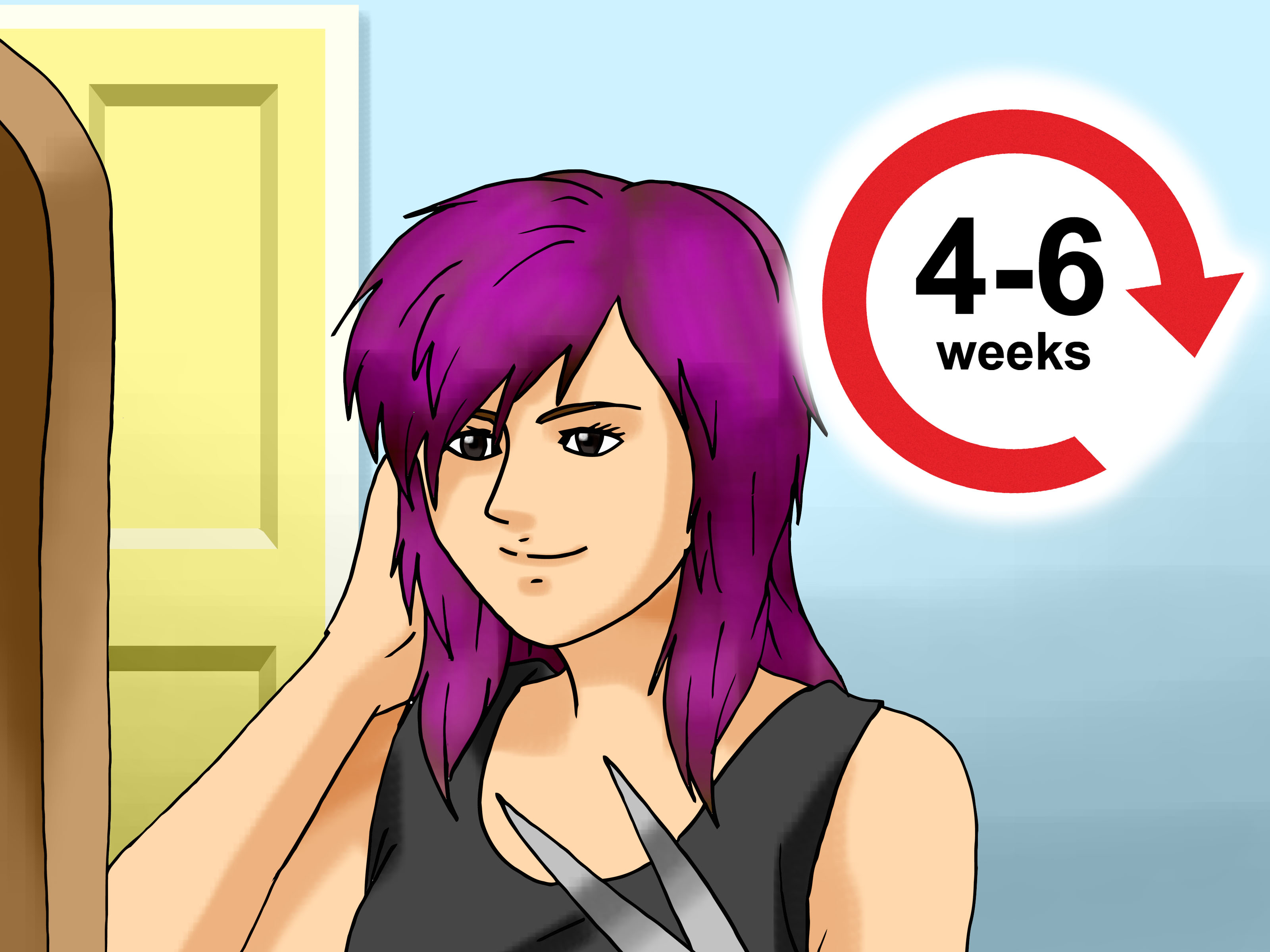
Emo hair needs regular trims, especially if you have bangs. Side bangs can lose their shape quickly and start poking your eyes at the exact moment you need to look like a functioning human. A trim every four to eight weeks can keep the fringe sharp and the layers intentional.
Use a gentle shampoo and conditioner that suit your hair type. If your hair is color-treated, choose products made for colored hair. Limit heat styling when possible, and give your hair rest days. Dry shampoo, accessories, beanies, clips, and messy half-up styles can help you stretch the look between washes.
Emo Hair Ideas for Different Hair Types
Fine Hair
Fine hair benefits from lightweight layers, root volume, and texturizing spray. Avoid heavy waxes or oils, which can flatten the style. A shorter emo bob or medium-length cut with side bangs can make fine hair look fuller.
Thick Hair
Thick hair can handle stronger layers and heavier bangs. Ask your stylist to remove bulk while keeping the ends looking intentional. Razored texture can work well, but too much thinning may create frizz, so balance is important.
Curly or Wavy Hair
Curly emo hair does not need to copy straight emo hair. A layered shag, curly fringe, side part, and bold color can create the same expressive mood. Use curl cream or gel for definition, and consider diffusing for volume.
Short Hair
Short emo hair looks great with asymmetry, long bangs, undercuts, or textured pixie layers. A dramatic fringe can carry the entire look, even if the rest of the cut is simple.
Long Hair
Long emo hair works best with face-framing layers and visible texture. Without layers, long hair can look heavy. Add color panels or streaks near the front to make the style stand out.
Common Emo Hair Mistakes to Avoid
Cutting Bangs Too Short
Emo bangs usually need length to sweep properly. If you cut them too short, they may stick out instead of falling diagonally. Start longer than you think, especially if cutting at home.
Using Too Much Heat
Daily high-heat styling can cause dryness, breakage, and split ends. Use lower heat settings, apply heat protectant, and avoid flat ironing the same section repeatedly.
Overloading Product
Emo hair should have texture, not stiffness. If your bangs move as one solid unit in the wind, you may have crossed into architectural territory. Use less product and build slowly.
Ignoring Hair Health
Color, bleach, teasing, and heat can all stress your hair. Deep condition regularly, trim damaged ends, and take breaks from intense styling. Healthy hair holds shape and color better.
Personal Experience: What Getting Emo Hair Is Really Like
Getting emo hair for the first time can feel surprisingly dramatic, even if all you technically did was change your bangs. The moment that fringe falls across your forehead, you may suddenly feel like you need a playlist, a notebook, and a mysterious backstory. That is part of the fun. Emo hair is expressive. It changes how you see yourself in the mirror, and sometimes it gives you the confidence to dress, pose, or exist a little more boldly.
One of the biggest lessons people learn is that reference photos are everything. Walking into a salon and saying “I want emo hair” can lead to very different results depending on the stylist. A photo of long black layers with heavy bangs is not the same as a short shag with neon streaks. The more specific you are, the happier you will be. Show the front, sides, back, and color placement if possible. A good stylist can adapt the idea to your hair texture and face shape.
Another real-life truth: bangs require commitment. They look effortless in photos, but they often have opinions. Some mornings they sweep perfectly, like they understand the assignment. Other mornings they flip upward, separate strangely, or form one tiny horn of rebellion. A blow dryer, a small brush, and a light styling product can make a huge difference. Many people discover that styling the bangs first, while the hair is still slightly damp, gives the best result.
Color is exciting, but it also teaches patience. Dark dye can stain towels, pillowcases, and occasionally your forehead if you are not careful. Bright color fades and needs refreshing. Bleached sections need extra conditioner. The fantasy is “effortless punk angel”; the reality is “please use an old towel unless you want your bathroom linens to look haunted.” Still, the payoff can be worth it. A single red streak, purple underlayer, or silver money piece can make the whole haircut feel more personal.
The best emo hair experience usually comes from balancing style with hair health. You can tease the crown, straighten the fringe, and use dramatic color, but you do not have to punish your hair every day. Some days, let it air-dry. Some days, pin the bangs back. Some days, wear the slightly messy version and call it intentional, because honestly, it probably is. Emo hair has always been about expression more than perfection. The goal is not to look like everyone else’s version of emo. The goal is to find the version that makes you feel like yourself, only with better bangs and a little more soundtrack energy.
Conclusion
Emo hair is built on three main elements: a strong haircut, expressive color, and intentional styling. Start with side-swept bangs and choppy layers, then add color that fits your personality and maintenance level. Finish with volume, texture, and shine, using heat and product carefully so your hair stays healthy enough to keep being dramatic another day.
Whether you choose a subtle modern emo fringe, a black layered cut, a bright color panel, or a full throwback scene-inspired style, the best emo hair is personal. It should frame your face, match your lifestyle, and make you feel confident every time you catch your reflection. In other words: let the bangs be dramatic, but keep the hair care sensible.
Note: This article is original, written in standard American English, and based on current styling, coloring, and hair-care guidance. For major bleach services, allergic reactions, scalp irritation, or severe hair damage, consult a licensed stylist or dermatologist.










