
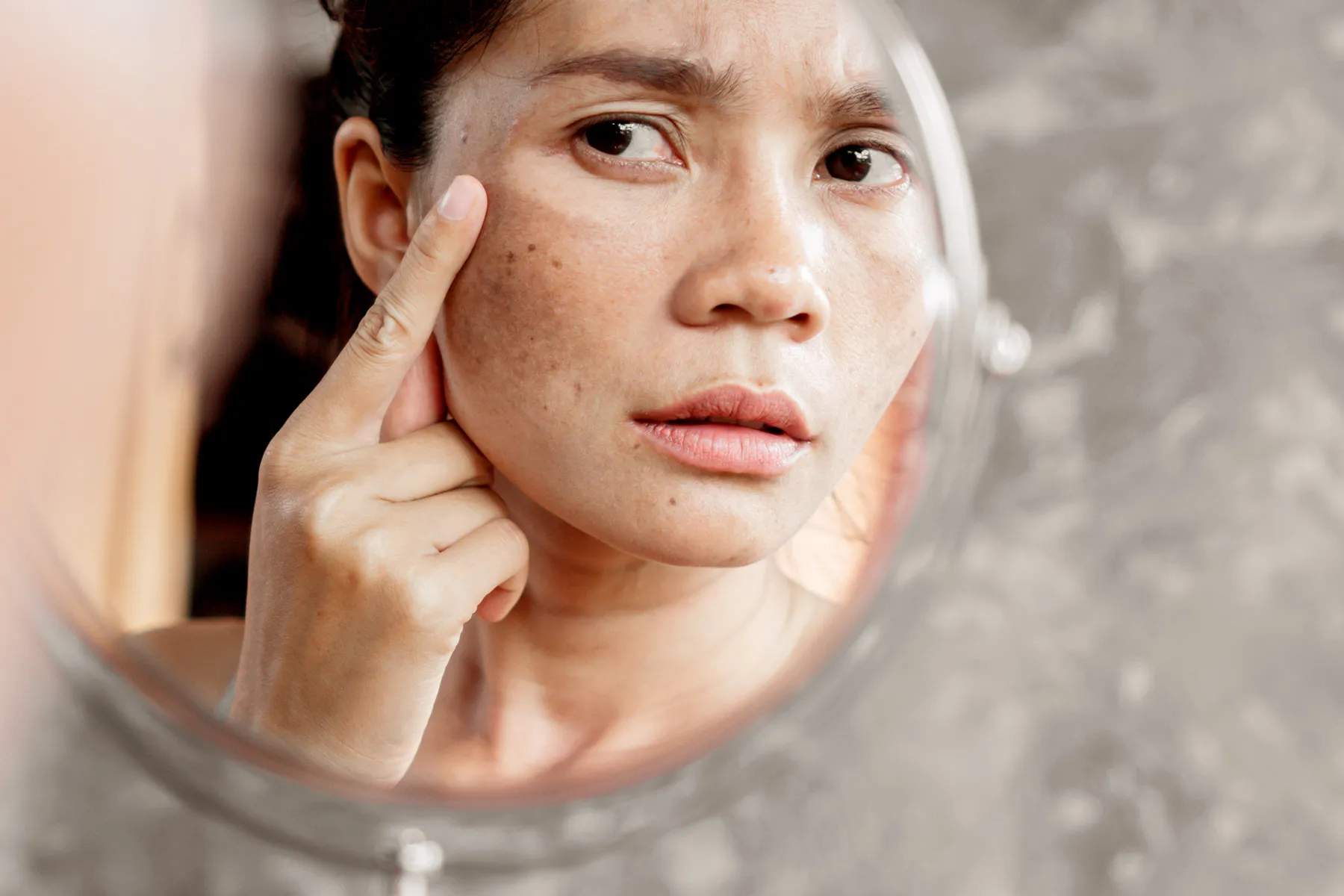
Everyone ages. That is not a design flaw; it is the operating system. But premature aging is different. It is what happens when your body starts showing signs of wear and tear earlier than expected, like a phone battery that drops to 12% by lunchtime even though you “barely used it.”
Premature aging can show up on your skin, in your energy levels, in your muscles, in your sleep quality, and even in your risk for chronic disease. The tricky part is that it does not usually arrive with a dramatic movie soundtrack. It often sneaks in through daily habits: too much sun, too little sleep, chronic stress, smoking, excess alcohol, poor nutrition, and sitting so long your chair might start charging rent.
The good news? Many causes of accelerated aging are linked to lifestyle and environment, which means you are not powerless. You cannot pause time, but you can stop helping it sprint.
What Is Premature Aging?
Premature aging means the effects of aging appear earlier than they typically should for your age. Doctors often describe this as “extrinsic aging,” which means aging influenced by external factors such as sun exposure, smoking, poor sleep, stress, diet, pollution, and alcohol use.
There is also a difference between chronological age and biological age. Your chronological age is the number on your birthday cake. Your biological age is how old your body seems based on health markers, cellular wear, inflammation, metabolism, and organ function. Two people can both be 40, but one may have the energy, blood pressure, skin quality, and muscle strength of someone younger, while the other feels like they were assembled during the Renaissance.
Premature aging is not only about wrinkles. It is about how well your body repairs, protects, moves, sleeps, digests, and responds to stress. Your skin may be the billboard, but your cells are writing the real review.
Common Signs Your Body May Be Aging Faster Than It Should
1. Skin Changes That Arrive Early
Fine lines, deeper wrinkles, age spots, sagging, dryness, rough texture, and uneven pigmentation can all be signs of premature skin aging. Sun exposure is one of the biggest drivers because ultraviolet light damages collagen, elastin, and skin-cell DNA. Collagen is the protein that keeps skin firm and bouncy. When it breaks down, skin begins to fold, loosen, and complain in lowercase.
2. Gray Hair or Hair Thinning Earlier Than Expected
Genetics play a major role in when hair grays or thins, so early gray hair does not automatically mean your whole body is aging too fast. However, smoking, nutritional deficiencies, chronic stress, and certain health conditions may contribute to earlier changes in hair quality or density.
3. Low Energy That Does Not Improve With Rest
Feeling tired after a long week is normal. Feeling drained every day after reasonable sleep is worth paying attention to. Chronic fatigue can be linked to poor sleep, stress overload, thyroid problems, anemia, depression, sleep apnea, nutrient deficiencies, or inflammatory conditions. In other words, your body may not be “getting old”; it may be asking for a maintenance appointment.
4. Loss of Muscle Strength
Muscle naturally declines with age, but inactivity can speed the process. If stairs feel harder, grocery bags feel heavier, or your favorite workout suddenly feels like a federal investigation, your muscle mass and cardiovascular fitness may need support. Strength training and regular movement are two of the most powerful tools for healthy aging.
5. Poor Sleep and Slower Recovery
Sleep is when your body repairs tissue, regulates hormones, clears metabolic waste, and resets the brain. Adults generally need at least seven hours per night. Regularly sleeping less than that is associated with a higher risk of obesity, diabetes, high blood pressure, heart disease, stroke, anxiety, and depression. Beauty sleep is real, but it is also brain, heart, and immune-system sleep.
6. Frequent Aches, Stiffness, or Inflammation
Some stiffness after a hard workout is normal. Constant joint pain, swelling, or unexplained aches may signal inflammation, overuse, poor posture, autoimmune problems, or low physical activity. Inflammation is a key player in many age-related diseases, so chronic aches deserve attention rather than a permanent relationship with “I’m fine.”
What Causes Premature Aging?
Sun Exposure: The Overachiever of Skin Aging
If premature skin aging had a villain, ultraviolet radiation would be wearing the cape. UV exposure contributes to wrinkles, age spots, sagging, rough texture, and increased skin cancer risk. Tanning beds are not a safer shortcut; they are basically sun damage with a membership plan.
Daily sun protection matters even when it is cloudy, cold, or you are “only running errands.” A broad-spectrum sunscreen with SPF 30 or higher, protective clothing, sunglasses, and shade can help reduce visible aging and protect long-term skin health.
Smoking: A Shortcut You Do Not Want
Smoking accelerates aging by damaging blood vessels, reducing oxygen delivery, increasing oxidative stress, and breaking down collagen and elastin. On the skin, this can lead to wrinkles, dullness, sagging, and a gaunt appearance. Inside the body, smoking increases the risk of heart disease, lung disease, cancer, and poor wound healing.
The encouraging part is that quitting smoking can improve circulation and reduce further damage. The body is surprisingly forgiving when you stop throwing smoke grenades into the system.
Poor Sleep: The Quiet Aging Accelerator
Sleep deprivation does not simply make you cranky enough to argue with a toaster. It affects metabolism, immune function, blood pressure, mood, memory, and cellular repair. Poor sleep may also influence biological aging markers, including telomeres, which are protective caps on chromosomes that tend to shorten with age.
Aging well starts with treating sleep like a health appointment, not a leftover activity squeezed between emails and revenge-scrolling.
Chronic Stress: When Your Body Lives in Alarm Mode
Short-term stress can be useful. It helps you meet deadlines, react quickly, and avoid accidentally sending “love you” to your boss. Chronic stress is different. When stress hormones stay elevated, they can contribute to inflammation, poor sleep, high blood pressure, cravings, digestive issues, and faster cellular wear.
Stress management does not require moving to a mountain and communicating only with goats. Practical tools like walking, breathing exercises, therapy, journaling, social support, prayer, meditation, hobbies, and better boundaries can lower the load.
Diet High in Added Sugar and Ultra-Processed Foods
Food is not magic, but it is information your body receives several times a day. Diets high in added sugar, refined carbohydrates, saturated fat, and highly processed foods may contribute to inflammation, insulin resistance, weight gain, and skin aging.
One process involved in aging is glycation, where sugar molecules attach to proteins such as collagen and elastin. This can form advanced glycation end products, often called AGEs. These compounds may make tissues stiffer and less resilient over time. Your skin does not need a dessert-based demolition crew.
Aging-friendly eating focuses on vegetables, fruits, beans, whole grains, nuts, seeds, fish or other lean proteins, healthy fats, and enough water. You do not need a perfect diet. You need a pattern your body can trust.
Too Much Alcohol
Excessive alcohol use can dehydrate the skin, affect sleep, increase inflammation, strain the liver, and raise the risk of several chronic diseases. Alcohol can also make recovery slower and worsen mood or anxiety, especially when used as a stress-management tool.
Drinking less is better for health than drinking more. If alcohol has become your main way to relax, that is not a moral failure; it is a signal to build healthier tools before the habit starts making decisions for you.
Sedentary Living
Inactivity is a major contributor to accelerated aging. Movement supports heart health, insulin sensitivity, circulation, mood, bone density, muscle strength, balance, and brain function. Regular exercise also helps the body handle oxidative stress and inflammation more effectively.
The goal is not to become a fitness influencer who meal-preps in matching containers and says “crush it” before sunrise. The goal is to move often enough that your body remembers it was built for motion.
Air Pollution and Environmental Stress
Air pollution may contribute to skin aging through oxidative stress and inflammation. Tiny airborne particles can affect the skin barrier, pigmentation, and collagen health. You cannot bubble-wrap yourself from the environment, but gentle cleansing, antioxidants in your diet, sunscreen, and avoiding smoking can reduce your exposure burden.
Can Premature Aging Be Reversed?
Some signs can improve, while others can only be slowed. For example, quitting smoking, sleeping better, exercising, managing stress, eating more nutrient-dense foods, and protecting skin from UV light can reduce further damage and improve how you feel. Skin texture, hydration, and brightness may improve. Fitness, strength, blood pressure, blood sugar, and energy can also respond well to lifestyle changes.
However, deep wrinkles, severe sun damage, and significant volume loss may not fully reverse with lifestyle alone. Dermatology treatments such as retinoids, lasers, chemical peels, fillers, and resurfacing can improve appearance, but they do not fix the underlying causes. Think of cosmetic treatments as repainting the house; lifestyle is repairing the roof.
How to Slow Premature Aging Naturally
Use Sun Protection Every Day
Apply broad-spectrum SPF 30 or higher to exposed skin, reapply when outdoors, wear sunglasses, and use hats or UPF clothing when possible. Avoid tanning beds completely. Your future face will send a thank-you card.
Prioritize Sleep Like It Pays Rent
Keep a consistent sleep schedule, reduce bright light at night, avoid heavy meals close to bedtime, limit late caffeine, and create a calming pre-sleep routine. If you snore loudly, wake up gasping, or feel exhausted despite enough time in bed, ask a healthcare professional about sleep apnea.
Strength Train Twice a Week
Muscle is one of the best anti-aging investments available. Strength training supports metabolism, posture, balance, bone density, and independence. Start with bodyweight exercises, resistance bands, dumbbells, or guided gym workouts. The goal is progress, not theatrical suffering.
Walk More and Sit Less
Regular aerobic movement supports your heart, brain, circulation, and mood. Aim for at least 150 minutes per week of moderate activity, such as brisk walking, cycling, swimming, or dancing. Break up long sitting sessions with short movement breaks.
Eat for Repair
Build meals around colorful plants, protein, fiber, and healthy fats. A simple plate might include salmon or beans, leafy greens, roasted vegetables, brown rice, olive oil, and fruit. Limit sugary drinks, refined snacks, and highly processed meals. Your cells do not need perfection; they need repeated evidence that someone responsible is in charge.
Manage Stress Before It Manages You
Stress reduction is not laziness. It is biological maintenance. Try a 10-minute walk, deep breathing, stretching, quiet reading, therapy, time in nature, or a phone call with someone who does not turn every conversation into a competitive complaint festival.
Quit Smoking and Reduce Alcohol
If you smoke, quitting is one of the most powerful anti-aging and disease-prevention steps available. If you drink, reduce frequency and quantity. For some people, cutting back is enough; for others, quitting completely is the healthier choice.
When Should You See a Doctor?
See a healthcare provider if signs of premature aging appear suddenly, worsen quickly, cause pain, or come with symptoms such as unexplained weight loss, extreme fatigue, hair loss, irregular periods, weakness, memory problems, skin lesions that change, or shortness of breath.
Also seek medical advice before starting supplements, hormone treatments, aggressive skincare, or “anti-aging” therapies that promise suspiciously dramatic results. If a product claims it can reverse aging overnight, it is probably aging your wallet faster than your cells.
Real-Life Experiences: What Premature Aging Feels Like in Everyday Life
Premature aging often begins with small clues that are easy to dismiss. Someone in their mid-30s may notice that their skin looks dull no matter how many moisturizers they try. Another person may feel strangely exhausted after normal errands. A busy parent may realize that stress has become their default setting, while a desk worker may discover that standing up from a chair now comes with sound effects.
Consider the experience of a person who spends years working indoors but near a bright window, rarely wearing sunscreen because they are “not outside.” Over time, they may notice more dark spots on one side of the face, rougher texture, or deeper lines. This is a classic reminder that sun exposure is cumulative. The skin remembers what the calendar forgets.
Another common story involves sleep debt. A professional in their 40s may sleep five or six hours a night for years, powered by coffee and optimism. At first, it feels manageable. Then the signs pile up: cravings, weight gain, irritability, poor focus, slower workout recovery, and a face that looks personally offended by morning light. Improving sleep may not make them look 21 again, but it can dramatically improve energy, mood, appetite control, and resilience.
Stress-related premature aging can feel even more invisible. A caregiver, student, entrepreneur, or employee under constant pressure may not notice the toll until headaches, jaw tension, digestive problems, breakouts, or high blood pressure appear. Stress does not always look like panic. Sometimes it looks like being “productive” while your nervous system quietly waves a tiny white flag.
Diet experiences are also common. A person who relies on sugary snacks, fast food, and energy drinks may feel older than their age because their blood sugar rises and crashes throughout the day. They may blame aging, when the real issue is that their body is trying to run a high-performance system on emergency snacks and regret. Adding protein at breakfast, drinking more water, eating fiber-rich foods, and reducing sugary drinks can produce noticeable changes within weeks.
Then there is the “I used to be active” experience. Many adults stop moving not because they dislike exercise, but because life gets crowded. Weeks become months, months become years, and suddenly a short hike feels like climbing a dramatic mountain in a weather documentary. The first workouts back may feel humbling, but strength and stamina often improve faster than expected when the routine is realistic.
The most encouraging experience is that people often feel younger before they look younger. Better sleep, more walking, less alcohol, quitting smoking, improved nutrition, and stress management can bring back energy, confidence, steadier moods, clearer skin, and better recovery. Premature aging is not always a one-way street. In many cases, it is a message: “Please update your habits.”
Conclusion
Premature aging is not about fearing birthdays, wrinkles, or gray hair. It is about noticing when your body may be aging faster than it should and responding with smarter daily choices. Sun protection, quality sleep, movement, strength training, nourishing food, stress management, not smoking, and limiting alcohol are not glamorous secrets. They are the basicsbut the basics work.
You cannot control every gene, pollutant, deadline, or stressful family group chat. But you can control many of the signals you send your body each day. Aging is inevitable. Accelerating it is optional.
Note: This article is for educational purposes only and does not replace medical advice. If aging-related changes appear suddenly, worsen quickly, or come with fatigue, pain, weight changes, or unusual symptoms, consult a qualified healthcare professional.













