
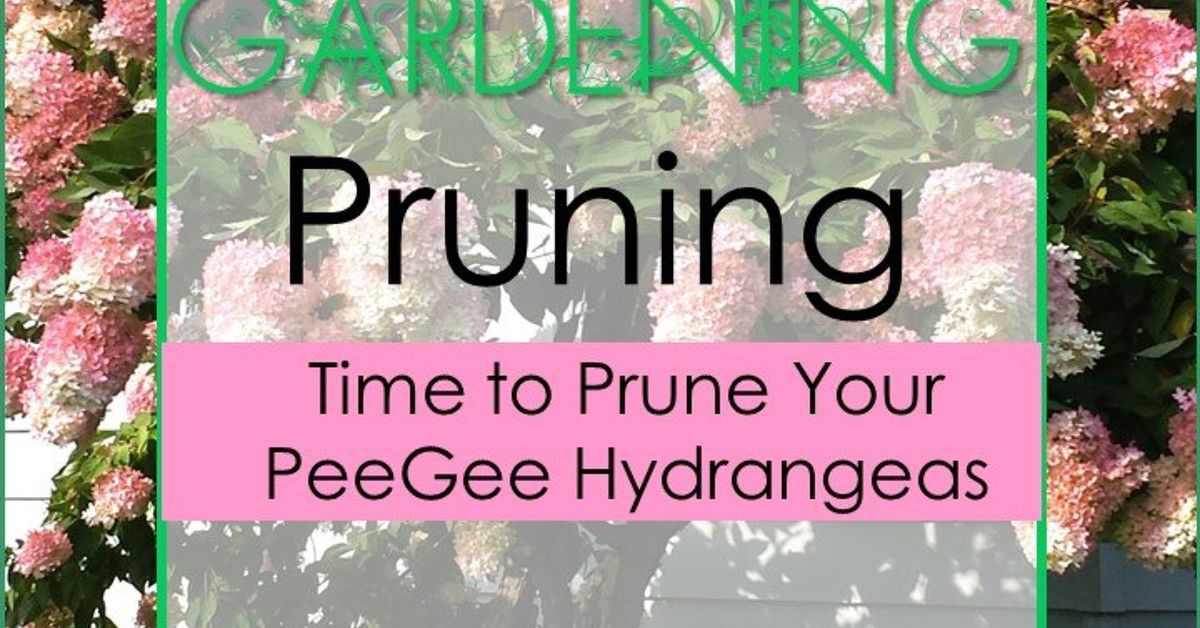
Note: This DIY guide focuses on tree-form panicle hydrangeas, the kind most often sold as a “hydrangea tree,” “tree hydrangea,” “hydrangea standard,” or “peegee hydrangea tree.” If your plant has cone-shaped flowers and a single trunk with a rounded top, you are almost certainly in the right place.
Introduction: Your Hydrangea Tree Is Not Trying to Be Difficult
A hydrangea tree looks elegant, expensive, and slightly dramaticlike it expects a gravel driveway and a very polite garden bench nearby. But the truth is much friendlier: most hydrangea trees are simply panicle hydrangeas trained into a tree shape. They are beautiful, tough, and surprisingly forgiving when you prune them at the right time.
Learning how to prune a hydrangea tree DIY-style is one of the best garden skills you can pick up because pruning affects the shape, flower size, stem strength, and overall health of the plant. Skip pruning for too long, and your hydrangea tree may turn into a shaggy umbrella with floppy blooms. Prune too aggressively in the wrong place, and it may look like it lost a disagreement with a lawn crew. The sweet spot is controlled, thoughtful pruning that keeps the trunk clean, the canopy open, and the flowering stems strong.
The good news? A panicle hydrangea tree blooms on new wood, meaning it produces flowers on the growth it makes during the current growing season. That gives DIY gardeners more flexibility than with bigleaf or oakleaf hydrangeas, which can lose next year’s flowers if pruned at the wrong time. For a hydrangea tree, late winter to early spring is usually the ideal pruning window, before new leaves fully open and while the branch structure is easy to see.
What Is a Hydrangea Tree?
A hydrangea tree is usually Hydrangea paniculata trained into a standard form. “Standard” is the gardening term for a plant grown with one main trunk and a rounded canopy on top. It is not a true tree in the oak-or-maple sense. It is a woody flowering shrub wearing a tree costumeand honestly, it wears it well.
Popular tree-form panicle hydrangeas include varieties such as Limelight, Little Lime, Quick Fire, Pinky Winky, Vanilla Strawberry, Fire Light, and PeeGee. These hydrangeas are loved because they produce large cone-shaped flower clusters, tolerate cold better than many other hydrangeas, and handle full sun better in many climates when they receive enough moisture.
Why the Type Matters
Not all hydrangeas should be pruned the same way. Some bloom on old wood, which means their flower buds formed the previous season. Cutting those stems at the wrong time can remove the flowers before they ever get a chance to show off. Panicle hydrangeas bloom on new wood, so pruning in late winter or early spring encourages fresh growth that will carry the season’s flowers.
That difference is the whole game. Once you know your hydrangea tree is a panicle hydrangea, pruning becomes less mysterious and more like giving the plant a clean haircut before the big summer performance.
When to Prune a Hydrangea Tree
The best time to prune a hydrangea tree is late winter or early spring, before active new growth begins. In many parts of the United States, that means sometime between February and early April, depending on your climate. Gardeners in warmer regions may prune earlier, while colder-zone gardeners often wait until the worst winter weather has passed.
You can also remove dead, broken, or diseased branches whenever you notice them. Dead wood does not need an appointment. If a branch is cracked, rubbing badly, or clearly lifeless, it can go.
Should You Prune in Fall?
Light cleanup in fall is usually fine, especially if you are removing spent flowers that could catch snow or bend stems. However, many gardeners prefer to leave the dried blooms through winter because they add texture to the landscape. Those tan flower heads can look lovely with frost on them, like nature decorated them with powdered sugar.
Avoid major shaping too late in fall if your area gets harsh winters. Fresh cuts may be more exposed to winter injury, and heavy pruning is often easier once you can see what survived the cold.
Tools You Need for DIY Hydrangea Tree Pruning
You do not need a professional landscaping truck or a belt full of scary equipment. For most hydrangea tree pruning jobs, a few basic tools are enough.
Basic Pruning Tools
- Bypass hand pruners: Best for small stems and clean cuts.
- Loppers: Useful for thicker branches in the canopy.
- Pruning saw: Helpful for older, woody branches larger than your loppers can handle.
- Gloves: Because bark scratches are not a badge of honor you need to collect.
- Disinfectant: Rubbing alcohol or disinfecting wipes help clean blades between cuts, especially when removing diseased wood.
Sharp tools matter. Dull pruners crush stems instead of slicing them, leaving ragged wounds that heal poorly. Before you begin, clean and sharpen your blades. Your hydrangea tree deserves better than being gnawed at by garden scissors from 1998.
How to Prune a Hydrangea Tree DIY: Step-by-Step
Pruning a hydrangea tree is mostly about maintaining the tree form: a clear trunk, a balanced canopy, strong flowering branches, and good airflow. Follow these steps slowly. The plant is not going anywhere.
Step 1: Stand Back and Study the Shape
Before making a single cut, step back and look at the whole hydrangea tree. Notice whether the canopy leans to one side, whether branches are crossing, and whether the top looks too dense. Your goal is not to create a perfect green lollipop. Your goal is a natural, rounded canopy with enough open space for light and air to move through.
Look for three main things: dead wood, weak growth, and branches growing in awkward directions. This quick inspection prevents random snipping, also known as “panic pruning,” which rarely ends well.
Step 2: Remove Suckers from the Base and Trunk
Hydrangea trees often send up small shoots from the base or along the trunk. These are called suckers. Remove them as close to their point of origin as possible. If you leave them, they can steal energy from the canopy and make your tree-form hydrangea look more like a confused shrub.
Check the trunk from soil level all the way up to the canopy. Any leafy shoots growing from the trunk should be pruned off. The trunk should remain clean and visible.
Step 3: Cut Out Dead, Damaged, or Diseased Wood
Dead branches are usually dry, brittle, gray, or hollow-looking. Damaged branches may be cracked, bent, or split from snow, wind, or the occasional garden hose wrestling match. Diseased branches may show unusual discoloration, cankers, or shriveled sections.
Cut dead or damaged stems back to healthy wood or remove them at their base. If you suspect disease, clean your pruners before moving to another part of the plant. It takes only a few seconds and helps prevent spreading problems.
Step 4: Remove Crossing and Inward-Growing Branches
Branches that rub against each other can create wounds where pests and disease may enter. Branches that grow inward crowd the center of the canopy and reduce airflow. Remove the weaker or less attractive branch when two are crossing.
Think of the canopy like a room. You want furniture, not a storage unit. A slightly open center helps reduce humidity around the leaves and flowers, which can support healthier growth.
Step 5: Shorten Last Year’s Flowering Stems
Now comes the main shaping cut. Shorten the previous season’s flowering stems by about one-third. Make each cut just above a healthy pair of buds, ideally buds facing outward. Outward-facing buds encourage growth away from the center, creating a fuller and better-shaped canopy.
Do not cut every branch back to the same exact height as if you are trimming a hedge. Hydrangea trees look best when the canopy has a soft, rounded structure. Leave strong branches slightly longer where the canopy needs fullness, and shorten overly long branches that throw off the shape.
Step 6: Thin Weak, Spindly Stems
Thin stems often produce small flowers and may flop under the weight of big blooms. Remove the weakest twiggy growth, especially inside the canopy. This helps the plant direct energy into stronger stems that can hold flowers upright.
For mature hydrangea trees, thinning is often more useful than simply chopping the top shorter. A dense canopy may produce many blooms, but if the stems are weak, the flowers can droop after rain. Nobody wants a hydrangea tree that looks like it just heard bad news.
Step 7: Keep the Main Trunk and Framework
This is the most important rule: do not cut the hydrangea tree down to the ground. A tree-form hydrangea depends on its trunk and permanent branch framework. While shrub-form panicle hydrangeas can sometimes handle more severe renewal pruning, tree-form hydrangeas should be pruned to maintain their structure.
Leave the main trunk alone unless you are removing suckers, damaged growth, or tiny shoots. Preserve the top framework branches that create the canopy. Your pruning should refine the tree shape, not restart the plant from zero.
How Much Should You Cut Back?
For routine annual pruning, removing about one-third of the previous season’s growth is a practical guideline. This encourages sturdy new stems and good flowering without forcing the plant into a flush of weak, overly soft growth.
If your hydrangea tree is young, prune lightly. Young trees need time to build a strong framework. If your tree is mature and vigorous, you can be a bit more assertive, but still avoid turning the canopy into a stump bouquet.
Light Pruning
Light pruning is best for young trees, recently planted hydrangeas, or plants that already have a good shape. Remove dead wood, suckers, and only the tips of last year’s flowering stems.
Moderate Pruning
Moderate pruning works well for established hydrangea trees. Remove weak stems, shorten branches by about one-third, and shape the canopy evenly.
Heavy Pruning
Heavy pruning may be needed if the canopy is very overgrown, storm-damaged, or badly misshapen. Even then, avoid removing the main trunk or cutting away the entire branch structure. Spread corrective pruning over two seasons if the tree needs major reshaping.
Common Hydrangea Tree Pruning Mistakes
Mistake 1: Pruning It Like a Bigleaf Hydrangea
Bigleaf hydrangeas and panicle hydrangeas have different bloom habits. If you treat them the same, you may either under-prune or prune at the wrong time. A hydrangea tree is typically a panicle hydrangea, so late winter or early spring pruning is appropriate.
Mistake 2: Cutting Off the Tree Form
Do not cut the trunk back to the ground. That removes the very structure that makes the plant a hydrangea tree. Focus on the canopy and trunk suckers, not the main trunk itself.
Mistake 3: Leaving Too Many Weak Stems
More stems do not always mean more beauty. Too many thin stems can create smaller flowers and floppy growth. Removing weak stems helps the remaining branches become stronger.
Mistake 4: Making Flat-Top Cuts
A hydrangea tree should not look like a coffee table. Avoid shearing the top into a flat surface. Use selective cuts to preserve a rounded, natural canopy.
Mistake 5: Pruning During Heat Stress
If your hydrangea tree is wilted from drought or recovering from extreme heat, avoid hard pruning. Water deeply, mulch properly, and let the plant recover before doing major shaping.
Aftercare: What to Do After Pruning
Once pruning is complete, clean up all cut branches and fallen flower heads. Leaving debris around the base can create hiding places for pests or disease. Add a fresh layer of organic mulch around the root zone, keeping mulch a few inches away from the trunk.
Water deeply when the soil is dry, especially as new growth begins. Panicle hydrangeas are tougher than some hydrangeas, but they still appreciate consistent moisture. Avoid dumping high-nitrogen fertilizer on the plant after pruning. Too much nitrogen can encourage leafy growth at the expense of flowers.
Should You Fertilize After Pruning?
If your hydrangea tree is growing well and blooming normally, it may not need much fertilizer. If growth is weak or your soil is poor, apply a balanced slow-release fertilizer in spring according to the label. More fertilizer is not more love. It is just more fertilizer.
How to Prune an Overgrown Hydrangea Tree
An overgrown hydrangea tree needs patience. Start by removing dead, damaged, crossing, and inward-growing branches. Then shorten overly long stems to bring the canopy back into balance. Remove trunk suckers and base shoots completely.
If the canopy is extremely dense, thin some interior stems rather than cutting everything short. A gradual approach creates a healthier, better-looking tree. For very neglected trees, plan to correct the shape over two or even three pruning seasons. Plants respond better to thoughtful editing than dramatic punishment.
How to Prune for Bigger Blooms
To encourage larger flower clusters, reduce the number of weak stems and shorten strong stems to healthy buds. When the plant has fewer but stronger flowering shoots, it can put more energy into each bloom. However, there is a trade-off: fewer stems may mean fewer total flower heads, but the flowers that remain may be larger and more impressive.
For a balanced look, aim for strong stems spaced around the canopy. Keep enough branches for a full shape, but remove the twiggy clutter that creates small, floppy blooms.
How to Prune for Stronger Stems
Floppy hydrangea blooms are often caused by weak stems, shade, excessive fertilizer, or overly aggressive pruning that triggers soft growth. To encourage stronger stems, prune moderately each year, remove thin interior growth, and avoid feeding too much nitrogen.
Make cuts just above sturdy bud pairs. These buds will push new shoots that carry flowers later in the season. The more carefully you choose your buds, the better the future canopy will look.
Seasonal Hydrangea Tree Care Calendar
Late Winter to Early Spring
This is the main pruning season. Remove dead wood, suckers, crossing branches, and weak stems. Shape the canopy and shorten last year’s flowering stems.
Spring
Watch for new growth. Water during dry spells and apply mulch. Fertilize lightly only if needed.
Summer
Enjoy the blooms. Water deeply during hot, dry weather. Avoid hard pruning during heat stress.
Fall
Remove broken branches if needed. Leave dried flowers for winter interest or lightly deadhead if heavy blooms may catch snow.
Winter
Let the plant rest. In snowy areas, gently brush off heavy snow if branches bend badly, but do not yank frozen stems.
DIY Experience Notes: What Pruning a Hydrangea Tree Teaches You
The first time you prune a hydrangea tree, it can feel suspiciously serious. You stand there with pruners in hand, staring at the plant like it is about to grade your performance. The trick is to begin with the obvious cuts. Remove the suckers from the trunk. Clip off dead flower heads. Take out the dry, brittle stems. Once those easy decisions are done, the shape starts to reveal itself.
One of the most useful lessons from pruning a hydrangea tree is that restraint is a skill. Many DIY gardeners start with the idea that pruning means cutting a plant way back. With a tree-form hydrangea, the better approach is selective pruning. You are not demolishing the canopy; you are editing it. A branch crossing through the center? Remove it. A tiny twig that will never hold a flower upright? Gone. A strong branch with healthy outward-facing buds? Keep it and shorten it thoughtfully.
Another real-world lesson is that hydrangea trees look worse before they look better. Right after pruning, the canopy may seem a little bare. That is normal. Within a few weeks of spring growth, buds swell, leaves open, and the tree begins filling in. By summer, the cuts that felt dramatic often become invisible under fresh foliage and flowers.
DIY pruning also teaches you to watch how the plant responds year after year. If your hydrangea tree produces huge flowers that flop after rain, try leaving a few more sturdy framework branches next season and removing more weak interior shoots. If the blooms are numerous but small, thin the canopy slightly more. If one side grows faster because it receives more sun, adjust your pruning to balance the shape.
There is also something satisfying about cleaning the trunk. A hydrangea tree with suckers growing up the base can look messy, even when the flowers are beautiful. Once the trunk is cleared, the whole plant looks more intentional, like it belongs in the landscape rather than accidentally happening there.
The biggest confidence boost comes when you realize that panicle hydrangeas are forgiving. You do not need every cut to be perfect. If you prune at the right time, preserve the trunk, keep the canopy open, and avoid removing the entire framework, your hydrangea tree will usually reward you with fresh growth and summer blooms. Gardening rarely offers instant perfection, but it does offer second chances. Hydrangea trees are generous that way.
Conclusion: Prune with Confidence, Not Panic
Pruning a hydrangea tree DIY-style is less complicated once you understand what you are working with. Most hydrangea trees are panicle hydrangeas trained into a standard form, which means they bloom on new wood and can be pruned in late winter or early spring. Focus on removing suckers, dead wood, crossing branches, weak stems, and overcrowded growth. Then shorten the previous season’s stems to healthy outward-facing buds while preserving the main trunk and canopy framework.
The goal is not to force your hydrangea tree into a stiff shape. The goal is to help it grow stronger, bloom better, and keep that graceful tree form that makes it such a standout in the garden. With sharp tools, good timing, and a little patience, you can prune your hydrangea tree without fearand without needing to whisper apologies after every cut.














