
Walking into a party without a drink in your hand can feel, at first, like arriving at a pool party wearing snow boots. Everyone else seems to know the rhythm, the rituals, and the mysterious science of holding a red cup while laughing at medium-funny jokes. But here is the truth: you do not need alcohol to be charming, relaxed, interesting, funny, confident, or fully present. In fact, learning how to enjoy yourself at a party without drinking can make social events more memorable, less stressful, and a lot easier on your tomorrow-morning self.
Whether you are sober, sober curious, cutting back, pregnant, driving, taking medication, avoiding hangovers, supporting a friend, or simply not in the mood, you deserve to have fun without explaining your entire life story next to the snack table. This guide shares 12 practical steps for partying alcohol-free, handling social pressure, staying comfortable, and actually enjoying the nightnot just surviving it like a polite houseplant.
Why Going Alcohol-Free at a Party Can Be a Power Move
Many people associate parties with drinking because alcohol is often treated as the default social lubricant. But “default” does not mean “required.” Choosing not to drink can help you stay clear-headed, remember conversations, notice when you are genuinely having fun, and leave when you are ready instead of when your judgment files a resignation letter.
Health organizations consistently note that drinking lessor choosing not to drinkcan reduce alcohol-related risks. Alcohol can also worsen anxiety for some people, interfere with sleep, affect mood, and make social situations feel messier than they need to be. That does not mean every party has to become a wellness retreat with cucumber water and whispered affirmations. It simply means you can enjoy music, food, jokes, games, dancing, and conversation without making alcohol the main event.
How to Enjoy Yourself at a Party Without Drinking: 12 Steps
1. Decide Your Reason Before You Arrive
The easiest way to stay confident at a party without drinking is to know your reason before you walk in. Your reason does not have to be dramatic. It can be as simple as “I want to sleep well,” “I am driving,” “I feel better without alcohol,” or “I just do not want to drink tonight.”
When your decision is clear to you, it becomes less vulnerable to pressure from others. You do not need to present evidence, call witnesses, or prepare a courtroom defense. A calm “I’m not drinking tonight” is a complete sentence. If someone keeps pushing, that says more about their discomfort than your choice.
2. Bring or Choose a Drink You Actually Like
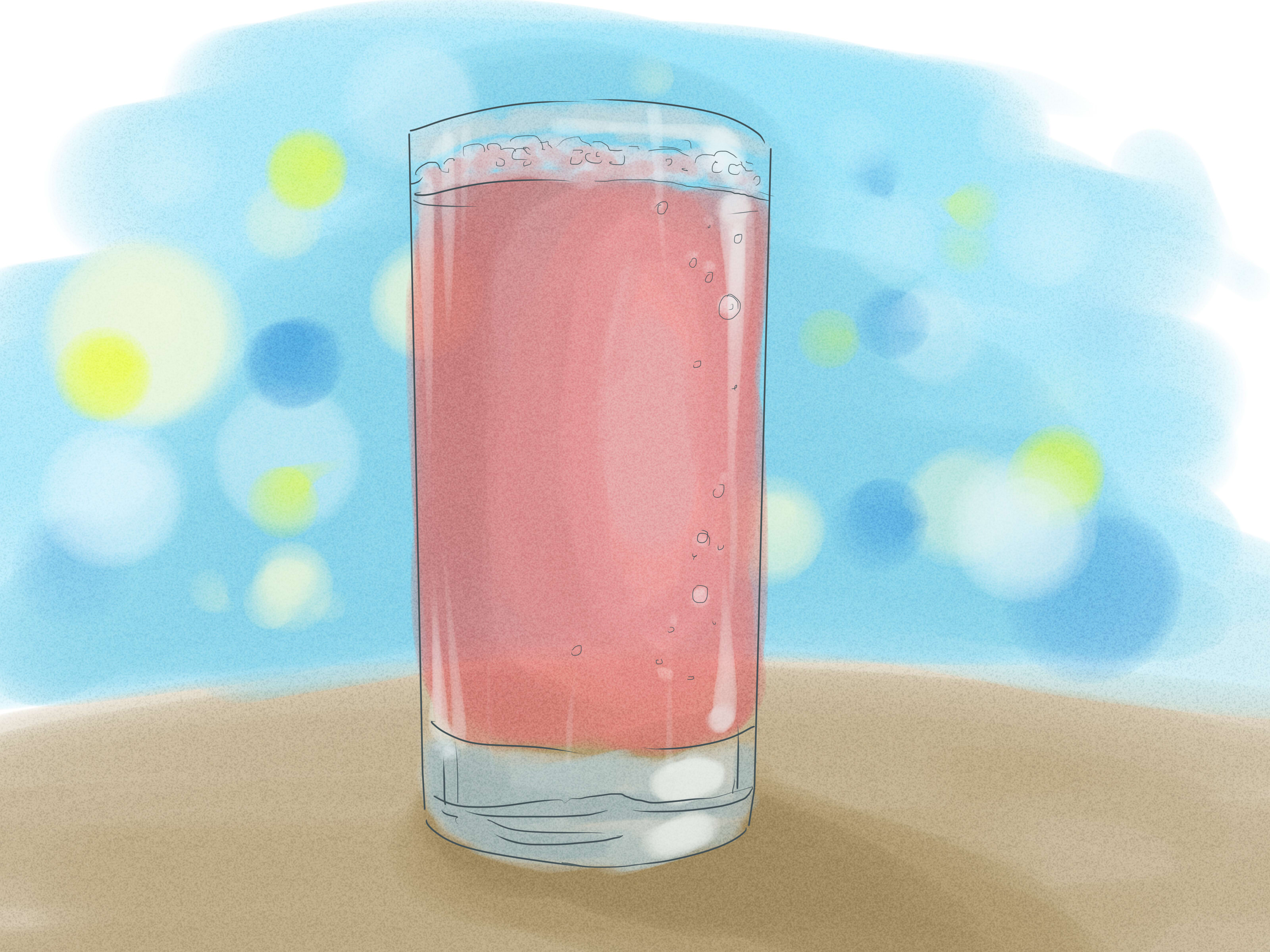
One underrated trick for sober socializing is having something in your hand that you enjoy. This could be sparkling water with lime, iced tea, kombucha, a mocktail, ginger beer, lemonade, soda water with bitters if that fits your preferences, or a nonalcoholic beer or wine. A good alcohol-free drink gives you the familiar party ritual without the alcohol.
If you are going to a house party, bring your own favorite option. Hosts are often busy, and not every party has exciting nonalcoholic choices beyond “tap water, but emotionally colder.” Bringing your own drink removes uncertainty and gives you something festive to sip while everyone else debates whether the playlist peaked in 2014.
3. Prepare a Simple Answer for “Why Aren’t You Drinking?”
Most people ask out of curiosity, not malice. Still, being asked repeatedly can get old. Prepare one or two short replies so you do not have to improvise under fluorescent kitchen lighting.
Try:
- “I’m taking a break from alcohol.”
- “I feel better without it.”
- “I’m driving tonight.”
- “Not drinking tonight, but I’m goodwhat are you having?”
- “I’m on mocktails this evening. Very glamorous, very hydrated.”
The key is to answer briefly and redirect. Ask about the food, music, pets, host, or how they know everyone. Most conversations move on quickly when you do not treat your choice like breaking news.
4. Arrive With a Social Mission
Parties can feel awkward when your only plan is “stand somewhere and hope for chemistry.” Give yourself a small social mission. Decide that you will talk to three people, compliment the host, learn one new thing about someone, try one appetizer, or join one activity.
A social mission gives your brain something to do besides monitoring whether you look weird holding a sparkling water. It also changes the night from a vague performance into a simple game. And unlike many party games, this one does not require yelling “who made these rules?” at midnight.
5. Show Up Early, Before the Party Gets Too Loud
If you feel nervous about attending a party without alcohol, arriving early can help. Early in the night, people are usually calmer, conversations are easier, and the room is less likely to sound like a blender full of opinions. You can settle in, greet the host, meet a few people, and get comfortable before the energy rises.
Arriving early also gives you a natural role. You can help set out food, choose music, arrange chairs, or become the unofficial guardian of the chips. Having a small task can reduce social anxiety and make you feel useful instead of awkwardly decorative.
6. Bring a Friend Who Supports Your Choice
Going alcohol-free is easier when at least one person knows your plan and respects it. Bring a friend who will not pressure you, tease you, or announce your beverage choice like a town crier. A supportive friend can help redirect conversations, join you for mocktails, or leave with you if the party stops being fun.
If you are in recovery or avoiding alcohol for health reasons, support matters even more. Consider checking in with a trusted person before and after the event. Supportive social connections can make alcohol-free choices feel normal, not isolating.
7. Focus on Food, Music, Games, and People
A party is not just a place where beverages happen. It is also a place for food, music, stories, dancing, games, outfits, introductions, inside jokes, and the ancient human tradition of standing in kitchens for no clear reason.
Shift your attention from what you are not drinking to what you are doing. Try the dip. Ask who made the playlist. Join the board game. Dance before you feel “ready.” Offer to take group photos. Talk to the person sitting near the dog; they are often either shy, wise, or both. The more you participate, the less alcohol feels like the center of the room.
8. Practice Real Conversation Starters
Some people drink at parties because they believe alcohol makes them more interesting. Usually, it just makes them louder. Real connection comes from curiosity, listening, and asking better questions than “So, what do you do?”although that question is fine if delivered with genuine interest and not corporate networking energy.
Try these conversation starters:
- “How do you know the host?”
- “What is the best thing you ate this week?”
- “Have you watched anything recently that was actually worth the time?”
- “What song would immediately improve this party?”
- “What is your most harmless strong opinion?”
Good questions make people feel seen. They also give you something to focus on besides your own nerves. Listening well is an underrated party skill, and it works beautifully without alcohol.
9. Have an Exit Plan
Enjoying yourself without drinking does not mean staying until the lights come on and someone starts emotionally bonding with a pizza box. Give yourself permission to leave when you are tired, bored, overwhelmed, or simply done.
Plan your transportation ahead of time. Drive yourself if appropriate, arrange a ride, use a rideshare app, or agree on a departure time with a friend. Knowing you can leave whenever you want reduces pressure and makes it easier to relax while you are there.
10. Handle Peer Pressure With Humor and Boundaries
Most people will accept your choice. A few may insist, “Come on, just one!” This is your cue to stay calm and not absorb their awkwardness like a social sponge.
Use humor when it feels natural:
- “I’m off-duty tonight.”
- “I’m conducting a scientific study on snacks.”
- “No thanks, I’m in my hydration era.”
- “I promised my future self a peaceful morning.”
If humor does not work, use a firmer boundary: “No thanks. I’m not drinking.” You do not owe anyone repeated explanations. If someone continues pushing, step away, find another conversation, or check in with your supportive friend. A party should not feel like a beverage negotiation.
11. Notice How You Feel During the Night
One benefit of staying sober at a party is that you can actually read your own experience. Are you enjoying the people? Is the music fun? Are you hungry? Tired? Overstimulated? Ready to dance? Ready to go home and become one with your pajamas?
Alcohol can blur those signals. Without it, you may discover that some parties are genuinely fun, some are tolerable, and some are just loud rooms with cheese cubes. That information is useful. It helps you choose better events, better people, and better ways to spend your time.
12. Celebrate the Morning After
The morning after an alcohol-free party can feel like finding a secret bonus level in adulthood. You may wake up with more energy, clearer memories, fewer regrets, and no urgent need to apologize to a group chat. That is worth noticing.
Celebrate it. Make a good breakfast, go for a walk, drink coffee without negotiating with your stomach, or simply enjoy the fact that your phone does not contain mysterious photos of a lamp. Positive reinforcement helps your brain connect sober partying with real rewards.
What to Drink at a Party Instead of Alcohol
Alcohol-free drinks have come a long way from “cola or sadness.” Many parties now include mocktails, flavored seltzers, nonalcoholic beers, alcohol-free wines, shrubs, kombucha, fresh lemonade, botanical sodas, and fancy waters with fruit or herbs. If you are hosting, set up a small mocktail station with citrus, mint, berries, ginger ale, club soda, and fun glasses. Presentation matters. A drink in a nice glass with a garnish feels festive, even if it contains exactly zero drama.
Easy ideas include cranberry juice with sparkling water and lime, ginger beer with mint, iced tea with peach slices, cucumber-lime soda water, or a virgin mojito. The goal is not to mimic alcohol perfectly. The goal is to have something enjoyable, grown-up, and party-worthy.
How to Deal With Social Anxiety Without Drinking
If you often use alcohol to manage social anxiety, going without it may feel uncomfortable at first. That does not mean you are doing it wrong. It means you are practicing a new skill. Start with smaller gatherings, arrive early, bring a trusted friend, prepare conversation topics, and take breaks outside or in a quieter room when needed.
Breathing exercises, grounding techniques, and positive self-talk can help. For example, instead of thinking, “Everyone can tell I’m awkward,” try, “Most people are focused on themselves, and I only need one good conversation.” If anxiety feels intense or regularly keeps you from living the life you want, consider talking with a mental health professional. Support is not a defeat; it is maintenance for the social operating system.
How to Support Someone Else Who Is Not Drinking
If a friend says they are not drinking, the best response is simple: “Cool, want a soda?” Do not interrogate, tease, or make it weird. Do not ask whether they are pregnant, in recovery, on medication, dieting, religious, training for a marathon, or secretly a superhero. Their reason belongs to them.
Good hosts offer appealing nonalcoholic drinks, label beverages clearly, avoid pressuring guests, and make the party about more than drinking. Games, food, music, comfortable seating, and inclusive activities help everyone enjoy themselves, including designated drivers, nondrinkers, and people who simply want to wake up tomorrow feeling like a functioning citizen.
Common Mistakes to Avoid When Partying Without Alcohol
Waiting Until You Are Pressured to Decide
Make your choice before the party. Decisions made in the moment can be harder, especially when someone hands you a drink and says, “You have to try this.” You do not, in fact, have to try this.
Going Hungry
Eat something before you go or make food part of your party plan. Hunger can make anxiety, irritability, and cravings worse. Also, party snacks are more enjoyable when you are not using them as an emergency emotional support system.
Explaining Too Much
A long explanation can invite debate. Keep it short. “No thanks, I’m not drinking tonight” is enough.
Standing on the Sidelines All Night
If you do not drink but also do not participate, the party may feel boring. Join the activity, help the host, start a conversation, request a song, or move to a better part of the room.
Expecting Every Party to Be Amazing
Some parties are not your scene. That is not a failure of sobriety. It is just data. Alcohol may have made boring events feel temporarily exciting, but it did not magically make them meaningful. Choose future events with that lesson in mind.
of Real-Life Experience: What It Feels Like to Party Without Drinking
The first alcohol-free party often feels like an experiment. You may notice tiny things you never paid attention to before: the sound of bottles opening, how often people ask what you are drinking, how quickly conversations change direction, and how many guests gather around the kitchen island as if it has magnetic powers. At first, you might feel slightly exposed, as though everyone can see the invisible sign above your head that says, “This person is drinking sparkling water and thinking too much.” The funny part is that most people do not notice for more than five seconds.
One common experience is realizing that the hardest part is not refusing alcohol; it is getting through the first 20 minutes. Once you have said hello, found a drink, talked to one person, and settled into the room, the pressure drops. Your nervous system starts to understand that nothing terrible is happening. You are simply at a party. There is music. There are chips. Someone is telling a story that may or may not have a point. Life continues.
Another surprise is how much better conversations can feel. Without alcohol, you may listen more closely and remember details. You might notice who is genuinely kind, who is funny without trying, and who only asks questions so they can answer them about themselves. You may find yourself having one deep conversation in a quiet corner rather than six blurry half-conversations near the cooler. That can make the night feel more meaningful.
Dancing sober can be its own heroic journey. At first, your brain may say, “Absolutely not. We are a respectable person with knees.” But once you start moving, you may realize nobody is evaluating your technique with Olympic scoring cards. Most people are busy enjoying themselves or worrying about their own moves. Sober dancing teaches you that confidence often arrives after action, not before it.
You may also discover that your energy has a natural limit. Without alcohol pushing you past tiredness, you might want to leave earlier than usual. This is not boring; it is wisdom wearing comfortable shoes. Leaving at the right time can preserve the fun instead of stretching the night into that strange final hour when everyone is repeating themselves and the snack table looks like a small storm passed through.
The best part often comes the next morning. You wake up and remember the night clearly. You know what you said. You know how you got home. You may even have enough energy to do something useful, like exercise, make breakfast, or finally move the laundry from the washer before it develops a personality. That morning-after clarity can become powerful motivation. It reminds you that fun does not require a hangover as proof of purchase.
Over time, partying without drinking can change your social confidence. You learn that your humor is yours, not alcohol’s. Your curiosity is yours. Your ability to connect, dance, laugh, flirt, host, and belong is yours. Alcohol may have been present at past parties, but it was never the source of your personality. You brought that with you the whole time.
Conclusion
Learning how to enjoy yourself at a party without drinking is not about becoming the most serious person in the room. It is about giving yourself more choices. You can sip a mocktail, laugh loudly, dance badly, meet new people, leave early, wake up clear-headed, and still have a great story to tell. The secret is preparation: know your reason, bring a drink you like, practice your response, choose supportive people, join the fun, and protect your boundaries.
Alcohol-free partying may feel unfamiliar at first, but it gets easier with practice. Eventually, you may realize the best parts of a party were never trapped inside a bottle. They were in the music, the conversations, the food, the jokes, the connections, and the simple pleasure of being fully there.
Note: If you have been drinking heavily for a long time and want to stop, speak with a healthcare professional before quitting suddenly, because alcohol withdrawal can be serious. This article is for general educational purposes and is not a substitute for medical care.













