
Summer electricity bills are like sunburns: most people know they are coming, but somehow they still feel personally attacked when they arrive. As temperatures climb, air conditioners start running marathon shifts, ceiling fans spin like tiny helicopters, and utility bills quietly stretch their legs. The big question for 2026 is simple: which states will pay the mostand the leastfor electricity this summer?
The answer depends on two things: the price you pay per kilowatt-hour and how much electricity your household uses. A state with high electricity rates can sometimes have moderate bills if homes use less power. A state with low rates can still produce eye-watering summer bills if residents blast air conditioning day and night. Still, when we compare current residential electricity rates by state, the pattern is clear: island states and much of the Northeast remain expensive, while parts of the Midwest, Plains, and South Central U.S. continue to enjoy lower rates.
Based on the latest publicly available electricity rate data for 2026, Hawaii, California, Maine, Connecticut, Massachusetts, New York, Rhode Island, New Hampshire, Alaska, and Vermont are among the states where residents are likely to face the highest electricity prices this summer. On the other end, North Dakota, Nebraska, Missouri, Idaho, Arkansas, Iowa, Tennessee, Louisiana, Oklahoma, and Wyoming are currently among the lowest-cost states for residential electricity.
Why Summer Electricity Bills Hit Harder
Electricity rates are measured in cents per kilowatt-hour, usually written as ¢/kWh. That sounds tiny until summer arrives and your air conditioner begins behaving like it has joined a gym. A home using 1,000 kWh in a month would pay about $430 for electricity in Hawaii at 43.00¢/kWh, before taxes and fees. The same 1,000 kWh in North Dakota at 11.64¢/kWh would cost about $116.40. Same electricity use, wildly different outcome.
That difference explains why electricity cost by state matters so much. A few cents per kWh may not seem dramatic on paper, but over hundreds or thousands of kilowatt-hours, the gap becomes very real. This is especially true during June, July, August, and early September, when cooling demand rises across much of the country.
The Most Expensive States for Electricity This Summer
The states with the highest residential electricity rates share several common traits: expensive fuel supply, limited grid connections, high infrastructure costs, dense populations, aggressive grid modernization needs, or challenging weather. Here is the current high-cost group to watch this summer.
1. Hawaii: The Price Island
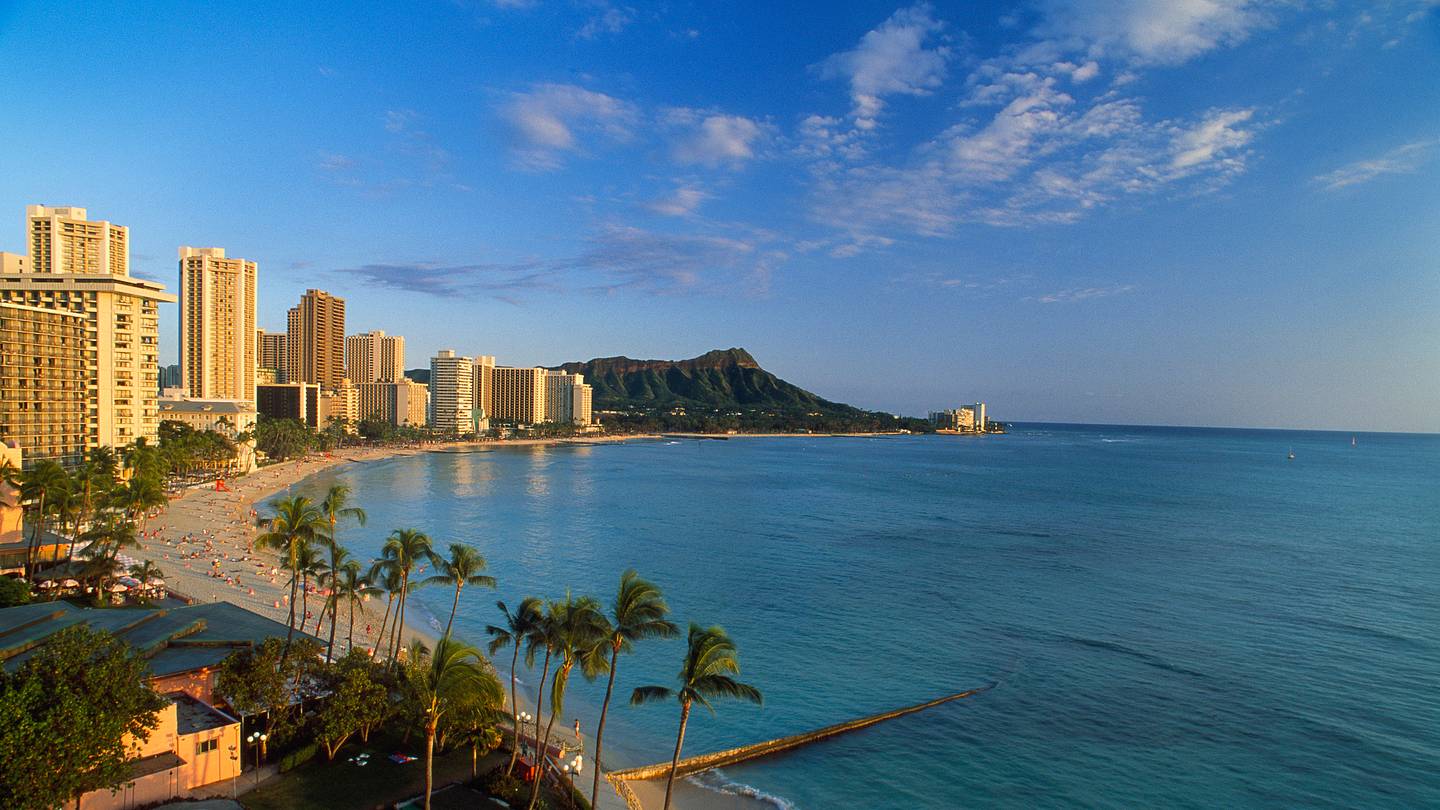
Hawaii sits at the top of the list with residential electricity rates around 43.00¢ per kWh. That is more than double the national residential average. The reason is not mysterious: island geography makes electricity more expensive. Hawaii has historically relied heavily on imported fuels, and it cannot simply lean on neighboring states through large mainland transmission systems. When you live in paradise, apparently the palm trees do not come with a discount code.
2. California: High Rates, High Stakes
California’s residential electricity rate is roughly 33.22¢ per kWh, placing it near the top nationally. The state’s bills are shaped by wildfire mitigation, grid upgrades, renewable energy integration, transmission investments, and high operating costs. California also has major regional variation: a coastal apartment and a Central Valley house under triple-digit heat can have very different summer usage patterns.
3. Maine: A Big Jump in a Small State
Maine has moved into the high-cost tier at about 32.17¢ per kWh. That is a major year-over-year jump. Like much of New England, Maine faces fuel supply constraints, transmission costs, and regional energy market pressures. For households that use electric cooling sparingly, the summer hit may be less severe than in hotter states. But every extra fan, window unit, dehumidifier, and basement freezer adds up.
4. Connecticut, Massachusetts, New York, and Rhode Island
The Northeast remains one of the most expensive electricity regions in the country. Connecticut is around 30.77¢ per kWh, Massachusetts about 30.46¢, New York about 29.99¢, and Rhode Island about 29.45¢. These states often deal with high delivery charges, dense infrastructure, imported fuel dependence, and winter-peaking systems that still must perform during summer heat waves.
5. New Hampshire, Alaska, and Vermont
New Hampshire, Alaska, and Vermont also sit in the high-rate group, with residential rates generally above 23¢ per kWh. Alaska’s geography creates unique energy challenges, especially for remote communities. Vermont and New Hampshire face the broader New England price environment. In these places, even modest air conditioning use can feel expensive when rates are already elevated.
The Least Expensive States for Electricity This Summer
Low-rate states are not magically immune to big summer bills. A hot, humid house in Louisiana can use more electricity than a mild-weather home in Maine. Still, lower rates create a softer landing when the air conditioner starts working overtime.
1. North Dakota: The Lowest Residential Rate
North Dakota currently has one of the cheapest residential electricity rates in the country at about 11.64¢ per kWh. A home using 1,000 kWh would pay roughly $116 before fees. That low rate is helped by a mix of local energy resources, relatively manageable grid costs, wind generation, and a less congested power system.
2. Nebraska and Missouri: Quiet Winners
Nebraska follows closely at about 11.79¢ per kWh, while Missouri comes in near 12.17¢ per kWh. These states benefit from relatively affordable generation mixes and regional cost structures. They may not trend on social media for “glamorous utility bills,” but when summer invoices arrive, boring can be beautiful.
3. Idaho, Arkansas, Iowa, and Tennessee
Idaho, Arkansas, Iowa, and Tennessee are also among the cheapest residential electricity states. Idaho benefits from low-cost resources including hydroelectric power. Iowa’s electricity profile includes substantial wind generation. Tennessee and Arkansas often enjoy rates that remain well below the national average.
4. Louisiana, Oklahoma, and Wyoming
Louisiana, Oklahoma, and Wyoming round out the low-cost group. These states may still experience serious summer electricity use because of heat and humidity, but their lower per-kWh prices help keep bills more manageable. In Louisiana, for example, usage can be high because air conditioning is not a luxury in Julyit is practically a life-support system with a thermostat.
Highest vs. Lowest: What 1,000 kWh Could Cost
| State | Approx. Residential Rate | Estimated Cost for 1,000 kWh |
|---|---|---|
| Hawaii | 43.00¢/kWh | $430.00 |
| California | 33.22¢/kWh | $332.20 |
| Maine | 32.17¢/kWh | $321.70 |
| North Dakota | 11.64¢/kWh | $116.40 |
| Nebraska | 11.79¢/kWh | $117.90 |
| Missouri | 12.17¢/kWh | $121.70 |
This table shows why electricity rates by state matter. Hawaii and North Dakota are separated by more than 31 cents per kWh. At 1,000 kWh, that difference is more than $300 in a single month. Stretch that over a hot summer, and suddenly “turn off the hallway light” stops sounding like something only parents say for dramatic effect.
Why Rates Are Rising in 2026
Residential electricity prices are expected to rise in 2026, and the pressure is not coming from one single villain twirling a mustache in a utility control room. Several forces are working together.
Higher Demand From Homes and Businesses
U.S. electricity demand is growing after years of relatively flat consumption. More homes use electric appliances, heat pumps, smart devices, EV chargers, and home office equipment. Businesses are also using more power, especially as data centers expand. Artificial intelligence, cloud computing, crypto infrastructure, and digital services all require electricity around the clock.
Hotter Summers and Cooling Degree Days
Cooling demand is closely tied to weather. Meteorologists often use “cooling degree days” to estimate how much energy may be needed for air conditioning. When average daily temperatures rise above 65°F, cooling degree days accumulate. The more cooling degree days a region sees, the more likely households are to use air conditioning heavily.
Grid Upgrades and Reliability Costs
Utilities are spending money on transmission lines, substations, wildfire protection, storm hardening, grid modernization, and new generation. These projects can improve reliability, but they also show up in electricity rates. Customers may not see the new transformer down the road and think, “Ah yes, there goes my rate base,” but the bill notices eventually explain it in language only slightly more cheerful than a parking ticket.
Fuel and Regional Market Differences
States with access to low-cost hydro, wind, coal, natural gas, or public power systems often have lower rates. States that rely heavily on imported fuels, constrained gas pipelines, or costly regional markets often pay more. That is why the map looks uneven: electricity is local, regional, and national all at once.
States Where Bills May Feel Worse Than Rates Suggest
Electricity prices tell only half the story. Summer bills also depend on consumption. Some states have moderate rates but high cooling demand. Texas, Florida, Arizona, Louisiana, Georgia, Mississippi, and South Carolina may not all rank among the most expensive by kWh, but summer usage can be enormous. A large house in Texas using around 1,100 kWh at about 15.41¢ per kWh would see a monthly electricity cost near $169 before taxes and fees. During extreme heat, many homes use more than that.
That is why “cheap electricity” does not always mean “cheap bill.” If a state has low rates but residents use a lot of power to fight heat, humidity, and long cooling seasons, the monthly total can still climb. In the South, the air conditioner is not just an appliance; it is a household diplomat keeping everyone civil.
How to Lower Your Summer Electric Bill
The good news: households have more control over usage than they may think. You cannot move Hawaii closer to North Dakota, and you probably cannot negotiate with July, but you can reduce waste.
Set the Thermostat Wisely
Set your thermostat as high as comfortably possible in summer and raise it when you are away. Even a few degrees can matter. The smaller the gap between indoor and outdoor temperatures, the less your system has to work. Avoid setting the thermostat much colder than normal when you first turn on the air conditioner; it will not cool the house faster, but it may cool your wallet at Olympic speed.
Use Fans the Right Way
Fans cool people, not rooms. Use ceiling fans when you are present, but turn them off when you leave. A fan running in an empty room is basically hosting a private breeze party for furniture.
Block Heat Before It Gets Inside
Close blinds, curtains, and shades during the hottest parts of the day, especially on west- and south-facing windows. Solar heat gain can make rooms warmer and force the air conditioner to run longer.
Maintain Cooling Equipment
Replace or clean air filters regularly, keep vents clear, and schedule maintenance if your system is struggling. Dirty filters make cooling systems work harder, which increases energy use and can shorten equipment life.
Choose Efficient Equipment
If you need a room air conditioner, size it correctly. Bigger is not always better. An oversized unit may cool too quickly without removing enough humidity, leaving the room clammy. ENERGY STAR-certified models, especially those with variable-speed technology, can reduce energy use while improving comfort.
Real-Life Experiences: What Summer Electricity Bills Teach Us
Anyone who has lived through a hot American summer knows that electricity bills are not just numbers. They change how people behave. In a high-rate state like California or Massachusetts, families often become strategic about cooling. They close curtains early, run appliances at night, and treat the thermostat like a financial instrument. One degree lower can feel amazing until the bill arrives wearing sunglasses and holding a tiny umbrella.
In the Northeast, many older homes were built for winter, not modern air conditioning. That means window units, portable ACs, dehumidifiers, and fans often work together in a patchwork cooling system. A homeowner in Maine or Connecticut may not run central air all day, but a few inefficient window units can still raise the bill quickly. The lesson is practical: seal the window unit well, clean the filter, and cool the room you are using instead of trying to refrigerate the entire zip code.
In the South, the experience is different. The rate may be lower, but the heat is relentless. A Louisiana or Florida household may use far more electricity than a Vermont household because cooling season starts earlier, ends later, and comes with humidity that makes the air feel like warm soup. People learn to cook outdoors, run dryers later in the evening, use ceiling fans, and keep doors closed like they are guarding national secrets.
In Texas, electricity shopping adds another layer. Some households can compare retail plans, choose fixed rates, or sign time-of-use offers. That flexibility can help, but it also requires attention. A cheap-looking plan with tricky terms can backfire. The best experience is usually boring: read the contract, check the average price at your expected usage level, and avoid plans that only look good at a usage number your home will never hit.
In low-rate states such as North Dakota, Nebraska, and Missouri, residents may feel less bill shock, but efficiency still matters. Lower prices do not make wasted energy free. A poorly insulated attic, aging air conditioner, or leaky duct system can turn an affordable rate into a surprisingly high bill. The cheapest kWh is still the one you never have to buy.
The biggest lesson from summer electricity bills is that comfort and cost are a balancing act. You do not need to suffer in a hot house to save money. Instead, focus on habits with high payoff: shade sunny windows, use fans when occupied, keep filters clean, avoid unnecessary heat from ovens and dryers during peak afternoon hours, and program the thermostat around your real schedule. The goal is not to live like a pioneer with Wi-Fi. The goal is to stay comfortable without letting the utility bill become the most dramatic character in your summer.
Final Takeaway
This summer, the states likely to pay the most for electricity are led by Hawaii, California, Maine, Connecticut, Massachusetts, New York, Rhode Island, New Hampshire, Alaska, and Vermont. The lowest-cost states are led by North Dakota, Nebraska, Missouri, Idaho, Arkansas, Iowa, Tennessee, Louisiana, Oklahoma, and Wyoming. But the real bill depends on both price and usage. High-rate states punish every extra kWh, while hot-weather states can rack up large bills through heavy cooling demand even when rates are lower.
The smartest strategy is simple: know your rate, track your usage, reduce cooling waste, and make your home work with the weather instead of fighting it like a dramatic movie villain. Your air conditioner can still be your summer herojust do not let it become the most expensive member of the household.
Editorial note: This article is written for web publication and synthesizes current U.S. electricity rate data, federal energy outlooks, summer weather context, and household energy-saving guidance. No external source links are embedded in the article body.













