
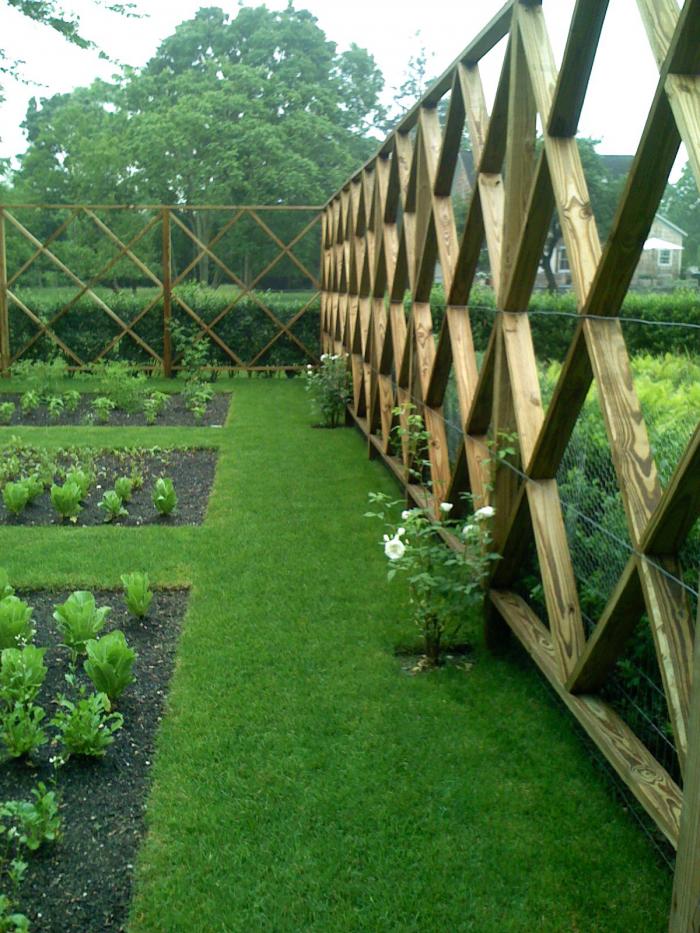
Sapo: In the Hamptons, deer do not merely visit a garden. They inspect it, critique it, and then eat the hydrangeas like tiny, judgmental landscape reviewers. The good news is that deer fencing does not have to look like a correctional facility for lettuce. With thoughtful proportions, handsome materials, layered planting, and a little designer mischief, an elegant deer fence can become the architectural frame that makes a garden feel more finished, more private, and far more dinner-party ready.
Why Deer Fencing Matters in a Hamptons Garden
The Hamptons garden has a very specific personality: coastal, polished, relaxed, and somehow always prepared for guests. It wants hydrangeas, clipped hedges, gravel paths, vegetables for the table, flowers for the house, and a view that says, “I just threw this together,” even if three contractors, two designers, and one heroic irrigation specialist know otherwise.
Then come the deer.
White-tailed deer are part of the East End landscape, and in many neighborhoods they are also part of the daily gardening math. A bed of hostas can disappear overnight. A young tree can be rubbed, nibbled, or reshaped into something that looks like it lost a bar fight. Lettuce, roses, tulips, daylilies, and many tender shoots are especially vulnerable. The result is a familiar dilemma: how do you protect a garden without ruining the very beauty you are trying to save?
The answer is not simply “install a fence.” A basic fence may stop deer, but an elegant deer fence earns its place. It works as structure, rhythm, backdrop, gateway, and garden room. In the best Hamptons examples, the fence is not a defensive afterthought. It is the design move that makes the whole garden click.
The Hamptons Lesson: Make the Fence Architecture, Not Apology
The most successful deer fencing in a high-style landscape follows one big rule: never let the practical part look embarrassed. If a fence must be eight feet tall to discourage deer, give it the dignity of good proportions. If it needs wire, place the wire carefully. If it requires gates, make them generous and beautiful. A tall fence can look awkward when treated as a necessary evil, but it can look intentional when designed like an outdoor room.
A classic Hamptons approach uses cedar, clean geometry, and a repeating pattern. Instead of plain vertical mesh, a designer might use square panels with diagonal bracing, creating an X-and-diamond rhythm. The eye reads the pattern first and the barrier second. This is the difference between “wildlife control” and “garden architecture.” One says, “The deer won.” The other says, “Please admire my lettuce sanctuary.”
Untreated cedar is especially appealing because it weathers into a soft gray that feels natural beside privet, boxwood, hydrangeas, gravel, and weathered shingles. Pressure-treated lumber may last longer in some conditions, but cedar often wins on character. In a coastal garden, where elegance is usually quieter than flash, cedar ages with the kind of confidence people try to buy in linen shirts.
How Tall Should an Elegant Deer Fence Be?
For serious deer exclusion, height matters. In many garden and extension recommendations, an effective deer fence is typically around eight feet tall. Shorter fences may discourage casual browsing, especially if deer have other food nearby, but a hungry or determined deer can clear surprisingly high barriers. This is especially true around vegetable gardens, orchards, and lush ornamental beds that smell like a buffet.
That does not mean every property should automatically build the tallest possible fence. Local codes, setbacks, visibility rules, historic district guidelines, and neighborhood standards can all affect what is allowed. In Hamptons towns and villages, fence regulations can be specific, and deer fencing may require review or permits. Before digging post holes, check the local building department, village code, or town planning office. Nothing ruins a garden reveal like having to explain to guests that the fence is under legal review.
Design tip: Break up the height visually
An eight-foot fence can feel imposing if it is one flat plane. To soften it, divide the elevation into panels, add a repeated pattern, or frame it with plantings. A lower hedge in front of the fence can make the structure feel layered rather than looming. Climbing roses, clematis, or annual vines can further blur the vertical line, though plant selection should be matched to local deer pressure and maintenance realities.
The Best Materials for Deer-Proof Beauty
Elegant deer fencing usually depends on a smart combination of wood and wire. Wood gives structure and style; wire provides actual protection. The trick is to choose wire that disappears from a distance while remaining strong enough to stop deer from slipping through large openings.
Cedar framing
Cedar is a favorite for refined coastal gardens because it is naturally handsome and pairs well with traditional Hamptons materials. It can be left untreated to weather, sealed for a warmer tone, or painted if the garden calls for a sharper architectural line. A gray cedar fence beside blue hydrangeas and clipped greenery is basically the gardening equivalent of a perfectly tailored blazer.
Heavy-gauge wire
Decorative openings may be beautiful, but deer fawns can squeeze through surprisingly generous spaces. If a fence uses large square or diamond patterns, interior wire is essential. Black or dark-coated wire tends to recede visually, especially when set behind wood framing. The goal is to let the geometry sing while the wire quietly does the boring but heroic work.
Chicken wire at the base
Deer are not the only freeloaders. Rabbits can raid young lettuce, herbs, and tender seedlings from below. A lower section of chicken wire, ideally sunk several inches into the soil or secured tightly to the ground, can help prevent smaller animals from turning the garden into a salad bar.
Gates: The Moment the Fence Becomes a Garden Room
A deer fence without a good gate is just a barrier. A deer fence with a beautiful gate becomes an invitation. Broad gates can frame the first view into the garden and create that delightful sense of arrival: one moment you are on the lawn, the next you are entering a private world of herbs, flowers, vegetables, bees, and possibly one person muttering about aphids.
In a Hamptons-style kitchen garden, gates should be generous enough for wheelbarrows, harvest baskets, and the occasional oversized centerpiece. Hardware should be sturdy, not fussy. Hinges and latches need to survive weather, salt air, repeated use, and guests who do not understand how gates work but are very enthusiastic about trying.
For visual harmony, repeat the fence pattern in the gate. If the fence uses X-bracing, let the gate echo it. If the fence has square panels, keep the gate square and balanced. A gate should not look like it was ordered in a panic at 11 p.m. after the deer ate the dahlias.
Planting Around Deer Fencing: The Soft Power Strategy
The best deer fencing does not stand alone. It belongs to a larger planting strategy. Around the outside, use deer-resistant shrubs, ornamental grasses, native plants, and textural perennials to soften the fence and reduce browse pressure. Inside the fence, grow the treasures: lettuces, beans, dahlias, roses, hydrangeas, herbs, cutting flowers, and the vegetables you actually want to eat.
No plant is truly deer-proof. When deer are hungry enough, they may sample plants normally considered resistant. Still, gardeners can improve the odds by choosing plants deer usually avoid. Aromatic foliage, fuzzy leaves, thorny textures, leathery foliage, and strongly scented herbs are often less appealing. Lavender, catmint, ornamental alliums, daffodils, boxwood, ferns, inkberry, bayberry, and many ornamental grasses can be useful in the broader deer-resistant palette.
Inside the fence: grow the high-value plants
Inside a protected garden, you can be more ambitious. Blue hydrangeas, heirloom tomatoes, lettuces, peas, sweet peas, dahlias, clematis, roses, herbs, and cutting flowers all become more realistic when deer are kept out. This is where the fence pays for itself emotionally. A gardener who has watched dahlias bloom instead of become deer snacks knows a very specific kind of peace.
Outside the fence: choose resilient layers
Outside the enclosure, plant for texture, fragrance, and tolerance. A clipped privet hedge, low boxwood, bayberry, native grasses, and tough perennials can make the fence feel settled into the landscape. The outside layer also helps disguise height, turning the fence into a backdrop rather than a wall.
Designing the Deer Fence as a Destination
One of the smartest Hamptons garden moves is placing the fenced kitchen garden where it can be seen from a distance. Instead of hiding the enclosure in a back corner, make it a focal point at the end of a lawn, gravel path, or clipped hedge allée. This gives the garden a sense of journey. You walk toward the gate, open it, and step into a room devoted to abundance.
This placement works especially well when the garden includes a table, bench, potting shelf, or central path. A deer-proof garden can be more than a production zone; it can be a place to gather. Imagine a long trestle table under evening light, white dishes, cut flowers, herbs in the air, and vegetables that were harvested five minutes before dinner. The fence is still doing practical work, but now it is also holding the scene together.
In other words, do not design the deer fence only from the deer’s point of view. Design it from the dining table, kitchen window, guest path, and sunset view. Deer are important stakeholders, but they do not get the final vote.
Common Mistakes to Avoid
Building too low
A charming four-foot fence may look lovely, but deer may interpret it as a suggestion rather than a boundary. If the garden contains highly desirable plants, invest in a more reliable height or use an alternative design such as double fencing where appropriate and allowed.
Leaving gaps at the bottom
Small openings invite rabbits, groundhogs, and other uninvited diners. Secure the base, especially around vegetable beds. The bottom of the fence is where many elegant designs quietly fail.
Forgetting maintenance
Fences need seasonal inspection. Check for loose wire, leaning posts, storm damage, gate sag, and plant growth that may compromise the structure. In snowy climates, packed snow can effectively reduce fence height, making winter checks important.
Ignoring local rules
Fence height, placement, and materials may be regulated. In parts of the Hamptons, an eight-foot deer fence can involve permits or design review. Always verify before building. A legal fence is more elegant than an illegal one, even if the illegal one has nicer hinges.
Field Notes: Real Experiences With Elegant Deer Fencing
The most memorable deer-fence projects tend to begin with optimism and one dramatic plant casualty. A homeowner plants a row of hydrangeas, steps back with pride, and returns the next morning to find stems clipped with the precision of tiny hedge shears. Another gardener nurses tomatoes from seed, hardens them off, plants them carefully, and discovers that deer apparently enjoy farm-to-table dining as much as humans do. At that moment, fencing stops feeling like an expense and starts feeling like emotional insurance.
In experience, the best projects begin with walking the property at different times of day. Morning reveals tracks, browse lines, and where deer naturally travel. Evening shows how the fence will catch light and whether it will feel graceful or too dominant. In a Hamptons-style landscape, that visual test matters. A fence that looks acceptable at noon may look bulky at dusk unless its proportions are carefully considered.
One useful lesson is to mock up the height before committing. Temporary poles, string lines, or even bamboo stakes can show how an eight-foot structure will feel from the terrace, kitchen window, driveway, and neighboring property. This simple exercise prevents surprises. It also helps homeowners understand that height alone is not the enemy; poor proportion is. A tall fence with handsome panels, aligned posts, and soft planting often feels calmer than a shorter fence made of awkward materials.
Another practical experience: gates deserve more budget than people expect. A flimsy gate becomes annoying immediately. It drags, sticks, blows open, or refuses to latch at the exact moment your hands are full of basil, flowers, and misplaced confidence. Strong posts, quality hinges, and a reliable latch make the garden feel cared for every single day.
Planting around the fence also changes how people feel about it. In the first season, the structure may look new and slightly self-conscious. By the second or third season, with vines trained, hedges clipped, grasses moving, and perennials filling in, the fence becomes part of the garden’s personality. Guests stop saying, “That is a tall fence,” and start saying, “This garden feels wonderful.” That is the victory point.
The final lesson is philosophical: do not build a deer fence only to protect plants. Build it to protect the pleasure of gardening. The real value is not just saved lettuce or intact roses. It is the ability to plan a border, grow a cutting garden, host dinner near the vegetable beds, and enjoy the landscape without feeling locked in combat with wildlife. The deer can keep their woodland buffet. Your dahlias have reservations elsewhere.
Conclusion: The Fence That Makes the Garden Better
Elegant deer fencing in the Hamptons is a perfect example of design turning a problem into a feature. Yes, the fence must keep deer out. But it can also create enclosure, rhythm, privacy, destination, and drama. With the right height, durable materials, handsome gates, careful wire placement, and thoughtful planting, a deer fence can become one of the most beautiful structures in the garden.
The secret is to treat the fence as architecture from the beginning. Choose proportions deliberately. Use materials that weather well. Design gates as moments of arrival. Plant both sides so the structure belongs to the landscape. And above all, remember that a practical garden can still be romantic. Even a lettuce fortress can have style.
In the Hamptons, where gardens are expected to be effortless and deer are relentlessly effortful, the elegant deer fence is not just a solution. It is a declaration: the hydrangeas are staying, the roses are invited, dinner is at seven, and the deer will need to make other plans.
SEO Tags
Note: This article is written for publication in standard American English and synthesizes real landscape design principles, deer-management guidance, and Hamptons garden examples without inserting source links into the article body.














