
Animal Spirits Episode 17: Phony Happiness is not just a podcast title; it is a tiny financial philosophy disguised as a joke. The phrase points to one of investing’s oldest tricks: making risk feel smaller by hiding the ugly parts until everyone has already relaxed, poured coffee, and congratulated themselves for being sophisticated.
In this episode of Animal Spirits, Michael Batnick and Ben Carlson discussed short-term market predictions, private equity, the emotional comfort of smooth reporting, permanent portfolios, factor ETFs, Harvard’s endowment debate, scary forecasts, and the psychology of happiness. That may sound like a menu at a very nerdy brunch, but the connecting thread is simple: investors want returns, but they also want peace of mind. Sometimes they get the first. Sometimes they get the second. Sometimes they get a spreadsheet wearing a fake mustache.
What “Phony Happiness” Means in Investing
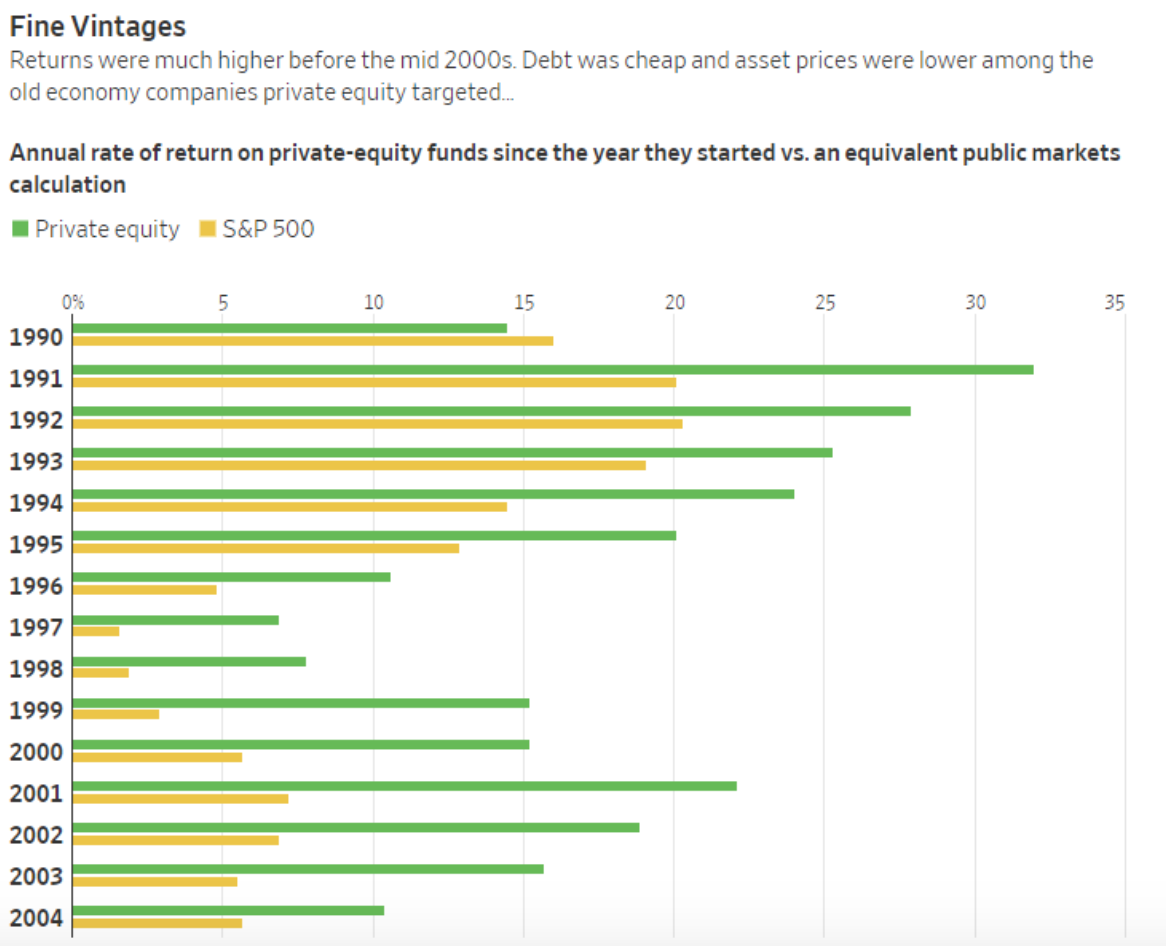
In ordinary life, phony happiness is smiling through a terrible office birthday cake because everyone is watching. In investing, it is feeling calm because your account statement looks calm, even when the underlying risks are anything but calm. This is especially relevant to private equity reporting, where assets are not priced every second like publicly traded stocks.
Public stocks are loud. They jump around, panic, recover, overreact, underreact, and occasionally behave like a toddler who discovered espresso. Private investments often appear quieter because their values are estimated periodically rather than constantly tested in open markets. That smoother ride can feel wonderful to institutions, boards, and investors who dislike volatility. But lower reported volatility is not always the same thing as lower real risk.
The episode’s title captures this emotional bargain. If investors can avoid seeing daily price swings, they may feel happier. But the happiness can be phony if the risk has merely been delayed, softened, or hidden behind valuation models.
Private Equity: The Comfort of a Smooth Line
Private equity has real strengths. Skilled managers can improve operations, restructure businesses, provide patient capital, and invest in companies that public markets may overlook. Many institutions have benefited from private investments over long periods. The problem is not that private equity is automatically bad. The problem is that private equity can be marketed as if it offers magical returns with less pain, which is where the happiness starts wearing a plastic nose and novelty glasses.
Because private companies do not trade continuously on an exchange, their valuations often depend on manager estimates, comparable transactions, accounting rules, and internal assumptions. That can make quarterly performance look less volatile than public equities. Investors may look at a neat, steady line and conclude that the asset is safer. In reality, leverage, economic sensitivity, exit conditions, and valuation risk may still be sitting underneath the surface, quietly doing push-ups.
The Valuation Problem
Imagine two houses on the same street. One is publicly auctioned every day, with neighbors shouting prices from their windows. The other is valued once per quarter by someone who owns the house and would prefer everyone remain calm. Which price series looks smoother? Obviously the second. But that does not prove the second house is less risky. It only proves fewer people are yelling.
This is the core issue with “phony happiness” in private equity reporting. If valuations move slowly, investors may feel insulated from market chaos. But when assets eventually need to be sold, refinanced, or marked closer to reality, the hidden volatility may return all at once, like a raccoon falling through a ceiling tile.
Why Short-Term Market Predictions Are So Hard
Another theme from Animal Spirits Episode 17 is the difficulty of predicting short-term market moves. This is a timeless problem because markets are not machines; they are crowds of humans, institutions, algorithms, incentives, fears, hopes, tax rules, leverage, liquidity, and occasional nonsense.
Short-term predictions are seductive because they offer emotional control. A forecast tells investors, “Here is what happens next.” That sentence feels warm and comforting, like a weighted blanket for your brokerage account. But markets are excellent at humiliating confident people. A prediction can be logical, data-backed, and beautifully formatted in a slide deck, then still get flattened by a surprise inflation print, a central bank comment, a geopolitical shock, or a billionaire tweeting before breakfast.
The better lesson is not that forecasts are useless. It is that forecasts should be treated as scenarios, not instructions from Mount Olympus. Investors can use them to prepare, but they should not build an entire financial life around one person’s market prophecy.
Asset Allocation Is Easy; Sticking With It Is the Hard Part
One of the most practical ideas in the episode is that choosing an asset allocation is relatively easy. You can design a portfolio in an afternoon. Stocks, bonds, cash, real estate, maybe alternatives, rebalance occasionally, and congratulations: you are now the proud parent of a spreadsheet.
But living with that portfolio is much harder. Every asset allocation will disappoint you eventually. A stock-heavy portfolio will scare you during bear markets. A bond-heavy portfolio may frustrate you during roaring bull markets. A permanent portfolio may look too conservative when stocks are partying. A concentrated strategy may look brilliant until it suddenly looks like a documentary about poor life choices.
The Behavior Gap
The real challenge is behavioral. Investors do not fail only because they choose imperfect portfolios. They fail because they abandon reasonable portfolios at unreasonable times. They chase what just worked, dump what just struggled, and confuse recent performance with permanent truth.
This is why a good portfolio must be more than mathematically elegant. It must be emotionally survivable. The best strategy is not the one that wins every backtest. It is the one you can follow when markets are ugly, headlines are dramatic, and your neighbor is bragging about a stock he definitely did not understand before it went up.
The Permanent Portfolio and the Search for All-Weather Calm
The permanent portfolio is one answer to the problem of uncertainty. Traditionally associated with Harry Browne, it splits money equally among stocks, long-term bonds, cash or Treasury bills, and gold. The idea is that different assets perform well in different economic environments: stocks during prosperity, bonds during deflation or falling rates, cash during tight money, and gold during inflation or crisis.
The appeal is obvious. Instead of guessing the future, the portfolio admits that the future is a professional prankster. It says, “I do not know what comes next, so I will own things that respond differently.” This humility is refreshing in an industry where people often speak in decimal points about events they cannot possibly know.
Still, the permanent portfolio is not magic. It can lag a traditional stock-bond mix during long equity bull markets. It can feel boring. It can make investors wonder why they own so much cash when everyone else seems to be getting rich faster. But that is the trade-off: smoother emotional experience in exchange for potentially lower long-term returns.
Factor ETFs: Smart, Cheap, and Still Not a Free Lunch
Episode 17 also discussed Vanguard’s factor ETFs, which were part of a broader move to package academic investing ideas into low-cost products. Factor investing targets characteristics such as value, momentum, quality, minimum volatility, and liquidity. These factors have historical research behind them, and investors like them because they sound more scientific than “my cousin said this stock is going to rip.”
Factor ETFs can be useful tools. They are transparent, diversified, and often cheaper than traditional active management. But they still require patience. A value strategy can underperform for years. Momentum can reverse. Low-volatility stocks can become expensive. Quality can be loved too much by the market. Even smart strategies have awkward teenage phases.
The investor’s job is not simply to buy a factor fund. The job is to understand why it belongs in the portfolio, what role it plays, and how painful it may feel when the factor is out of favor. Otherwise, factor investing becomes performance chasing with better vocabulary.
Should Harvard Just Buy Index Funds?
The Harvard endowment debate raised a wonderfully uncomfortable question: if highly paid professionals at elite institutions struggle to outperform simple index funds, what should ordinary investors learn from that? Some Harvard alumni argued that a large portion of the endowment could be shifted into low-cost S&P 500 index funds, reducing fees and simplifying management.
This does not mean every endowment should hold only one index fund. Endowments have complex obligations, spending needs, donor restrictions, liquidity requirements, and long time horizons. But the debate matters because it challenges the assumption that complexity equals intelligence. Sometimes complexity is useful. Sometimes it is just a very expensive way to make everyone in the meeting feel important.
For individual investors, the lesson is powerful: simple is not stupid. A diversified, low-cost, rules-based portfolio can beat many elaborate strategies after fees, taxes, and behavior mistakes. The humble index fund may not impress anyone at a cocktail party, but neither will explaining that your alternative strategy is “temporarily experiencing a liquidity event.”
Scary Market Predictions and the Entertainment Business
Scary market predictions have a business model. Calm forecasts do not travel as far as terrifying ones. “Stocks may produce moderate returns over the next decade” is a reasonable sentence, but it will not make anyone drop their sandwich. “The Dow could collapse to 1,000” gets attention, clicks, interviews, and emergency group texts from uncles.
Investors should understand the incentives behind dramatic forecasts. Media rewards confidence. Audiences reward drama. Markets reward discipline. Those are three very different reward systems, and confusing them can be expensive.
This does not mean investors should ignore risk. They should prepare for recessions, bear markets, inflation, deflation, bubbles, and disappointment. But preparation is different from panic. A durable investment plan assumes scary things will happen without requiring the investor to predict the exact date, cause, and cable-news chyron.
Happiness, Forecasting, and Why Investors Fool Themselves
The episode also mentioned Stumbling on Happiness, Daniel Gilbert’s well-known exploration of how people misjudge what will make them happy. This idea fits investing perfectly. Investors often believe they will be happy when they beat the market, own the perfect fund, avoid every downturn, or finally find the portfolio that rises politely without ever making eye contact with risk.
But financial happiness is rarely about maximizing every return. It is often about reducing regret, avoiding catastrophic mistakes, having enough liquidity, and building a plan that lets you sleep. Many investors say they want the highest return possible, but what they actually want is the highest return possible without nausea. Unfortunately, markets do not offer that product in a family-size container.
Phony happiness enters when investors mistake cosmetic comfort for real security. A smooth report is not the same as a safe investment. A complex strategy is not the same as a superior strategy. A confident forecast is not the same as knowledge. Real financial happiness comes from understanding trade-offs and accepting that uncertainty is not a bug in investing. It is the entire operating system.
Practical Lessons from Animal Spirits Episode 17
1. Do Not Confuse Smooth Reporting With Low Risk
If an investment barely moves on paper, ask why. Is it genuinely stable, or is it simply not priced often? Illiquidity can reduce visible volatility while increasing other risks, including limited access to cash and uncertain exit values.
2. Simplicity Deserves More Respect
Index funds, balanced portfolios, and clear rules may look boring, but boring can be beautiful. Many investors do not need more products. They need fewer opportunities to sabotage themselves.
3. Behavior Beats Brilliance
A decent plan followed consistently can outperform a brilliant plan abandoned repeatedly. Discipline is not glamorous, but neither is panic-selling at the bottom and calling it “risk management.”
4. Forecasts Are Inputs, Not Commands
Use predictions to think through possibilities, not to make all-or-nothing bets. The future is too slippery for financial cosplay as a fortune teller.
5. Real Happiness Requires Honest Accounting
The happiest investors are not the ones who never see volatility. They are the ones who know what they own, why they own it, and what could go wrong before it goes wrong.
Experiences Related to “Animal Spirits Episode 17: Phony Happiness”
Many investors eventually have a “phony happiness” moment. It usually starts innocently. The portfolio is doing fine. Statements look clean. The advisor sounds confident. The chart slopes upward at a civilized angle. Nothing appears broken. Then a market shock arrives, and suddenly the investor discovers that the calm was not entirely earned. It was borrowed from accounting, liquidity, or a lack of recent stress.
A common example comes from investors who compare public index funds with private or illiquid funds. The public fund shows every bruise. It marks prices daily, which means every bad week appears immediately. The private fund reports less often, so it may seem emotionally superior. During a volatile quarter, the public fund looks like it sprinted through a hailstorm, while the private fund looks like it spent the afternoon at a spa. But the underlying businesses may be exposed to similar economic forces. The difference is visibility.
This experience can change how people think about risk. At first, many investors define risk as movement. If something moves a lot, it feels risky. If it does not move, it feels safe. Over time, experienced investors learn that risk is broader. Risk can mean overpaying. It can mean using too much leverage. It can mean not being able to sell. It can mean depending on perfect refinancing conditions. It can mean trusting a valuation that works only as long as nobody asks too many rude questions.
There is also a personal finance version of phony happiness. Someone may feel wealthy because their home value rose, their retirement account is up, and their private investment statement shows steady gains. But if they have no emergency fund, high fixed expenses, and investments they cannot easily sell, their financial life may be more fragile than it looks. The numbers create comfort, but the structure creates stress.
The better experience is quieter and more durable. It comes from building a portfolio that may not impress anyone but can survive bad weather. That might include public index funds, high-quality bonds, cash reserves, diversified exposure, and a written plan for what to do when markets fall. It may also include private investments, but only when the investor understands the trade-offs and does not confuse a smooth statement with a guarantee.
Animal Spirits Episode 17 remains useful because it gives language to a feeling investors often struggle to describe. They know some strategies feel too clean, too polished, too emotionally convenient. “Phony happiness” is the perfect phrase for that sensation. It reminds investors to look under the hood, kick the tires, read the footnotes, and maybe ask why the beautiful performance chart looks like it has never had a bad hair day.
The goal is not to become cynical. The goal is to become harder to fool. Real happiness in investing is not the absence of volatility. It is the confidence that volatility has been planned for. It is knowing that your portfolio does not require perfect forecasts, heroic managers, or accounting fog to make sense. That kind of happiness is less flashy, but it is much more useful. It is also less likely to vanish the moment the spreadsheet takes off its fake mustache.














