
Jeans are the MVPs of most closets. They survive road trips, coffee runs, mystery crumbs, and the occasional “How did that get there?” moment. But blood stains? Those can make even your favorite denim look like it lost a small bar fight. The good news is that you usually can remove blood from jeans if you act quickly, use the right products, and avoid one classic mistake: treating it like every other stain.
Blood is a protein-based stain, which means heat is basically its best friend and your worst enemy. Use hot water too soon, toss the jeans in the dryer too early, or scrub like you’re sanding a deck, and you may accidentally help the stain move in permanently. That is why laundry experts keep repeating the same advice: go cold, go gentle, and let the detergent do the heavy lifting.
This guide breaks down exactly how to remove fresh and dried blood stains from jeans, what to use, what to skip, and how to protect denim color and texture while you’re at it. Whether you’re dealing with a scraped-knee situation, a surprise nosebleed, a period stain, or one of life’s many inconvenient plot twists, here’s how to save your jeans without turning them into a science experiment.
Why Blood Stains Are So Stubborn on Jeans
Blood is not just colorful drama in liquid form. It contains proteins that cling to fabric fibers. Denim, especially thick cotton denim, can trap those proteins deep in the weave. Once the stain dries, it becomes harder to loosen. Once heat gets involved, it can set even more stubbornly. That is why the best method for removing blood stains from jeans is not flashy. It is a boring little trio that works: cold water, patience, and an enzyme-based detergent.
Jeans add another wrinkle to the process because indigo dye can fade, bleed, or become uneven if you get too aggressive. So while your instinct may be to throw every cleaner in the house at the problem like a stain-removal action hero, denim responds better to targeted treatment and a little restraint.
What You’ll Need
- Cold water
- Clean white cloth or paper towel
- Liquid enzyme laundry detergent
- Soft toothbrush or soft laundry brush
- Small bowl or sink for soaking
- Hydrogen peroxide for stubborn stains on colorfast jeans
- Oxygen bleach for light or white jeans with set-in stains
- Mild soap for quick spot treatment
You do not need a cabinet full of miracle potions. In fact, most of the “viral hacks” floating around online are less useful than they sound. Blood stains are one of those problems where simple, proven laundry methods beat kitchen-counter folklore almost every time.
How to Remove Fresh Blood Stains from Jeans
1. Blot First, Don’t Rub
If the stain is fresh, blot away as much blood as possible with a clean cloth or paper towel. Press gently. Do not scrub. Rubbing can push the stain deeper into the denim fibers and rough up the fabric surface. Think “firm dab,” not “frantic panic polishing.”
2. Rinse with Cold Water
Turn the jeans inside out if possible and flush the stained area with cold running water. Rinsing from the back of the stain helps push the blood out of the fibers instead of driving it farther in. Use cold water only. Not warm. Not “kind of lukewarm.” Not “I thought it was cold enough.” Cold.
3. Apply Enzyme Detergent Directly
Pour a small amount of liquid enzyme detergent directly onto the stain. Gently work it in with your fingers or a soft brush. Let it sit for about 10 to 15 minutes. Enzyme detergents are especially effective on blood because they are formulated to break down protein-based stains.
4. Soak if Needed
If the stain is larger than a small dot, soak the jeans in cold water for 15 to 30 minutes after applying detergent. For thicker denim, this extra time can make a noticeable difference because the stain has more fabric to hide in.
5. Wash in Cold Water
Launder the jeans on a cold or gentle cycle using your regular detergent, or the same enzyme detergent if that is what you have on hand. Turn the jeans inside out before washing to help protect the outer dye and finish.
6. Air-Dry and Inspect
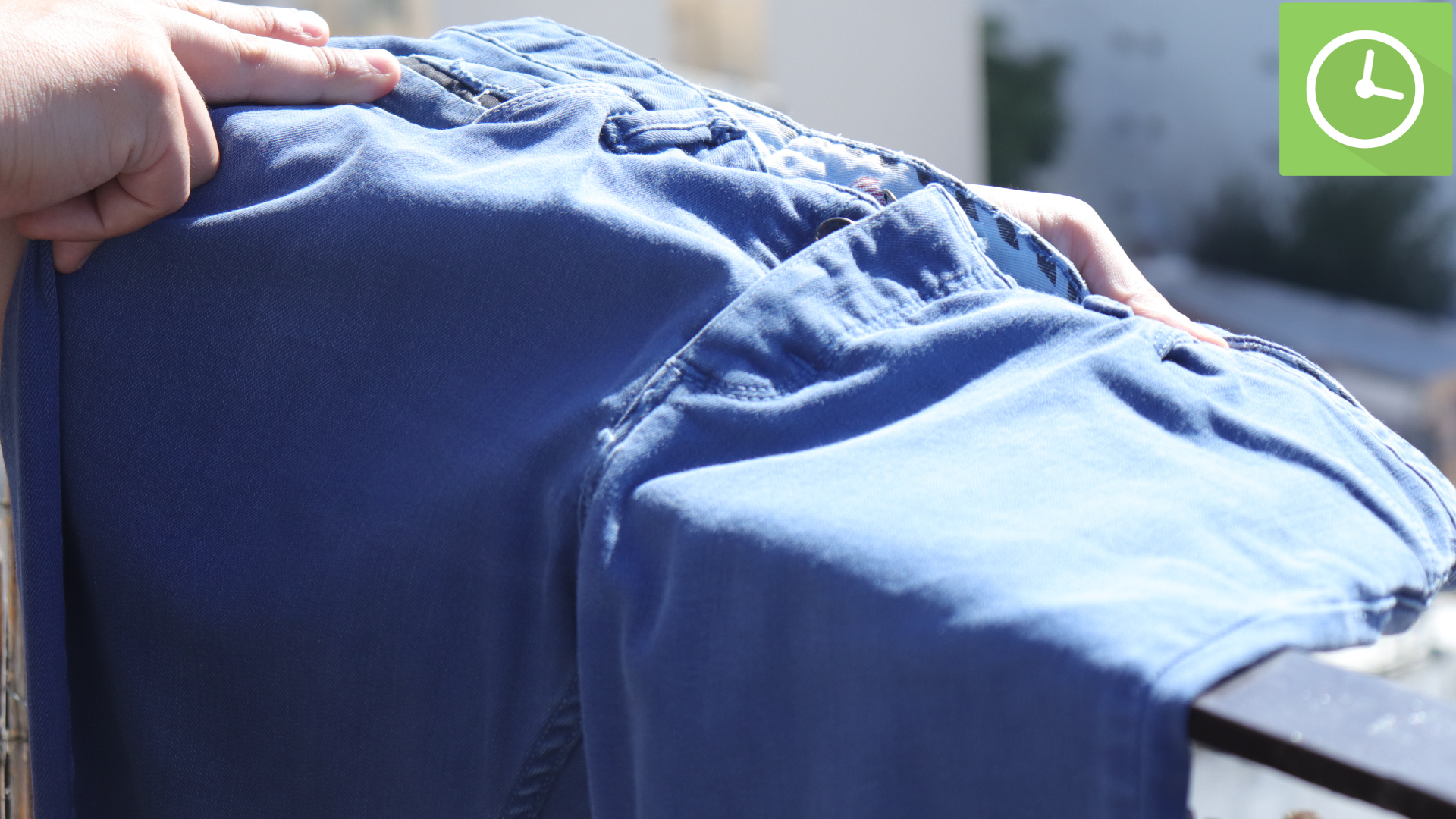
This step matters more than people realize. Do not put the jeans in the dryer until the stain is fully gone. Air-dry them first and inspect in good light. If you can still see a faint mark, treat it again before any heat enters the chat.
How to Remove Dried Blood Stains from Jeans
Dried blood stains are annoying, but not always permanent. They just require more soaking, a little more patience, and fewer dramatic sighs.
Step 1: Soak the Jeans in Cold Water
Submerge the stained area in cold water for at least 30 minutes. For older stains, a few hours may help. The goal is to rehydrate the dried blood so it loosens from the denim.
Step 2: Pretreat with Enzyme Detergent
After soaking, apply liquid enzyme detergent directly to the stain. Gently massage it into the denim or use a soft toothbrush. Let it sit for 15 to 30 minutes.
Step 3: Try Hydrogen Peroxide if the Stain Is Still Visible
If the stain is stubborn, dab a small amount of 3% hydrogen peroxide onto a hidden area first to test for color change. If the fabric looks fine, apply a little peroxide to the stain, let it bubble for a few minutes, and blot gently. Then rinse with cold water. This is especially useful on lighter denim or older stains, but you should always test first because peroxide can lighten some fabrics.
Step 4: Wash Again in Cold Water
Wash the jeans in cold water and inspect them after air-drying. If the stain is faded but not gone, repeat the process. Blood stains often come out in stages rather than disappearing in one cinematic swoop.
Step 5: Use Oxygen Bleach for Light or White Jeans
For white or very light jeans, an oxygen bleach soak can help with set-in stains. Follow the product directions, soak the jeans, then wash as usual. Oxygen bleach is generally a better choice than chlorine bleach for blood stains because it is gentler on fabric and less likely to cause weird color drama.
Best Stain Removers for Blood on Denim
If you want the expert-approved order of operations, it looks like this:
- Cold water: always your first move
- Enzyme detergent: the top everyday treatment
- Hydrogen peroxide: useful for stubborn stains after a spot test
- Oxygen bleach: helpful for light or white denim and older stains
- Mild soap: okay for quick spot treatment in a pinch
That lineup wins because it balances stain removal with denim care. It treats the stain without punishing the jeans.
Can You Use Vinegar, Baking Soda, Salt, or Dish Soap?
Yes, some of these can help a little. No, they are not the kings of blood stain removal. Let’s sort the useful from the internet theater.
Vinegar
White vinegar may help with fresh stains, especially if that is all you have nearby. But it is not usually the strongest option, and repeated use can be rough on fibers. Good emergency backup, not the undisputed champion.
Baking Soda
A baking soda paste can sometimes help lift a lingering stain, but it is more of a backup singer than the lead vocalist. Helpful in some cases, not the first thing experts reach for.
Salt
Salt can work on fresh stains if you catch them quickly, especially when you are away from home. But it is not especially effective on dried blood, and it should not replace real pretreatment when you have better options.
Dish Soap
Dish soap may help with fresh blood stains, particularly for quick spot cleaning. But for set-in blood on jeans, an enzyme laundry detergent is usually more effective.
Toothpaste
Let us be brave enough to say no. Toothpaste is for teeth. It can leave residue, smells, or extra mess on fabric. Your molars may love it, but your denim probably won’t send a thank-you note.
What Not to Do
- Do not use hot water first. Heat can set blood stains.
- Do not toss stained jeans in the dryer. Dryer heat can make the stain permanent.
- Do not scrub aggressively. That can spread the stain and damage denim fibers.
- Do not pour random solvents on jeans. Acetone and harsh chemicals can damage fabric and color.
- Do not assume one wash is enough. Check the stain before drying and retreat if needed.
- Do not use chlorine bleach on blue jeans. It can discolor denim and may make the situation look even more tragic.
Special Advice for Different Types of Jeans
Dark-Wash or Black Jeans
Dark denim is more likely to fade if treated harshly. Turn the jeans inside out, use cold water, and keep treatments focused only on the stained area. Spot-test peroxide carefully. Air-drying is the safer move for preserving color.
White Jeans
White denim gives you a little more flexibility, but that does not mean you should go wild. Start with cold water and enzyme detergent. If the stain lingers, use oxygen bleach. That is usually a smarter route than reaching immediately for chlorine bleach.
Raw or Premium Denim
Be extra gentle. Hand washing, spot cleaning, and minimal agitation are your friends. Raw denim can lose color and shape more easily, so avoid overworking the fabric. Treat the stain, then rinse and line dry.
Stretch Jeans
Jeans with elastane or stretch blends can handle standard stain treatment, but harsh chemicals and high heat can age the fibers faster. Keep everything cool and gentle.
How to Remove Period Blood from Jeans
Period blood stains on jeans are treated the same way as other blood stains. The method does not change just because the source is different. Blot, rinse with cold water, pretreat with enzyme detergent, wash cold, and air-dry before checking the results.
If you are out of the house, even a quick cold-water rinse in a restroom sink is better than doing nothing. It may not fully remove the stain right away, but it can stop it from setting deeper until you can properly treat it at home.
A Quick Expert Routine You Can Save
If you want the short version, here it is:
- Blot fresh blood gently.
- Rinse from the back with cold water.
- Apply enzyme detergent.
- Let it sit 10 to 30 minutes.
- Wash cold, preferably inside out.
- Air-dry and inspect.
- Repeat or use spot-tested peroxide for stubborn stains.
That is the method most likely to remove blood stains from jeans without damaging the denim. It is not glamorous, but neither is replacing a favorite pair of jeans because the dryer got involved too soon.
Final Thoughts
Removing blood stains from jeans is one of those chores that rewards calm over chaos. The biggest wins come from acting fast, sticking with cold water, choosing enzyme-based products, and resisting the urge to “just dry them and hope.” Hope is lovely in many areas of life. It is not a laundry strategy.
The best expert advice is refreshingly consistent: treat the stain as soon as possible, go gently on denim, and check your progress before applying heat. Fresh stains usually come out more easily, but even dried blood can often be lifted with a soak, pretreatment, and a little repeat effort. Your jeans do not need a miracle. They need the right process.
Experience-Based Tips and Real-Life Scenarios
In real life, blood stains on jeans rarely happen when you are standing next to a perfectly organized laundry room with a violin soundtrack playing in the background. They happen when you are rushing out the door, sitting in the car, at work, on a date, after a minor kitchen nick, during a period surprise, or while helping a kid with a skinned knee. That is why the most useful advice is practical advice.
One common scenario is the small fresh stain on dark jeans. Maybe you catch your finger while opening a package, look down, and there it is: one little crimson dot staring at you like it pays rent. In that situation, the people who get the best results usually do something simple right away. They blot it, rinse with cold water as soon as possible, and avoid rubbing it into the denim. That quick first response often makes the difference between “problem solved” and “why is this spot still haunting me three wash cycles later?”
Another common experience is the dried stain discovered hours later. This one feels unfair because you were minding your business, and suddenly your jeans are presenting evidence from an earlier event. Dried blood can look intimidating, especially on thick denim, but the lesson many people learn is that soaking matters. A long cold soak, followed by enzyme detergent and patient retreatment, often works far better than aggressive scrubbing. The more you try to bully the stain out, the more denim pushes back.
Period stains on jeans bring their own kind of urgency because they often show up when you are not at home. The experience many people share is that a quick cold-water rinse, even an imperfect one, helps more than waiting. It may not fully remove the stain, but it buys you time. Once home, proper pretreatment usually has a much better chance of success because the stain has not had all day to settle in like an unwanted houseguest.
There is also the “I thought it was gone, so I dried the jeans” scenario, also known as the classic laundry heartbreak. This is where people learn the hard rule: never trust damp denim. A stain can seem invisible when wet and then reappear once the jeans dry. That is why air-drying and checking in natural light is such a smart habit. It is not overcautious. It is what saves the jeans.
Finally, people with expensive, raw, or favorite jeans usually discover that gentler care pays off. Spot cleaning, cold water, and air-drying preserve both the fabric and the fit. In other words, the best experience-based tip is this: treat the stain quickly, treat the denim kindly, and do not let heat make decisions for you.














