
Some game show moments are dramatic because someone wins a life-changing prize. Others become memorable because fans notice one tiny detail, point at the TV like detectives in sweatpants, and collectively say, “Wait a second… didn’t we just hear that?”
That is exactly what happened when Wheel of Fortune fans spotted a surprising "mistake" during a pair of exciting bonus-round car wins. The word mistake deserves quotation marks here because nobody lost money, no contestant was shortchanged, and the wheel did not suddenly roll into the parking lot. Instead, the moment involved a repeated announcement line during two separate bonus-round victories in the same week. Small? Absolutely. Catastrophic? Not even close. Deliciously noticeable to longtime Wheel watchers? Oh, very much yes.
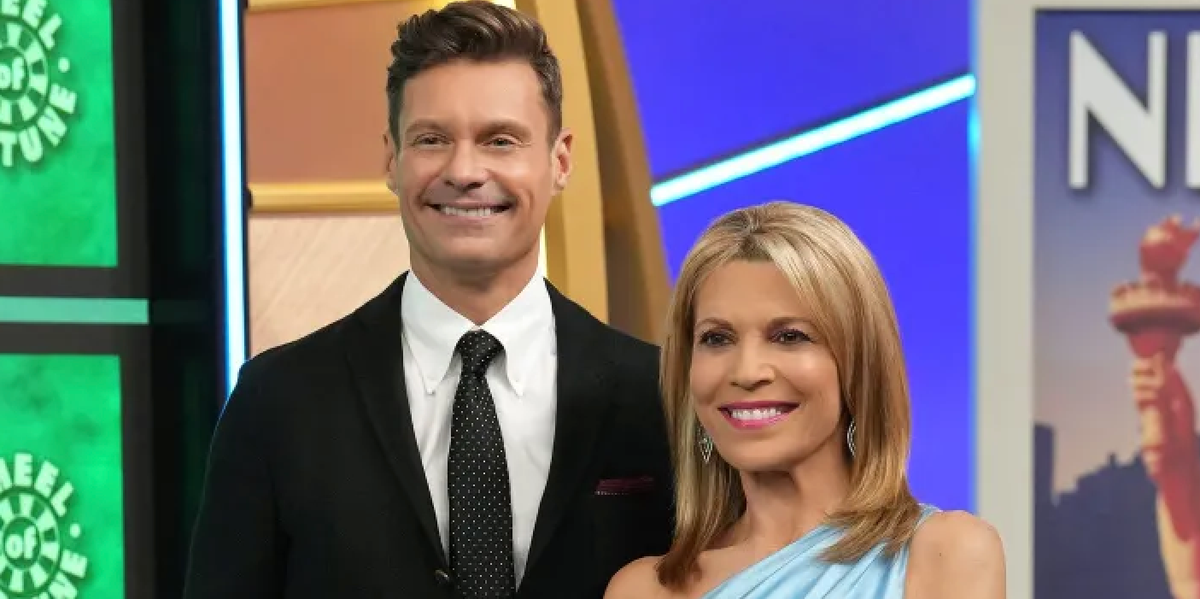
The incident came during the Ryan Seacrest era of Wheel of Fortune, when fans were already paying extra-close attention to every pause, every puzzle ruling, every Vanna White smile, and every host handoff detail. In other words, the audience had its magnifying glass polished and ready. When two contestants won car prizes in the bonus round and announcer Jim Thornton used the same colorful phrase for both, fans did what fans do best: they noticed, commented, debated, joked, and turned a tiny production echo into a mini pop-culture moment.
So what actually happened, why did viewers react so strongly, and what does this say about the wonderfully intense world of Wheel of Fortune fandom? Let’s spin through it.
What Was the ‘Wheel of Fortune’ Mistake Fans Spotted?
The surprising on-air "mistake" happened after two contestants won bonus-round car prizes in the same week. That alone was enough to get fans buzzing, because bonus-round car wins are always a big deal. The lights flash, the contestant celebrates, the host grins, and viewers at home briefly reconsider every career choice that did not involve solving word puzzles for a Ford Explorer.
The first big win came when contestant Patty Spano solved her bonus puzzle, “Burger Joint,” after selecting the category “Place.” Her win was a major one, bringing her total to more than $87,000 in cash and prizes, including a 2025 Ford Explorer. Later that same week, contestant Jeff Richardson also nailed his bonus puzzle, “Out of Bounds,” and walked away with a total worth more than $61,000, including another Ford Explorer.
So far, so fantastic. Two bonus-round car wins in one week? That is the kind of thing that makes fans sit up straighter on the couch. But then came the detail that launched the comments: during both car reveals, Jim Thornton reportedly introduced the prize with the same line, saying the winner was “cooking with gas” in a brand-new Ford Explorer Active.
Was it a technical mistake? Maybe. Was it a scripted sponsor-style line used twice? Possibly. Was it the sort of thing only loyal viewers would catch? Definitely. Casual viewers may have simply enjoyed the celebrations and moved on with their evening. Hardcore Wheel fans, however, heard the repetition and immediately filed it under: “Interesting. We shall discuss this online for the next several business days.”
Why the “Cooking With Gas” Line Stood Out
On its own, the phrase “cooking with gas” is a cheerful old-school expression meaning someone is doing well or making progress. In the context of a car prize, it also has a wink-wink connection to driving, engines, and motion. It is exactly the kind of enthusiastic, polished game show language that sounds natural when paired with a shiny new vehicle and a contestant who is currently losing the ability to stand upright from excitement.
The issue was not that the line was strange. The issue was that it was repeated in nearly the exact same way for two different contestants. Television fans are unusually good at spotting patterns, especially on shows with familiar formats. Viewers know the rhythms of Wheel of Fortune: the toss-ups, the main puzzles, the Prize Puzzle, the Final Spin, the bonus wheel, the letter choices, the timer, the big reveal. Because the structure is so consistent, any repeated detail becomes easier to hear.
Think of it like a family dinner where someone tells the same joke twice in one week. The joke may be fine. The second time, though, everyone at the table starts looking around like, “Are we pretending this is new?” That was the vibe here. Fans were not necessarily angry. Many were amused. Some were impressed by the double car wins. Others simply enjoyed catching a behind-the-scenes production fingerprint.
Why Fans Care So Much About Tiny ‘Wheel of Fortune’ Details
To outsiders, obsessing over a repeated prize line may seem like overkill. But Wheel of Fortune is not just any game show. It is a nightly ritual for millions of viewers, a comfort-TV institution, and a show built on precision. One wrong letter can sink a round. One missing word can turn a correct-looking answer into a loss. One pause can spark weeks of debate. This is a universe where details matter.
That is why fans react strongly when something feels slightly off. Wheel of Fortune has trained its audience to watch carefully. Contestants must solve puzzles exactly, follow timing rules, avoid adding extra words, and pronounce answers clearly enough for judges to accept them. Viewers know the show can be strict, so they naturally apply that same strictness back to the show itself. If the contestants have to be precise, fans expect the production to be precise too.
This is also why the repeated car-prize line became more than a throwaway moment. It tapped into a larger fan habit: watching Wheel like a sport. People track bonus-round outcomes, compare rulings, remember historic losses, debate puzzle categories, and notice whether the host reacts immediately or takes an extra beat. The wheel may spin randomly, but the fandom does not miss much.
The Ryan Seacrest Era Made Fans Even More Alert
Ryan Seacrest’s arrival as host added another layer to the reaction. After Pat Sajak’s decades-long run, any new host would have faced intense viewer attention. Seacrest stepped into one of the most recognizable jobs in American television, alongside Vanna White, who has long been part of the show’s identity. That transition naturally made fans more sensitive to changes in pacing, delivery, tone, set design, and rulings.
Seacrest’s debut season brought fresh energy while keeping the core game intact. That was important because Wheel of Fortune is not a show that needs to be reinvented with lasers, trap doors, and a dramatic backstory for every vowel. The appeal is the format. Spin the wheel. Guess the letters. Solve the puzzle. Celebrate when someone wins enough money to make their bank account do jazz hands.
Still, with a new host comes a new rhythm. Fans have already discussed moments where Seacrest paused before confirming a bonus-round win, ruled on pronunciation, or appeared to handle fast-moving puzzle situations differently than Sajak might have. Some criticism has been fair, some has been nitpicky, and some has been the internet doing what the internet does: turning a three-second delay into a courtroom drama.
Against that backdrop, the repeated “cooking with gas” line landed in an audience environment where viewers were already listening closely. The moment was not really about Seacrest personally, but it happened during a period when the show’s smallest choices were under a brighter spotlight.
Was It Really a Mistake?
The honest answer is: maybe, maybe not. The repeated line could have been an accidental reuse. It could also have been approved prize copy tied to the specific vehicle. Game shows often rely on sponsor-friendly wording, polished descriptions, and consistent prize language. If the same model vehicle appears in multiple episodes, similar wording is not shocking.
However, in entertainment, perception matters. To a viewer, hearing the same clever phrase twice can feel less like planned consistency and more like someone forgot the script had already been used. That is why the word “mistake” spread so easily. It gives fans a fun hook. “Announcer uses similar car-prize copy twice” sounds like a production memo. “Fans spot a mistake on the air” sounds like popcorn.
More importantly, the moment did not appear to affect the game’s outcome. Both contestants solved their puzzles. Both celebrated legitimate wins. Nobody was penalized. No prize disappeared. The only thing at risk was the show’s reputation for fresh one-liners, and even that survived just fine.
How This Compares to Bigger ‘Wheel of Fortune’ Controversies
Compared with past Wheel of Fortune debates, the repeated announcement line is gentle stuff. Fans have argued over far more serious or expensive moments, including pronunciation rulings, pauses in answers, category choices, and whether a contestant added or omitted a word. Those moments can determine whether someone wins thousands of dollars, a car, or a huge bonus-round prize.
For example, viewers have previously debated whether certain answers should have been accepted when a contestant seemed to pluralize a word, add a small extra word, or stumble while solving. There have also been viral misses where contestants came painfully close to obvious answers, only to lose control of the board. Those moments feel bigger because the stakes are obvious: a contestant either wins or loses.
The “cooking with gas” situation is different. It is not a fairness controversy. It is a production curiosity. That makes it more fun than frustrating. Fans could laugh about it without feeling that a contestant had been robbed. In the emotional ecosystem of game shows, that matters. A harmless blooper gives everyone something to talk about without ruining anyone’s night.
Why Bonus-Round Car Wins Always Feel Special
Part of the reason this moment got attention is that bonus-round car wins have a special kind of sparkle. Cash is wonderful, obviously. Trips are exciting. But a car reveal has a visual punch that TV loves. There it is: shiny, staged, glowing under studio lights, looking as if it has never once had a fast-food receipt under the passenger seat.
When a contestant wins a car, the celebration feels bigger because the prize is tangible. Viewers can imagine driving it home, calling family members, figuring out insurance, and promising themselves they will never eat fries in it. The reveal also gives the announcer a chance to deliver a big theatrical line. That is why the repeated phrase stood out. The car-prize announcement is supposed to be one of the night’s fireworks.
Two car wins in one week were already rare enough to excite fans. The matching announcement line simply added a second layer: celebration plus curiosity. It was the game show equivalent of finding an extra puzzle inside the puzzle.
The Secret Power of Game Show Fandom
One reason Wheel of Fortune remains culturally relevant is that it invites participation. Viewers do not just watch contestants solve puzzles; they solve along at home. The audience is actively involved, often shouting answers at the screen while a contestant buys a vowel that everyone in the living room knows will not help. It is a bonding experience and, occasionally, a test of patience.
That active viewing style creates sharper fans. A passive viewer might miss a repeated line. A Wheel fan catches it because they are already listening for letters, categories, and rules. They remember what happened earlier in the week. They compare tonight’s bonus round with Tuesday’s. They know when a solve felt fast, when a puzzle felt too weird, and when the show’s rhythm skipped half a beat.
This is not a bad thing. In fact, it is part of the show’s strength. The audience cares enough to notice. They are invested enough to debate. They are loyal enough to treat a repeated prize phrase as breaking news from the Department of Vowels and Vehicular Announcements.
What Brands and TV Producers Can Learn From the Moment
The repeated line is also a small lesson for television production and brand messaging. Viewers are sharper than ever. With clips posted online, fan forums buzzing, and social media ready to archive every oddity, repetition becomes more visible. A phrase that once might have passed unnoticed can now become a headline.
For producers, that means variety matters, even in small transitions. Prize copy can be consistent without sounding identical. Announcers can preserve sponsor language while adding enough freshness to make each winner feel unique. When someone wins a car on national TV, the moment should feel personal, not like a line pulled from the same glove compartment.
For brands, the lesson is similar. Memorable wording is great. Overusing memorable wording can make it memorable for the wrong reason. One “cooking with gas” line is charming. Two in the same week becomes a fan theory. Three might require a congressional hearing led by people who own Wheel coffee mugs.
Why the Moment Was Actually Good for ‘Wheel of Fortune’
Here is the twist: this so-called mistake may have helped the show more than it hurt. It gave fans another reason to talk about Wheel of Fortune. It highlighted two successful bonus rounds. It reminded viewers that car wins are still exciting. And it showed that the fan base remains deeply engaged during the Seacrest era.
That is a win. A harmless blooper or repeated line keeps the show in the conversation without creating a serious controversy. Nobody wants contestants to lose unfairly or rules to feel inconsistent. But a tiny production oddity? That is the sweet spot. It is funny, shareable, and easy to understand.
In an entertainment landscape packed with streaming shows, short-form videos, podcasts, and endless scrolling, a traditional game show still getting fans to debate one repeated phrase is impressive. It proves that Wheel of Fortune remains more than background TV. People are watching with attention. They are emotionally invested. They still want the show to get the little things right.
Experience: Watching the ‘Wheel of Fortune’ Mistake Like a Real Fan
The funniest thing about a Wheel of Fortune "mistake" is that it usually does not feel big at first. It sneaks up on you. You are sitting there, maybe half-watching while dinner cools down, thinking you are simply enjoying a normal episode. Someone spins. Someone buys a vowel. Someone guesses a letter that makes you whisper, “Bold choice,” which is polite TV-viewer language for “absolutely not.” Then the bonus round arrives, the contestant wins, everyone celebrates, and you hear a line that sounds familiar.
At first, your brain does that little buffering-circle thing. Did I hear that before? Was it this episode? Was it yesterday? Have I become emotionally attached to car-prize copy? Then it clicks: yes, the same phrase was used during another car win. Suddenly, you are not just watching a game show. You are investigating a mystery with no victims, no suspects, and one very shiny Ford Explorer.
That is the charm of this kind of moment. It makes the viewer feel like part of the production. You caught something. You noticed the seam. The show kept moving, the contestants kept smiling, but your inner fan raised an eyebrow. And because Wheel of Fortune has been around for so long, that eyebrow raise comes with history. Viewers remember Pat Sajak’s dry humor. They remember Vanna White’s steady presence. They remember painful bonus-round misses and miracle solves. Every new oddity gets added to a giant mental scrapbook labeled, “Only on Wheel.”
Watching the repeated “cooking with gas” moment also reminds you how carefully fans protect the emotional rhythm of the show. A car win is supposed to feel like a once-in-a-night explosion of joy. When two winners get the same line, it can make the second moment feel slightly less custom-made, even though the prize is just as real and the contestant’s excitement is completely genuine. It is like receiving a heartfelt birthday card and then realizing your sibling got the same message with the name changed. You still appreciate it, but you noticed.
There is also a strangely comforting side to it. Live-to-tape television, even when polished, still has human fingerprints. Announcers repeat phrases. Hosts pause. Contestants panic. Judges make calls. Fans overanalyze. That is the whole ecosystem. The so-called mistake becomes part of the fun because it proves the show is not a sterile machine. It is a nightly ritual with moving parts, bright lights, real nerves, and occasional copy-and-paste energy.
For longtime viewers, moments like this are why the show remains addictive in the most wholesome way. You tune in for puzzles, but you stay for the tiny unpredictable details: the contestant who solves instantly, the one who freezes, the host reaction, the audience gasp, the prize reveal, the fan comment that makes the whole thing funnier. The repeated line did not ruin the car wins. If anything, it gave fans a bonus puzzle after the bonus puzzle: figuring out whether they had just witnessed a mistake, a script choice, or a perfectly harmless case of game show déjà vu.
And honestly, that is peak Wheel of Fortune. The show gives us letters. Fans supply the commentary.
Conclusion
The surprising Wheel of Fortune "mistake" that fans spotted was not a scandal, a bad ruling, or a prize-changing error. It was a repeated announcement line used during two separate bonus-round car wins in the same week. But because Wheel fans are famously detail-oriented, the moment quickly became a talking point.
That reaction says a lot about why the show still works. Viewers care about the rules, the rhythm, the traditions, and the tiny details that make each episode feel unique. In the Ryan Seacrest era, attention is even sharper because fans are still adjusting to a new chapter after Pat Sajak’s legendary run. A repeated phrase may not matter in the grand scheme of television history, but in the world of Wheel of Fortune, even the smallest spin can start a conversation.
So yes, fans may freak out a little over this "mistake." But in the best possible way. Nobody lost. Two contestants won cars. The internet got a harmless mystery. And Wheel of Fortune proved once again that it does not need chaos to create buzz. Sometimes, all it takes is one familiar phrase heard twice.













