
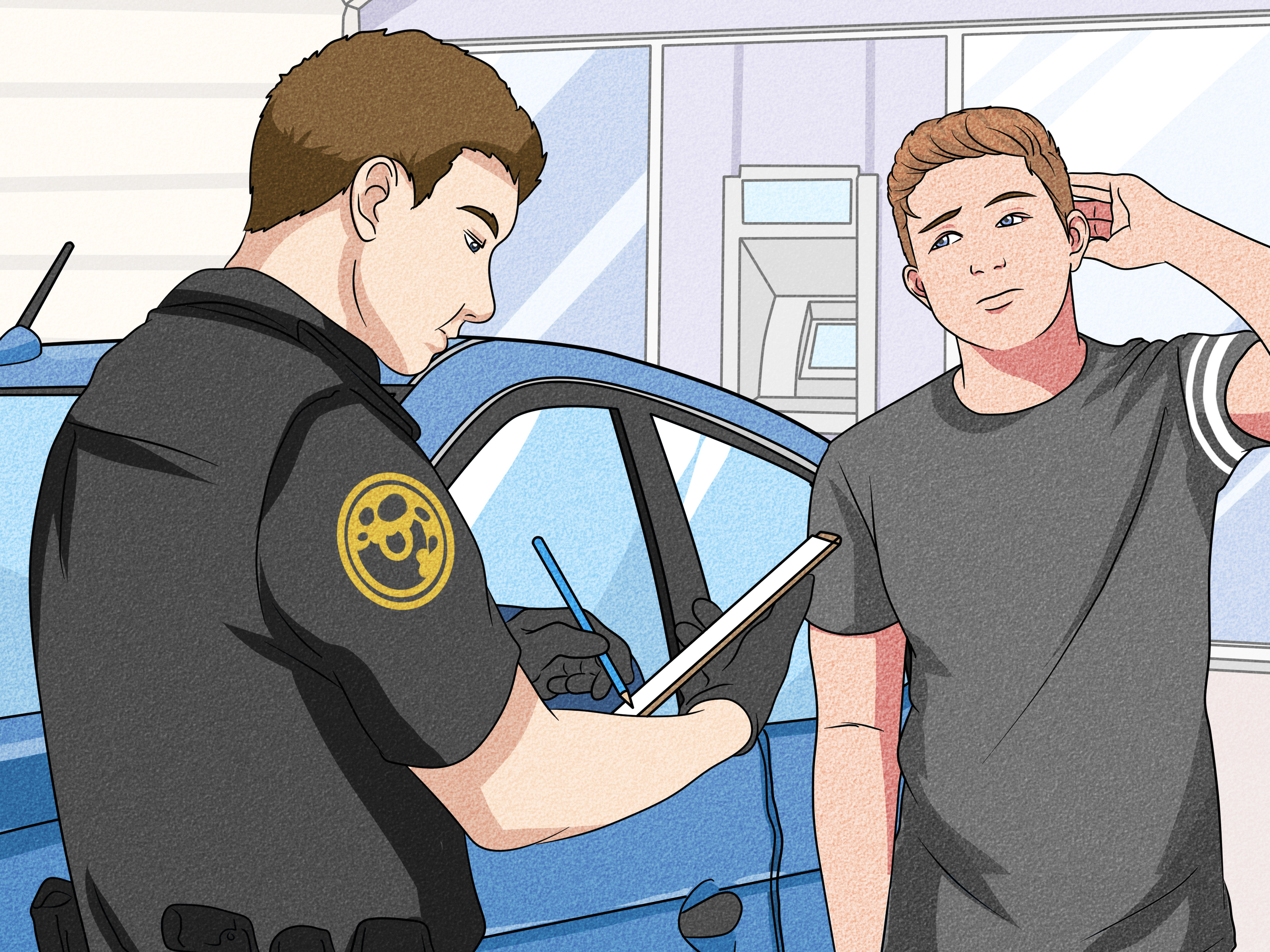
Note: This guide is written in American English for readers researching the UK MOT system. MOT is a UK roadworthiness test, so the practical reporting steps below are based on current UK public guidance, not U.S. vehicle inspection rules.
Introduction: When a Car Has No MOT, It Is Not “Just a Paperwork Thing”
Spotting a car without an MOT can feel awkward. Nobody wants to become the neighborhood traffic detective, clipboard in hand, dramatically whispering, “I know what you didn’t renew last summer.” But a missing MOT is not just a forgotten certificate hiding under a pile of gas-station receipts. In the UK, an MOT confirms that a vehicle meets minimum road safety and environmental standards. If a car, van, motorcycle, or other vehicle is being used on a public road without a valid MOT, it can put other road users at risk.
The good news? You can report a car without an MOT. Even better, you can often do it without confronting the owner, creating drama, or turning your street into an episode of a low-budget crime documentary. The key is knowing who to contact, what information to collect, and when a no-MOT vehicle should be reported to the police, the DVLA, or the local council.
This guide explains how to report a car without an MOT anonymously, how to check MOT status online, what details you need, what happens after you report it, and what not to do unless you enjoy making simple things more complicated than assembling flat-pack furniture.
What Is an MOT and Why Does It Matter?
An MOT is an annual test required for most vehicles in the UK once they are more than three years old. The test checks whether the vehicle meets basic road safety and environmental standards. It does not guarantee the car is perfect, glamorous, or ready for a starring role in a car commercial. It simply means the vehicle met the legal minimum at the time of testing.
The MOT test typically looks at important safety-related parts such as brakes, lights, tires, steering, suspension, seat belts, mirrors, and emissions. If the vehicle fails because of major or dangerous defects, it may not be legal or safe to drive until repairs are made.
Driving without a valid MOT can lead to a fine of up to £1,000. More importantly, if the vehicle is unsafe, the situation can become far more serious. A car with bad brakes, bald tires, broken lights, or steering problems is not just “a bit overdue.” It is a rolling group project where everyone else on the road gets an unwanted grade.
Can You Report a Car Without an MOT?
Yes. You can report a car, van, motorcycle, or other vehicle that does not have a valid MOT if it is being used on a public road. That last part matters. A vehicle without an MOT parked on private land is usually a different issue from a vehicle being driven or kept on a public road.
In most cases, vehicles without a valid MOT should be reported to the local police, not the DVLA. The DVLA handles vehicle tax and registration issues, while the police handle vehicles being used on the road without a valid MOT. If the vehicle is abandoned, however, the report usually goes to the local council.
So the basic rule is simple:
- No MOT and being used on a public road: report it to the local police.
- Untaxed vehicle: report it to the DVLA.
- Abandoned vehicle: report it to the local council.
- Suspicious MOT tester or fake MOT certificate: report it to the DVSA.
Think of it like sorting laundry, except instead of whites, colors, and towels, you have police, DVLA, council, and DVSA. Less fluffy, but much more useful.
Can You Report a Car Without an MOT Anonymously?
In many situations, yes, you can report a car without an MOT anonymously or without having your details shared with the vehicle owner. However, the exact process depends on the police force or reporting channel you use.
Some police forces allow online reporting for vehicles without an MOT. Others may ask you to call the non-emergency number, 101. If you want to remain anonymous, you can say clearly that you do not want to provide personal details or that you do not want your details disclosed. Some online forms may request contact information, especially if officers need clarification, but your information should not be passed to the driver you are reporting.
If your concern involves broader criminal behavior, serious danger, or repeated illegal activity, Crimestoppers may be an option for giving information anonymously. Crimestoppers is independent from the police and is designed for anonymous reporting. For a straightforward no-MOT vehicle, though, your first stop is usually the local police reporting process.
How to Check Whether a Car Has a Valid MOT
Before reporting, it is smart to check the vehicle’s MOT status. You do not need to be a mechanic, a lawyer, or someone who says “torque” at dinner parties. You usually just need the vehicle registration number, also known as the number plate.
Step 1: Use the official MOT status checker
The UK government provides an online service that allows you to check whether a vehicle has a valid MOT and when it expires. Enter the registration number and confirm the vehicle details. This can help you avoid reporting a vehicle that is actually compliant.
Step 2: Check the MOT history if needed
The MOT history service shows previous test results, pass and fail records, mileage entries, and reasons for failure. This is especially useful if the vehicle appears unsafe or if you suspect a pattern of failed tests followed by continued use.
Step 3: Look for exemptions
Some vehicles do not need an MOT. For example, certain historic vehicles over 40 years old may be exempt if they have not been substantially changed. New vehicles usually do not need an MOT until the third anniversary of registration. That means a car may look suspiciously MOT-free but still be legal. Always check before reporting, because nothing ruins a good citizen moment like accidentally reporting someone’s perfectly legal classic car.
What Information Do You Need to Report a Car Without an MOT?
To report a vehicle without an MOT, collect accurate details. Do not guess. Do not exaggerate. Do not add cinematic flair. “Small blue hatchback parked near the shop” is useful. “Suspicious metal beast lurking in the shadows” is less useful, unless you are writing a fantasy novel.
You will usually need:
- The vehicle registration number
- The make and model
- The color
- The exact location
- The date and time you saw it being used or parked on a public road
- Any clear safety concerns, such as damaged tires, broken lights, or visible crash damage
If possible, write down the street name, nearby landmarks, and postcode. If the vehicle moves around, note where and when you saw it. The more specific your report is, the easier it is for the police to investigate.
How to Report a Car Without an MOT: Step-by-Step
1. Confirm the vehicle’s MOT status
Start by checking the MOT status online using the vehicle registration number. This step matters because MOT records are digital, and the online checker can quickly tell you whether the vehicle currently has a valid certificate.
2. Confirm the vehicle is being used on a public road
You can only report a no-MOT vehicle to the police if it is being used on a road. “Used” may include being driven or parked on a public road, depending on local police guidance. If the vehicle is sitting on private property, the situation may not qualify as a police no-MOT report.
3. Gather the required details
Record the number plate, make, model, color, and location. If you safely notice damage or roadworthiness concerns, include them. Do not put yourself at risk to gather evidence. Standing in traffic to inspect a tire is not civic duty; it is a bad idea wearing shoes.
4. Contact the local police
Use your local police force’s online reporting form if available, or call 101 for non-emergency reporting. Do not call 999 unless there is an immediate danger, such as dangerous driving, a collision, a vehicle on fire, or a serious hazard happening right now.
5. Ask to remain anonymous if that matters to you
If you are reporting by phone, say that you want to remain anonymous. If you are using an online form, check whether contact details are required or optional. If the form requires your information, understand that it is usually used for follow-up and should not be shared with the vehicle owner.
6. Submit the report and step back
Once you have submitted the report, let the authorities handle it. Do not leave notes on the windshield. Do not confront the driver. Do not start a neighborhood group chat titled “MOT Watch 2026.” Accurate reporting is helpful; personal escalation usually is not.
What Happens After You Report a Vehicle With No MOT?
After a report is made, the police may investigate. The driver may receive a fine if the vehicle is being used without a valid MOT. The maximum fine for driving without a valid MOT is £1,000.
That does not mean every report produces instant action. Police must prioritize cases based on evidence, risk, local resources, and whether the vehicle is actually being used illegally. If the vehicle has disappeared by the time officers check, they may not be able to act immediately.
This is why location and timing are so important. “It is always parked outside number 14 after 6 p.m.” is more useful than “I saw it somewhere near a roundabout last Tuesday, probably.” Specific details help turn your report from vague gossip into actionable information.
When Not to Report a Car for No MOT
Not every vehicle without a visible certificate is breaking the law. MOT certificates are digital, and drivers do not need to display one in the vehicle. You should avoid reporting if:
- The vehicle actually has a valid MOT when checked online.
- The vehicle is new and not yet old enough to need an MOT.
- The vehicle is a qualifying historic vehicle that is MOT exempt.
- The vehicle is on private land and not being used on a public road.
- The owner is driving it directly to a pre-arranged MOT test or to repairs required for the test.
The pre-arranged MOT exception is important. A vehicle without a valid MOT may be driven to a booked MOT appointment or to a garage for repairs connected with the test. The appointment should be genuine and recorded. This is not a magical “drive anywhere because I have vibes” pass.
No MOT vs. No Tax vs. Abandoned Vehicle: Know the Difference
People often mix up MOT, vehicle tax, insurance, and abandoned vehicles. They are related to road legality, but they are not the same thing.
No MOT
A no-MOT vehicle being used on a public road should be reported to the police. You need the number plate, make, model, color, and location.
No vehicle tax
An untaxed vehicle should be reported to the DVLA. DVLA reports for untaxed vehicles are anonymous. You should check the vehicle tax status before making a report.
Abandoned vehicle
An abandoned vehicle should be reported to the local council. Signs may include flat tires, broken windows, missing plates, severe damage, a long period without movement, or rubbish inside or around the vehicle. A missing MOT alone does not automatically make a vehicle abandoned.
Fake MOT or dishonest test center
If you think an MOT tester or testing center is issuing certificates for vehicles that should have failed, issuing certificates without testing vehicles, or taking bribes, report the tester or center to the DVSA. This is a separate issue from reporting a vehicle being driven without an MOT.
Should You Confront the Driver?
No. In most cases, confronting the driver is unnecessary and unwise. Even if you are correct, the conversation can quickly become tense. The driver may claim there is an appointment, an exemption, a system error, or “my cousin knows a guy,” which is not exactly legal analysis.
Your job is not to investigate, accuse, or deliver a dramatic courtroom speech beside a curb. Your job is to provide accurate information to the right authority. Let the police, DVLA, council, or DVSA decide what action is appropriate.
Practical Examples
Example 1: The car parked on a public street with no MOT
You check the MOT status and see the certificate expired two months ago. The car is parked daily on a public road and is occasionally driven. You record the number plate, make, model, color, and street location. You report it to the local police using the online no-MOT reporting form or by calling 101.
Example 2: The old classic car with no MOT
You check the MOT status and see no current MOT. Before reporting, you check the vehicle details and realize it may be over 40 years old. Some historic vehicles are MOT exempt if they meet the rules. In this case, you pause before reporting because no MOT does not automatically mean illegal use.
Example 3: The dumped car with flat tires
The car has not moved for months, has flat tires, broken glass, and rubbish inside. It also has no MOT. Because the main issue appears to be abandonment, you report it to the local council rather than the police no-MOT channel.
Example 4: The car that also appears untaxed
You check and find the vehicle has no MOT and no tax. For the no-MOT issue, you contact the police. For the untaxed vehicle, you can report it anonymously to the DVLA. One car, two problems, two reporting routes. Bureaucracy may not be glamorous, but at least it is organized.
Common Mistakes to Avoid
The biggest mistake is reporting to the wrong authority. The DVLA does not handle ordinary no-MOT reports for vehicles being used on the road. Local councils do not usually remove vehicles simply because they have no MOT. Police cannot treat every parked vehicle as abandoned just because it looks tired enough to need a vacation.
Another mistake is relying on assumptions. A dusty car is not automatically illegal. A vehicle with no paper certificate in the windshield is not automatically missing an MOT. A driver heading to a booked test may be acting legally. Always check the available facts first.
Finally, avoid unsafe evidence gathering. Do not trespass, block the vehicle, follow the driver, or take photos in a way that creates conflict. You can make a helpful report with basic details. You do not need a full documentary crew.
Experience-Based Tips: What Reporting a No-MOT Car Is Really Like
In real life, reporting a car without an MOT is usually less dramatic than people imagine. There are no flashing lights the moment you press submit. No officer bursts through a hedge holding a clipboard. Most of the process is quiet, practical, and based on the quality of the information you provide.
A useful habit is to make a short note before reporting. Write down the registration number carefully, then check it twice. Number plates are easy to misread, especially when letters and numbers look similar. A mistaken plate can waste time and potentially point authorities toward the wrong vehicle. If you are not fully sure, do not guess.
Location is another detail that makes or breaks a report. “Outside 24 King Street, near the corner of Market Road” is far better than “near town.” If the vehicle is parked in a large lot or estate, mention the nearest building, entrance, or landmark. Authorities are not mind readers, and sadly, “the dodgy-looking silver one” is not a GPS coordinate.
Timing also helps. If the car is driven every morning, include that pattern. If it only appears at night, say so. Reports become stronger when they show that the vehicle is being used on a public road, not simply sitting somewhere with an expired record.
One thing many people worry about is retaliation. That is understandable, especially if the car belongs to a neighbor or someone nearby. The safest approach is to avoid direct confrontation. Do not warn the owner, argue about the MOT, or leave notes. Quietly check the MOT status, report through the proper channel, and move on. A good report should feel boring. Boring is excellent. Boring keeps everyone calm.
If an online form asks for your contact details, do not panic. Contact details are often requested so the authority can ask follow-up questions. That does not mean your name will be handed to the vehicle owner. If anonymity is important, use a reporting method that allows anonymous information, call 101 and ask about anonymous reporting, or use an appropriate anonymous reporting service when the issue involves wider criminal or safety concerns.
It is also worth remembering that no visible action does not mean your report was ignored. The vehicle may be checked later, the owner may already have arranged a test, or the vehicle may fall into an exemption category. Enforcement is not always visible from the sidewalk. Sometimes the system works quietly, which is annoying if you enjoy instant closure but helpful if you enjoy due process.
The best experience-based advice is simple: be accurate, be calm, and report only what you know. You are not trying to “get someone in trouble.” You are helping keep unsafe or illegal vehicles off public roads. That is a reasonable thing to do, even if it feels a little awkward at first.
Conclusion: Reporting a Car Without an MOT Is Simple When You Use the Right Channel
If a car is being used on a public road without a valid MOT, you can report it to the local police. You will usually need the registration number, make, model, color, and location. In many cases, you can report without confronting the owner, and anonymous or confidential reporting may be available depending on the channel used.
The most important step is choosing the correct route. No MOT usually goes to the police. No tax goes to the DVLA. Abandoned vehicles go to the council. MOT fraud goes to the DVSA. Once you know that, the process becomes much less confusing.
So yes, you can report a car without an MOT anonymously in many cases. Just check the MOT status first, collect the right details, avoid confrontation, and let the proper authority handle the rest. Road safety is serious, but the process does not have to be scary. Think of it as responsible citizenship with fewer capes and more number plates.













