
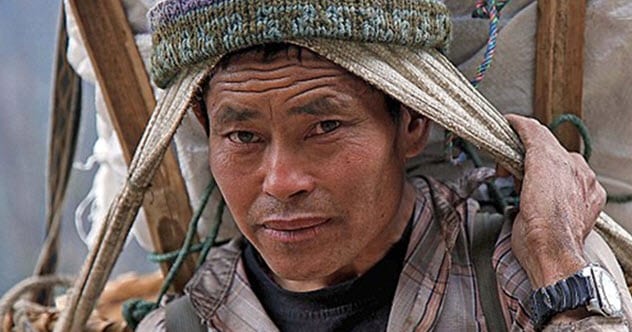
Say the word “Sherpa” in many parts of the world and someone may picture a fearless mountain guide casually strolling up Everest while the rest of us wheeze after climbing two flights of stairs. That image is not completely wrong, but it is wildly incomplete. Sherpas are not simply “the people who carry stuff on mountains.” They are an ethnic community with a rich Tibetan Buddhist heritage, a distinct language, deep roots in the Himalayas, and a modern identity shaped by tourism, science, risk, resilience, and global admiration.
The Sherpa people have become closely associated with Mount Everest, known locally in Tibetan tradition as Chomolungma, but their story reaches far beyond the summit selfie economy. They are farmers, traders, monks, entrepreneurs, athletes, parents, environmental stewards, and cultural keepers. Many have helped define Himalayan mountaineering history, yet their contributions have often been treated like background music in a movie where someone else gets the dramatic close-up.
So, let’s fix the camera angle. Here are the top 10 fascinating facts about Sherpas, written for curious readers who want more than the usual “strong mountain guide” stereotype.
1. “Sherpa” Is an Ethnic Identity, Not a Job Title
One of the biggest misconceptions about Sherpas is that the word simply means “porter” or “mountain guide.” It does not. Sherpa refers to an ethnic group with Tibetan cultural roots, most closely associated with eastern Nepal, especially the Solu-Khumbu region near Mount Everest.
The name is often interpreted from Tibetan roots: “shar” meaning east and “pa” meaning people. In other words, Sherpa can be understood as “people from the east.” That makes sense historically, because Sherpa ancestors are believed to have migrated from eastern Tibet into the Himalayan regions of Nepal several centuries ago.
Using “Sherpa” as a generic job title is a little like calling every chef “Italian” because you once had excellent pasta. Some Sherpas do work as high-altitude guides, porters, expedition leaders, and climbing specialists. Many do not. Reducing the entire community to one profession misses the depth of Sherpa culture, language, religion, and social life.
2. Sherpas Have Deep Roots in the Everest Region
The Sherpa homeland is strongly connected with the high valleys of eastern Nepal. The Khumbu region, home to famous villages such as Namche Bazaar, Khumjung, Pangboche, and Thame, is one of the best-known Sherpa cultural areas. Namche Bazaar, in particular, has become a gateway town for trekkers heading toward Everest Base Camp.
Life in these mountain communities has never been easy. Thin air, steep trails, limited farmland, harsh winters, and geographic isolation shaped a society built on practicality, cooperation, and endurance. Before Everest tourism became a major economic force, many Sherpa families relied on trade, herding yaks and dzos, farming potatoes and barley, weaving wool, and moving goods across Himalayan routes.
That history matters because it explains why Sherpas became so skilled at mountain travel. Their expertise did not appear overnight when Western climbers arrived with fancy boots and heroic mustaches. It grew from generations of living, working, trading, and surviving in one of the world’s most demanding landscapes.
3. Sherpa Culture Is Strongly Influenced by Tibetan Buddhism
Sherpa culture is deeply shaped by Tibetan Buddhism, especially the Nyingma tradition. Monasteries, prayer flags, mani stones, chortens, ritual dances, and spiritual ceremonies are woven into daily life across many Sherpa communities.
Mountains are not merely piles of rock waiting to be conquered. For many Sherpas, they are sacred places connected with deities, spirits, and moral responsibility. Everest is not just a trophy peak; it is Chomolungma, often translated as “Goddess Mother of the World.” That spiritual view can clash with the commercial language of modern climbing, where mountains are “bagged,” “conquered,” and sometimes treated like very cold amusement parks with worse bathrooms.
Festivals such as Mani Rimdu, celebrated in monasteries including Tengboche, highlight the religious and artistic richness of Sherpa life. Masked dances, blessings, chanting, and community gatherings turn the high Himalayas into a stage of color, faith, and memory. For visitors, these traditions offer a reminder that the Everest region is not just an adventure destination. It is someone’s home, temple, history book, and neighborhood all at once.
4. Sherpas Are Famous for High-Altitude Adaptation
Science has long been fascinated by Sherpa performance at altitude. At elevations where lowland visitors gasp, stumble, and begin bargaining with their lungs, many Sherpas function with remarkable efficiency. This is not because they are magical mountain superheroes, although after watching a Sherpa move uphill with a heavy load, one may reasonably suspect secret superhero paperwork.
Research suggests Sherpas have inherited physiological and genetic traits that help them cope with hypoxia, the low-oxygen condition found at high altitude. Studies have linked Sherpa and Tibetan high-altitude adaptation to genetic factors involving oxygen use, hemoglobin regulation, and cellular energy production. Some research has found that Sherpa muscle mitochondria may use oxygen more efficiently, helping the body produce energy under extreme conditions.
That does not mean Sherpas are immune to altitude sickness or danger. They are still human. Cold, avalanches, exhaustion, falls, and oxygen deprivation can harm anyone. But their long-term adaptation gives them advantages that have made them exceptional high-altitude workers and athletes.
5. Tenzing Norgay Helped Change World History in 1953
No list of fascinating Sherpa facts is complete without Tenzing Norgay. On May 29, 1953, Tenzing Norgay and New Zealander Edmund Hillary became the first climbers confirmed to reach the summit of Mount Everest and return safely. Their success was a landmark moment in exploration history.
Tenzing was not merely “along for the ride.” He was an experienced mountaineer who had participated in several Everest expeditions before 1953. His skill, judgment, strength, and partnership with Hillary were essential to the climb. The two men reached the summit together, and their achievement became a symbol of teamwork rather than solo glory.
After the expedition, Hillary was knighted, while Tenzing received different honors. Over time, many observers have noted the unequal recognition given to Western climbers and Sherpa climbers. Today, Tenzing Norgay is widely remembered not only as a mountaineering legend but also as a global ambassador for Sherpa capability, dignity, and courage.
6. Sherpa Guides Carry a Disproportionate Share of Everest Risk
Modern Everest expeditions depend heavily on Sherpa labor. Sherpa guides and high-altitude workers often fix ropes, carry oxygen bottles, establish camps, move supplies, cook, guide clients, monitor routes, and perform rescues. In many cases, they cross dangerous terrain more often than paying climbers do.
The Khumbu Icefall is one of the most dangerous sections of the standard south-side Everest route. It is a shifting maze of crevasses, ladders, ice towers, and unstable seracs. A client may pass through it a handful of times during an expedition, but Sherpa workers may cross it repeatedly to stock higher camps. That repeated exposure increases risk dramatically.
The 2014 Everest avalanche, which killed 16 Nepali high-altitude workers, many of them Sherpas, became a turning point in global awareness. It forced climbers, expedition companies, and governments to confront hard questions about compensation, insurance, safety, and respect. Everest may be sold as a personal dream, but for Sherpa workers, it is often dangerous seasonal labor with family finances attached.
7. Sherpas Are Also Entrepreneurs and Expedition Leaders
The old image of Sherpas as anonymous helpers is outdated. Many Sherpas now own trekking agencies, run lodges, manage guiding companies, lead major expeditions, and shape the business of Himalayan tourism. In towns such as Namche Bazaar, Sherpa entrepreneurship is visible everywhere: bakeries, gear shops, teahouses, guide services, internet cafes, and lodges with better mountain views than most luxury resorts can even dream of.
This shift matters. For decades, foreign expedition companies often controlled the spotlight and the profits. Today, Nepali and Sherpa-owned companies have become increasingly important in the Everest industry. Sherpa climbers are not just support staff; they are decision-makers, route experts, business owners, rescue specialists, and elite professionals.
That evolution is reshaping how people think about Himalayan climbing. The future of Everest is not simply about wealthy clients chasing summits. It is also about local leadership, fair wages, improved safety standards, environmental responsibility, and cultural respect.
8. Record-Breaking Sherpa Climbers Keep Rewriting the Limits
Sherpa climbers have set some of the most astonishing records in mountaineering. Kami Rita Sherpa, one of the world’s most famous high-altitude guides, has climbed Mount Everest more times than anyone else, reaching a record 32 summits in 2026. That number is difficult to process. Most people remember one miserable hill workout for years; Kami Rita has repeatedly climbed the highest mountain on Earth.
Lhakpa Sherpa has also made history as one of the most accomplished female Everest climbers, holding the record for the most Everest summits by a woman. Her achievements show that Sherpa mountaineering excellence is not limited to men, even though media coverage often makes it seem that way.
Younger climbers are also challenging stereotypes. Nima Rinji Sherpa, for example, has drawn attention for completing all 14 of the world’s 8,000-meter peaks at a remarkably young age. His success has helped push a broader conversation: Sherpas should be recognized not only as support workers but as elite athletes in their own right.
9. Sherpa Life Has Been Transformed by Everest Tourism
Everest tourism has brought money, schools, clinics, roads, air links, jobs, and global attention to the Khumbu region. It has also brought crowding, waste, inequality, cultural pressure, and risk. Like many forms of tourism, it is both opportunity and headache, sometimes in the same hiking boot.
In the past, many Sherpa families lived through subsistence agriculture, trade, and herding. Today, trekking and climbing tourism provide major income for many households. Families may run lodges, guide trekkers, sell supplies, rent equipment, or work with expeditions. Education has improved, and younger Sherpas have more career options than previous generations.
At the same time, dependence on tourism can be unstable. Avalanches, earthquakes, pandemics, political disruption, climate change, or a bad climbing season can suddenly cut income. Some younger Sherpas are choosing careers outside mountaineering because the work is dangerous and the rewards are not always equal to the risks. The romantic image of the mountain guide does not always match the reality of bills, insurance, equipment costs, and family responsibility.
10. Sherpas Are on the Front Line of Climate Change
The Himalayas are changing. Warming temperatures, melting glaciers, unstable ice, shifting snowfall patterns, and glacial lake risks are affecting the Everest region. For climbers, climate change may mean more unpredictable hazards. For Sherpa communities, it can affect water supplies, trails, farming, tourism, and sacred landscapes.
The Khumbu Icefall has always been dangerous, but warming conditions can make ice movement and collapse risks even more concerning. Changes in glaciers can also affect trekking routes, bridges, and village infrastructure. This is not an abstract environmental issue for Sherpas. It is not a chart in a distant conference room. It is the trail to work, the water source near home, and the mountain above the monastery.
Many Sherpa communities and Himalayan organizations now emphasize conservation, waste cleanup, sustainable tourism, and cultural preservation. Visitors can help by hiring ethical local operators, respecting religious sites, reducing waste, following local rules, and remembering that a trekking route is not a theme park. Nobody wants Everest Base Camp to become a frozen version of a crowded airport terminal.
Why Sherpas Matter Beyond Mount Everest
Sherpas fascinate the world because they stand at the intersection of culture, endurance, science, and ethics. Their story asks us to think carefully about who gets credit, who takes risks, and who benefits from adventure tourism. It also reminds us that human adaptation is not just biological. It is cultural, spiritual, economic, and communal.
When outsiders talk about Everest, the language often centers on conquest: who summited, who broke a record, who stood on top. Sherpa perspectives complicate that story in the best possible way. They remind us that mountains are not just obstacles. They are homes, sacred places, workplaces, and living environments.
To understand Sherpas only through Everest is like understanding Americans only through Hollywood car chases. There is some spectacle, yes, but also a whole society beyond the dramatic soundtrack. Sherpa identity includes language, family networks, religious traditions, food, festivals, trade, migration, education, and modern ambition.
Experiences Related to Sherpas and the Everest Region
For travelers, writers, trekkers, and mountain lovers, learning about Sherpas can completely change the way the Himalayas are experienced. A trek to the Everest region is not just a physical journey from Lukla to Namche Bazaar to Tengboche or Everest Base Camp. It is also a cultural education, provided the visitor pays attention and does not spend the entire time photographing their own boots.
One of the most memorable experiences many trekkers describe is arriving in Namche Bazaar after the steep climb from the Dudh Koshi valley. The town appears like a natural amphitheater carved into the mountainside, with lodges, shops, prayer flags, bakeries, and views that make even tired hikers temporarily forget their sore calves. Here, Sherpa hospitality becomes part of the journey. A cup of tea, a warm dining room, a plate of dal bhat, or a simple conversation with a lodge owner can reveal more about the region than any glossy adventure brochure.
Another powerful experience is visiting Tengboche Monastery. Surrounded by Himalayan giants, the monastery offers a quieter view of Sherpa life. The sound of chanting, the smell of incense, the movement of monks, and the sight of prayer flags snapping in the wind all remind visitors that the Everest region is spiritually alive. For Sherpas, mountains are not just scenic backdrops for social media. They are part of a sacred geography filled with meaning.
Trekkers also quickly learn how much local knowledge matters. A Sherpa guide may notice weather changes, trail conditions, altitude symptoms, pacing problems, and cultural etiquette long before a visitor realizes anything is happening. Good guiding is not just walking in front. It is judgment, patience, risk management, translation, encouragement, and occasionally telling an overconfident trekker to slow down before their lungs file a formal complaint.
Experiencing Sherpa culture respectfully means asking better questions. Instead of asking only, “How many times have you climbed Everest?” visitors might ask about family, festivals, village life, farming, education, favorite foods, local legends, or how tourism has changed the region. These conversations move Sherpas out of the role of mountain accessory and into the reality of full human beings with opinions, humor, worries, dreams, and stories.
Food is another enjoyable doorway into Sherpa experience. In high-altitude villages, meals are practical and comforting. Potatoes, noodles, soups, rice, lentils, butter tea, and hearty stews help fuel life in cold conditions. Dal bhat, often eaten throughout Nepal, is famous among trekkers because it is filling and frequently comes with refills. There is a reason people joke that “dal bhat power” can carry you up a mountain. It is not an official scientific unit, but after a long trekking day, it feels convincing.
Visitors should also recognize the emotional complexity of the Everest economy. The same mountain that provides income can take lives. The same tourism that funds schools and lodges can create crowding and waste. The same global attention that celebrates Sherpa strength can sometimes flatten Sherpa identity into a convenient stereotype. A thoughtful traveler leaves with admiration, but also humility.
The best experience related to Sherpas may be a shift in perspective. Everest stops being only the world’s highest peak and becomes part of a living cultural landscape. The trail becomes more than a route. The guide becomes more than a guide. The mountain becomes more than a challenge. And the word “Sherpa” becomes what it should have been all along: the name of a people whose story is far bigger, richer, and more fascinating than any summit photo.
Conclusion
Sherpas are among the most respected mountain communities in the world, but their importance goes far beyond climbing. They are a Tibetan-rooted ethnic group with a distinct culture, language, religion, and history. Their high-altitude adaptation has intrigued scientists, their mountaineering achievements have reshaped exploration, and their labor has made countless Himalayan expeditions possible.
Yet the most fascinating fact about Sherpas may be this: they are not legends frozen in Everest history. They are a living, changing community navigating modern tourism, climate change, education, entrepreneurship, cultural preservation, and global recognition. To speak about Sherpas with accuracy is to move beyond clichés and see the full human story behind the mountain.
So the next time someone uses “Sherpa” as shorthand for a helper, guide, or person carrying the load, gently remind them: Sherpa is not a backpack with legs. Sherpa is a people, a culture, a history, and a remarkable Himalayan legacy still being written.













