
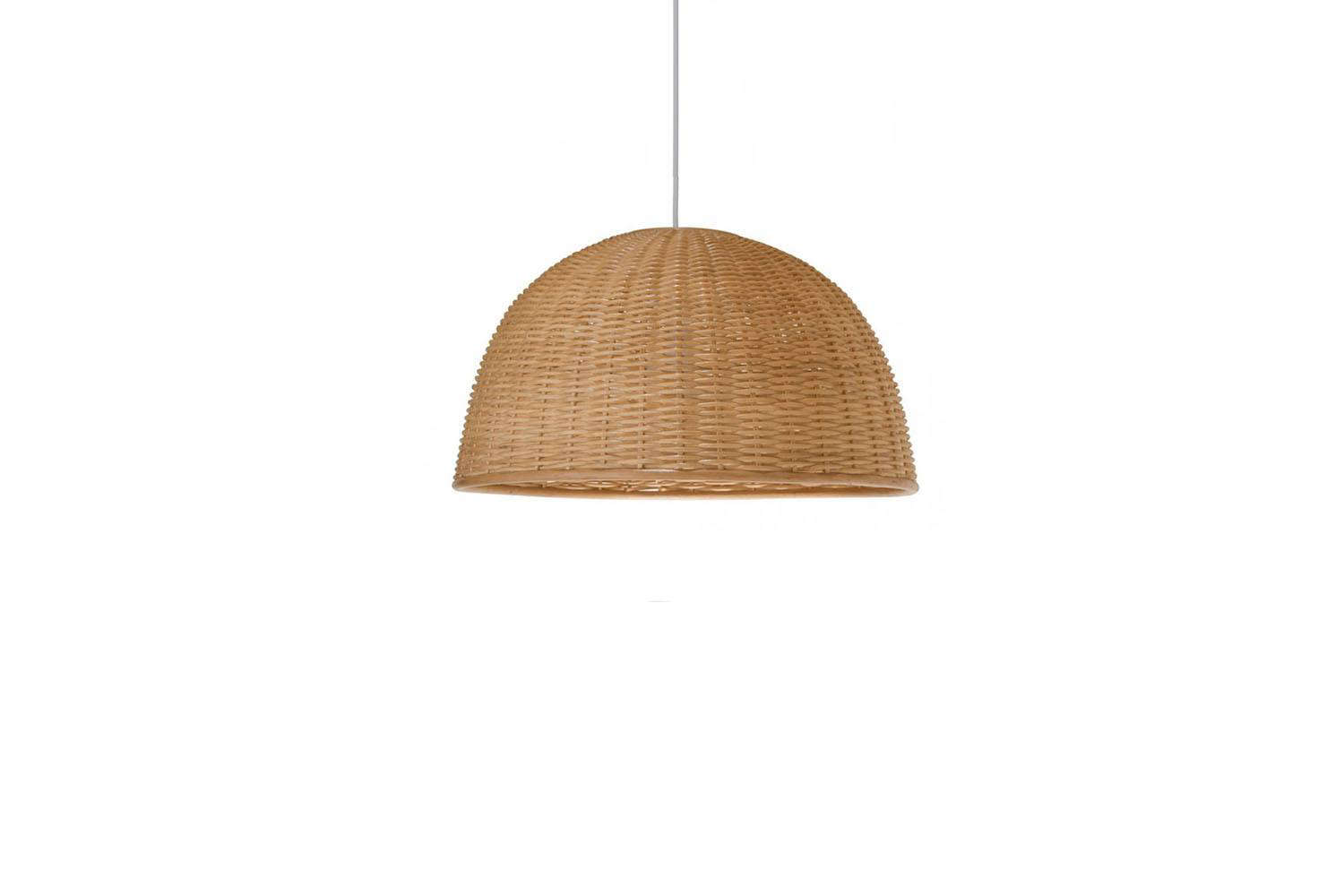
A wicker dome pendant lamp is the home décor equivalent of putting linen pants on your ceiling: relaxed, breezy, quietly stylish, and somehow appropriate in more rooms than expected. It brings natural texture, soft light, and a handcrafted feeling into a space without shouting, “I hired a designer,” even if your dining room suddenly starts acting like it has a booking calendar.
At its best, a wicker dome pendant lamp does three jobs at once. It provides useful overhead lighting, creates a warm focal point, and adds a layer of organic texture that flat paint, slick counters, and square furniture desperately need. The dome shape is especially popular because it feels grounded and architectural. It directs light downward, frames a table or island beautifully, and gives the ceiling a sculptural moment without becoming a chandelier with a personality disorder.
Whether you call it a wicker pendant light, rattan dome pendant, woven hanging lamp, basket pendant, or natural fiber ceiling light, the appeal is the same: it softens a room. And in a world full of glossy screens, stainless appliances, and white walls that sometimes feel like they were designed by a very tidy robot, softness matters.
What Is a Wicker Dome Pendant Lamp?
A wicker dome pendant lamp is a hanging ceiling light with a dome-shaped shade made using a woven construction. The shade may be crafted from rattan, cane, bamboo, seagrass, synthetic wicker, or a blend of natural fibers. Technically, “wicker” refers to the weaving method, while “rattan” is one of the most common materials used in that weave. In everyday shopping language, though, the two words often mingle freely like guests at a casual dinner party.
The dome silhouette usually has a broad bottom opening and a rounded top. This shape makes the fixture feel generous but not fussy. Some versions are simple and minimalist, while others include scalloped edges, brass hardware, linen diffusers, frosted glass, or oversized proportions. A large wicker dome pendant can become the main visual feature in a dining room. A smaller one can work over a breakfast nook, sink, reading corner, or bedside table.
Why Wicker Dome Pendant Lamps Are So Popular
They Add Natural Texture Instantly
Texture is the secret ingredient that makes a room feel finished. A space can have the right sofa, the right rug, and the right wall color, yet still feel slightly flat. Add a woven dome pendant, and suddenly the room has depth. The fibers catch light. The weave creates tiny shadows. The ceiling stops looking ignored.
This is especially useful in modern homes, where many surfaces are smooth: quartz countertops, painted cabinets, glass windows, metal fixtures, and polished floors. Wicker introduces irregularity in the best way. It reminds the room that nature exists, even if your houseplants are currently negotiating for better treatment.
They Create Warm, Diffused Light
A wicker dome pendant lamp typically filters light through its woven shade. Instead of blasting the room with harsh brightness, it creates a softer glow. Depending on the weave, bulb type, and whether the fixture includes a diffuser, it may cast gentle patterns on nearby walls or the ceiling. That dappled effect is part of the charm.
For dining areas, this softness is a major advantage. Nobody wants to eat pasta under lighting that feels like a dental exam. A woven dome shade can make meals feel calmer, warmer, and more intimate. Add a dimmer switch, and the lamp becomes even more flexible: bright enough for homework or meal prep, low enough for dinner, and moody enough for pretending takeout was plated by a chef.
They Work With Many Interior Styles
The beauty of a wicker dome pendant lamp is its flexibility. It can lean coastal, bohemian, farmhouse, Japandi, tropical, Scandinavian, rustic, or modern organic depending on the room around it. Pair it with white shiplap and blue accents, and it feels beachy. Hang it above a black dining table with clean-lined chairs, and it looks modern. Combine it with plaster walls, warm woods, and linen curtains, and suddenly you are living inside a boutique hotel brochure.
Unlike highly decorative chandeliers, wicker dome pendants rarely dominate a room in a heavy way. They have presence, but they breathe. That makes them ideal for open-plan spaces where lighting must define zones without visually clogging the air.
Best Places to Use a Wicker Dome Pendant Lamp
Over a Dining Table
The dining room is one of the best places for a wicker dome pendant lamp. A dome shade naturally frames the table and draws people inward. For a rectangular dining table, one oversized dome can create a bold centerpiece. For a longer table, two medium pendants may feel more balanced. If your table is round, a single dome pendant centered above it usually looks clean and intentional.
As a general design rule, the fixture should feel proportional to the table. A pendant that is too small may look timid, like it wandered in from a hallway. A pendant that is too large may overwhelm the table and make guests duck nervously. A good starting point is to choose a fixture that is roughly one-half to two-thirds the width of the table, while leaving enough visual breathing room around the edges.
Above a Kitchen Island
Wicker dome pendant lamps are also excellent over kitchen islands, especially when the kitchen needs warmth. White cabinets, stone countertops, and stainless-steel appliances can look beautiful, but they sometimes need a natural element to keep the room from feeling cold. Wicker does that job gracefully.
For a kitchen island, pendant placement matters. Many lighting guides recommend hanging pendants about 30 to 36 inches above the countertop, though the exact height depends on ceiling height, fixture size, and sight lines. You should be able to talk to someone across the island without staring through a lampshade like you are conducting an interview from inside a basket.
If using multiple pendants, space them evenly and keep them visually centered over the island. Two large wicker domes often look better than three tiny ones on a medium island. For very long islands, three pendants can work beautifully, but scale is everything.
In a Bedroom
A wicker dome pendant in a bedroom can replace a traditional ceiling fixture and make the room feel softer. It is especially effective in rooms with wood furniture, white bedding, linen textures, or earthy colors. A large woven pendant centered over the bed can act like a calm sculptural canopy without the commitment of an actual canopy bed.
Smaller wicker pendants can also be hung on either side of the bed in place of table lamps. This frees up nightstand space and gives the room a boutique feel. Just be sure the lights are positioned high enough that nobody bumps into them while reaching for a phone, book, or emergency midnight snack.
In an Entryway
An entryway is the first handshake of a home, and a wicker dome pendant makes that handshake feel warm rather than stiff. It gives guests a hint that the house is casual, welcoming, and thoughtfully styled. In a small foyer, choose a compact dome with an open weave. In a double-height entry, a larger pendant or clustered woven lights can make a more dramatic impression.
In a Covered Patio or Sunroom
Wicker and rattan naturally evoke outdoor living, so they look right at home in sunrooms and covered patios. However, not all wicker pendant lamps are rated for damp or outdoor areas. Before installing one in a semi-outdoor location, check whether the fixture is approved for damp or wet conditions. Natural fibers can react poorly to moisture, so this is not the time to adopt a “how bad could it be?” attitude.
How to Choose the Right Wicker Dome Pendant Lamp
Consider the Size
Size is the difference between “designer statement” and “why is there a laundry basket on the ceiling?” Oversized wicker dome pendants are popular because they bring drama without visual heaviness. A 28-inch or 34-inch dome can look stunning over a dining table, while smaller pendants around 14 to 20 inches may work better in pairs, over a sink, or in compact spaces.
Look at both diameter and height. A wide, shallow dome feels airy and modern. A deeper bell or basket shape feels more rustic and sculptural. If your ceiling is low, a shallow dome may be smarter. If your ceiling is high, a taller fixture can help fill the vertical space.
Check the Material
Natural rattan is lightweight, durable, and flexible, making it a favorite for woven lighting. Cane, bamboo, seagrass, and wicker-style synthetic materials are also common. Natural fibers bring character and subtle color variation. Synthetic wicker may be more consistent and, in some cases, more resistant to moisture or wear.
If you want a refined look, choose a tight weave, clean dome shape, and polished hardware such as brass or matte black. If you want something more relaxed, consider a looser weave, natural finish, or slightly irregular handmade texture. Imperfection is part of the appeal. A woven pendant should not look as if it was assembled by a spreadsheet.
Think About Light Direction
Some wicker dome pendants are open at the bottom, sending light directly downward. These are useful above tables and islands. Others include a diffuser made of glass, fabric, or acrylic, which softens the light and hides the bulb. A diffuser is helpful if the pendant hangs low or if visible bulbs would be distracting.
For ambient lighting, choose a shade that lets some light escape through the weave. For task lighting, make sure the bottom opening provides enough brightness on the surface below. In a kitchen, the pendant should complement under-cabinet lights, recessed ceiling lights, or wall sconces rather than carry the entire lighting plan alone. Even the prettiest wicker lamp should not be responsible for chopping onions safely by itself.
Choose the Right Bulb
Warm white LED bulbs are usually the best choice for wicker dome pendant lamps. A color temperature around 2700K to 3000K creates a cozy glow that flatters natural fibers. Very cool bulbs can make wicker look dull or gray, and they may give the room a sterile feeling. Unless your design goal is “tropical waiting room,” warm light is safer.
Also pay attention to bulb shape. If the bulb is visible through the shade, choose one that looks attractive, such as a globe bulb or soft white bulb. If the fixture includes a diffuser, appearance matters less, but brightness and dimmability still matter. Always follow the fixture’s maximum wattage and socket recommendations.
How to Style a Wicker Dome Pendant Lamp
Pair It With Wood
Wicker loves wood. A natural dome pendant above a wood dining table creates an easy, cohesive look. Light oak feels Scandinavian and breezy. Walnut adds richness. Reclaimed wood brings rustic charm. The key is not to match everything perfectly. A little variation in tone makes the space feel collected rather than purchased in one panicked afternoon.
Balance It With Sleek Surfaces
One of the most effective ways to use a wicker dome pendant lamp is to contrast it with sleek materials. Try it above a marble table, black island, lacquered cabinets, or concrete floor. The woven shade softens those harder surfaces, while the modern elements keep the wicker from feeling too beach-cottage.
Repeat the Texture Carefully
A woven pendant looks even better when its texture is echoed elsewhere in the room. You might add woven dining chairs, a jute rug, cane cabinet fronts, bamboo blinds, or rattan baskets. But use restraint. Too much wicker can make a room look as if it is preparing to open a tropical smoothie stand.
A good formula is one dominant woven feature, such as the pendant, plus one or two smaller accents. For example, a large wicker dome over the table, a pair of woven counter stools nearby, and a simple basket for throws can feel balanced.
Use It as a Soft Focal Point
Because a dome pendant has a strong shape, it naturally draws the eye. Let it be the star. Avoid placing too many competing ceiling fixtures nearby. If the room already has bold wallpaper, colorful art, or dramatic furniture, choose a simpler wicker shade. If the room is neutral, an oversized or more detailed woven pendant can add the necessary drama.
Care and Maintenance
Wicker dome pendant lamps are not difficult to care for, but they do collect dust. The weave has tiny grooves where dust can settle, especially in kitchens. Use a microfiber cloth, feather duster, or vacuum with a soft brush attachment. Work gently so the fibers do not snag or loosen.
For kitchen pendants, wipe nearby surfaces regularly to prevent grease buildup from drifting onto the shade. Avoid soaking natural wicker or rattan with water. If the shade needs deeper cleaning, use a barely damp cloth and dry it promptly. Harsh cleaners are unnecessary and may damage the finish.
Before cleaning, always turn off the light and let the bulb cool. This is less glamorous than styling advice, but dramatically better than learning about hot bulbs through personal experience.
Common Mistakes to Avoid
Choosing a Pendant That Is Too Small
A small pendant over a large table can look accidental. Wicker is visually lightweight, so you can often go larger than you think. If you want a statement, consider an oversized dome with an open weave. It will fill space without feeling as heavy as metal or glass.
Hanging It Too Low
A pendant should create atmosphere, not a forehead hazard. Over dining tables and islands, 30 to 36 inches above the surface is a useful starting range. Adjust based on ceiling height, fixture shape, and the tallest person in the house. If Uncle Mike has to lean sideways to pass the salad, the lamp is too low.
Using Harsh Bulbs
The wrong bulb can ruin the mood. A beautiful wicker dome with a bright, cold bulb is like serving gourmet soup in a traffic cone. Choose warm, dimmable LED bulbs for comfort and flexibility.
Ignoring the Rest of the Lighting Plan
Pendants are important, but they are not magic. Kitchens need layered lighting: task lighting for work areas, ambient lighting for general brightness, and accent lighting for mood. A wicker dome pendant is excellent for atmosphere and focal-point lighting, but it should be part of a thoughtful system.
Buying Tips for a Wicker Dome Pendant Lamp
Before buying, measure your room, ceiling height, table or island width, and desired hanging length. Check whether the pendant is hardwired or plug-in. Hardwired fixtures look cleaner but usually require professional installation. Plug-in pendants can be renter-friendly and easier to move.
Review the canopy size, cord or chain length, bulb socket, maximum wattage, dimmer compatibility, and whether the fixture is UL listed or meets recognized safety standards. If the lamp will hang in a bathroom, laundry room, covered porch, or humid area, check the location rating carefully.
Also look closely at product photos. Natural wicker can vary in tone from pale honey to deeper brown. Whitewashed finishes feel coastal and airy. Black wicker looks modern and graphic. Brass hardware adds warmth, while matte black hardware gives contrast. The best choice depends on the room’s existing finishes.
Experience Notes: Living With a Wicker Dome Pendant Lamp
After seeing wicker dome pendant lamps used in dining rooms, kitchens, bedrooms, and vacation-style interiors, one thing becomes clear: the fixture changes the room before anyone turns it on. During the day, it acts like a sculptural object. It brings shape to the ceiling and makes the space feel more layered. At night, it becomes all about glow. The woven shade softens the light, and suddenly the room feels less like a box with furniture and more like a place people want to stay.
One of the best experiences with this type of pendant is how forgiving it can be. A metal chandelier often demands a specific style. A crystal chandelier wants attention, possibly applause. A wicker dome pendant is more relaxed. It can sit above a farmhouse table, a modern island, or a simple round breakfast table and still make sense. It does not need every nearby object to match. In fact, it usually looks better when the room includes contrast: smooth stone, painted cabinets, linen curtains, ceramic vases, or black-framed chairs.
Another practical benefit is how it warms up rental or builder-grade spaces. Many apartments and newer homes come with basic ceiling lights that do the job but inspire absolutely no poetry. Replacing a plain fixture with a wicker dome pendant can make the space feel customized without changing flooring, cabinets, or wall color. It is one of those upgrades that looks more expensive than it has to be, which is always satisfying. The lamp gets compliments, and you get to pretend you casually understand lighting design.
There are a few lessons worth learning early. First, scale matters more than people think. A larger wicker dome often looks better than a cautious small one, especially over a dining table. Because the material is airy, it can handle size without becoming visually heavy. Second, the bulb matters enormously. A warm dimmable LED bulb can make the pendant glow beautifully; a cold bulb can make the same fixture look flat and unfriendly. Third, cleaning is easier when done regularly. A quick dusting every couple of weeks keeps the weave fresh and prevents the dreaded “ceiling tumbleweed” effect.
In kitchens, the experience depends on placement. A wicker dome pendant over an island can be beautiful, but it should not block views or hang so low that cooking feels like working under a basket helmet. It also needs support from other lighting. Under-cabinet lights, recessed lights, or sconces help keep the kitchen functional while the pendant handles atmosphere. This layered approach makes the room work from morning coffee to late-night leftovers.
In bedrooms, wicker dome pendants feel especially calming. They pair naturally with cotton bedding, wood nightstands, soft rugs, and neutral walls. The fixture adds interest overhead without making the room feel busy. In entryways, it creates a welcoming first impression. In dining rooms, it makes even ordinary weeknight meals feel slightly more intentional. Yes, the meal may still be reheated pizza, but under warm woven light, it becomes “casual rustic flatbread.” Interior design is powerful that way.
The biggest takeaway is that a wicker dome pendant lamp is not just a trend piece. It solves a real decorating problem: how to make a room feel warmer, softer, and more personal without adding clutter. It gives the ceiling something beautiful to say. And thankfully, it says it quietly.
Conclusion
A wicker dome pendant lamp is one of the simplest ways to bring warmth, texture, and relaxed sophistication into a home. It works because it combines function and feeling: it lights the room, anchors the space, and introduces natural character. Whether used over a dining table, kitchen island, bedroom, entryway, or covered sitting area, the right woven pendant can make a room feel finished without making it feel overdesigned.
Choose the size carefully, use warm bulbs, hang it at the right height, and treat it as part of a layered lighting plan. Do that, and your wicker dome pendant lamp will not just look good in photos. It will make everyday life feel a little softer, a little warmer, and maybe even a little more stylish than your laundry pile deserves.
Note: This article is fully rewritten in original standard American English and based on synthesized information from reputable U.S. home design, lighting, and retailer references.













