
Note: This article is written for public awareness and ethical discussion. It is not legal advice, and it does not teach businesses how to deceive customers or workers. Quite the opposite: it shines a bright, slightly uncomfortable flashlight on tactics people often recognize only after their wallet, paycheck, or patience has already been mugged.
Introduction: When “Business as Usual” Starts Smelling Funny
Business is supposed to be about creating value, solving problems, and making money in a way that doesn’t require everyone else to shower afterward. Yet anyone who has worked retail, booked a hotel room, bought a subscription, applied for a job, dealt with a warranty, or tried to cancel “one free trial” knows the truth: plenty of common business tactics sit in that murky swamp between “technically allowed” and “wow, that is deeply shady.”
The title topic comes from an online discussion where people shared unethical but surprisingly common business practices they had seen in real life. The thread resonated because these stories were not about cartoon villains in black capes. They were about everyday tactics: hidden fees, fake urgency, underpaying workers, manipulating reviews, burying important terms, and making cancellation harder than assembling discount furniture without instructions.
In the United States, agencies such as the Federal Trade Commission, Consumer Financial Protection Bureau, Department of Labor, Equal Employment Opportunity Commission, Occupational Safety and Health Administration, Securities and Exchange Commission, and National Labor Relations Board have all addressed different versions of these problems. That tells us something important: unethical business tactics are not rare glitches. They are recurring patterns.
Below are 30 unethical but very common tactics in business, explained in plain English, with examples and analysis so consumers, employees, founders, and managers can recognize the red flags before they become expensive life lessons.
Why Unethical Business Tactics Become So Common
Most shady tactics survive because they create short-term gains. A company hides a fee, and conversion rates rise. A manager pressures workers to skip breaks, and labor costs fall. A seller uses fake reviews, and sales climb. A subscription service makes cancellation annoying, and churn drops. On a spreadsheet, all of this can look like “optimization.” In real life, it looks like customers losing trust and employees updating their resumes during lunch.
The deeper problem is incentive design. If executives reward only quarterly revenue, some teams will chase revenue even when the method is rotten. If salespeople are paid only by commission, some will oversell. If managers are praised for keeping payroll low, some will “forget” overtime rules. Bad incentives do not turn everyone unethical, but they do create a cozy little greenhouse where bad behavior grows nicely.
30 Unethical But Very Common Tactics In Business
1. Hidden Fees That Appear at Checkout
One of the most hated tactics is drip pricing: advertising one price, then revealing unavoidable fees late in the buying process. Tickets, hotel rooms, delivery apps, rental cars, and online services have all used versions of this trick. The advertised price gets the customer emotionally committed; the final price arrives after they have invested time and patience. It is the business version of saying, “Surprise! Your sandwich costs extra because we put it on bread.”
2. Fake Scarcity and Artificial Urgency
Messages like “Only 2 left!” or “Sale ends in 10 minutes!” can be useful when true. They become unethical when they are automated pressure tactics with no real inventory shortage or deadline. Fake urgency pushes customers into rushed decisions and discourages comparison shopping.
3. Subscription Traps
A free trial should be simple: try it, keep it, or cancel it. But many businesses make signing up delightfully easy and cancellation mysteriously difficult. Consumers may face hidden cancellation buttons, confusing menus, long phone waits, or retention scripts designed to wear them down. If joining takes 20 seconds but canceling requires a minor archaeological expedition, something is off.
4. Dark Patterns in Website Design
Dark patterns are interface tricks that steer people into choices they did not really intend to make. Examples include pre-checked boxes, confusing opt-out language, misleading button colors, guilt-based prompts, or designs that make privacy choices harder than purchase choices. Ethical design helps users decide. Dark design helps companies corner them.
5. Bait-and-Switch Pricing
A business advertises an attractive deal, then pushes customers toward a more expensive option once they show interest. Sometimes the advertised item is “out of stock.” Sometimes the low price excludes unavoidable add-ons. Sometimes the deal exists mostly as bait. Either way, the customer came for the bargain and left with a bill that needed emotional support.
6. Fake Reviews and Paid Testimonials
Online reviews are powerful because people trust other people more than ads. That trust gets abused when businesses buy fake reviews, use employees as hidden reviewers, suppress negative feedback, or pay for praise without disclosure. Fake reviews distort the marketplace and punish honest competitors.
7. Review Suppression
Some businesses do not merely chase fake praise; they try to silence criticism. They may threaten unhappy customers, bury negative reviews, selectively ask only satisfied buyers for feedback, or use legal-sounding language to intimidate ordinary people. A fair review system should show a realistic range of experiences, not a wax museum of five-star smiles.
8. Misleading “Eco-Friendly” Claims
Greenwashing happens when a company markets itself as sustainable, natural, clean, recyclable, carbon-conscious, or planet-friendly without meaningful proof. A leaf icon on packaging is not an environmental strategy. Neither is naming a plastic bottle “Forest Whisper.” Ethical sustainability claims should be specific, verifiable, and not designed to make customers feel virtuous while buying the same old thing in a prettier wrapper.
9. Shrinkflation Without Transparency
Shrinkflation occurs when a product gets smaller while the price stays the same or rises. It is not always illegal, but it can be ethically questionable when companies rely on customers not noticing. The cereal box looks familiar, the price looks familiar, but somehow breakfast now contains three fewer spoonfuls and a small cloud of betrayal.
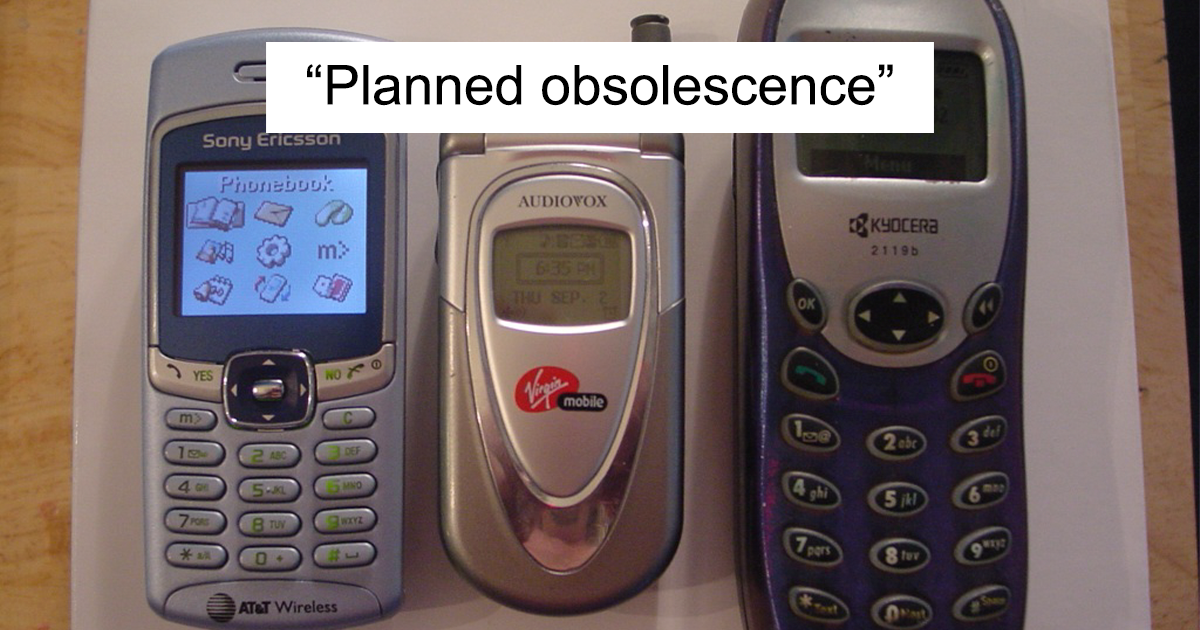
10. Planned Obsolescence
Some products are designed or updated in ways that make repair difficult, shorten useful life, or push customers toward replacement sooner than necessary. Not every product failure is planned, of course. But when repair costs approach replacement costs, parts are unavailable, or software support disappears quickly, customers have a right to ask whether convenience for the company is being disguised as innovation.
11. Confusing Warranty Terms
Warranties often sound generous in bold print and become tiny little obstacle courses in the fine print. Customers may discover exclusions, shipping charges, narrow claim windows, or proof requirements only after something breaks. Ethical warranties should be written for humans, not for courtroom goblins with magnifying glasses.
12. Misclassifying Employees as Independent Contractors
Worker misclassification happens when a company treats someone like an employee in practice but labels them an independent contractor to avoid overtime, payroll taxes, benefits, or legal protections. Real independent contractors control how they work and often serve multiple clients. If a business controls schedules, duties, methods, and discipline, calling the worker “independent” may be more costume than reality.
13. Wage Theft
Wage theft can include unpaid overtime, off-the-clock work, illegal deductions, stolen tips, missed breaks, or paying less than the required minimum wage. It is common because it often happens in small increments. A few minutes here, a missing premium there, a manager saying “just clock out and finish this.” Over time, those minutes become rent money.
14. Retaliating Against Workers Who Speak Up
Employees may have legal protections when they discuss wages, report unsafe conditions, complain about discrimination, cooperate with investigations, or raise workplace concerns. Yet retaliation remains a common fear. It can appear as reduced hours, sudden bad reviews, demotions, isolation, schedule punishment, or termination dressed up as “performance concerns.”
15. Pay Secrecy Pressure
Some employers discourage workers from discussing pay because secrecy helps unfair compensation survive. When employees compare wages, they may discover discrimination, favoritism, or underpayment. Ethical companies do not need employees to stay in the dark to keep the payroll system standing.
16. High-Pressure Sales Scripts
Sales pressure becomes unethical when it exploits fear, confusion, grief, illness, age, debt, or urgency. Think of aggressive upselling for unnecessary services, “today only” financing, or pushing customers to sign before they understand the terms. Good sales answer questions. Bad sales try to outrun them.
17. Exploitative Fine Print
Fine print is where some businesses hide the dragons: automatic renewals, arbitration clauses, usage limits, restocking fees, data-sharing permissions, refund restrictions, and penalties. Terms and conditions matter, but ethical businesses do not rely on customers missing key information because it is buried in a legal haystack.
18. Data Harvesting Beyond What Customers Expect
Many digital businesses collect more personal data than customers realize. Some tracking is necessary for security, analytics, or service delivery. The ethical problem begins when data collection is excessive, poorly disclosed, bundled into confusing consent flows, or shared in ways that surprise users.
19. Manipulative Loyalty Programs
Loyalty programs can reward regular customers, but they can also nudge people to overspend. Points, tiers, streaks, and expiring rewards can make consumers chase benefits that are worth less than the extra money spent. If the “reward” requires buying things you did not need, congratulations: the program is loyal to the company.
20. Selling Add-Ons Customers Do Not Need
Extended warranties, protection plans, premium support, insurance bundles, and unnecessary upgrades can be legitimate when they fit a customer’s situation. They become unethical when staff are pressured to push them regardless of need, or when customers are frightened into buying protection for low-risk purchases.
21. Making Refunds Needlessly Difficult
A refund policy can have reasonable limits. But some businesses turn refunds into a maze: strict windows, vague eligibility, required phone calls, store credit instead of money back, delayed processing, or disappearing customer support. The goal is not always to deny refunds directly; sometimes it is to make people too tired to continue.
22. “As Seen On” Credibility Tricks
Some companies display media logos in ways that imply endorsement when the brand was merely mentioned, advertised, syndicated, or self-published through a contributor platform. The tactic borrows trust from recognizable names. Ethical credibility signals should be clear about what actually happened.
23. Astroturfing
Astroturfing is fake grassroots support. A company, political group, or interest organization makes a campaign look like ordinary public enthusiasm when it is actually coordinated. This can include fake comments, staged testimonials, planted social posts, or paid advocates who do not disclose their relationship.
24. Channel Stuffing and Revenue Games
In corporate finance, unethical revenue practices can include pushing excessive products to distributors near the end of a quarter to make sales look stronger than real demand. This may temporarily impress investors, executives, or bonus committees, but it distorts the truth and can create future losses when inventory comes back or demand collapses.
25. Cutting Safety Corners
Safety violations are often justified with phrases like “we’ve always done it this way” or “it’ll only take a second.” That second can become an injury. Ethical businesses treat safety as a real operating requirement, not a poster in the break room that slowly curls at the edges.
26. Using Confusing Pricing Units
Some businesses make comparison shopping harder by changing package sizes, using odd measurement units, bundling products, or emphasizing monthly prices while hiding total costs. This does not always break a rule, but it can reduce informed choice. Clear unit pricing helps customers compare value without needing a spreadsheet and a strong coffee.
27. Overpromising Results
Coaches, agencies, consultants, courses, supplements, financial services, and software sellers sometimes promise outcomes they cannot guarantee. “Double your revenue,” “lose weight fast,” “get rich with one system,” or “rank number one overnight” should raise eyebrows. Results depend on context, effort, market conditions, and reality, which remains stubbornly undefeated.
28. Creating Artificial Complexity
Some services are made complicated so customers feel dependent. Pricing tiers, billing codes, renewal terms, claim processes, or service packages become so confusing that people stop questioning them. Complexity can be natural in technical industries, but artificial complexity is a fog machine for profit.
29. Quietly Reducing Service Quality
A business may keep prices steady while reducing support, quality control, staffing, ingredients, speed, durability, or access. Customers notice eventually, but by then the company may have squeezed several quarters of margin from the decline. This tactic often hides behind “efficiency.” Sometimes efficiency is smart. Sometimes it is just a nicer word for “worse.”
30. Ethical Theater
Ethical theater happens when a company loudly advertises values it does not live by. It posts about people-first culture while burning out staff. It celebrates sustainability while hiding waste. It praises transparency while dodging basic questions. The branding says “trust us.” The behavior says “please do not check the basement.”
How These Tactics Hurt More Than Customers
Unethical business tactics do not only harm the people who pay invoices or click “buy now.” They also damage honest competitors. A company that discloses full prices may look more expensive than a rival hiding fees. A business that pays overtime properly may have higher labor costs than one stealing hours. A brand with real customer reviews may look less impressive than a competitor using fake praise.
That is why business ethics matters for the whole market. When shady tactics become normal, honest businesses are pressured to copy them or lose ground. The result is a race to the bottom where customers trust nobody, employees disengage, regulators intervene, and the word “innovation” gets used to describe things that are really just old tricks wearing Bluetooth.
Signs a Business Practice May Be Unethical
A useful test is simple: would the company explain the tactic clearly in plain language to customers, workers, investors, or regulators? If the answer is no, the practice deserves scrutiny.
Other warning signs include hidden costs, confusing language, pressure to decide immediately, punishment for asking questions, difficulty canceling, vague claims without evidence, secrecy around pay, and policies that seem designed to exhaust people rather than serve them.
What Ethical Businesses Do Differently
Ethical companies are not perfect. They make mistakes, change prices, enforce policies, and protect profits. The difference is that they do not build their business model on customer confusion or worker fear.
They show total prices early. They make cancellation reasonable. They disclose sponsored endorsements. They respect employee rights. They pay wages correctly. They use clear privacy choices. They support real reviews, including imperfect ones. They explain product limits before purchase. They train teams to sell honestly, not desperately.
Most importantly, ethical businesses measure more than immediate revenue. They measure trust, retention, complaints, refund patterns, employee turnover, safety incidents, and long-term reputation. That may sound less exciting than a hockey-stick growth chart, but it is far less likely to end with an apology written by lawyers.
Real-World Experiences: What People Learn After Seeing These Tactics Up Close
Anyone who has worked in customer service has probably seen the gap between official policy and lived reality. On paper, a company may say it values transparency. On the sales floor, staff may be pushed to attach add-ons to every order. The employee knows the customer does not need the extra plan, the manager knows the customer probably will not use it, and the dashboard still celebrates the attachment rate like it cured the common cold.
One common experience is the “impossible cancellation” journey. A customer signs up for a streaming tool, software trial, meal kit, gym membership, or learning platform because the offer seems harmless. Then life changes. They try to cancel. Suddenly the friendly brand voice becomes a dungeon master. The cancellation button is hidden. The website says to call. The call center says to email. The email response says to log in. The login requires a password reset. By the end, the customer is not canceling a subscription; they are completing a character-building exercise.
Employees also experience unethical tactics from inside the machine. A worker may be told not to discuss wages because it “creates drama.” In reality, pay secrecy often protects unfairness. Another worker may be encouraged to clock out before finishing cleanup. A manager may imply that skipping breaks shows dedication. These moments are often framed as teamwork, flexibility, or hustle. But when the benefit flows upward and the cost lands on the worker, the ethical math is not hard.
Small business owners can face the problem from the other side. Many want to compete honestly but feel squeezed by rivals using exaggerated claims, fake urgency, or hidden fees. A transparent company may look pricier at first glance because it includes the real cost upfront. That creates a painful temptation: should it join the trickery just to survive? The better answer is to educate customers, emphasize honesty as part of the brand, and build loyalty through clarity. It is slower than deception, but it ages much better.
Consumers, too, learn patterns over time. They start checking unit prices, reading refund terms, searching for independent reviews, taking screenshots of advertised offers, and asking whether “free” means free or “free until your calendar forgets.” This is not paranoia. It is modern shopping hygiene.
The biggest lesson is that unethical business tactics often depend on exhaustion. People are busy. They do not have time to audit every checkout screen, policy update, warranty term, or employment handbook. Shady systems exploit that fatigue. Ethical systems reduce it.
That is why awareness matters. The more people recognize these tactics, the less effective they become. A hidden fee loses power when customers expect it and compare final prices. A fake review strategy weakens when buyers look for verified purchases and balanced feedback. A manipulative workplace policy becomes riskier when employees understand their rights. Sunlight may not fix every business problem, but it makes the cockroaches hold fewer meetings.
Conclusion: Trust Is the Best Long-Term Business Strategy
Unethical business tactics may create fast wins, but they also create long-term damage. Hidden fees, fake reviews, worker retaliation, misleading claims, and manipulative designs teach people to distrust companies. Once trust is gone, businesses must spend more on advertising, discounts, legal defense, customer support, and reputation repair just to get back to where honesty could have kept them in the first place.
The smartest companies understand that ethics is not decorative. It is operational. It affects pricing, product design, management, marketing, accounting, hiring, safety, and customer service. A business that treats people fairly does not need to trick them into staying. And in a marketplace crowded with clever gimmicks, plain honesty can feel almost revolutionary.













