
Note: This article is educational content based on current U.S. medical guidance from reputable health organizations and clinical resources. It is not a substitute for diagnosis, treatment, or personalized medical advice from a licensed healthcare professional.
Osteoporosis is often called a “silent disease,” which sounds dramatic enough to deserve its own mystery soundtrack. But the nickname is accurate: bones can lose strength for years without pain, swelling, flashing warning lights, or a tiny skeleton knocking politely from the inside saying, “Excuse me, we need to talk.” Many people do not realize they have osteoporosis until a bone breaks from a minor fall, a small bump, or an everyday movement that should not have caused much trouble.
The good news is that osteoporosis is not a life sentence to bubble wrap, fear, or living like every rug is plotting against you. With the right information, a smart plan, and an honest conversation with your doctor, you can take control of your bone health. That means understanding your risk, asking for the right tests, improving daily habits, discussing treatment options, preventing falls, and following up like a person who has decided their bones deserve excellent customer service.
What Is Osteoporosis?
Osteoporosis is a condition in which bones become weak, thin, and more likely to break. Healthy bone is living tissue that constantly renews itself. Old bone is broken down, and new bone is built. When bone loss happens faster than bone rebuilding, bones become less dense and more fragile.
Osteoporosis can affect anyone, but it is especially common in older adults and postmenopausal women. The hips, spine, and wrists are common fracture sites. A fracture related to osteoporosis is not “just a broken bone.” It can affect mobility, independence, sleep, work, exercise, and confidence. Hip and spine fractures can be especially serious, which is why prevention and early treatment matter so much.
Why Taking Control Matters
Bone health is not only about calcium commercials, milk mustaches, or remembering that your grandmother told you to stand up straight. It is about reducing fracture risk and protecting your future quality of life. Stronger bones help you stay active. Better balance helps you avoid falls. The right treatment can lower the chance of another fracture if you have already had one.
Taking control also means not waiting for symptoms. Osteoporosis usually does not cause early pain. You may feel completely normal while your bone density is dropping. That is why screening, risk assessment, and doctor conversations are so important. In bone health, “I feel fine” is nice, but it is not a full diagnostic strategy.
Know Your Risk Factors
You cannot manage what you do not measure, and you cannot measure intelligently unless you understand your risk. Some osteoporosis risk factors are out of your hands, while others can be improved.
Risk Factors You Cannot Fully Control
Age is a major factor because bone density tends to decline over time. Women have a higher risk, especially after menopause, when estrogen levels drop. Family history also matters; if a parent had osteoporosis or a hip fracture, your own risk may be higher. A smaller body frame can also mean less bone mass to draw from as aging occurs.
Certain medical conditions can raise risk, including rheumatoid arthritis, thyroid or parathyroid disorders, celiac disease, inflammatory bowel disease, kidney disease, and conditions that affect hormone levels. Long-term use of some medications, especially glucocorticoids such as prednisone, can also weaken bones.
Risk Factors You Can Influence
Nutrition and lifestyle play a major role. Low calcium intake, low vitamin D, inadequate protein, smoking, heavy alcohol use, inactivity, and frequent falls can all contribute to weaker bones or higher fracture risk. The goal is not perfection. The goal is to stack the odds in your favor, one practical habit at a time.
Ask About a Bone Density Test
A bone density test, commonly called a DXA or DEXA scan, is one of the most important tools for diagnosing osteoporosis. It is a low-dose X-ray test that usually measures bone density at the hip and spine. The result often includes a T-score, which compares your bone density with that of a healthy young adult.
In general, a T-score of -2.5 or lower is consistent with osteoporosis. A score between -1.0 and -2.5 suggests low bone mass, often called osteopenia. Osteopenia does not always mean you need medication, but it does mean your doctor should look at your overall fracture risk.
Many guidelines recommend osteoporosis screening for women age 65 and older, and for postmenopausal women younger than 65 who have increased fracture risk. Men should also talk with their healthcare provider about screening, especially if they are older, have broken a bone after age 50, use long-term steroids, have low testosterone, or have other risk factors.
Prepare Before Your Doctor Visit
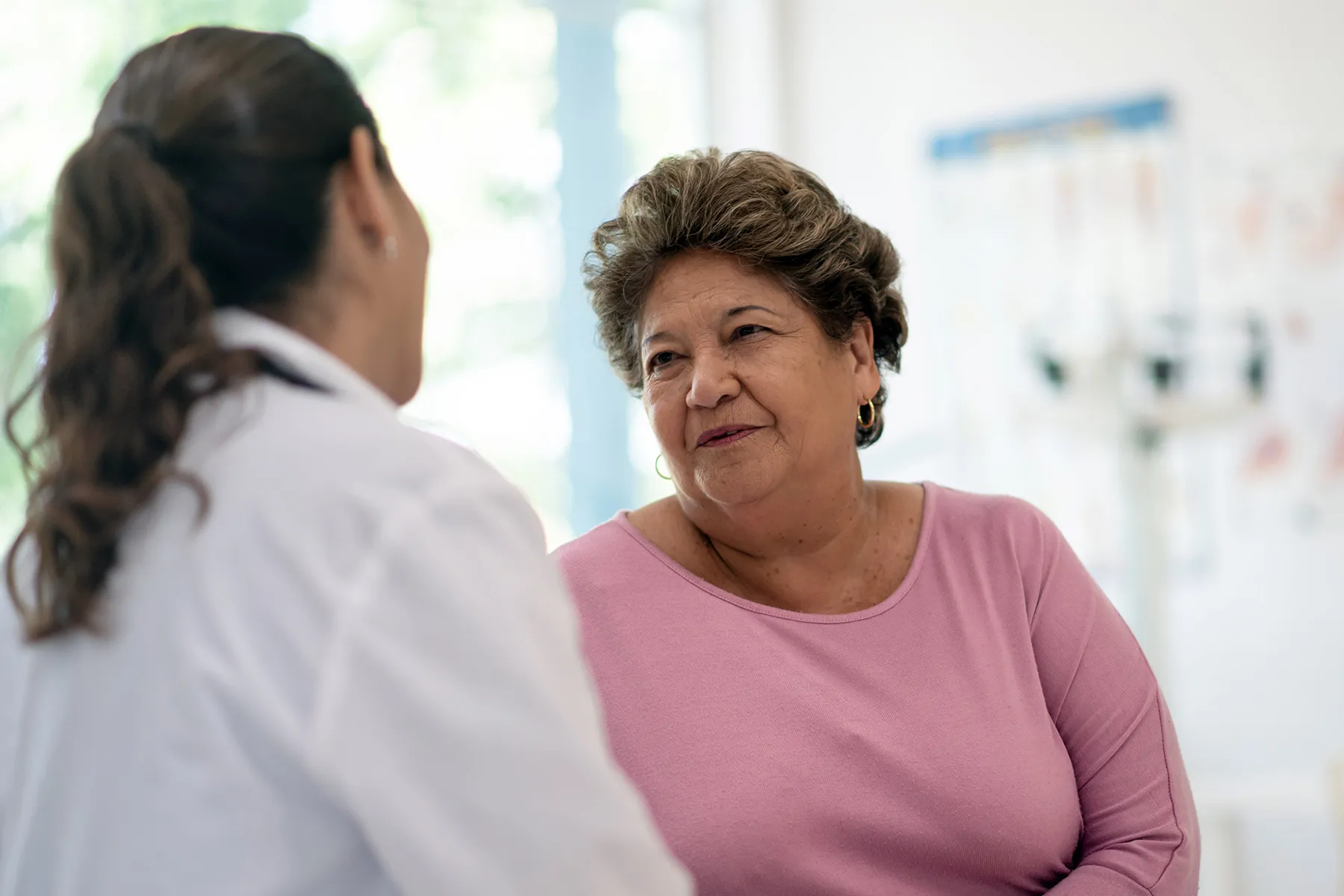
A good osteoporosis appointment starts before you walk into the office. Doctors are smart, but they are not mind readers with X-ray vision and a clipboard. Bring useful information so the visit becomes a real strategy session instead of a rushed guessing game.
Bring These Details
Write down any fractures you have had, even if they seemed minor. Include falls, height loss, back pain, posture changes, and family history of hip fractures or osteoporosis. Make a list of medications and supplements, including doses. Mention steroid use, cancer treatments, hormone therapy, seizure medications, stomach acid reducers, or any long-term medication that may affect bone health.
Also describe your diet honestly. How much calcium-rich food do you eat? Do you get vitamin D from food, supplements, or sunlight? What kind of exercise do you do? Have you fallen in the past year? Do you feel unsteady? Are there stairs, loose rugs, poor lighting, pets, or slippery bathroom floors at home? Your living room may be cozy, but if it has three trip hazards and a rebellious extension cord, your bones deserve to know.
Questions to Ask Your Doctor About Osteoporosis
The best doctor conversations are specific. Instead of asking, “Are my bones okay?” try asking questions that lead to clear answers and next steps.
Diagnosis and Risk Questions
- Do I need a DXA scan, and when should I repeat it?
- What do my T-score and Z-score mean?
- What is my estimated fracture risk?
- Do I have osteopenia or osteoporosis?
- Could any of my medications or health conditions be weakening my bones?
- Should I have blood tests for vitamin D, calcium, kidney function, thyroid function, or other causes of bone loss?
Treatment Questions
- Do I need medication, or can we start with lifestyle changes and monitoring?
- Which medication do you recommend and why?
- How much can this treatment reduce my fracture risk?
- What side effects should I watch for?
- How long would I take this medication?
- What happens if I miss a dose or need to stop?
- Should I see an endocrinologist, rheumatologist, physical therapist, or dietitian?
Understand Osteoporosis Treatment Options
Osteoporosis treatment is usually a combination of lifestyle changes, fall prevention, nutrition, exercise, and sometimes prescription medication. Your best plan depends on your age, sex, fracture history, DXA results, medical conditions, preferences, and overall risk.
Bisphosphonates
Bisphosphonates are often used as first-line medicines for many people with osteoporosis. They slow bone breakdown and can reduce fracture risk. Some are taken by mouth weekly or monthly, while others are given by IV infusion. Oral bisphosphonates often require careful instructions, such as taking them with water on an empty stomach and staying upright afterward to reduce irritation of the esophagus.
Denosumab
Denosumab is an injection usually given every six months. It slows bone breakdown and can increase bone density. One key point to discuss with your doctor is that stopping denosumab without a follow-up plan can lead to rapid bone loss in some people. Translation: this is not a medication to ghost like an awkward text message. It needs a planned strategy.
Anabolic and Bone-Building Medicines
For people at very high fracture risk, doctors may consider medications that help build new bone, such as teriparatide, abaloparatide, or romosozumab. These are typically used for specific time periods and may be followed by another medication to maintain gains in bone density. They are not for everyone, but they can be important options for people with severe osteoporosis or multiple fractures.
Other Options
Raloxifene, hormone-related therapies, and other treatments may be considered in certain cases. The choice depends on benefits, risks, age, menopausal status, fracture pattern, cancer history, blood clot risk, heart risk, and personal preferences. This is exactly why a personalized conversation matters.
Build a Bone-Smart Nutrition Plan
Calcium and vitamin D are the famous duo of bone health, but they are not magic confetti. They work best as part of a complete plan. Calcium helps build and maintain bone structure. Vitamin D helps the body absorb calcium and supports muscle function, which can also affect fall risk.
Many adults need about 1,000 to 1,200 milligrams of calcium daily from food and supplements combined, depending on age and sex. Food sources are usually preferred when possible. Calcium-rich foods include dairy products, fortified plant milks, fortified orange juice, canned salmon or sardines with bones, tofu made with calcium, almonds, and leafy greens such as kale and collards.
Vitamin D needs vary, and some people need a blood test to check their level. Food sources include fortified milk, fortified cereals, fatty fish, and egg yolks, but many people do not get enough from food alone. Supplements may help, but more is not automatically better. Too much calcium or vitamin D can cause problems, so ask your doctor what dose is appropriate for you.
Exercise for Stronger Bones and Safer Movement
Exercise is one of the most practical ways to support bone health, muscle strength, posture, and balance. The best plan usually includes weight-bearing activity, resistance training, balance work, and flexibility.
Weight-Bearing Exercise
Weight-bearing exercise means your body works against gravity while your feet and legs support you. Examples include walking, stair climbing, dancing, hiking, and low-impact aerobics. Walking is a great start, especially because it does not require fancy equipment, a gym membership, or the emotional courage to understand every machine in the weight room.
Resistance Training
Strength training helps muscles pull on bones, which can encourage bone maintenance and improve stability. Resistance bands, hand weights, machines, and body-weight exercises may all help. If you have osteoporosis, especially in the spine, ask a physical therapist or trained professional about safe form. Some twisting or forward-bending movements may not be appropriate for people at high fracture risk.
Balance and Posture
Balance exercises can reduce fall risk. Tai chi, heel-to-toe walking, supported single-leg stands, and physical therapy exercises may help. Posture training matters too, especially for people with spine fractures or rounded upper back posture. The goal is not to become a circus acrobat. The goal is to move confidently, safely, and consistently.
Prevent Falls Like Your Bones Depend on It
Osteoporosis makes fractures more likely, but falls often provide the opportunity. Fall prevention is one of the most underrated parts of osteoporosis care. Start at home, where many falls happen.
Remove loose rugs or secure them with non-slip backing. Keep walkways clear. Improve lighting in hallways, stairs, and bathrooms. Install grab bars near the toilet and shower if needed. Use non-slip mats. Keep frequently used items within easy reach so you are not climbing on chairs like a contestant in a bad idea competition.
Ask your doctor or pharmacist to review medications that may cause dizziness, sleepiness, or low blood pressure. Have your vision and hearing checked. Wear supportive shoes. If you use a cane or walker, make sure it is fitted correctly. Pride is lovely, but it does not cushion a hip.
Track Your Progress
Osteoporosis management is not a one-and-done appointment. Your doctor may recommend repeat DXA scans, lab tests, or treatment reviews. Follow-up timing depends on your risk level, treatment plan, and previous results. If you start medication, ask how success will be measured. Improved bone density is helpful, but preventing fractures is the ultimate goal.
Keep a simple bone health folder. Include DXA results, lab values, medication dates, supplement doses, exercise notes, and questions for your next visit. This does not need to be a museum-quality archive. A folder, notebook, or phone note can work. The best system is the one you will actually use.
When to Call Your Doctor Sooner
Do not wait for your next routine visit if you have sudden back pain, height loss, a new fracture, worsening balance, repeated falls, or side effects from medication. Also call if you are planning dental surgery while taking certain osteoporosis medicines, if you cannot tolerate your medication, or if you are thinking about stopping treatment. Your doctor can help adjust the plan safely.
How to Talk So Your Doctor Really Hears You
Medical visits can feel rushed, and osteoporosis can involve numbers, risks, and medication names that sound like they were invented during a spelling contest. You can make the conversation easier by being direct.
Try saying: “I want to understand my fracture risk and what I can do to lower it.” Or: “I am worried about medication side effects, but I also want to avoid fractures. Can we compare the risks and benefits?” Another useful phrase is: “What are the top three things I should do before our next visit?”
If you do not understand something, say so. A good healthcare provider would rather explain it clearly than have you leave confused. You are not being difficult. You are being responsible. Bones may be quiet, but patients do not have to be.
Real-Life Experiences: Taking Control of Osteoporosis One Appointment at a Time
Many people first confront osteoporosis after a surprising moment: a wrist fracture from a small fall, a spine compression fracture after lifting something ordinary, or a DXA scan ordered because a doctor noticed height loss. The emotional reaction is often the same: “Wait, my bones were doing what?” It can feel unfair, confusing, and a little scary. But that first moment can also become the beginning of a much stronger plan.
One common experience is learning to become more prepared for medical visits. A patient may arrive at the first appointment with only a vague idea that their bones are “thin.” By the second visit, they bring a medication list, questions about calcium, a copy of their DXA report, and notes about a parent’s hip fracture. Suddenly, the conversation becomes more useful. The doctor can explain whether the fracture risk is low, moderate, high, or very high. Treatment stops feeling like a random prescription and starts feeling like a decision with a purpose.
Another experience involves changing exercise habits. Someone who has always thought of exercise as punishment may discover that bone-friendly movement does not have to be miserable. A daily walk after dinner, two strength-training sessions a week, and a few balance exercises near the kitchen counter can become realistic. The first week may feel awkward. The second week feels less dramatic. By the third week, the person may notice better confidence on stairs. No fireworks, no movie montage, just steady progress.
Nutrition changes can also feel surprisingly practical. Instead of swallowing a handful of supplements and hoping for superhero bones, many people learn to count calcium from food first. Breakfast might include fortified milk or yogurt. Lunch might add leafy greens or tofu. Dinner might include salmon. Supplements, if needed, become a targeted addition rather than a guessing game. This approach also gives the doctor better information: “Here is what I actually eat most days. How much more do I need?”
Medication decisions are another major part of the experience. Some people feel nervous when they read about rare side effects online. That is understandable. The internet can turn one side effect into a horror movie franchise by breakfast. A better approach is to ask the doctor: “What is my risk of fracture without treatment? What is the risk of serious side effects with treatment? What symptoms should I report?” This creates a balanced conversation. For many patients at high risk, the benefit of preventing fractures may outweigh the small risk of rare complications.
Fall prevention often becomes personal after someone looks around their home with fresh eyes. The decorative rug in the hallway suddenly looks less charming and more like a tiny carpet trap. The dim stairway becomes a fixable hazard. The shower gets a non-slip mat. Shoes with poor support move to the back of the closet. These changes are not glamorous, but neither is explaining to an emergency room nurse that the cat, the rug, and gravity formed a temporary alliance.
Perhaps the most powerful experience is realizing that osteoporosis care is a partnership. The doctor brings medical knowledge. The patient brings daily reality: food preferences, budget, fears, routines, transportation, side effects, and motivation. The best plan respects both. Taking control does not mean controlling every outcome. It means asking better questions, following through on agreed steps, and speaking up when something is not working.
Over time, many people become less afraid and more engaged. They learn their numbers. They repeat scans when recommended. They take medication correctly or discuss alternatives if needed. They build strength gradually. They prevent falls more intentionally. They stop thinking of osteoporosis as a mysterious diagnosis and start treating it as a manageable health project. That shift matters. Confidence, like bone, can be rebuilt with steady support.
Conclusion
Osteoporosis may be silent, but your response to it should be clear, informed, and active. Start by understanding your risk factors. Ask whether you need a DXA scan. Learn what your results mean. Talk openly with your doctor about nutrition, exercise, fall prevention, medications, side effects, and follow-up. Build habits that support your bones every day, and do not ignore new fractures, sudden back pain, or frequent falls.
The main message is simple: osteoporosis is not something you merely “have.” It is something you can manage. With the right plan, you can lower fracture risk, stay active, and protect your independence. Your bones support you every day. It is only fair to return the favor.













