
Editorial note: Public details on the original Nantyffin Wool Blanket are limited. This article carefully separates known product information from broader wool blanket guidance, styling ideas, and ownership experience.
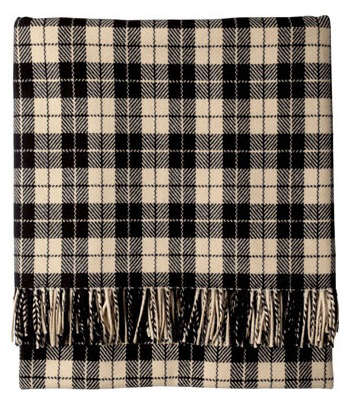
The Nantyffin Wool Blanket is the kind of home textile that makes minimalists nod quietly, design lovers lean closer, and cold toes send a thank-you card. Public references describe it as a wool blanket associated with Hancock Shaker Village and featured in Remodelista’s design archive. An earlier Remodelista feature connected the Nantyffin Wool Blanket with UK-based TOAST and described it in an elegant ecru-and-black colorway. That is not a lot of product data, but it is enough to tell us something important: this blanket belongs to the world of simple, useful, quietly beautiful objects.
In a market full of synthetic throws that look cozy online but behave like clingy plastic clouds in real life, a wool blanket still feels refreshingly honest. Wool has body. It has warmth. It has texture. It does not need to scream “luxury” in glittery letters because it is too busy doing the practical work of keeping humans comfortable. The Nantyffin Wool Blanket fits that tradition: understated, natural, and easy to imagine draped over a bed, folded on a bench, or wrapped around shoulders during a chilly evening.
What Is the Nantyffin Wool Blanket?
The Nantyffin Wool Blanket appears in design archives as a wool blanket in the category of blankets, throws, and quilts. It has been listed with Hancock Shaker Village as the retailer, and public listings indicate that it is currently unavailable. Remodelista’s older coverage described the blanket as ecru and black, priced at £95 at the time, and part of a selection of blankets from TOAST that could work indoors or outdoors.
Because the product is no longer widely available through current retail listings, buyers searching for it today should treat it as an archived, discontinued, or hard-to-find design item rather than a standard in-stock blanket. That does not make it less interesting. If anything, it gives the Nantyffin Wool Blanket the appeal of a quietly collectible home object: the sort of thing you hunt down because it looks right, feels right, and does not look like it was designed by an algorithm after drinking three espressos.
Why Wool Still Matters in a Modern Home
Wool has survived centuries of home use for one excellent reason: it works. It insulates by trapping air within its fibers, helping hold warmth without needing excessive bulk. At the same time, wool is breathable and can manage moisture better than many synthetic materials. In plain English, it keeps you warm without always turning you into a baked potato.
That balance is exactly why wool blankets remain popular in bedrooms, cabins, reading corners, guest rooms, and outdoor-adjacent spaces such as covered porches. A good wool blanket can feel substantial without feeling suffocating. It can be decorative without becoming useless. And when cared for properly, it can last for years, even decades. That kind of longevity gives wool an advantage over trendy throws that look charming for one season and then mysteriously become “the dog blanket.”
Natural Insulation
The main reason people reach for wool is warmth. Wool fibers have a natural crimp that helps create tiny pockets of air. These pockets slow heat loss and create insulation. A Nantyffin-style wool blanket, especially in a classic neutral palette, would be ideal for layering at the foot of a bed or keeping nearby in a living room when the thermostat becomes a family debate.
Breathability and Moisture Control
Wool can absorb and release moisture while still feeling relatively dry to the touch. That makes it useful in changing conditions: cool mornings, damp evenings, drafty old homes, or bedrooms where one person sleeps like an arctic fox and the other sleeps like a toaster oven. The result is comfort that feels more balanced than heavy synthetic fleece.
Durability and Long-Term Value
A wool blanket is rarely the cheapest option, but it often wins the long game. The fibers are resilient, the material resists everyday wear, and the look does not expire every time a new micro-trend wanders through social media. A simple ecru-and-black wool blanket can fit farmhouse, Shaker-inspired, Scandinavian, rustic, modern, cottage, and minimalist interiors without needing to change costumes.
The Beauty of the Ecru and Black Colorway
The archived description of the Nantyffin Wool Blanket mentions an ecru and black design. That pairing is one of the most useful combinations in home styling. Ecru softens the contrast, while black gives structure. Together, they offer graphic interest without shouting across the room.
In a white bedroom, an ecru-and-black wool blanket adds depth. On a dark sofa, it brings brightness. In a wood-heavy cabin or rustic interior, it introduces a clean line that keeps the room from looking too heavy. In a modern apartment, it adds organic texture so the space does not feel like a showroom where nobody is allowed to eat crackers.
How to Style a Nantyffin Wool Blanket
A blanket like this does not need complicated styling. Its strength is quiet utility. Still, a few smart placements can make it look intentional rather than like someone got cold and abandoned evidence.
At the Foot of the Bed
Fold the blanket lengthwise and place it across the lower third of the bed. This works especially well with white, cream, charcoal, oatmeal, or linen bedding. The ecru-and-black palette creates a crisp visual anchor, while the wool adds warmth and texture. For a relaxed look, let one corner fall slightly. For a more tailored look, align it neatly with the mattress edge.
Over a Sofa or Lounge Chair
Drape the blanket over the back of a sofa, especially if the upholstery is plain. Wool brings texture, and the black detail can echo other accents in the room, such as picture frames, lamp bases, cabinet hardware, or a coffee table. This is one of the easiest ways to make a living room feel finished without buying twelve decorative pillows and then having nowhere to sit.
In a Reading Nook
A wool blanket belongs near books, lamps, and hot drinks. Place it in a basket beside a chair or fold it over an ottoman. The Nantyffin Wool Blanket’s heritage feel would pair beautifully with wood furniture, leather seating, handmade ceramics, and simple lighting.
For Covered Outdoor Spaces
Older coverage suggested that TOAST’s blanket selection could work indoors or outdoors. For a wool blanket, the safest interpretation is covered, fair-weather use: a porch, patio chair, picnic bench, or fireside seat where the blanket is protected from rain, mud, and prolonged direct sunlight. Wool can handle real life, but it is not asking to be left outside like a garden hose.
What Makes It Feel Heritage-Inspired?
The Nantyffin Wool Blanket’s connection in public listings with Hancock Shaker Village adds an interesting design context. Shaker design is widely admired for simplicity, utility, proportion, and honest materials. While that does not prove the blanket was made by Shakers or designed as a Shaker reproduction, it does place the product in a world where function and beauty are expected to shake hands politely.
That matters because many of the best blankets are not flashy. They are useful first and beautiful because of that usefulness. A heritage-style wool blanket does not depend on novelty. It depends on material, proportion, and repeat use. The more often it appears in daily life, the better it looks.
Nantyffin Wool Blanket vs. Synthetic Throws
Synthetic throws are popular because they are affordable, soft, and easy to wash. There is nothing wrong with that. Sometimes you need a blanket that can survive popcorn, pets, and a suspicious amount of hot chocolate. But wool occupies a different category.
A wool blanket usually feels more structured and breathable. It tends to regulate temperature better, especially in cool or variable conditions. It also carries a more natural, textured look that works well in design-focused interiors. The trade-off is care. Wool asks for gentle treatment. It does not enjoy hot water, harsh detergent, aggressive agitation, or tumble drying. In other words, wool is not difficult; it just has boundaries. Honestly, relatable.
How to Care for a Wool Blanket
Proper care is the difference between a wool blanket becoming a long-term household favorite and becoming a tiny felted rectangle suitable only for a very stylish hamster. Always check the care label first, especially with vintage, discontinued, or secondhand items.
Air It Out First
Wool does not need frequent washing. Often, airing the blanket outdoors in shade or in a well-ventilated room is enough to refresh it. This helps remove odors and moisture without stressing the fibers.
Brush Gently
Use a soft garment brush to remove surface dust and align the fibers. Brush in one direction rather than scrubbing back and forth. This helps the blanket keep a smooth, cared-for appearance.
Spot Clean Quickly
If liquid spills on the blanket, blot it rather than rubbing. Use a small amount of mild wool-safe detergent and cool or lukewarm water. Rubbing can push the stain deeper or roughen the surface.
Wash Sparingly
If the care label allows machine washing, use a wool or delicate cycle, cold water, and a wool-safe detergent. If the label recommends dry cleaning, follow that instruction. Older or hard-to-replace blankets deserve extra caution.
Never Tumble Dry
Heat and agitation can shrink or distort wool. Air dry the blanket flat or draped evenly over a sturdy line away from direct sunlight. Support the weight of the wet blanket so it does not stretch out of shape.
Buying Tips for a Nantyffin Wool Blanket Today
Because the Nantyffin Wool Blanket appears to be unavailable through current public retail listings, finding one may require patience. Search vintage marketplaces, estate sales, design resale platforms, and secondhand home textile shops. When you find a listing, ask for clear photos of the label, full dimensions, fiber content, edge condition, stains, holes, odors, and any signs of moth damage.
Do not rely on the name alone. Since public details are limited, verify whether the item actually matches the known description: wool material and an ecru-and-black appearance. If the seller claims rare provenance, request proof. A beautiful blanket is still beautiful without a dramatic backstory, but your wallet deserves facts, not fog machines.
Who Will Love the Nantyffin Wool Blanket?
This blanket is best suited for people who appreciate natural materials, quiet design, and practical beauty. It is not the right choice for someone who wants a slippery, ultra-plush synthetic throw that can be tossed into a hot dryer every week. It is ideal for someone who enjoys wool’s texture, understands gentle care, and wants a blanket that feels more like a household object than a seasonal accessory.
Interior design fans will appreciate its neutral contrast. Minimalists will appreciate its restraint. Cottage-style decorators will appreciate its warmth. Anyone with cold feet will appreciate the fact that wool does not need a motivational speech before doing its job.
Experiences With a Nantyffin-Style Wool Blanket
Living with a blanket like the Nantyffin Wool Blanket is less about one dramatic moment and more about a hundred small comforts. The first experience is visual. You bring it into a room, fold it across a bed or sofa, and suddenly the space looks more grounded. The ecru-and-black palette has a way of organizing nearby colors. Cream walls look warmer. Wood tones look richer. Black accents feel more intentional. Even an ordinary chair starts behaving like it has read a design magazine.
The second experience is tactile. Wool does not feel like synthetic fleece, and that is part of its charm. It has a natural grip and substance. When you pull it around your shoulders, it feels protective rather than slippery. It does not slide off every three seconds like a dramatic cape in a low-budget theater production. It stays where you put it, which is a small but underrated household miracle.
On a chilly morning, a wool blanket earns its keep quickly. Imagine making coffee before the house has fully warmed up. You wrap the blanket around yourself, stand near the kitchen counter, and suddenly the day feels less rude. The blanket does not need to be enormous or flashy. It simply creates a pocket of warmth while the rest of the world gets its act together.
In the evening, the experience changes. A Nantyffin-style wool blanket becomes part of the room’s rhythm. It waits on the sofa during a movie, folds across your lap while reading, or sits at the foot of the bed as an extra layer. Guests notice it without necessarily commenting right away. Then someone eventually asks, “Where did you get that blanket?” That is the quiet power of a good wool throw: it does not beg for attention, but it gets remembered.
There is also the seasonal experience. In fall, it feels decorative and useful. In winter, it becomes essential. In spring, it works as a lighter layer when comforters feel too heavy. Even in summer, it can stay folded nearby for cool nights, air-conditioned rooms, or outdoor seating after sunset. A good wool blanket is not a one-season guest. It pays rent all year.
Care becomes part of the experience too. Wool teaches you to slow down. You air it instead of automatically washing it. You brush it gently. You fold it properly. You learn that not every household item needs to be treated like gym socks. That small shift can make a home feel more intentional. Objects last longer when we treat them like they matter.
The most satisfying experience is emotional. A wool blanket can become attached to memory: the chair where you read during rain, the guest room where friends stayed, the porch evening when conversation lasted longer than expected, the winter morning when staying warm felt like a victory. The Nantyffin Wool Blanket, with its simple material and restrained design, has exactly that kind of potential. It is not just decoration. It is atmosphere, comfort, and utility woven into one handsome piece.
Conclusion
The Nantyffin Wool Blanket is a niche, archived design piece with limited public product information, but its appeal is easy to understand. Known references point to a wool blanket in an ecru-and-black colorway, once highlighted in design coverage connected with TOAST and listed through Hancock Shaker Village. Beyond those facts, the blanket represents something broader: the lasting value of natural materials, simple design, and home goods made to be used rather than merely displayed.
For anyone drawn to heritage interiors, Shaker-inspired restraint, or beautifully practical textiles, a Nantyffin-style wool blanket offers a strong lesson in quiet luxury. It does not need loud branding. It does not need complicated styling. It only needs a chair, a bed, a chilly evening, and someone smart enough to appreciate wool doing what wool does best.













