
Some tools look ordinary until you use them for exactly what they were made to do. Then suddenly, they feel like tiny miracles with handles. The Opinel mushroom knife is one of those tools. At first glance, it may look like a charming folding pocket knife that wandered out of a French countryside picnic. But in the hands of a mushroom hunter, gardener, camper, or fungi-curious cook, it becomes something much more specific: a clean-cutting, dirt-brushing, field-ready companion for harvesting mushrooms without turning your basket into a muddy science experiment.
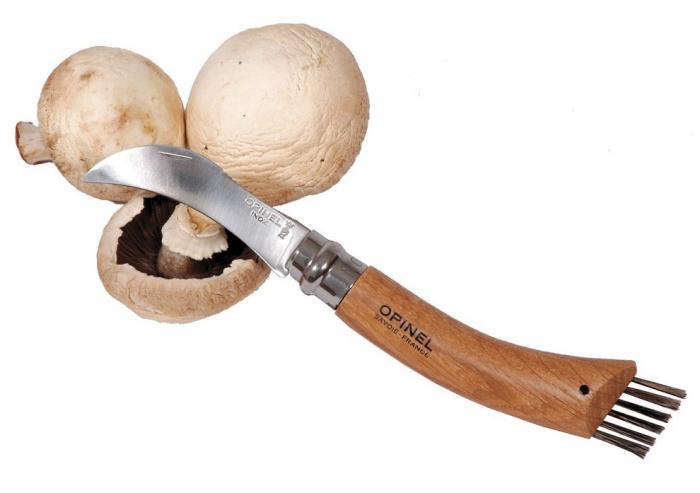
Opinel mushroom knives are best known for the No.08 Mushroom Knife, a specialty folding knife designed for foraging wild mushrooms such as morels, chanterelles, porcini, oyster mushrooms, lobster mushrooms, and other edible fungi. Its curved stainless steel blade, serrated scraping spine, beechwood handle, and natural bristle brush work together like a tiny outdoor prep station. It cuts, trims, scrapes, and brushes before your mushrooms ever reach the kitchen. In other words, it helps keep the forest in the forest and the dinner on the plate.
What Is an Opinel Mushroom Knife?
An Opinel mushroom knife is a folding foraging knife made specifically for picking and cleaning mushrooms in the field. Unlike a standard pocket knife, it is not designed only for slicing. It is shaped around the real problems mushroom foragers face: tight growing spaces, delicate caps, dirty stems, pine needles, leaf litter, and the eternal mystery of how one tablespoon of soil can hide in one chanterelle.
The classic Opinel No.08 Mushroom Knife usually features a curved stainless steel blade of about 3 inches, an overall open length of roughly 7.25 inches, a comfortable wooden handle, a Virobloc safety ring, and a brush built into the end of the handle. The blade is compact enough for precision work but useful enough to handle common edible mushrooms, from thick-stemmed porcini to fragile morels.
Why Mushroom Hunters Like Opinel Knives
Foragers tend to be practical people. They may admire pretty gear, but if it does not work, it gets left at home next to the unused camping mug and the compass nobody learned to read. Opinel mushroom knives have earned a loyal following because they solve several field problems at once.
The Curved Blade Makes Cleaner Cuts
The curved blade is one of the main reasons mushroom hunters choose this knife. Mushrooms often grow close to logs, moss, soil, or clusters of other mushrooms. A straight blade can work, but a curved blade helps you reach the base of the stem and pull through with more control. That matters when harvesting delicate fungi or trimming a dirty base before placing the mushroom in your basket.
A clean cut can also make kitchen prep much easier. Instead of bringing home whole clumps of soil, roots, and forest debris, you can trim the base in the field. Your future self, standing at the sink after a long hike, will thank you with emotional sincerity.
The Serrated Back Helps Scrape Dirt and Tough Stems
Many Opinel mushroom knives include a serrated edge along the back of the blade. This is not meant to be a saw for chopping firewood or battling tree roots like a woodland action hero. Its purpose is more refined: scraping dirt, removing stubborn debris, and cleaning tough stem surfaces.
For mushrooms with caked-on soil, the serrated spine can loosen grime before the brush finishes the job. This small detail is one of the reasons the knife feels purpose-built rather than merely decorative.
The Built-In Brush Is the Unsung Hero
The brush at the end of the handle may look adorable, but it is not just there for woodland charm. It helps remove dirt, sand, pine needles, insects, and bits of leaf litter from caps and gills. Cleaning mushrooms in the field is especially useful because mushrooms absorb moisture easily. The less washing you need to do later, the better their texture often remains.
A brush is especially helpful for chanterelles, morels, porcini, and oyster mushrooms. These mushrooms can hide debris in folds, ridges, pores, or gills. A gentle brushing in the woods prevents your harvest bag from becoming a dirt redistribution program.
Key Features of the Opinel No.08 Mushroom Knife
The Opinel No.08 Mushroom Knife is the model most people think of when they search for Opinel mushroom knives. It combines the brand’s traditional folding knife design with features made for mushroom hunting.
Stainless Steel Blade
The blade is commonly made from stainless steel, which is practical for outdoor use because it resists corrosion better than carbon steel. Mushroom foraging often involves damp forests, wet grass, rainy mornings, and muddy hands. A stainless steel blade is easier to maintain in these conditions, though it should still be cleaned and dried after use.
Beechwood Handle
The beechwood handle is classic Opinel: simple, lightweight, warm in the hand, and comfortable during repeated use. Wood also gives the knife a traditional appearance that feels right at home beside a basket, field guide, and slightly smug sandwich.
Virobloc Safety Ring
Opinel’s Virobloc safety ring is a rotating collar that helps lock the blade open during use and closed during transport. For a folding knife carried in a pocket, pack, or foraging basket, this feature is important. A knife should be sharp when you want it sharp, not when it is surprising your thumb.
Compact Folding Design
The folding design makes the knife easy to carry. It can fit into a backpack pocket, foraging pouch, camp kitchen kit, or picnic basket. Compared with larger fixed-blade knives, the Opinel mushroom knife feels lightweight and approachable, especially for casual foragers and weekend hikers.
Opinel Mushroom Knife vs. Regular Pocket Knife
A regular pocket knife can harvest mushrooms. So can a small kitchen knife, a paring knife, or in desperate circumstances, the edge of a credit card and a lot of optimism. But a mushroom knife makes the job cleaner and more efficient.
The biggest difference is specialization. A regular pocket knife usually has a straight blade and no brush. The Opinel mushroom knife has a curved blade for better stem access, a scraping spine for debris, and a brush for field cleaning. These details may sound small, but mushroom foraging is a game of small details. One clean trim in the forest can save five minutes at the sink.
Who Should Buy an Opinel Mushroom Knife?
An Opinel mushroom knife is a smart choice for anyone who regularly gathers mushrooms, whether in the wild, in a garden, or from a cultivated mushroom log at home. It is especially useful for people who enjoy edible mushroom foraging and want a dedicated tool that is compact, attractive, and reasonably easy to maintain.
Beginner Foragers
Beginners often focus on identification, and rightly so. No knife can turn a dangerous mushroom into a safe one. But once you are learning with experts, field guides, or a local mycology group, a mushroom knife helps you practice clean harvesting habits from the start.
Experienced Mushroom Hunters
Experienced foragers appreciate tools that save time without adding weight. The Opinel mushroom knife is light enough to carry all day and precise enough for careful harvesting. It also encourages field cleaning, which keeps baskets neater and reduces kitchen work later.
Gardeners and Home Growers
You do not have to be deep in a national forest to use a mushroom knife. People growing oyster mushrooms, shiitake, lion’s mane, wine caps, or other edible mushrooms at home can use the same curved blade and brush for harvesting and tidying.
Camp Cooks and Outdoor Food Lovers
If your idea of camping includes actual cooking instead of ripping open a protein bar and calling it rustic cuisine, an Opinel mushroom knife can be handy. It works for mushroom prep, light trimming, picnic tasks, and careful outdoor food handling.
How to Use an Opinel Mushroom Knife
Using an Opinel mushroom knife is simple, but a few habits make it safer and more effective.
Open and Lock the Blade
Open the blade fully and rotate the Virobloc ring to lock it in place. This keeps the blade from folding during use. Before placing it back in your pocket or basket, clean the blade, close it carefully, and lock it closed if your model allows.
Cut Near the Base
For mushrooms growing from soil, moss, or wood, cut close to the base using a controlled pulling motion. Avoid hacking or tearing. For mushrooms growing on logs, a careful cut can help protect the wood surface and prevent unnecessary damage to the growing area.
Trim Dirty Ends in the Field
Before adding mushrooms to your basket or bag, trim off heavily soiled stem bottoms. This keeps dirt from spreading to cleaner mushrooms. Think of it as taking off muddy boots before entering the house, except the house is your dinner.
Brush Before Packing
Use the bristle brush to remove loose dirt and debris. Be gentle with delicate mushrooms. Morels, chanterelles, and oyster mushrooms can bruise or break if handled roughly.
Responsible Mushroom Foraging Matters
A mushroom knife is useful, but knowledge is more important. Wild mushroom identification can be difficult, and some toxic mushrooms resemble edible species. Never eat a mushroom unless you are completely certain of its identification. Beginners should learn from experienced foragers, local mycology clubs, extension resources, or trained guides.
Responsible foraging also means respecting land rules. Some parks, forests, and private properties restrict or prohibit mushroom collecting. Always check regulations before harvesting. Take only what you can use, leave some mushrooms behind, and avoid trampling fragile habitats. The loudest tool in the woods should not be your ego.
How to Care for an Opinel Mushroom Knife
Good care keeps the knife sharp, clean, and ready for the next mushroom season. Because the handle is wood, avoid soaking the knife in water. Wash the blade by hand with warm water and mild soap, keeping the handle as dry as possible. Dry the blade completely before closing it.
Do not put an Opinel mushroom knife in the dishwasher. Heat, detergent, and prolonged moisture can damage the wood handle and affect the blade. After damp trips, open the knife at home, wipe it down, let it dry, and check the pivot area for grit.
Sharpen the blade when it starts to drag instead of slice. A sharp knife is safer than a dull one because it requires less force. For general maintenance, a fine sharpening stone used at a consistent angle works well. The brush can be cleaned by tapping out debris and gently wiping it if needed.
What to Carry With an Opinel Mushroom Knife
A mushroom knife is only one part of a good foraging kit. You may also want a basket or breathable bag, paper bags for separating species, a field guide, a notebook, a pencil, weather-appropriate clothing, water, a map, and a fully charged phone. A small first-aid kit is never a bad idea either, especially if you are the kind of person who discovers fallen branches with your shins.
Many foragers prefer baskets because they protect delicate mushrooms from crushing and allow airflow. Paper bags can also help separate different types of mushrooms and prevent moisture buildup. Plastic bags are usually a poor choice because mushrooms can sweat, soften, and spoil faster inside them.
Pros and Cons of Opinel Mushroom Knives
Pros
- Purpose-built curved blade for harvesting mushrooms cleanly.
- Integrated brush for field cleaning dirt and debris.
- Lightweight folding design for easy carrying.
- Classic beechwood handle with comfortable grip.
- Stainless steel blade offers practical corrosion resistance.
- Virobloc safety ring improves safe use and transport.
Cons
- Wood handle should not be soaked or washed in a dishwasher.
- Brush may wear over time with heavy use.
- Small blade is not meant for heavy-duty outdoor tasks.
- Not a substitute for mushroom identification knowledge.
Buying Tips: What to Look For
When buying an Opinel mushroom knife, check that you are getting a genuine model from a reputable seller. Look for clear product details such as blade material, handle material, locking mechanism, blade length, and included accessories. Some versions may come with an oak handle, sheath, or gift box, while the standard model often uses beechwood.
Also consider how you plan to carry it. If you forage often, a sheath or belt pouch can be useful. If you only use it occasionally, the standard folding knife may be enough. For gifting, the Opinel mushroom knife has strong appeal because it looks elegant, feels practical, and says, “I support your hobbies, even the ones involving damp leaves.”
Experience: What It Feels Like to Use an Opinel Mushroom Knife
The first thing you notice when using an Opinel mushroom knife is that it changes your pace. A regular pocket knife can make mushroom harvesting feel like a quick cut-and-drop task. The Opinel encourages a slower rhythm: find the mushroom, confirm it, cut carefully, brush gently, inspect again, and place it in the basket like it deserves a small ceremony. Honestly, many mushrooms do. They spend their lives hiding under leaves and then show up looking like tiny forest sculptures.
In practice, the curved blade is the feature that wins people over fastest. Imagine finding a cluster of oyster mushrooms growing from the side of a fallen log. A straight blade can feel awkward because your hand is angled against bark, stems, and surrounding wood. The curved blade lets you reach in with better control and slice through the base without crushing the cluster. That is especially helpful when the mushrooms are fresh and tender.
The brush becomes more valuable the longer you forage. At the beginning of a trip, brushing dirt off one mushroom feels almost too precious, as if you have become the personal groomer of a chanterelle. But after an hour, when your basket is still clean and your mushrooms are not rubbing grit into each other, the brush starts to feel genius. It is particularly useful for mushrooms found under leaf litter, in sandy soil, or around pine needles. A quick brush in the field can save a lot of kitchen frustration later.
Another pleasant surprise is how light the knife feels. Some outdoor tools seem designed for people who want every hike to double as strength training. The Opinel mushroom knife is different. It carries easily, opens simply, and does not dominate your kit. You can slip it into a small pocket and forget it is there until you need it. That makes it ideal for casual walks where you are not planning a major harvest but want to be prepared in case the forest decides to offer lunch.
The wooden handle also adds to the experience. It feels warmer and more natural than plastic or metal, especially in cool weather. The shape is rounded and comfortable, which matters when your hands are cold or slightly damp. Of course, wood requires care. If you leave the knife wet in a pack overnight, it will not send you a thank-you card. Drying it after use becomes part of the routine.
Using the knife also teaches better foraging habits. Because the tool includes both blade and brush, you naturally start cleaning mushrooms before packing them. You become more selective, too. Instead of tossing every questionable specimen into the basket, you pause, inspect, trim, and decide. That pause is valuable. It helps prevent damaged, soggy, bug-filled, or unidentified mushrooms from hitching a ride home.
For home mushroom growers, the experience is just as satisfying. Cutting oyster mushrooms from a grow block with a curved blade feels neat and controlled. Brushing away substrate particles before bringing the harvest to the kitchen makes the whole process cleaner. Even if your “foraging trip” is just a walk to the basement grow shelf, the right tool makes it feel more intentional.
The Opinel mushroom knife is not perfect for everything. It is not a survival knife, chopping tool, pry bar, screwdriver, or personality replacement. It is a small specialty knife for people who enjoy mushrooms and appreciate thoughtful design. But within that role, it performs beautifully. It brings together field utility, old-world charm, and just enough whimsy to make mushroom hunting feel even more enjoyable.
Conclusion
Opinel mushroom knives are popular because they are simple, useful, and genuinely designed for the way mushroom foraging works. The curved blade helps make clean cuts, the serrated back handles stubborn debris, and the built-in brush keeps dirt from following your harvest home. For beginners, the knife is a friendly entry into better field habits. For experienced foragers, it is a lightweight tool that earns its spot in the kit.
The most important point, however, is that a mushroom knife is only as good as the knowledge behind it. Use the knife to harvest cleanly, but use trusted identification skills to harvest safely. Join local experts, study carefully, respect land rules, and never eat wild mushrooms unless you are completely certain they are safe. With that foundation, an Opinel mushroom knife becomes more than a pretty folding blade. It becomes a small, reliable partner in the delicious, muddy, magical world of mushrooms.
Note: This article is based on real product specifications, established Opinel knife details, and responsible mushroom foraging best practices. Always verify local foraging rules and never eat wild mushrooms without expert-level identification confidence.













