
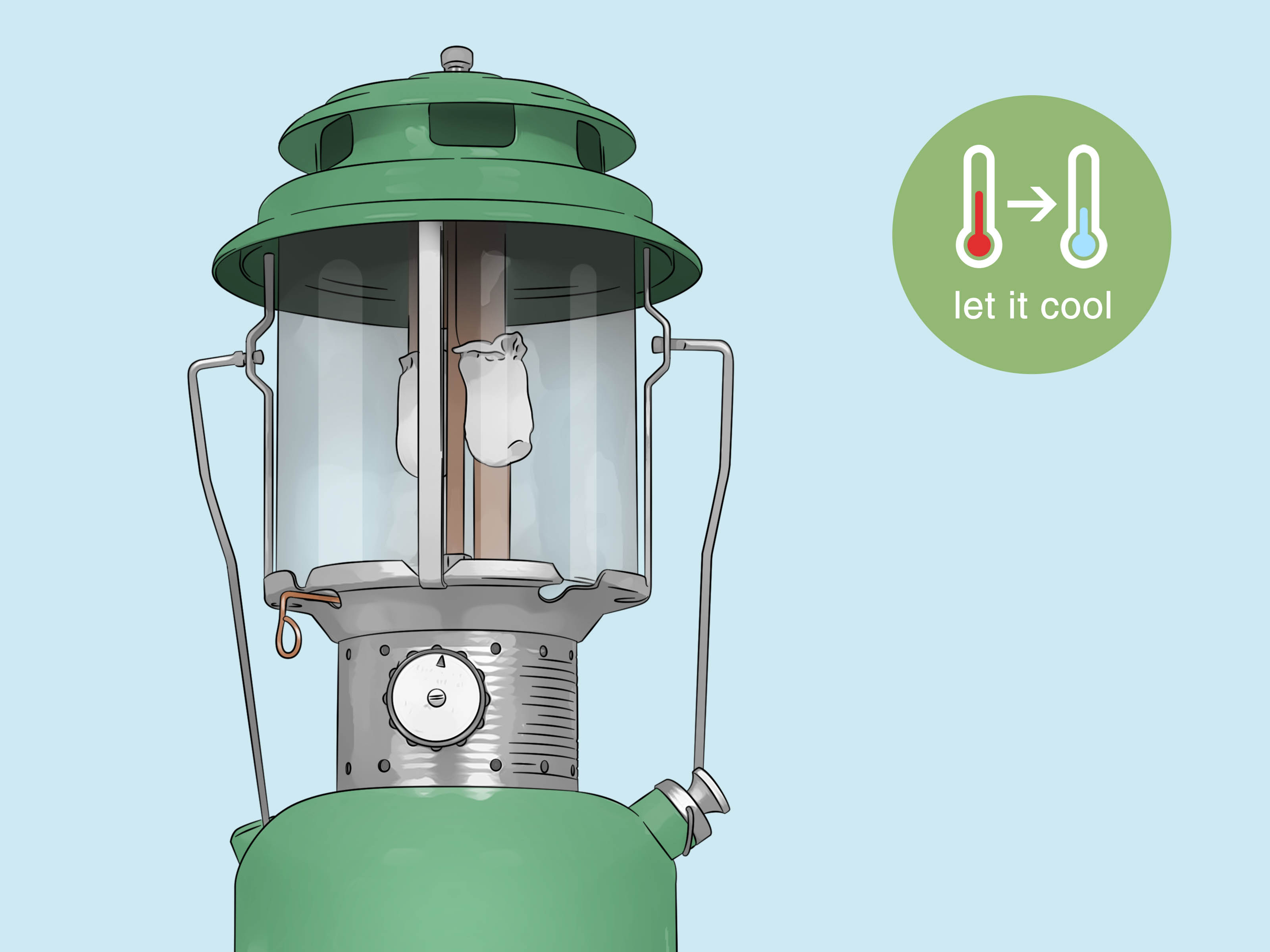
There is something undeniably dramatic about a liquid fuel lantern. It glows like a tiny sun, hums like it has opinions, and instantly makes a campsite feel less like “we are alone in the woods” and more like “we are rugged outdoor legends with excellent snacks.” But before anyone gets carried away by the romance of old-school camping gear, it is worth saying the quiet part out loud: a liquid fuel lantern is not a decorative candle with personality. It is a pressurized, fuel-burning device that deserves real respect.
If you searched for how to light a liquid fuel lantern, you are probably looking for a clear, practical guide. This article takes the safer road. Instead of giving step-by-step ignition directions, it explains what a liquid fuel lantern is, why people still love it, what can go wrong, how to prepare for safe use, and what experienced campers wish beginners knew before they ever strike a match. That means fewer cinematic mistakes, fewer singed eyebrows, and a much better chance of ending the night with light instead of regret.
Why Liquid Fuel Lanterns Still Have a Loyal Fan Club
In a world full of LED camp lights, rechargeable headlamps, and gadgets that can probably talk back if updated incorrectly, the liquid fuel lantern remains a classic. People like it because it throws strong, warm light, performs well in cold weather, and does not rely on a battery that always seems to die the exact moment someone says, “It’s fine, we still have plenty of charge.”
Many outdoor enthusiasts also appreciate the durability of traditional fuel lanterns. When maintained properly, they can last for years. Some become family gear passed from one generation to the next, along with fishing stories that somehow get bigger every summer. For campers, hunters, and cabin owners, a liquid fuel lantern can feel dependable in a way that modern plastic gear sometimes does not.
That said, nostalgia should never outrank safety. A lantern that burns liquid fuel is useful because it produces heat and light through combustion. That is exactly why it needs careful handling.
What Makes a Liquid Fuel Lantern Riskier Than a Typical Camp Light?
A battery lantern mostly asks one thing of you: remember where you put the batteries. A liquid fuel lantern asks for much more. It involves flammable fuel, pressure, heat, fragile components, ventilation concerns, and routine maintenance. If any one of those factors is ignored, the results can range from annoying to dangerous.
The biggest risks usually come from the same predictable causes: using the wrong fuel, operating the lantern near flammable materials, handling it while it is hot, ignoring leaks, storing fuel carelessly, or trying to use old equipment that clearly needed retirement several camping trips ago. Add in poor ventilation, and you have another serious concern because any fuel-burning lantern can create harmful fumes, including carbon monoxide.
In other words, this is not gear for casual improvisation. A lantern is not the place to test your personal philosophy that “instructions are just suggestions.”
Before You Use One: The Most Important Safety Checks
1. Confirm the Correct Fuel Type
Not all liquid fuels are interchangeable. That may sound obvious, but “fuel is fuel” has inspired plenty of bad decisions over the years. A lantern must only be used with the fuel specified by its manufacturer. Using the wrong fuel can damage the lantern, cause poor performance, or create a serious fire hazard.
2. Inspect the Lantern for Leaks or Damage
Before every use, look over the tank, cap, seals, generator area, globe, and frame. If something smells strongly of fuel when it should not, appears cracked, looks corroded, or feels loose, that is your sign to stop. The lantern is not being “quirky.” It is warning you.
3. Check the Mantles and Glass
Mantles are delicate and can fail if damaged or worn out. The globe should be intact, seated properly, and free of obvious cracks. Broken or unstable parts can affect the lantern’s performance and increase the risk of mishaps during operation.
4. Use It Only in a Safe Location
A liquid fuel lantern belongs outdoors or in very well-ventilated settings appropriate for its use, following the manufacturer’s guidance. It should never be placed near tents, paper goods, dry brush, loose clothing, fuel containers, or anything else that could catch fire. Stable, level ground matters too. A lantern that tips is a problem nobody wants to solve in real time.
5. Keep Children and Pets at a Distance
Lanterns are bright, warm, and fascinating, which makes them especially interesting to children and pets. Unfortunately, curiosity and hot metal are a terrible combination. Set boundaries early and clearly.
Common Mistakes Beginners Make
Most lantern trouble does not start with dramatic chaos. It starts with small shortcuts. Someone skips an inspection. Someone uses old fuel that has been sitting around forever. Someone assumes a strange odor is normal. Someone places the lantern under a low canopy because it “looks protected.” Someone tries to refill or move it too soon after use.
Another frequent mistake is treating old equipment as automatically reliable just because it used to work well. Vintage camping gear can be excellent, but age does not magically improve seals, fuel caps, valves, or mantles. If a lantern has been stored for a long time, it should be checked carefully and serviced as needed before it goes anywhere near active use.
One more mistake deserves its own spotlight: people underestimate heat. Even after the flame is out, a lantern can stay dangerously hot for quite a while. Touching it too early, packing it too soon, or setting it against other gear is a great way to turn a camping night into an unforgettable lesson no one wanted.
How to Handle Fuel Safely
Fuel safety starts long before the lantern is ever used. Store fuel in the proper labeled container, keep it sealed, and keep it away from heat sources, sparks, and open flames. Do not store it loosely in a vehicle with random camping items rolling around like they are auditioning for an action movie.
When refueling is necessary, the lantern should be completely off, cool to the touch, and away from any ignition source. Spills should be cleaned immediately, and fuel-soaked items should never be ignored. Good ventilation matters during handling, and fuel should always be kept out of reach of children.
Also, do not get creative with storage. A soda bottle is not a fuel can. A mystery jug in the garage is not “close enough.” Proper containers exist for a reason.
Ventilation Is Not Optional
One of the biggest misunderstandings around fuel-burning lanterns is that light equals safety. It does not. A bright lantern can still be a hazard in enclosed or poorly ventilated spaces. Combustion produces gases, and carbon monoxide is particularly dangerous because you cannot see it and often cannot smell it. That means a space can feel calm while still being unsafe.
That is why people should never treat a liquid fuel lantern like an indoor décor piece, an emergency room light for sealed spaces, or a tent accessory for cozy vibes. Cozy vibes are wonderful. Carbon monoxide is not. If safe ventilation is uncertain, do not use the lantern there.
Maintenance Matters More Than People Think
A well-maintained lantern is usually easier to operate, more reliable, and less likely to create trouble. Regular cleaning, replacing worn mantles, inspecting seals, checking the fuel cap, and following the manufacturer’s maintenance schedule can make an enormous difference.
Routine care also helps you notice issues before they become hazards. A tiny crack, weak seal, or corroded part is much easier to deal with on a workbench than at dusk when everyone is hungry and the campsite is getting dark. Maintenance is not glamorous, but neither is emergency troubleshooting beside a picnic table.
If replacement parts are needed, use parts intended for that model whenever possible. Improvised repairs and mismatched components may seem clever in the moment, but “sort of fits” is not a great engineering standard for pressurized fuel equipment.
When You Should Not Use a Liquid Fuel Lantern
Sometimes the smartest lantern decision is not using the lantern at all. Skip it if the device is leaking, unstable, damaged, or missing key components. Skip it if weather conditions make safe use difficult. Skip it if you are in a poorly ventilated area. Skip it if the fuel type is uncertain. Skip it if you are tired enough to make sloppy decisions. Yes, that last one counts.
There are plenty of situations where a battery-powered lantern is the better choice: inside shelters, around children, during quick tasks, in areas with fire restrictions, or anytime simplicity matters more than brightness. Traditional gear is fun, but good judgment is more impressive than trying to look like the main character in a frontier novel.
A Safer Alternative to “Just Figure It Out”
If you have never used a liquid fuel lantern before, the safest path is to read the exact manual for your specific model and learn from an experienced adult who already knows the equipment. Models differ. Fuel systems differ. Maintenance needs differ. Even two lanterns that look similar can have important differences in operation and safety.
That is why generic advice from strangers, random memory, or confidence fueled entirely by optimism should never replace model-specific instructions. The right manual is far more useful than bravado, and it smells much less like accidental fuel vapor.
10 Smart Safety Habits for Anyone Using a Liquid Fuel Lantern
1. Read the manufacturer’s manual before first use.
It sounds boring, but it is still easier than learning through a preventable mistake.
2. Use only the approved fuel.
Wrong fuel can create performance problems and serious safety risks.
3. Inspect the lantern every time.
Look for leaks, loose parts, cracked glass, worn mantles, and fuel odors.
4. Keep the lantern outside or in an appropriate well-ventilated setting.
Never ignore ventilation concerns around fuel-burning devices.
5. Place it on a stable, nonflammable surface.
Wobbly placement is a terrible personality trait for a lantern.
6. Keep fuel containers far from the operating lantern.
Fuel and active flame should not be close friends.
7. Never refill while the lantern is hot.
Let it cool fully before handling fuel.
8. Keep children, pets, and loose gear away.
The lantern should not be within easy reach of curious hands, tails, or backpack straps.
9. Maintain the lantern regularly.
Small maintenance tasks help prevent bigger problems later.
10. Choose a safer light source when conditions are not ideal.
Sometimes the best lantern move is using an LED instead and calling it wisdom.
Final Thoughts
A liquid fuel lantern can be a reliable, powerful, and wonderfully old-school lighting tool when used correctly. It can also be unforgiving when handled carelessly. That is the truth at the center of every good conversation about lantern safety. The goal is not to make traditional gear sound scary for the sake of drama. The goal is to treat it with the seriousness it deserves.
If you plan to use one, the best mindset is simple: slow down, inspect everything, use the correct fuel, prioritize ventilation, and follow the exact instructions for your specific model. The smartest campers are not the ones who do risky things with confidence. They are the ones who create light without creating problems.
Field Notes and Real-World Experiences With Liquid Fuel Lanterns
Ask a few longtime campers about liquid fuel lanterns and you will hear the same theme in different voices: these lanterns can be excellent, but they reward patience and punish shortcuts. One person remembers the steady glow at a deer camp where the lantern lit the cooking table better than any flashlight. Another remembers the first time they realized how loud a fuel lantern could sound up close, humming away like a determined little machine while everyone else pretended that was completely normal. Someone else remembers discovering that old mantles are about as durable as a potato chip’s self-esteem.
Many experienced users say their respect for lantern safety did not come from reading warnings alone. It came from seeing how small mistakes create big headaches. A camper notices a faint fuel smell and learns not to shrug it off. A cabin owner stores fuel carelessly once and spends the next season becoming extremely passionate about proper containers. A family member tries to move a lantern too soon after use and instantly understands that “warm” and “still dangerously hot” can be separated by only a few seconds and a lot of regret.
There are also the quieter lessons that stick with people. One common experience is realizing that setup conditions matter more than expected. A lantern on stable ground feels routine. A lantern on a cluttered picnic table surrounded by napkins, snacks, and gear suddenly looks like a very bad idea wearing a bright glow. Another lesson is that weather changes everything. Wind, dampness, and darkness can make even basic camping tasks feel clumsy, which is why seasoned users often prepare early rather than waiting until conditions become annoying.
Then there is the ventilation lesson, which many outdoor veterans mention with unusual seriousness. People who know fuel-burning gear well tend to become very direct on this point. A lantern may seem manageable, familiar, and even comforting, but enclosed spaces change the risk entirely. That is why experienced campers are often the first ones to say, with zero poetic flair, “Nope, not in there.” When someone with years of backcountry stories suddenly sounds like a strict safety instructor, it is usually wise to listen.
What makes these experiences valuable is that they replace fantasy with judgment. The fantasy says old-school gear is automatically simple because people used it for generations. The reality says it is useful because people learned to handle it carefully. The best stories about liquid fuel lanterns are rarely about reckless brilliance. They are about calm routines, proper maintenance, and the decision to do things the safe way even when the safe way is less exciting.
And honestly, that may be the most underrated outdoor skill of all. Good camping is not about acting fearless around fire and fuel. It is about building habits that protect people, gear, and the trip itself. The brightest lantern story is not the one where everything almost went wrong and someone laughs about it later. It is the one where the light worked, dinner got cooked, the cards came out, and the night passed without drama. In camping, boring is sometimes another word for successful.













