
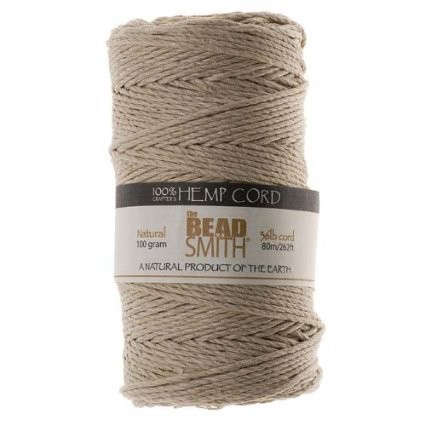
Hemp twine bead cord may sound like something you would find in a tiny drawer inside a craft shop run by a very wise grandmother, but do not underestimate it. This humble natural cord is one of the most useful materials in jewelry making, macramé, beadwork, gift wrapping, rustic décor, and handmade accessories. It is simple, strong, charmingly earthy, and surprisingly stylish when paired with the right beads.
At its core, hemp twine bead cord is a natural fiber cord made from industrial hemp. Crafters use it to string beads, tie knots, create bracelets, make necklaces, finish pendants, wrap gifts, design tags, and add texture to handmade projects. Unlike shiny synthetic cords that sometimes look like they are trying too hard, hemp cord brings an organic, relaxed look. It says, “Yes, I made this by hand,” without shouting it through a glitter megaphone.
Whether you are making friendship bracelets, boho necklaces, natural anklets, plant hangers, rustic wedding favors, or simple beaded crafts with kids, hemp twine bead cord is a practical choice. It is easy to knot, comfortable to handle, widely available, and offered in different thicknesses, colors, strengths, and finishes. The trick is knowing which type to choose and how to use it without turning your project into a tangled little spaghetti festival.
What Is Hemp Twine Bead Cord?
Hemp twine bead cord is a stringing and knotting material made from hemp fibers. In jewelry making, it is commonly used for bracelets, necklaces, anklets, pendants, macramé patterns, and bead designs. It can be natural tan, dyed, waxed, polished, or left with a more rustic texture. Some cords are thin enough for small beads, while others are thick and sturdy enough for chunky wooden beads, ceramic beads, large-hole gemstones, or decorative knots.
The word “twine” usually refers to a twisted cord made from multiple strands. In beadwork, however, people often use terms like hemp twine, hemp cord, hemp string, and hemp jewelry cord almost interchangeably. The important thing is not the label on the package but the cord’s diameter, strength, texture, and ability to pass through your beads.
Hemp cord is especially loved for macramé jewelry because it holds knots well. When you tie square knots, spiral knots, lark’s head knots, sliding knots, or simple overhand knots, the cord grips itself nicely. That means fewer slippery surprises and fewer moments where your bracelet quietly unravels while you stare at it in betrayal.
Why Crafters Love Hemp Cord for Beads
The popularity of hemp twine bead cord comes from a simple combination: it looks good, feels natural, and behaves well. That is a rare trio in craft supplies. Some materials look beautiful but are fussy. Others are strong but stiff. Hemp cord sits in the sweet spot for many handmade projects.
It Has a Natural, Handmade Look
Hemp cord gives jewelry a warm, casual, earthy appearance. It pairs beautifully with wood beads, clay beads, bone-style beads, glass beads, shell beads, stone beads, and metal charms. If your design leans boho, beachy, rustic, minimalist, cottagecore, festival-inspired, or nature-themed, hemp cord fits right in like it remembered to bring snacks.
It Is Strong for Its Size
Hemp fiber is known for durability. A good hemp bead cord can handle knotting, pulling, wrapping, and everyday wear better than many flimsy craft strings. Of course, the final strength depends on cord thickness, fiber quality, finish, and how the jewelry is worn. A delicate 0.5 mm cord is not meant to tow a boat, but for lightweight beadwork and bracelets, it can be wonderfully reliable.
It Works Well with Knots
Knots are the heart of hemp jewelry. Square knots create classic macramé bracelets. Sliding knots make adjustable closures. Lark’s head knots attach pendants or rings. Overhand knots can separate beads and create rhythm in a design. Hemp cord’s slightly grippy texture helps these knots stay in place, especially compared with very slick synthetic cords.
It Comes in Many Sizes and Colors
Natural tan hemp cord is the classic choice, but modern hemp bead cord is available in black, brown, white, green, red, blue, purple, multicolor packs, and muted earthy tones. Thin cords are useful for smaller beads, while thicker cords create bold bracelets and textured macramé pieces. This variety makes hemp cord flexible enough for both beginner crafts and more polished handmade jewelry lines.
Choosing the Right Hemp Cord Size
The most common mistake beginners make is buying cord that looks perfect on the spool but refuses to go through the beads. Beads are honest little gatekeepers. If the hole is too small, the cord is not getting through, no matter how politely you ask.
Hemp cord is often sold by diameter, such as 0.5 mm, 1 mm, 1.5 mm, or 2 mm. It may also be labeled by test strength, such as 10 lb, 20 lb, or 48 lb. While sizing can vary by brand, thinner cord is better for small-hole beads and delicate designs, while thicker cord is better for macramé, large beads, and statement jewelry.
| Cord Size | Best Uses | Bead Compatibility |
|---|---|---|
| 0.5 mm | Delicate bracelets, small charms, lightweight beadwork | Works with many smaller beads, but always test the hole size |
| 1 mm | General jewelry making, bracelets, anklets, simple necklaces | Good for many medium beads and some gemstone beads |
| 1.5 mm | Macramé bracelets, sliding knots, rustic necklaces | Best with larger-hole beads |
| 2 mm and thicker | Chunky jewelry, decorative knots, crafts, tags, wrapping | Needs large-hole beads, wood beads, or specialty beads |
For bead jewelry, always check the bead hole diameter before buying cord. If the bead listing does not mention hole size, assume nothing. A bead may look big enough to wear as a tiny planet, yet still have a hole too narrow for thick hemp cord. Wooden beads, pony beads, ceramic beads, and macramé beads usually offer more room than many gemstone beads or glass seed beads.
Waxed vs. Unwaxed Hemp Cord
Hemp twine bead cord can be waxed or unwaxed, and each type has a personality. Think of waxed cord as the neat friend who keeps a planner. Unwaxed cord is the outdoorsy friend who owns three mugs that say “campfire.”
Waxed Hemp Cord
Waxed hemp cord has a coating that smooths the fibers and helps reduce fraying. It can be easier to thread through beads, especially if you are working with a design that requires repeated passes. Waxed cord may also hold its shape better and provide a slightly more polished finish. It is a good option for bracelets, necklaces, adjustable closures, and jewelry that needs cleaner edges.
Unwaxed Hemp Cord
Unwaxed hemp cord has a more natural texture and rustic look. It is excellent for boho jewelry, gift tags, wrapping, handmade packaging, plant crafts, and designs where texture matters. It can fray more easily than waxed cord, but that can be managed with sharp scissors, a tiny bit of craft glue, or a temporary taped end while stringing beads.
If your project is jewelry that will be worn often, waxed cord may be easier to manage. If your goal is natural texture, earthy charm, or rustic decoration, unwaxed cord may be exactly what you want.
Best Beads to Use with Hemp Twine Bead Cord
Hemp cord looks best when the bead style matches its natural character. That does not mean you must live permanently in beige. It simply means the cord shines when paired with materials that complement its texture.
Wood Beads
Wood beads and hemp cord are a classic pairing. They create warm, lightweight jewelry that feels casual and organic. Use round wood beads for bracelets, oval beads for necklaces, or painted wood beads for playful designs. Large-hole wood beads are especially beginner-friendly.
Clay and Ceramic Beads
Clay and ceramic beads add color, shape, and handmade charm. A few ceramic accent beads on natural hemp cord can make a bracelet look like something from a boutique instead of a kitchen table craft session, even if the kitchen table was absolutely involved.
Stone and Gemstone Beads
Gemstone beads can work beautifully with hemp cord, especially larger-hole stones, chips, donuts, and pendants. The earthy texture of hemp balances the polished look of stone. Try jasper, turquoise-style beads, lava stone, agate, or riverstone for grounded designs.
Glass Beads
Glass beads bring shine and color. They can look striking against natural hemp, but hole size matters. Many glass beads have smaller holes, so thinner hemp cord is usually a better match.
Metal Charms and Spacers
Small metal charms, rings, and spacers can elevate hemp jewelry. Antique brass, copper, silver-tone, and matte gold finishes all pair well with natural cord. Use them sparingly for a balanced look. Hemp cord already has texture, so you do not need to decorate it like a parade float.
Popular Projects Using Hemp Twine Bead Cord
One of the best things about hemp cord is that it welcomes beginners. You do not need a studio, a torch, or a dramatic apron. A spool of cord, a handful of beads, scissors, and patience will get you surprisingly far.
Hemp Bead Bracelets
The classic hemp bead bracelet usually uses square knots or spiral knots with beads spaced along the center cords. A simple version might include two center cords, two working cords, several large-hole beads, and a button or bead closure. This is a great first project because mistakes are easy to spot and usually easy to fix.
Adjustable Hemp Necklaces
An adjustable hemp necklace can be made with sliding knots at the back. Add a pendant, donut bead, shell, crystal point, or ceramic charm to the center. The sliding closure lets the wearer change the length, which is handy if you are gifting the necklace and do not know whether the recipient prefers choker, princess, or “dramatically long artist at a weekend market.”
Boho Anklets
Hemp cord works well for casual anklets. Use small wood beads, shell beads, or glass accent beads. Because anklets deal with movement, shoes, and summer adventures, secure knots are important. Add a tiny dab of clear jewelry glue to final knots if needed.
Macramé Keychains
For a non-jewelry project, try macramé keychains. Hemp cord gives keychains a sturdy, rustic look, and beads can be added near the top or bottom. This is a good use for thicker cord and larger beads.
Gift Tags and Handmade Packaging
Hemp twine bead cord is not only for jewelry. Tie it around kraft paper packages, hang tags, jars, wedding favors, handmade soap, candles, or small gift boxes. Add one bead to the knot and suddenly the package looks intentional instead of “wrapped at midnight with emotional support tape.”
How to Prevent Fraying and Tangling
Hemp cord is natural, which means it may fray at the ends. This is normal, but it can make bead stringing frustrating. Before threading beads, cut the cord cleanly with sharp scissors. If the end starts to fuzz, wrap it tightly with a small piece of tape, dip it lightly in clear craft glue, or use a tiny amount of beeswax to smooth the fibers.
To prevent tangling, cut only the length you need and keep the spool controlled. Hemp cord has a talent for rolling under furniture when unsupervised. For bracelets, many crafters cut longer than the finished piece because knotting consumes cord quickly. Macramé patterns often require several times the finished bracelet length, especially when using square knots or spiral knots.
When in doubt, cut more cord than you think you need. Running out of cord two knots before the end is a special kind of crafting heartbreak.
Design Tips for Better Hemp Bead Jewelry
Good hemp jewelry is not just about stringing beads in a row. The best designs use spacing, texture, color, and proportion. A natural cord can look elegant when the design has breathing room.
Use Odd Numbers of Beads
Odd numbers often look balanced in jewelry design. Three accent beads, five small beads, or seven repeating beads can create a pleasing rhythm. This is not a law, just a helpful design trick. The bead police will not arrive if you use six.
Mix Textures Carefully
Hemp cord already has texture, so pair it thoughtfully. Smooth stone beads, polished wood, matte ceramic, or simple metal charms can make the cord feel intentional. Too many competing textures may make the piece look busy.
Test Wearability
Before finishing a bracelet or necklace, test how it feels. Is the cord scratchy? Are the beads too heavy? Does the knot sit comfortably? Jewelry should not feel like a tiny obstacle course attached to your wrist.
Secure the Final Knots
Hemp cord grips well, but final knots still need attention. Pull them firmly, trim the ends neatly, and consider a small touch of clear-drying glue for extra security. Avoid using too much glue, or the knot may become stiff and cloudy.
Is Hemp Twine Bead Cord Eco-Friendly?
Many crafters choose hemp cord because it is a plant-based fiber and a natural alternative to synthetic stringing materials. Industrial hemp is widely valued for its strong fibers and practical uses in textiles, rope, cordage, paper, and crafts. For makers who want a more natural look and feel, hemp cord is a smart option.
That said, “eco-friendly” depends on more than the fiber itself. Dyeing, packaging, shipping, wax coatings, and manufacturing methods all matter. If sustainability is important to you, look for cord made from natural hemp, minimal packaging, non-toxic dyes, and responsible suppliers. Buying only what you will use is also part of sustainable crafting. A drawer full of forgotten supplies is basically a tiny craft museum.
Buying Guide: What to Look For
When shopping for hemp twine bead cord, read the product details carefully. The best cord for your project depends on five things: diameter, strength, finish, color, and bead hole compatibility.
For beginner jewelry, 1 mm hemp cord is a versatile starting point. It is thin enough for many beads but still visible enough for knotting. For bold macramé bracelets, 1.5 mm or 2 mm cord may be better. For delicate beadwork, 0.5 mm cord may be the right choice.
Choose natural tan for rustic designs, black for modern contrast, white for beachy or wedding crafts, and dyed colors for playful bracelets. If you plan to make gifts or sell handmade jewelry, buy a small test spool before ordering bulk cord. Different brands can feel different in softness, stiffness, and thickness.
Common Mistakes to Avoid
The first mistake is ignoring bead holes. Always match cord size to the bead opening. The second mistake is cutting cord too short. Knotting eats length quickly, especially in macramé. The third mistake is choosing a cord that is too thick for the design. Thick cord can be beautiful, but it can also overwhelm small beads.
Another common issue is using rough cord for jewelry that touches sensitive skin. If you are making a necklace or bracelet meant for long wear, feel the cord first. Some natural hemp cords soften with handling, while others stay rustic and firm. Finally, do not skip the closure. A beautiful bracelet with a weak closure is just a future lost bracelet with good intentions.
Hands-On Experiences with Hemp Twine Bead Cord
The first thing most people notice when working with hemp twine bead cord is that it feels honest. It does not slide around like nylon, it does not sparkle like satin cord, and it does not pretend to be precious metal. It has texture, grip, and a slightly rugged personality. That makes the crafting experience feel slower in a good way. You are not just assembling jewelry; you are building it knot by knot.
For a beginner, the best first project is usually a simple beaded bracelet with square knots. You cut two shorter center cords and two longer working cords, tie a loop at the top, and begin knotting. After a few square knots, you slide on a bead, knot below it, and repeat. The rhythm becomes relaxing quickly. Left cord over, right cord under, pull snug, switch sides, repeat. At some point, your brain stops arguing with the instructions and your hands take over.
One practical lesson arrives early: cord length matters. Hemp bracelet projects often require much more cord than the final bracelet length suggests. A seven-inch bracelet may need several feet of working cord because each knot uses up material. Cutting extra cord feels wasteful until you experience the tiny tragedy of running out near the clasp. After that, extra cord feels like wisdom.
Another experience is learning how beads change the personality of the same cord. Natural hemp with dark wood beads looks earthy and outdoorsy. The same cord with turquoise-style beads feels Southwestern and summery. Black hemp with silver-tone spacers looks cleaner and more modern. White hemp with shell beads immediately wants to go on vacation. This flexibility is why many crafters keep several colors and sizes on hand.
Hemp cord also teaches patience with finishing. The final knots, trimmed ends, and closure can make or break the piece. A bracelet may look great on the board, but if the sliding knot is too tight, it becomes annoying to wear. If it is too loose, it slips. If the ends are cut unevenly, the whole piece can look unfinished. Small details matter, especially with natural materials.
The most enjoyable part is that hemp twine bead cord forgives casual creativity. You can mix leftover beads, try imperfect patterns, add a charm, change the spacing, or turn a mistake into a design feature. A crooked bead in a delicate pearl necklace may look like a disaster. A crooked bead in a hemp bracelet often looks charming, as if it has a story and possibly knows a good campfire song.
For gift making, hemp cord feels personal. A handmade bracelet or necklace made with natural cord has warmth that mass-produced accessories often lack. It does not need to be expensive to feel thoughtful. A few beads in a favorite color, a secure knot, and a simple adjustable closure can become a meaningful gift. That is the quiet magic of this material: it turns small supplies into objects with character.
Conclusion
Hemp twine bead cord is simple, useful, and full of creative potential. It works for jewelry making, macramé, bead crafts, rustic packaging, gift tags, and handmade décor. Its natural texture gives projects warmth, while its knot-friendly structure makes it approachable for beginners and satisfying for experienced makers.
The key is choosing the right cord size for your beads, deciding between waxed and unwaxed finishes, and planning enough length for knots and closures. Start with simple bracelets or necklaces, experiment with wood, ceramic, glass, stone, and metal accents, and let the cord’s earthy personality guide the design. Hemp cord may be humble, but in the right hands, it becomes wearable art with a relaxed grin.










