
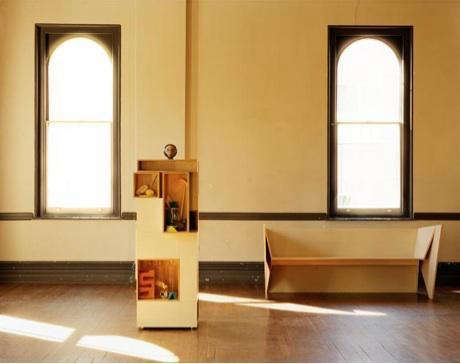
Note: This article is written in original American English for web publishing and is based on real information from reputable design, museum, craft, and architecture references.
The Quiet Genius of Australian Furniture Design
Some furniture walks into a room wearing tap shoes. Khai Liew’s furniture walks in quietly, sits down with perfect posture, and somehow becomes the most interesting person at the dinner party. That is the special charm of Khai Liew in Australia: his work does not shout for attention, yet it rewards anyone who slows down long enough to notice the line of a chair back, the rhythm of repeated timber elements, the softness of a curve, or the way a cabinet seems to hold both objects and memory.
Khai Liew was one of Australia’s most respected furniture designers, craft thinkers, and conservators. Born in Malaysia in 1952 and later based in Adelaide, South Australia, he became known for furniture that blended modernist clarity, historical knowledge, Asian design sensitivity, and the warm, practical spirit of Australian craftsmanship. His work has been collected by major public institutions, admired by architects and interior designers, and loved by clients who wanted something more meaningful than a fashionable object with four legs and a price tag wearing sunglasses.
To understand Liew’s furniture, it helps to forget the idea that a chair is “just a chair.” In his world, furniture could be functional, poetic, cultural, architectural, and even slightly mischievous. A bench could guide how people gather. A cabinet could carry a conversation between timber and ceramics. A dining table could make a house feel like it has finally found its heartbeat.
Who Was Khai Liew?
Khai Liew was a Malaysian-born Australian designer, dealer, curator, and conservator who settled in Adelaide in the early 1970s. He did not follow the typical design-school-to-brand-launch pathway. Instead, his career developed through close contact with antique furniture, restoration, historic Australian decorative arts, and the careful study of materials. In other words, he learned furniture from the inside out: not merely how it looked, but how it aged, how it failed, how it was repaired, and why certain objects remained emotionally alive long after trends had packed up and left the room.
Before establishing his own design practice, Liew worked with historic Australian furniture, especially pieces connected to colonial and Barossa traditions. This background gave him a rare advantage. He did not treat history as a dusty museum label. He treated it as a toolbox. From early Australian vernacular furniture to Scandinavian modernism, Ming Dynasty Chinese furniture, Japanese aesthetics, British Arts and Crafts, Egyptian forms, and Danish design, Liew absorbed influences without turning his work into a costume party.
His Adelaide workshop became known for one-off commissions, small-run editions, interior projects, and collaborations with skilled makers. The result was furniture that felt deeply considered: modern but not cold, handmade but not rustic, elegant but never allergic to daily life.
Why Khai Liew Matters in Australian Furniture
Australian furniture design has often had to define itself between imported European traditions, local materials, colonial history, and a contemporary design culture shaped by migration, climate, landscape, and urban life. Khai Liew helped give that conversation a refined and highly original voice.
His work matters because it made Australian furniture feel intellectually serious without making it stiff. A Liew piece could sit comfortably in a gallery, luxury lodge, private home, or public space. It could speak to collectors and still welcome a person simply looking for a place to sit. That balance is harder than it sounds. Many beautiful chairs are secretly terrible to sit in; many comfortable chairs look like they lost a fight with a marshmallow. Liew aimed for both beauty and usefulness.
A Design Language Built on Time, Place, and Culture
Liew often created furniture that responded to its setting. His designs for Southern Ocean Lodge on Kangaroo Island are a strong example. The lodge’s rugged coastal landscape called for interiors that were warm, grounded, and connected to place. Liew created bespoke furniture and lighting pieces, including circular lounges, a long solid oak bar table, lounge lamps, pendants, and the teak Jeannie bench. These were not generic luxury-hotel objects. They were pieces that helped translate the wild Southern Ocean environment into human-scale comfort.
That approach explains much of Liew’s importance. He did not design furniture as isolated sculpture. He designed relationships: between body and object, object and room, room and landscape, past and present.
The Signature Elements of Khai Liew Furniture
1. Respect for Materials
Wood was central to Liew’s practice, but he also used materials such as stone, leather, linen, grass, metal, tile, and ceramics. His choices were rarely decorative afterthoughts. Material was meaning. Timber grain, joinery, proportion, and surface finish all mattered because they shaped how a piece felt under the hand and how it matured over time.
In a world full of furniture that arrives flat-packed and emotionally unavailable, Liew’s pieces felt deliberately present. They were made to be touched, used, and lived with. The beauty came not only from form but from the evidence of making.
2. Historical Intelligence Without Nostalgia
Liew’s deep knowledge of decorative arts gave his furniture layers of reference. A cabinet might nod to English design, a chair might carry echoes of Asian construction, and a bench might suggest Australian colonial simplicity. Yet the finished objects remained contemporary. They did not look like museum reproductions. They looked like history had been invited to dinner and politely asked not to dominate the conversation.
3. Quiet Complexity
At first glance, many Khai Liew pieces appear simple. Look again, and the details begin to multiply. A repeated line creates rhythm. A backrest changes character depending on the viewing angle. A joint reveals disciplined craftsmanship. This “simple but not simplistic” quality is one of his greatest strengths.
It also makes his furniture unusually durable from a design perspective. Trend-driven pieces often reveal their expiration date quickly. Liew’s work resists that. It belongs to the long game.
4. Collaboration With Artists and Makers
Liew was not a lone-genius designer locked in a studio dramatically whispering to a plank of oak. His practice involved collaboration with craftspeople, artisans, and artists. The celebrated Collec+ors project at the Art Gallery of South Australia brought his furniture together with the practices of other makers working in ceramics, glass, and metal. These collaborations showed how furniture could become a meeting point for multiple craft languages.
Notable Works and Projects
Jeannie Bench
The Jeannie bench is among Liew’s recognizable public works. Versions of the bench have appeared in public and institutional contexts, demonstrating his ability to design seating that is both practical and sculptural. It is the kind of bench that makes people sit more thoughtfully, which is a rare achievement for an object often treated as a plank with ambition.
Bruce Cabinet on Stand
Created with ceramicist Bruce Nuske as part of the Collec+ors series, the Bruce cabinet on stand combines Liew’s refined timber design with ceramic tile work. The piece demonstrates the elegance of collaboration: clean structure, botanical decoration, subtle texture, and a strong sense of balance.
Southern Ocean Lodge Furniture
Liew’s work for Southern Ocean Lodge shows how bespoke furniture can shape the atmosphere of a destination. The circular lounges encouraged gathering, the long oak bar table became a social anchor, and the lighting contributed to a warm interior experience against a dramatic coastal backdrop. This was furniture doing what good hospitality design should do: making guests feel both impressed and completely at ease.
Alice and Friend in Wonderland
Some of Liew’s later seating designs reveal his playful side. Alice and Friend in Wonderland, connected to the imaginative world of Lewis Carroll, shows that sophistication does not have to be humorless. Good design can wink. It can also have excellent joinery while winking.
Khai Liew and the Australian Home
What can homeowners, decorators, and furniture lovers learn from Khai Liew? Quite a lot, even if most of us are not commissioning museum-level cabinets before breakfast.
First, choose furniture with emotional stamina. A good piece should not only look attractive on delivery day; it should continue to reward attention five, ten, or twenty years later. Liew’s approach reminds us that furniture should age into a home, not age out of fashion.
Second, consider proportion before decoration. Liew’s pieces often succeed because their proportions are calm and exact. The best furniture does not need to wave tiny flags to prove it has style. It simply fits the body, the room, and the rhythm of daily life.
Third, embrace material honesty. Real timber, carefully finished surfaces, visible craft, and thoughtful construction bring warmth that imitation materials often struggle to fake. This does not mean every home needs expensive custom furniture. It means buyers should pay attention to how things are made, not just how they photograph.
How to Bring Khai Liew’s Design Spirit Into Your Space
Start With One Meaningful Piece
A room does not need to become a design museum overnight. Begin with one piece that carries weight: a solid timber dining table, a handcrafted bench, a quiet cabinet, or a chair with beautiful lines. Let that object set the tone.
Mix Old and New
Liew’s work was deeply informed by historic furniture, but it remained modern. You can borrow the same idea at home by pairing contemporary seating with an antique chest, or a clean-lined table with handmade ceramics. The trick is to create conversation, not chaos. If every object is screaming for attention, your living room becomes a committee meeting with cushions.
Use Natural Materials
Timber, linen, leather, stone, and ceramic all bring tactile richness. These materials help interiors feel grounded. They also create visual warmth, especially in minimalist rooms that risk becoming too sterile.
Design for Use, Not Just Display
Liew believed furniture should be functional and beautiful. That principle is refreshingly practical. A chair should welcome the body. A table should support real meals, real work, and the occasional dramatic spreading-out of paperwork. A cabinet should store things gracefully without behaving like a decorative fortress.
The Legacy of Khai Liew in Australia
Khai Liew died in 2023, but his influence continues through his furniture, public commissions, museum collections, collaborators, and the many designers and craftspeople inspired by his example. His legacy is not simply a list of awards, although the awards are impressive. He received the South Australian of the Year Arts Award, was inducted into the Design Institute of Australia Hall of Fame, and was recognized as a Design Icon and Design Luminary.
His deeper legacy is philosophical. Liew showed that furniture can be culturally intelligent, emotionally generous, and physically useful all at once. He proved that Australian design could be local without being provincial, international without being generic, and refined without becoming precious.
In a marketplace often obsessed with novelty, Khai Liew’s work argues for patience. It asks us to notice the quality of a joint, the silence of a well-shaped surface, the way a chair can hold memory. That may sound poetic, but it is also practical. After all, we live with furniture every day. It shapes how we eat, rest, work, gather, read, argue, apologize, and place our coffee cup while pretending we are definitely not going to leave a ring.
Experience Notes: Living With the Spirit of Khai Liew’s Furniture
Spending time with furniture inspired by Khai Liew’s design philosophy changes how you look at a room. At first, you may notice the obvious things: timber, proportion, craftsmanship, and restraint. But after a while, the experience becomes more personal. You begin to understand that good furniture is not only about appearance. It affects movement, mood, and behavior.
Imagine entering a living room anchored by a long timber bench with a quiet sculptural profile. It does not demand attention like a neon sign in a tuxedo. Instead, it organizes the room. People naturally sit along it, place books beside them, or pause there while putting on shoes. The object becomes part of daily ritual. That is the kind of furniture experience Liew’s work encourages: calm, useful, and memorable.
A dining table made in this spirit also changes the atmosphere of a home. The table is not merely a surface for plates; it becomes the center of conversation. Its timber grain gives the eye somewhere to rest. Its proportions allow elbows, bowls, flowers, laptops, and late-night cups of tea to coexist peacefully. In a world where many interiors are staged for photos, this kind of table insists on real life. It says, “Sit down. Eat something. Stay a while.” Frankly, that is a more useful message than most push notifications.
Cabinets and sideboards inspired by Liew’s approach can be especially rewarding. Instead of oversized storage pieces that bully the room, they feel architectural and composed. Doors close softly. Shelves hold objects with dignity. A handmade bowl, a stack of linen, or a small collection of books suddenly feels curated rather than merely parked. The furniture helps ordinary things look cared for.
The biggest lesson is restraint. Many people decorate by adding more: more color, more accessories, more statement pieces, more pillows than any sofa can morally support. Liew’s influence suggests another path. Start with fewer, better objects. Let materials speak. Give negative space a job. Allow craftsmanship to replace clutter.
There is also an emotional experience in using furniture that feels connected to place. In Australia, where light, landscape, and lifestyle vary dramatically from coastal lodges to urban apartments, Liew’s example encourages design that belongs somewhere. A room should not feel imported wholesale from a catalog. It should acknowledge climate, views, habits, and the people who live there. That might mean a bench near a window, a table built for long meals, or a chair placed exactly where morning light arrives.
Ultimately, the experience of Khai Liew-inspired furniture is one of slowing down. You notice the hand, the grain, the line, and the silence between objects. You learn that luxury is not always glittery. Sometimes luxury is a perfectly judged chair, a table that gathers people effortlessly, or a cabinet that makes a room feel settled. That is the kind of design that stays with younot because it performs loudly, but because it quietly improves the way you live.
Conclusion
Khai Liew’s contribution to Australian furniture design is profound because it joins beauty with purpose, history with modernity, and craft with emotional intelligence. His pieces show that furniture can be more than equipment for sitting, eating, and storing. It can carry stories, shape spaces, and bring a sense of cultural depth into everyday life.
For anyone interested in Australian furniture, contemporary craft, bespoke interiors, or timeless design, Khai Liew remains an essential figure. His work reminds us that the best furniture does not merely fill a room. It gives the room a soul, preferably one with excellent posture and a very nice timber finish.














