
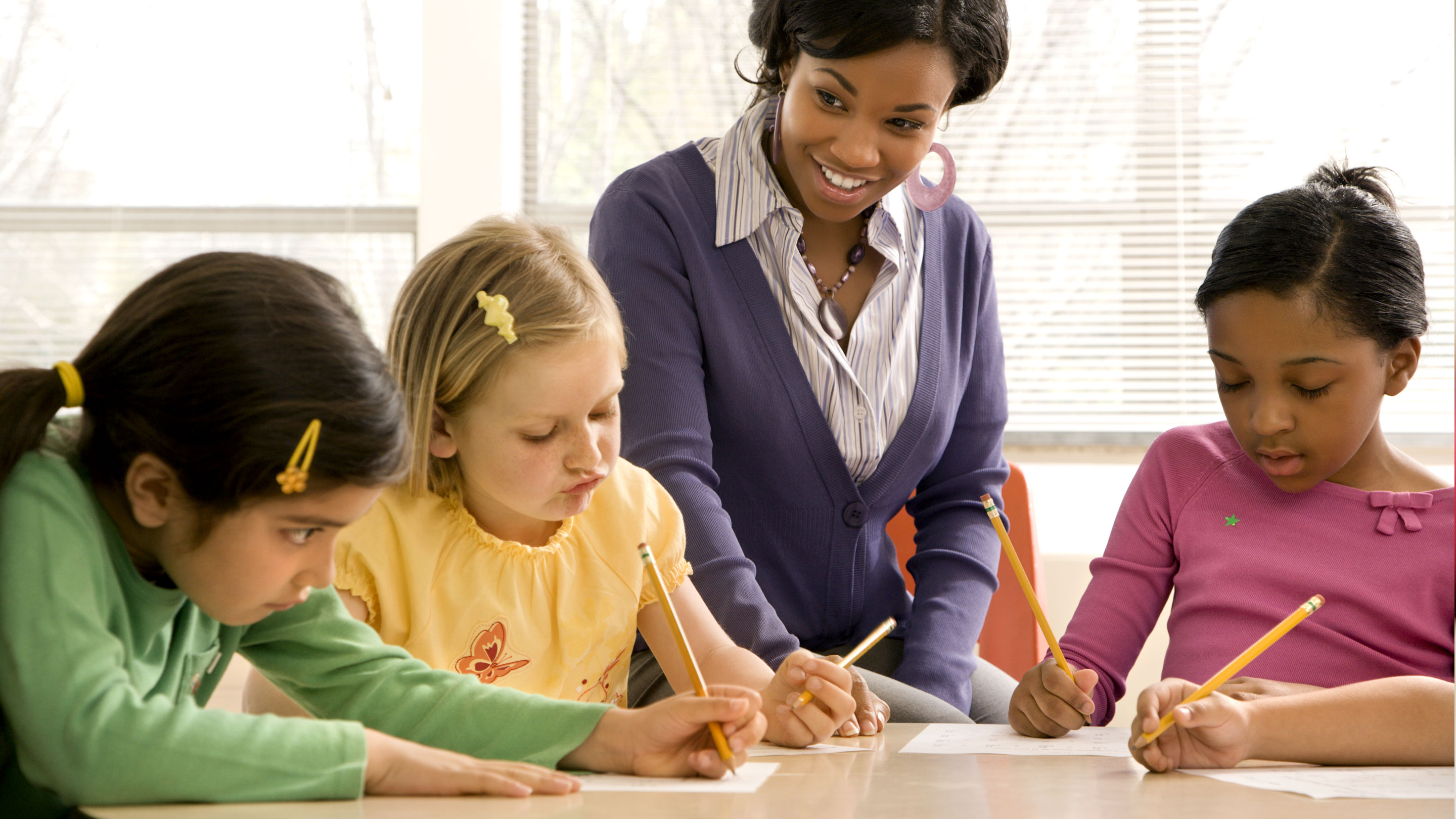
Every teacher knows the first week of school has a special kind of electricity. New pencils. New seating charts. New names that somehow all sound similar by period five. But beneath the surface of attendance sheets and icebreaker games is one of the most powerful questions in education: Who are these students, really?
Getting to know students deeply is more than remembering that Maya likes soccer, Jordan needs extra time on writing tasks, or Eli will trade his left sneaker for a chance to talk about dinosaurs. It is the intentional practice of understanding students’ strengths, identities, interests, learning needs, family contexts, cultures, goals, worries, and dreams. In other words, it is teaching with actual humans in mindnot just names in a gradebook.
When teachers build authentic relationships with students, classrooms become more than places where assignments are completed. They become learning communities where students feel seen, respected, challenged, and safe enough to take academic risks. That matters because learning is not a vending machine: insert lesson, receive achievement. Students learn best when trust, belonging, relevance, and high expectations are all working together.
Why Getting to Know Students Deeply Matters
Strong student-teacher relationships are not “extra credit” in teaching. They are part of the core curriculum, even if they do not appear on the pacing guide next to fractions, persuasive writing, or the causes of the American Revolution.
Students who feel known are more likely to participate, ask questions, accept feedback, and recover from mistakes. A child who trusts the teacher is more likely to say, “I don’t get it,” instead of pretending the ceiling tile is suddenly fascinating. A teenager who feels respected may be more willing to revise an essay, try a challenging math problem, or join a group discussion without fear of public embarrassment.
Knowing students deeply also helps teachers make better instructional decisions. It reveals which examples will connect, which supports are needed, which students may be hiding confusion behind humor, and which quiet learners have brilliant ideas waiting for the right invitation.
Deep Knowledge Supports Equity
Equity in education is not treating every student exactly the same. That sounds fair until you remember students do not all arrive with the same background knowledge, language experiences, confidence, resources, or relationship with school. Getting to know students deeply allows teachers to respond to individual needs without lowering expectations.
For example, one student may need a private check-in before presenting because public speaking triggers anxiety. Another may need more advanced reading choices because the standard text feels too easy. A multilingual learner may understand the concept perfectly but need more time to express it in academic English. A student caring for younger siblings after school may need flexible support with homework routines. These details are not excuses; they are information. Good teachers use information the way good chefs use seasoningcarefully, intentionally, and never by dumping the whole jar into one pot.
Start With Curiosity, Not Assumptions
The first rule of getting to know students deeply is simple: assume you do not already know the full story.
Teachers often receive student records, test scores, behavior notes, and comments from past teachers. Those can be useful, but they are not the whole student. A file may say “struggles with reading,” but it will not tell you that the student memorizes song lyrics after hearing them twice. A behavior report may say “talkative,” but it will not explain that the student becomes the family translator at medical appointments. A grade may say “below standard,” but it will not reveal persistence, humor, leadership, or curiosity.
Deep knowledge begins with open-minded observation. Watch how students enter the room, choose partners, respond to challenge, handle transitions, and recover from frustration. Listen to what they talk about when they think no one is collecting data. Notice who leads quietly, who needs encouragement, who performs confidence, and who disappears into the back row like a classroom ninja.
Practical Ways to Get to Know Students Deeply
Building relationships does not require a dramatic movie-montage moment with inspirational music and perfectly timed sunlight. It requires small, consistent practices that help students reveal who they are over time.
1. Use Student Interest Surveys With Better Questions
Student interest surveys are a classic beginning-of-year tool, but many are too shallow. “What is your favorite color?” is fine, but it rarely transforms instruction unless you are teaching a very intense unit on blue.
Ask questions that help you understand learning preferences, motivation, identity, and support needs. Try prompts such as:
- What is something you are good at that school does not always notice?
- What helps you learn when something is difficult?
- What makes a classroom feel safe and respectful to you?
- What is one thing you wish teachers understood about you?
- What topics, hobbies, shows, sports, games, music, or issues do you care about?
- How do you prefer to receive feedback?
- When you feel stuck, what do you usually do first?
The key is not simply collecting answers. The magic happens when teachers use them. If three students mention basketball, include basketball statistics in a math lesson. If several students love graphic novels, add visual storytelling options. If a student writes, “I hate being called on when I’m not ready,” consider using think time before whole-class discussion.
2. Learn Names Quickly and Correctly
A student’s name is not a small detail. It is often the first sign of respect.
Learning names quickly tells students, “You belong here.” Pronouncing names correctly tells them, “I will not make your identity inconvenient for me.” If you are unsure how to say a name, ask privately or respectfully: “I want to say your name correctly. Can you help me practice it?” Then actually practice it. Do not turn it into a comedy routine. The classroom has enough unplanned comedy already, usually involving glue sticks.
Teachers can use name tents, seating charts with photos, quick attendance games, or short written introductions to speed up the process. But the goal is not just memory. It is connection. Use names when greeting students, giving feedback, and recognizing effort.
3. Hold Short One-on-One Conferences
Five-minute conferences can reveal more than five weeks of guessing. These do not need to be formal. During independent work, project time, reading workshop, or advisory, sit beside a student and ask a few thoughtful questions.
For younger students, ask about what they are proud of, what feels tricky, or what they want to learn next. For older students, ask about goals, workload, interests, future plans, and what makes learning feel meaningful. Keep notes afterward so the conversation does not evaporate into the teacher-brain fog that also stores copier codes, lunch duty reminders, and seventeen different passwords.
Over time, these conferences help teachers identify patterns. Which students need reassurance before trying? Which students crave independence? Which students are motivated by competition, creativity, purpose, social connection, or choice?
4. Build Relationship Routines Into the Week
Getting to know students deeply should not depend on random spare time, because spare time in schools is a mythical creature, like a unicorn holding a working dry-erase marker.
Instead, build connection into predictable routines. Start Mondays with a low-stakes check-in. End Fridays with a reflection question. Use entrance tickets that ask both academic and personal questions. Create “two-minute talks” where students briefly share something they are learning outside school. Use advisory circles, morning meetings, or community-building prompts.
These routines create reliable opportunities for students to speak, listen, and be known. They also help teachers detect changes. A student who usually writes cheerful reflections but suddenly submits one-word answers may need a check-in. A student who rarely participates but lights up during a topic about animals may have found an entry point into deeper learning.
Use Culturally Responsive Teaching to See the Whole Student
Getting to know students deeply means understanding culture broadly. Culture includes race, ethnicity, language, family traditions, religion, neighborhood, communication styles, values, interests, and lived experiences. It also includes youth culture: music, memes, games, social media trends, slang, and the mysterious ability to make a water bottle flipping contest appear during any unstructured moment.
Culturally responsive teaching does not mean asking one student to speak for an entire group. Please do not turn a child into the classroom ambassador for a continent, language, or holiday. Instead, it means designing learning that respects and connects to students’ experiences while expanding their knowledge.
Make Curriculum More Relevant
Relevance does not mean every lesson must involve pop culture or pizza. It means students can see a reason to care. A lesson on persuasive writing can connect to real issues students want to change. A math unit can use data from sports, environmental questions, music streaming, or school lunch preferences. A history lesson can include multiple perspectives and invite students to examine how the past shapes their communities today.
When teachers know students deeply, examples become sharper. Discussions become richer. Assignments become less generic. Students stop asking, “Why are we doing this?” quite so oftenor at least they ask with less dramatic despair.
Respect Different Ways of Participating
Some students think out loud. Some need silence before speaking. Some show engagement through eye contact; others may listen deeply while looking down or doodling. Some students are comfortable debating; others see public disagreement as disrespectful. Getting to know students deeply helps teachers avoid mistaking difference for defiance or quietness for disengagement.
This does not mean lowering expectations for participation. It means offering multiple pathways: partner talk, written responses, small-group discussion, digital discussion boards, visual notes, exit tickets, and whole-class sharing. The more ways students can show thinking, the more accurately teachers can understand them.
Partner With Families Without Making It Awkward
Families know students in ways teachers cannot. They know the bedtime battles, the weekend responsibilities, the hidden talents, the worries, the favorite foods, and the stories behind the backpack that looks like it survived a small tornado.
Family engagement should not begin only when something goes wrong. If the first contact home is about missing work or behavior, families may brace themselves every time the school number appears. Instead, reach out early with positive or neutral communication. Ask families what helps their child thrive. Invite them to share hopes, strengths, and important context.
Questions to Ask Families
- What are your child’s strengths?
- What motivates your child when learning becomes difficult?
- What is something you hope I understand about your child?
- Are there important cultural, family, or personal factors that would help me support your child respectfully?
- What is the best way for us to communicate?
Keep communication accessible. Use plain language, translation when needed, flexible formats, and respectful timing. Families should feel like partners, not guests who accidentally walked into a faculty meeting.
Balance Warmth With High Expectations
Knowing students deeply does not mean becoming their best friend, therapist, or personal fan club president. Teachers need healthy boundaries. Students need caring adults who are warm, consistent, fair, and clear.
The best classroom relationships combine connection with challenge. Students should feel, “My teacher understands me,” and also, “My teacher believes I can do difficult things.” Warmth without expectations can become permissive. Expectations without warmth can feel cold. Together, they create trust.
For example, a teacher might say, “I know writing has been frustrating for you, and I also know you have strong ideas. Let’s work on one paragraph at a time.” That message communicates empathy and belief. It does not rescue the student from learning; it supports the student through learning.
Use What You Learn to Improve Instruction
Deep knowledge of students should change classroom practice. Otherwise, it becomes trivia. Knowing that a student loves skateboarding is charming. Using motion, balance, design, or risk-taking examples to connect with that student’s thinking is teaching.
Teachers can use student knowledge to:
- Choose texts that reflect and expand students’ experiences.
- Create writing prompts connected to real student interests.
- Design flexible project options.
- Group students thoughtfully.
- Offer feedback in ways students can receive and use.
- Notice when behavior signals confusion, stress, boredom, or unmet needs.
- Build classroom norms that reflect the actual learners in the room.
For instance, if a class includes students who love gaming, a teacher might connect narrative structure to game design. If students care about local environmental issues, science and writing can intersect through community-based projects. If students are anxious about public speaking, presentations can include gradual steps: recording audio, presenting to a partner, then sharing with a small group.
Avoid the Biggest Mistakes
Getting to know students deeply is powerful, but it can go sideways if teachers are not careful.
Mistake 1: Collecting Personal Information Without Purpose
Students should not feel like they are completing a personality quiz for a mysterious government agency. Ask questions that help you teach better, support learning, and build belonging. Respect privacy. Give students choices about what they share.
Mistake 2: Assuming One Conversation Is Enough
Students grow, change, and surprise us. The student who hated reading in September may become obsessed with mysteries in November. The student who seemed confident may struggle silently after a family change. Deep knowledge is ongoing, not a first-week checklist.
Mistake 3: Confusing Friendliness With Relationship
Being friendly is good. But relationship-building also requires consistency, fairness, listening, follow-through, and repair. If a teacher says, “I’ll check on that,” students notice whether it actually happens. Trust is built in tiny receipts.
Mistake 4: Seeing Students Only Through Challenges
When a student struggles academically or behaviorally, adults may accidentally define the child by the problem. Deep knowing requires strength-based attention. What does the student enjoy? When do they succeed? Who do they help? What sparks effort? A student is always more than the hardest moment they create in your classroom.
Simple Tools for Deep Student Knowledge
You do not need a complicated system. In fact, the more complicated the system, the more likely it will collapse by October under a pile of ungraded papers.
Try a simple student knowledge tracker with categories such as name pronunciation, interests, strengths, learning preferences, family communication notes, academic goals, and support strategies. Keep it secure and professional. Update it after conferences, observations, and family conversations.
Another useful tool is the “connection map.” List every student and mark whether you have had a meaningful interaction with them recently. This helps reveal students who may be overlooked because they are quiet, compliant, or simply very good at blending into the wallpaper. Those students need connection too.
How Students Change When They Feel Known
A classroom where students feel deeply known has a different rhythm. Students take more academic risks because mistakes feel survivable. They ask for help sooner. They show more patience with classmates. They contribute personal connections to lessons. They begin to believe that school is not just something happening to them, but a place where they have a voice.
Teachers change too. Lessons become more responsive. Feedback becomes more precise. Classroom management becomes less reactive because the teacher understands the people behind the behavior. Joy increases, and teaching needs joy the way coffee needs a mug.
Experiences and Reflections: What Getting to Know Students Deeply Looks Like in Real Classrooms
One of the most meaningful experiences related to getting to know students deeply is realizing that students often reveal themselves in small moments, not grand announcements. A student may not say, “I am worried about failing,” but they may sharpen a pencil three times before a quiz. Another may not say, “I want leadership,” but they quietly organize materials for their group every day. Another may joke constantly, not because they dislike class, but because humor is the safest way they know to participate.
In a real classroom, deep knowing often begins with noticing. Imagine a middle school teacher who sees that one student, Marcus, never volunteers during discussion but writes thoughtful exit tickets. Instead of labeling him disengaged, the teacher starts giving students two minutes to write before speaking. Suddenly Marcus has a bridge into the conversation. He still does not become the loudest voice in the roomand thank goodness, not every classroom needs another microphone enthusiastbut his thinking becomes visible.
Another example might involve a fourth-grade student named Ana who struggles to finish reading assignments. At first, it looks like avoidance. After a few gentle conversations, the teacher learns that Ana loves stories but gets overwhelmed by long blocks of text. The teacher offers chunked reading goals, graphic organizers, and occasional audiobook support. Ana’s confidence improves because the teacher did not stop at “not completing work.” The teacher asked, “What is getting in the way?”
High school teachers see this too. A student may appear uninterested in English class until a unit connects literature to music, identity, justice, technology, or future careers. When teachers know students’ interests, they can create hooks that feel less like bait and more like invitations. A reluctant writer who cares about sneakers might analyze advertising language. A student interested in nursing might research patient communication. A student who loves sports might explore leadership, statistics, or ethics through athletics.
Getting to know students deeply also changes how teachers respond to behavior. Suppose a student blurts out during every lesson. A surface-level response might be constant correction. A deeper approach asks what function the behavior serves. Is the student seeking attention, avoiding confusion, processing aloud, or trying to connect with peers? The answer shapes the strategy. The teacher might provide a leadership role, use response cards, schedule brief check-ins, or teach discussion norms explicitly. The goal is not to excuse disruption; it is to solve it wisely.
Some of the best relationship-building moments happen outside the official lesson plan. Greeting students at the door, remembering a tournament, asking about a sibling, noticing a new haircut, or saying, “You seemed frustrated yesterday; how are you today?” can matter more than teachers realize. Students are excellent detectors of sincerity. They know when adults are performing care and when adults are paying attention.
There is also a humbling side to this work. Teachers will misread students sometimes. They may assume a student is bored when the student is tired, assume confidence when there is fear, or assume silence means agreement. The solution is not perfection. The solution is repair. A teacher can say, “I think I misunderstood what you needed yesterday. Can we try again?” That sentence can build more trust than pretending the mistake never happened.
Deeply knowing students does not mean carrying every student’s life story alone. Teachers are part of a team. Counselors, families, specialists, coaches, administrators, and support staff all hold pieces of the puzzle. The teacher’s role is to remain observant, respectful, and responsive while protecting student dignity.
In the end, the experience of knowing students deeply makes teaching more human. It reminds educators that behind every grade is a learner with a story. Behind every behavior is a need, habit, emotion, or skill gap. Behind every quiet student is a world of thoughts. When teachers make the effort to see that world, students are more likely to bring their full selves to learning. And when students bring their full selves, classrooms become places where real growth can happenmessy, funny, imperfect, and absolutely worth it.
Conclusion: Teaching Begins With Knowing
Getting to know students deeply is not a soft skill that sits politely on the edge of “real teaching.” It is one of the conditions that makes real teaching possible. Students learn from teachers who know their names, respect their identities, understand their strengths, notice their struggles, and believe in their potential.
Deep student knowledge helps teachers design better lessons, build stronger classroom communities, support equity, partner with families, and respond to behavior with wisdom instead of guesswork. It turns data into context and routines into relationships. Most importantly, it reminds students that they are not invisible.
A teacher may not know everything about every student, and that is okay. The goal is not to become a mind reader with a lesson planner. The goal is to practice curiosity every day. Ask better questions. Listen longer. Notice patterns. Use what you learn. Repair when needed. Celebrate strengths. Keep learning the learners.
Because when students feel deeply known, they are more likely to trust the classroom, engage with the work, and believe that their voice belongs there. And that is where meaningful learning begins.










