
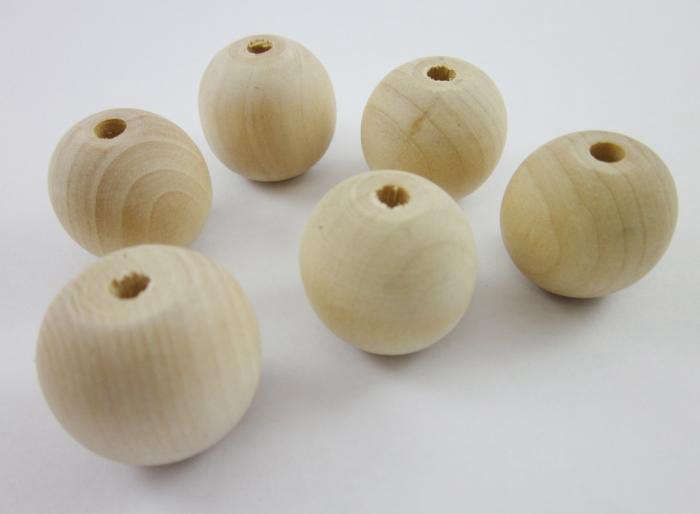
Unfinished round wood beads are the tiny blank canvases of the craft world: smooth, simple, affordable, and surprisingly good at making you feel like a design genius after five minutes with paint, cord, or a little stain. They show up in farmhouse garlands, macrame wall hangings, handmade bracelets, nursery decor, seasonal ornaments, Montessori-inspired activities, keychains, tassels, napkin rings, and those “I made this myself” projects that somehow look expensive even when the materials cost less than lunch.
The beauty of unfinished round wood beads is that they are not locked into one style. Leave them natural and they feel warm, Scandinavian, rustic, or boho. Paint them black and white and they suddenly belong in modern decor. Stain them walnut and they look like something from a boutique home shop. Add letters, stripes, metallic accents, or tiny florals and they become personalized gifts. In other words, they are humble little spheres with excellent career mobility.
This guide explores what unfinished round wood beads are, how to choose the right size, how to paint or stain them, where they work best, and what to know before buying them in bulk. Whether you are making jewelry, home decor, classroom crafts, or product-ready handmade goods, these beads deserve a permanent spot in your craft drawerpreferably in a container with a lid, unless you enjoy chasing 200 tiny wooden marbles across the floor.
What Are Unfinished Round Wood Beads?
Unfinished round wood beads are spherical wooden beads that have been sanded smooth but not painted, stained, varnished, dyed, or sealed. Most come with a pre-drilled hole through the center so they can be strung onto cord, twine, elastic, wire, ribbon, jute, yarn, or macrame rope. Depending on the supplier, they may be made from maple, birch, beech, lotus wood, basswood, or other lightweight craft woods.
The word “unfinished” is important. It means the surface is ready for customization. You can leave the bead raw, paint it with acrylic paint, stain it to highlight the grain, dye it for a softer color effect, seal it with a clear coat, wood-burn a design, or decorate it with markers. Unlike glossy prefinished beads, unfinished beads absorb color more easily and allow the maker to control the final look.
Round beads are especially popular because they are easy to design with. Their shape feels balanced and timeless. They stack neatly in garlands, roll naturally between larger statement beads, and create clean lines in bracelets and necklaces. They also mix well with other materials such as cotton tassels, ceramic charms, leather cord, glass beads, felt balls, metal spacers, and dried botanicals.
Why Crafters Love Unfinished Round Wood Beads
They Are Easy to Customize
Unfinished round wood beads are basically the plain white T-shirt of craft supplies. You can dress them up, distress them, dye them, monogram them, or keep them natural. A set of 20mm beads can become a minimalist garland for a mantel. The same beads can become colorful counting tools for kids, rustic ornaments for Christmas, or personalized name keychains for party favors.
They Work With Many Design Styles
Natural wood beads fit beautifully into farmhouse, coastal, bohemian, Scandinavian, Japandi, rustic, cottagecore, and modern organic interiors. Smaller beads work well for jewelry, while larger beads make bold home decor pieces. Even when trends change, wood beads remain useful because natural texture rarely goes out of style. Wood is the reliable friend who shows up wearing neutrals and somehow matches everything.
They Are Budget-Friendly
One of the strongest advantages of unfinished wooden beads is cost. Bulk packs often include dozens, hundreds, or even thousands of beads, making them practical for classrooms, craft businesses, wedding DIY projects, holiday markets, and family craft nights. Buying in bulk also helps keep finished project costs low, especially when making garlands, party favors, ornaments, or handmade products to sell.
They Feel Warm and Natural
Plastic beads can be colorful and glass beads can be elegant, but wood beads bring warmth. They have a soft matte texture, a lightweight feel, and subtle grain variation. Even when painted, they retain a handmade charm. That is why unfinished wood beads are so common in baby shower decor, nursery accessories, sensory-friendly crafts, and cozy home styling.
Popular Sizes of Unfinished Round Wood Beads
Unfinished round wood beads come in many sizes, usually measured in millimeters or inches. Common sizes include 6mm, 8mm, 10mm, 12mm, 15mm, 16mm, 20mm, 25mm, 30mm, 32mm, 38mm, and even larger statement beads. Choosing the right size depends on the project, the cord thickness, and the final look you want.
6mm to 10mm Beads
Small wood beads are best for delicate jewelry, mini ornaments, fine garlands, beaded embroidery accents, and detailed craft designs. They are lightweight and subtle, but they can be harder to paint individually unless you have patience, a steady hand, and perhaps the emotional strength of a watchmaker.
12mm to 16mm Beads
This mid-range size is one of the most versatile. These beads work well for bracelets, anklets, keychains, small garlands, tassel accents, and kids’ crafts. They are large enough to paint comfortably but still small enough to look refined in jewelry and decor.
20mm to 25mm Beads
These are excellent for farmhouse garlands, macrame projects, napkin rings, drawer pulls, holiday ornaments, curtain tiebacks, and statement jewelry. They have enough surface area for patterns, names, numbers, and simple illustrations.
30mm and Larger Beads
Large unfinished round wood beads are dramatic and decorative. They work well for chunky garlands, educational sorting activities, peg doll heads, oversized tassels, wreaths, and bold wall hangings. Because larger beads need larger holes, always check the hole diameter before buying. A bead may be the perfect size visually, but if your cord refuses to pass through, the bead has chosen chaos.
How to Choose the Best Unfinished Round Wood Beads
Check the Hole Size
The bead diameter tells you how large the bead is, but the hole size tells you whether it will actually work for your project. Jewelry elastic needs a smaller opening, while macrame cord, jute, leather lace, and thick yarn require larger holes. For garlands, a hole around 4mm to 6mm is often workable. For chunky macrame or rope projects, look for larger-hole beads.
Look for Smooth Sanding
Good unfinished wood beads should feel smooth, not splintery. A slightly raw texture is normal, but rough edges around the hole can snag cord or make painted finishes look uneven. If the beads are pre-sanded, you can usually paint or stain them with minimal prep. For ultra-smooth results, lightly sand with fine-grit sandpaper before finishing.
Consider the Wood Type
Maple and birch are common choices for clean, durable beads with pale coloring. Beech and basswood are also popular for craft use. Lighter woods are easier to paint with bright colors because they do not darken the paint underneath. Denser hardwood beads may feel sturdier and show grain more beautifully when stained.
Buy Consistent Beads for Professional Projects
If you are making products to sell, consistency matters. Beads should be similar in size, shape, hole placement, and surface quality. Tiny variations are part of natural wood’s charm, but wildly uneven beads can make a garland look less polished. For business use, order a small sample first before committing to a bulk pack.
Best Uses for Unfinished Round Wood Beads
Wood Bead Garlands
Wood bead garlands are the celebrity of unfinished bead crafts. They are easy to make, photogenic, and useful in every season. String 20mm or 25mm beads on jute, finish with tassels, and drape the garland over a tray, mantel, vase, shelf, or stack of books. For holiday decor, paint every fifth bead red, green, black, orange, gold, or navy depending on the season.
Macrame Wall Hangings
Large-hole unfinished wood beads pair beautifully with macrame cord. They add texture, break up long lines of knots, and create focal points in wall hangings, plant hangers, curtain ties, and keychains. Natural beads give macrame a warm, earthy finish, while painted beads can match a room’s color palette.
Handmade Jewelry
Round wood beads are lightweight, which makes them comfortable for bracelets, necklaces, earrings, and anklets. They can be combined with gemstones, clay beads, metal spacers, seed beads, or leather cord. For jewelry, sealing painted or stained beads is smart because skin oils, moisture, and friction can wear down unsealed finishes over time.
Nursery and Kids’ Decor
Unfinished wooden beads are often used in name garlands, room signs, wall decor, and playful learning activities. When crafting for young children, safety matters. Small beads can be choking hazards, so they should not be used as loose toys for babies or toddlers. For decor near children, use strong knots, secure construction, and non-toxic finishes appropriate for the intended use.
Holiday Ornaments
Wood beads are ideal for ornaments because they are lightweight and easy to personalize. Try snowman ornaments with white beads, rustic stars with jute, mini wreaths with green-painted beads, or candy cane patterns with red and white beads. For Thanksgiving, natural beads with leaf charms look cozy. For Halloween, orange, black, and natural beads create a fun but not-too-spooky vibe.
Home Decor Accents
Beyond garlands, unfinished round wood beads can upgrade lampshades, drawer pulls, napkin rings, wreaths, baskets, curtain tiebacks, mirror frames, and table centerpieces. A plain cotton tassel becomes boutique-worthy with a few beads stacked above it. A simple wreath gets texture with scattered wood bead clusters. A basic keychain becomes giftable with one large bead, one small bead, and a tiny charm.
How to Paint Unfinished Round Wood Beads
Painting wood beads is simple, but a little prep makes a big difference. First, wipe the beads with a dry cloth to remove dust. If they feel rough, give them a quick sanding with fine-grit sandpaper. To paint multiple beads at once, slide them onto skewers, toothpicks, pipe cleaners, or thin dowels. Rest the ends across a box or cup so the beads can dry without sticking to the table.
Acrylic craft paint is the easiest choice for most projects. Apply thin coats instead of one thick blob. Thick paint can clog the hole, create drips, and make the bead look like it lost a fight with frosting. Let each coat dry before adding another. For patterns, use painter’s tape, dotting tools, fine brushes, paint pens, or small stencils.
After painting, seal the beads if they will be handled often. A clear acrylic spray, brush-on sealer, or water-based polyurethane can help protect the finish. Matte sealers keep a natural look, satin adds a soft glow, and gloss creates shine. Always follow the product label for drying time, ventilation, and surface compatibility.
How to Stain Unfinished Round Wood Beads
Staining is a beautiful option when you want to enhance the wood grain instead of covering it. Before staining, lightly sand the beads and remove dust. Test the stain on a few extra beads first because wood species absorb color differently. A stain that looks honey-brown on one bead can look espresso-dark on another. Wood has opinions.
Use a lint-free cloth, small brush, or dipping method to apply stain. Wipe away excess stain before it dries, especially if you want an even finish. Let the beads dry completely, then seal them with a clear protective topcoat. For a softer natural look, consider using a light stain, wood dye, or diluted paint wash.
If you want a very smooth finish, apply a sealer, let it dry, lightly sand, and apply another coat. This is especially helpful for jewelry and frequently handled pieces. For rustic garlands, you can keep the finish more relaxed. The goal is not perfection; it is charm with boundaries.
Creative Project Ideas With Unfinished Round Wood Beads
Farmhouse Prayer Bead Garland
Use 20mm natural beads, jute twine, and two handmade tassels. String 30 to 40 beads, knot both ends, and attach tassels. Leave the beads unfinished for a classic farmhouse style or stain them light oak for a warmer look.
Personalized Name Keychain
Paint three round beads in coordinating colors, add alphabet beads for a name or initials, and finish with a tassel or charm. This is great for backpacks, teacher gifts, bridal party favors, or small shop products.
Minimalist Bracelet
Use 8mm or 10mm beads on stretch cord. Add one accent bead in black, gold, clay, or stone. Seal the beads if they are painted or stained. The result is simple, lightweight, and easy to wear.
Seasonal Napkin Rings
String 10 to 12 medium beads on elastic cord, tie securely, and add a small seasonal charm. Natural beads work for everyday table settings, while painted beads can match Christmas, Easter, fall, or Fourth of July decor.
Boho Plant Hanger Accent
Add large-hole wood beads to macrame plant hangers near the knots. Use natural beads for an earthy look or paint them terracotta, sage, cream, or charcoal to coordinate with modern interiors.
Tips for Buying Unfinished Round Wood Beads in Bulk
Bulk beads are convenient, but not every pack is created equal. Check the listed diameter, hole size, material, finish, and quantity. Read product descriptions carefully to see whether the beads are truly unfinished or already coated with a clear finish. If you plan to stain them, raw unfinished beads are better than sealed beads because stain needs open wood pores to absorb properly.
For classrooms, parties, or camps, assorted-size packs are useful because they support many project types. For selling handmade goods, single-size packs are usually better because they keep your products consistent. If you are making garlands, calculate bead count before buying. A 6-foot garland made with 20mm beads will require far fewer beads than one made with 12mm beads, but it will also look chunkier.
Storage matters too. Keep beads dry, sealed, and away from moisture. Wood can absorb humidity, which may affect paint, stain, or smoothness. Clear jars, divided containers, or zip-top bags make it easier to sort by size. Labeling the sizes will save you from the classic crafter’s ritual of holding two beads up to the light and whispering, “Are you a 16mm or a 20mm?”
Common Mistakes to Avoid
Using the Wrong Cord Size
Always match the bead hole to the stringing material. Thick jute will not magically fit through a tiny jewelry bead hole, no matter how persuasive you are.
Skipping the Test Bead
Before painting, staining, sealing, or dyeing a full batch, test one or two beads. This helps you check color, drying time, absorption, and finish quality.
Overloading Paint
Thin coats look smoother than thick coats. Heavy paint can clog holes and create uneven texture.
Forgetting to Seal High-Use Projects
Jewelry, keychains, napkin rings, and children’s room decor are handled often. A clear protective finish helps them last longer.
Ignoring Safety
Small beads are not suitable as loose items for babies or toddlers. Use age-appropriate materials, secure knots, and finishes that match the project’s use.
Experience-Based Notes: What Working With Unfinished Round Wood Beads Teaches You
After working with unfinished round wood beads on different projects, one thing becomes obvious: they look simple, but they reward planning. The first time you open a bag of natural beads, it is tempting to start stringing immediately. That works for casual decor, but if you want a polished result, sorting the beads first helps. Some beads may have darker grain, slightly off-center holes, or tiny rough spots. Setting aside the best beads for the most visible parts of a garland or bracelet can make the final piece look much cleaner.
Painting beads is also easier when you create a drying setup before opening the paint. A cardboard box, a few bamboo skewers, and some tape can turn chaos into a mini bead-painting station. Slide the beads onto the skewers, paint them while rotating gently, and let them dry suspended. This method prevents flat spots and keeps your fingers from becoming part of the color palette. Without a setup, you may end up with beads stuck to paper towels, which is not a rustic finishit is a craft emergency wearing lint.
For staining, patience matters more than enthusiasm. Wood beads absorb stain quickly, and small differences in grain can create natural variation. That variation is usually beautiful, especially for farmhouse and boho designs. However, if you want a uniform set, wipe each bead at roughly the same time after applying stain. The longer the stain sits, the deeper the color usually becomes. Keeping a consistent rhythm helps the whole batch look intentional rather than accidentally dramatic.
Another useful lesson is that natural beads are often more versatile than painted ones. A fully painted set may match one holiday or room, but unfinished or lightly stained beads can move from season to season. A natural bead garland can sit on a summer tray with shells, move to a fall mantel with pumpkins, and then join a Christmas display with pine branches. The beads do not complain. They simply adapt, which is more than can be said for some throw pillows.
When making gifts, unfinished round wood beads are excellent because they invite personalization without requiring advanced skills. A beginner can paint simple color blocks, add initials, or create a tassel keychain in under an hour. More experienced makers can add wood-burned patterns, ombre dye effects, hand-lettered names, or mixed-media details. This wide skill range makes them ideal for family craft nights, small business experiments, and handmade holiday batches.
The biggest practical tip is to buy more beads than you think you need. Mistakes happen. Paint colors disappoint. Holes clog. One bead rolls under the couch and joins the lost kingdom of craft supplies. Having extras allows you to test finishes, replace imperfect beads, and keep the project moving. It also encourages creativity because leftover beads often become mini projects: zipper pulls, ornaments, bookmarks, plant markers, or gift wrap accents.
In the end, unfinished round wood beads are satisfying because they are approachable. You do not need expensive tools or professional training to make something attractive. A handful of beads, a bit of cord, and a clear idea can become decor, jewelry, gifts, or learning tools. They are small, but they carry a lot of creative possibility. That is the quiet magic of a good craft supply: it does not demand attention in the package, but once you start using it, ideas keep rolling.
Conclusion
Unfinished round wood beads are one of the most useful supplies in modern crafting because they combine affordability, versatility, and natural beauty. They can be painted for bold color, stained for warmth, sealed for durability, or left raw for a clean organic look. From farmhouse garlands and macrame accents to bracelets, ornaments, napkin rings, classroom crafts, and personalized gifts, these beads can support projects for beginners and experienced makers alike.
The key is choosing the right size, checking the hole diameter, preparing the surface properly, and matching the finish to the project. Small beads shine in jewelry, medium beads work well for keychains and decor, and large beads make a statement in garlands and macrame. With a little planningand maybe a container that actually closesyou can turn unfinished round wood beads into polished handmade pieces that look charming, intentional, and far more expensive than they are.
Note: This article was created from synthesized information based on real U.S. craft retailers, bead suppliers, woodworking finish guidance, and practical maker experience. No source links or content reference tags are included, so the HTML is ready for web publishing.














