
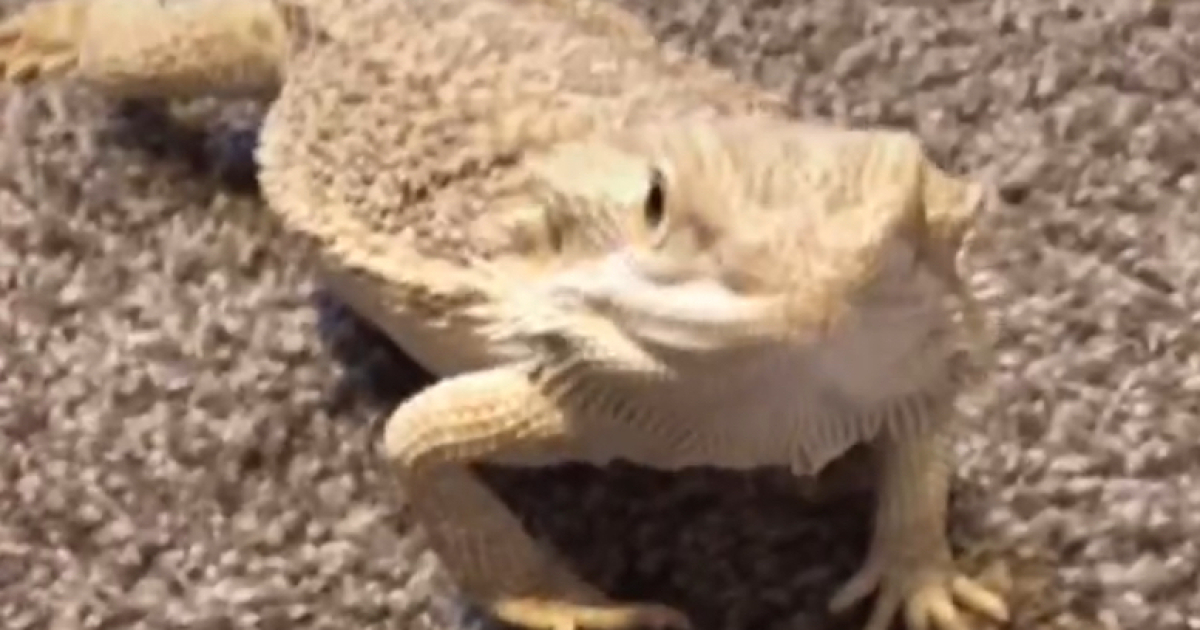
There are two kinds of people on the internet: people who love pet photos, and people who are pretending not to love pet photos while secretly zooming in on a dog wearing sunglasses. A great pet photo is more than a cute snapshot. It is a tiny emotional ambush. One second you are scrolling calmly, and the next you are saying “LOOK AT THIS FACE” to someone who did not ask but absolutely needed to know.
That is the magic behind the cheerful invitation: “Hey Pandas, share the most amazing photo of your pet.” It is not just a call for cute pet pictures. It is a celebration of personality, chaos, companionship, and the strange fact that a cat sitting in a cardboard box can improve an entire afternoon. Whether your pet is a dramatic husky, a suspicious hamster, a parrot with CEO energy, a rabbit with perfect ears, or a senior dog whose gray muzzle deserves its own museum wing, every animal has a moment worth sharing.
Pet photography has become one of the internet’s happiest languages. It crosses age, culture, location, and even species preferences. Dog people, cat people, bird people, reptile people, and “I don’t have a pet but I follow 47 animal accounts” people can all meet in the same comment section and agree on one thing: animals are excellent at being accidentally iconic.
Why Pet Photos Make the Internet a Better Place
Pet photos work because they feel honest. A pet does not care about your brand strategy, your preferred filter, or whether your living room looks “editorial.” Your dog may blink. Your cat may leave. Your guinea pig may turn around and present the least flattering angle possible. And somehow, that is the point. The best pet photos capture real life, not perfection.
There is also a comforting emotional rhythm to pet pictures. A funny dog photo can break the tension of a difficult day. A sleeping kitten can make a stressful lunch break feel softer. A photo of a rescue pet finally relaxing at home can remind people that trust is built slowly, one nap at a time. In a noisy digital world, amazing pet photos offer a quick dose of warmth without asking us to solve anything first.
That is why community prompts like this are so powerful. They invite people to share something personal without needing a long explanation. A single photo can say, “This is my buddy,” “This little goblin runs my house,” or “I have never known peace since adopting this creature, and I would do it again immediately.”
What Makes a Pet Photo Truly Amazing?
An amazing pet photo does not have to be technically perfect. It does not need a professional camera, a studio backdrop, or a dog who understands the concept of personal branding. A great pet photo usually has one or more of these ingredients: personality, timing, emotion, clarity, and a story.
1. Personality Beats Perfection
The most memorable pet pictures show who the animal really is. A golden retriever beaming at a tennis ball, a cat glaring from inside a laundry basket, a cockatiel admiring itself in a spoon, or a turtle moving with the confidence of a tiny armored celebrity can all make unforgettable images. The question is not “Does my pet look flawless?” The better question is, “Does this photo feel like them?”
If your pet is goofy, let the goofy flag fly. If your pet is elegant, capture that regal energy. If your pet looks like they just witnessed a tax audit, congratulationsyou may have a viral masterpiece.
2. Good Light Does Half the Work
Natural light is a pet photographer’s best friend, right after treats and patience. A bright window, shaded porch, or soft outdoor light can make fur, feathers, scales, and eyes look clearer and more expressive. Harsh flash can startle some animals and create glowing eyes that say “adorable companion” less than “tiny supernatural accountant.”
Try photographing your pet near a window during the day, or outside in open shade. Early morning and late afternoon light can be especially flattering. It gives photos a warm, gentle look without making your pet squint like they are reviewing a bad restaurant bill.
3. Get Down to Their Level
One of the simplest ways to improve pet photos is to lower the camera. Instead of photographing from above, crouch, sit, or lie down so the lens meets your pet’s eye level. This makes the photo feel more intimate and turns your pet into the main character rather than a furry object on the floor.
Eye-level photos are especially powerful with dogs, cats, rabbits, and small mammals. For birds, reptiles, and fish, the same rule applies: find the angle that helps viewers feel close to the animal’s world. Yes, this may involve awkward floor positions. No, your pet will not appreciate the sacrifice. They will probably walk away.
4. Focus on the Eyes
In pet photography, sharp eyes create connection. A photo can be slightly messy, the background can be imperfect, and the pose can be ridiculous, but if the eyes are clear, viewers usually feel drawn in. This is why close-ups of pets can be so powerful. A senior dog’s soft gaze, a kitten’s giant curious eyes, or a parrot’s sideways stare can carry the whole story.
Most smartphones let you tap the screen to focus. Tap on your pet’s eyes before taking the picture. If your pet is moving quickly, take several shots in burst mode. One of them may catch the perfect expression between “majestic” and “just heard the treat bag.”
Pet Photography Tips for Dogs, Cats, and Other Tiny Bosses
For Dogs: Use Energy Wisely
Dogs often photograph best after they have had a little exercise. A dog with too much energy may become a blur with ears. A dog who has played, sniffed, walked, and enjoyed a few minutes of fun is more likely to settle into a relaxed expression. Bring treats, toys, or a favorite squeaky object to get attention, but do not overdo it. If every photo involves waving a snack like a game-show prize, your dog may start negotiating.
Action shots can also be wonderful. A dog running through grass, catching a toy, or leaping into a lake can show joy better than any posed portrait. Use bright light, take many photos, and accept that half of them may include only a tail, a paw, or a majestic blur.
For Cats: Respect the Mood
Cats do not take direction. Cats issue direction. If you want an amazing cat photo, work with the moment instead of trying to control it. Photograph them in their favorite places: a sunny windowsill, a blanket pile, the forbidden countertop, or the box you planned to recycle before it became real estate.
Pay attention to body language. A relaxed cat may have soft eyes, a calm posture, and curious ears. A stressed cat may hide, flatten their ears, swish their tail sharply, or avoid interaction. If your cat is not interested, let the photo session end. The best cat pictures happen when the cat believes the entire project was their idea.
For Small Pets: Safety Comes First
Hamsters, guinea pigs, rabbits, ferrets, chinchillas, and other small pets can be incredibly photogenic, but they need careful handling. Use a secure surface, avoid high places, and keep the session short. Small animals can become stressed by loud noises, bright lights, or too much handling.
Simple props work best: a soft blanket, a safe hideout, a favorite chew, or a natural-looking background. Never use props that could be swallowed, tangled, or frightening. A tiny hat may be funny to humans, but your pet’s comfort matters more than the internet’s applause.
For Birds, Reptiles, and Unusual Pets: Show Their World
Some of the most amazing pet photos feature animals people do not see every day: bearded dragons basking like ancient kings, snakes with jewel-like patterns, parrots mid-chatter, or fish glowing under aquarium light. These pets shine when the photo shows texture, color, and environment.
For reptiles and fish, avoid sudden flashes and reflections against glass. For birds, be patient and photograph during calm moments. A bird preening, tilting its head, or interacting with a favorite toy can reveal more personality than a forced pose ever could.
Funny Pet Photos: When “Oops” Becomes Art
Some pet photos are amazing because everything went right. Others are amazing because absolutely nothing did. A dog sneezes mid-shot. A cat yawns and becomes a tiny lion. A rabbit kicks one foot into the air. A horse photobombs a family portrait with suspiciously perfect timing. These are the moments the internet treasures.
Funny animal pictures often work because they capture surprise. The pet is not performing for the camera; they are simply being themselves at the exact wrongor perfectsecond. That authenticity is what makes people laugh. It also makes the photo feel shareable, because everyone who has lived with an animal knows that pets are professional chaos consultants.
When sharing funny pet photos, keep captions short and playful. A caption like “He heard cheese open from three rooms away” or “This is her customer service face” can make a good photo even better. The best captions do not explain too much. They give the viewer just enough context to laugh.
Emotional Pet Photos: The Ones That Stay With Us
Not every amazing pet photo is funny. Some are quiet. A rescue dog sleeping peacefully after a long adjustment period. A cat curled beside an elderly owner. A child reading to a patient family dog. A pet looking out the window on a rainy day. These photos matter because they show companionship in its gentlest form.
Pets are woven into daily routines. They appear in morning coffee rituals, work-from-home meetings, road trips, holidays, and lazy Sundays. A photo can preserve those ordinary moments before we realize how precious they are. Years later, the slightly blurry picture of your dog on the couch may mean more than the polished portrait, because it holds the feeling of home.
That is one reason pet photo prompts can become so meaningful. People are not just sharing images. They are sharing memories, humor, grief, gratitude, and pride. Behind every “look at my pet” is often a larger story: who rescued whom, who grew up together, who made life less lonely, and who stole half the bed.
How to Share the Most Amazing Photo of Your Pet Online
If you want your pet photo to stand out, choose an image that is clear, expressive, and easy to understand at a glance. Online readers scroll quickly, so the strongest photos usually have a simple subject, a visible face, and a recognizable mood. Ask yourself: What is the first thing someone will notice? The eyes? The pose? The chaos? The tiny sweater? All are valid answers.
Choose One Main Photo
It is tempting to upload 19 photos because every angle of your pet is important for historical accuracy. However, one strong image often gets more attention than a crowded gallery. Pick the photo that best tells the story. You can always add a few extras later if the audience demands more, which they probably will because the internet has never said, “No thanks, fewer pets please.”
Write a Caption With Personality
A great caption can turn a cute pet picture into a mini-story. Mention your pet’s name, their personality, or what was happening in the photo. For example:
“This is Pickles. He believes every Amazon box is a luxury condo.”
“Mabel is 14, mostly retired, and still judging everyone’s snack choices.”
“Our parrot learned to laugh at the dog and now the household has a tiny villain.”
Captions like these invite comments because they give people something to respond to. They also help your post feel human, warm, and memorable.
Keep Your Pet Comfortable
The best photo is never worth making a pet scared, overheated, restrained, or uncomfortable. Watch for stress signals such as hiding, panting when not hot, trembling, pinned ears, sudden stillness, frantic movement, or attempts to escape. If your pet is done, they are done. Give them a break, offer water, and try again another day.
Animal welfare experts consistently emphasize low-stress handling, safe environments, and respect for an animal’s limits. That advice applies to casual pet photos, professional shoots, shelter portraits, and social media posts. A relaxed pet almost always photographs better anyway. Comfort creates confidence; confidence creates magic.
Pet Photos and Adoption: Why a Good Picture Can Change a Life
Pet photography is not only fun; it can also be powerful. Shelters and rescue groups often rely on photos to help animals get noticed by potential adopters. A clear, warm, personality-filled image can help people see beyond a kennel door and imagine a real companion.
For adoptable pets, the strongest photos usually show the animal’s face, body, and personality. A nervous dog may shine outdoors with a volunteer they trust. A shy cat may look sweetest curled in a cozy bed. A senior pet may not need action shots; their soulful expression may be enough to melt the right heart.
This is why volunteer photographers are so valuable. They help animals make a first impression. In a world where many people begin their adoption search online, a thoughtful photo can become the bridge between overlooked and beloved.
Creative Ideas for Your “Most Amazing Pet Photo”
Need inspiration? Try these photo ideas the next time your pet is being especially photogenic, weird, or both:
The “Main Character” Portrait
Photograph your pet looking directly at the camera with a clean background and soft light. This is the classic profile-picture-worthy shot. Bonus points if your pet looks like they are about to release a memoir.
The Derp Shot
Capture the yawn, sneeze, head tilt, mid-run ear explosion, or confused stare. Derp photos are proof that dignity is optional and joy is mandatory.
The Cozy Nap
Sleeping pets have a special kind of sweetness. A curled paw, relaxed whiskers, or a favorite blanket can make the image feel peaceful and intimate.
The Tiny Detail
Zoom in on paws, whiskers, feathers, scales, noses, or floppy ears. Detail shots are great for showing texture and personality in a fresh way.
The Relationship Photo
Show your pet with their favorite person, animal sibling, or treasured toy. These images often carry the most emotional weight because they show connection.
Common Mistakes to Avoid When Photographing Pets
First, avoid cluttered backgrounds when possible. A laundry mountain, twelve charging cables, and yesterday’s coffee cup can distract from your pet’s star power. You do not need a perfect house; just shift your angle or move closer.
Second, do not force costumes or poses. Some pets enjoy dressing up; others consider a bandana a personal betrayal. If your pet looks uncomfortable, skip the outfit and let their natural charm do the work.
Third, avoid taking every photo from standing height. Lower angles usually feel more engaging. Fourth, take more pictures than you think you need. Pets move, blink, wiggle, and ignore artistic direction. A great shot may appear between ten ridiculous ones.
Finally, do not edit your pet beyond recognition. Brightness, contrast, cropping, and light color correction are helpful. Turning your orange cat neon gold with laser eyes may be funny once, but for a heartfelt pet photo, natural usually wins.
Experiences: The Pet Photos We Never Forget
Ask any pet owner about their favorite animal photo, and they probably will not choose the most polished one. They will choose the photo with a story. Maybe it is the first picture taken after bringing a rescue dog home, when the dog was still unsure but brave enough to nap near the couch. Maybe it is a cat caught sitting inside a mixing bowl like a furry loaf of questionable judgment. Maybe it is a rabbit stretched out in the sun, completely relaxed, looking like a tiny vacation brochure.
One of the funniest pet-photo experiences is the failed “perfect portrait.” Many owners begin with a noble goal: clean background, cute pose, good lighting, possibly a seasonal accessory. Five minutes later, the dog has eaten the prop, the cat has left the room, the bird is yelling, and the only usable image is a blurry close-up of a nose. Strangely, that photo often becomes the favorite because it tells the truth. Pets are not decorations. They are living, opinionated creatures with schedules, preferences, and absolutely no respect for your Pinterest board.
Another unforgettable experience is capturing a pet’s first sign of trust. People who adopt shy animals know this feeling well. At first, the pet may hide, watch from a distance, or avoid the camera entirely. Then one day, something changes. A dog rests their head on your foot. A cat slow-blinks from across the room. A guinea pig takes a treat without retreating. The photo from that moment may not look dramatic to strangers, but to the person who earned that trust, it is priceless.
Pet photos also become family history. They mark eras: the puppy stage with oversized paws, the kitten stage of curtain-climbing crimes, the awkward adolescent months, the dignified adult years, and the tender senior season. A gray muzzle, cloudy eyes, or slower walk can make later photos especially meaningful. They remind us that love is not only found in big adventures; sometimes it is in the same old dog bed, the same window spot, the same little face waiting when we come home.
There is also joy in sharing pet photos with others. A picture that makes you laugh alone becomes even better when it makes a whole comment section laugh with you. Someone may say your dog looks like their childhood pet. Someone else may recognize the exact cat expression that means “feed me or face consequences.” These small connections make online spaces feel more human. Or more animal. Honestly, animals might be running the better part of the internet already.
The most amazing photo of your pet, then, is not always the one with perfect composition. It is the one that makes you feel something immediately. It makes you laugh, soften, remember, or call someone into the room. It shows the little soul who shares your home and improves your life, even while shedding on your clothes, stealing your chair, knocking things off shelves, or demanding breakfast with the urgency of a breaking news alert.
So, hey Pandas, share the most amazing photo of your pet. Share the glamorous one, the goofy one, the sleepy one, the muddy one, the “how did you even get up there?” one. Share the photo that explains your pet better than words can. Somewhere out there, a tired stranger may scroll past it, smile for the first time all day, and quietly decide that your furry, feathered, scaly, or whiskered friend is exactly the kind of internet hero we need.
Conclusion
Pet photos are more than cute digital confetti. They are tiny stories about love, patience, humor, trust, and the delightful unpredictability of sharing life with animals. Whether your pet is photogenic, chaotic, shy, noble, dramatic, or built like a potato with feelings, their best photo deserves to be seen.
The secret to an amazing pet photo is simple: keep your pet comfortable, use good light, focus on personality, and let real moments happen. The internet does not need every pet to look perfect. It needs more photos that feel alive. So grab your camera, check the treat supply, clear one corner of the couch, and prepare for greatnessor at least a very funny blur.
Note: This original article is written for web publication and synthesized from reputable pet-care, animal-welfare, shelter, and photography guidance. Source links are intentionally omitted per request.














