
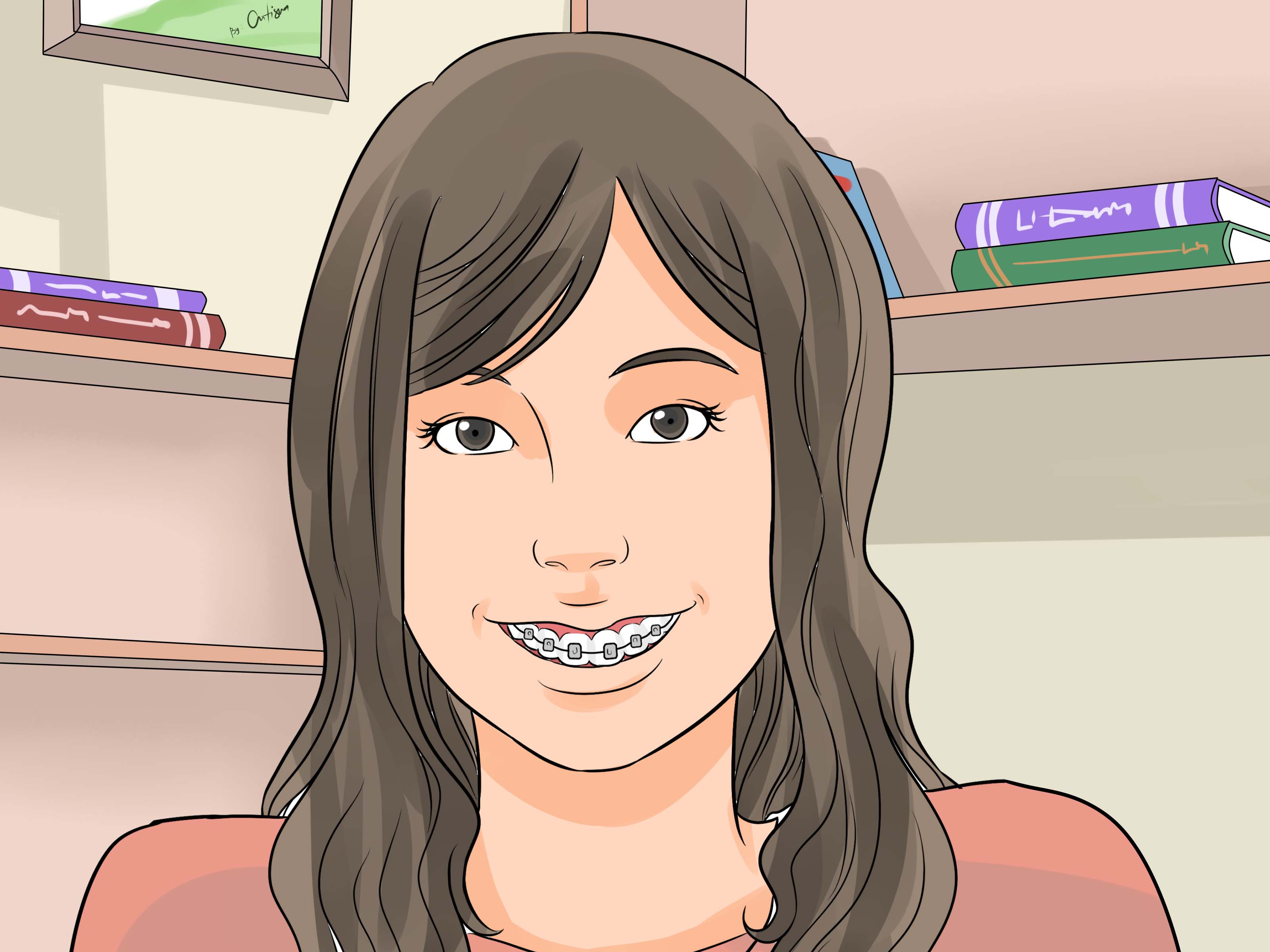
Being sick at school is a special kind of unfair. Your nose is running like it has somewhere important to be, your backpack feels like it contains bricks, and somehow everyone else has the energy of a golden retriever. Still, sometimes you wake up with mild symptoms, no fever, and a test or presentation waiting for you. That is when knowing how to look and feel well at school when you’re sick can help you survive the day without becoming the human version of a crumpled tissue.
Before we get into the 13 steps, let’s be clear: this guide is not about pretending you are fine when you are truly ill. If you have a fever, repeated vomiting, diarrhea, a severe cough, a contagious infection, trouble breathing, a new rash with fever, or symptoms that make it hard to participate, stay home and tell a parent, guardian, school nurse, or doctor. Rest is not laziness; it is your immune system’s office hours.
But if you are dealing with a mild cold, light congestion, allergies, a scratchy throat, or that “I’m not great, but I’m functional” feeling, the right plan can help you feel more comfortable, look more put together, and protect the people around you. Here are 13 practical steps for getting through school while sick without making yourselfor your classmatesmiserable.
13 Steps to Look and Feel Better at School When You’re Sick
1. Decide Honestly Whether You Should Go to School
The first step is not moisturizer, mint gum, or a dramatic “I can do this” mirror speech. It is deciding whether you should be at school at all. Ask yourself: Do I have a fever? Have I vomited more than once? Do I have diarrhea? Am I too dizzy, weak, or uncomfortable to focus? Is my cough constant or intense? If the answer is yes, school can wait.
For mild symptoms, such as a runny nose, slight cough, or minor sore throat, you may be able to attend if you can participate and practice good hygiene. When in doubt, talk to an adult before leaving home. Your goal is not perfect attendance at any cost. Your goal is being well enough to learn without spreading germs like a villain in a science worksheet.
2. Start the Morning with Water
When you are sick, dehydration can make everything feel worse: headaches, dry throat, fatigue, and that heavy “my brain is buffering” feeling. Drink water before school, even if you only sip slowly. Warm water with lemon, herbal tea, or broth can also feel soothing if your throat is scratchy.
Bring a refillable water bottle and keep it nearby. Small sips throughout the day are better than chugging water at lunch and then regretting every staircase in the building. Avoid too much caffeine, because it can make you feel jittery or more dried out.
3. Eat a Simple, Gentle Breakfast
A sick stomach does not want a breakfast that looks like a county fair challenge. Choose something gentle: oatmeal, toast, banana, applesauce, yogurt, scrambled eggs, soup, or rice. A small meal can help stabilize your energy and reduce nausea.
If your throat hurts, soft and warm foods are your friends. If your nose is stuffy, warm liquids may help loosen congestion. If you cannot keep food or fluids down, that is a sign to stay home and get help from an adult.
4. Dress Comfortably but Neatly
Looking well at school when you are sick does not require fashion week-level effort. The magic formula is clean, comfortable, and layered. Wear soft clothes that do not squeeze your stomach or make you overheat. A hoodie, cardigan, or light jacket helps if classrooms swing between “walk-in freezer” and “desert lizard habitat.”
Choose breathable fabrics and shoes you can walk in comfortably. If you look neat, you may feel a little more in control, even if your immune system is currently fighting a microscopic wrestling match.
5. Do a Low-Effort Freshen-Up Routine
When you feel sick, a full beauty routine may sound like climbing a mountain while carrying a trombone. Keep it simple. Wash your face, brush your teeth, apply lip balm, comb your hair, and use deodorant. That alone can make you look more awake and feel less sticky, especially if you had a rough night of coughing or congestion.
If you wear makeup, keep it light. Heavy foundation around a runny nose can turn into a patchy disaster by second period. A tinted moisturizer, a little concealer, and lip balm may be enough. The goal is not to hide illness completely; it is to feel clean and comfortable.
6. Pack a “Sick Day at School” Kit
A small kit can save the day. Pack tissues, hand sanitizer, lip balm, cough drops if allowed, a water bottle, a small snack, and any approved medication you are allowed to take. If your school requires medicine to be kept with the nurse, follow that rule.
Also consider adding a small plastic bag for used tissues, a travel-size lotion for dry hands, and a spare mask if you are coughing or sneezing. Having supplies prevents the awkward classroom whisper: “Does anyone have a tissue?” followed by 24 people pretending they did not hear you.
7. Use Medicine Safely and Only as Directed
Over-the-counter medicine may help with symptoms, but it does not cure a cold or make you less contagious. Always follow the label and ask a parent, guardian, doctor, pharmacist, or school nurse before taking anything. Never mix medicines casually, especially products that contain the same ingredients.
Do not use medicine to force yourself through school if you are truly too sick to be there. Fever reducers may lower your temperature temporarily, but they do not mean your body is ready for a full day of classes, stairs, cafeteria noise, and surprise quizzes.
8. Practice Excellent Hand Hygiene
When you are sick at school, your hands become germ delivery vehicles unless you take charge. Wash your hands with soap and water for at least 20 seconds, especially after coughing, sneezing, blowing your nose, using the bathroom, and before eating.
If soap and water are not available, use hand sanitizer. Try not to touch your face, even though your itchy nose may be acting like it has a personal grudge against you. Clean hands protect your classmates, teachers, and yourself from picking up extra germs while your immune system is already busy.
9. Cover Coughs and Sneezes the Right Way
Use a tissue when you cough or sneeze, throw it away, and wash or sanitize your hands. If you do not have a tissue, cough or sneeze into your elbow, not your hands. This is one of the easiest ways to avoid spreading respiratory droplets around the classroom.
If you are coughing frequently, consider wearing a well-fitting mask if your school allows it. It can help reduce the spread of germs and may also keep your throat warmer. Plus, it gives you a tiny bit of privacy when your nose is doing dramatic things.
10. Tell a Teacher or the School Nurse Early
If you feel worse during the day, do not wait until you are pale, shaky, and starring in your own medical drama. Tell a teacher, counselor, or school nurse. They can help you rest, contact your family, adjust expectations, or decide whether you should go home.
This is especially important if you feel dizzy, have trouble breathing, develop a fever, have chest pain, feel faint, or cannot stop coughing. Asking for help is not embarrassing. Passing out during algebra is much more embarrassing, and it also interrupts the lesson on slope-intercept form.
11. Pace Yourself During the Day
When you are sick, your energy is limited. Spend it wisely. Walk slowly between classes, sit when possible, and avoid unnecessary running, shouting, or hallway chaos. If you have physical education, sports practice, or dance rehearsal, ask an adult whether you should sit out or modify the activity.
Use quiet moments to reset. Close your eyes for one minute, breathe slowly, sip water, or organize your assignments. Small breaks can prevent the afternoon crash, which is when many sick students transform from “I’m okay” into “I am a haunted backpack.”
12. Choose Lunch and Snacks That Help, Not Hurt
Lunch can either support your sick-day survival or launch a rebellion in your stomach. Choose simple foods that are easy to digest and not too greasy. Soup, rice, crackers, fruit, yogurt, sandwiches, or warm leftovers can be good options.
If your throat hurts, avoid super spicy or crunchy foods. If you are congested, warm foods may feel comforting. If you feel nauseated, eat small amounts slowly. And please, do not share drinks, utensils, lip balm, or snacks. Friendship is beautiful; swapping germs is not.
13. Recover Hard After School
The school day is only half the plan. Once you get home, switch into recovery mode. Rest, hydrate, eat something nourishing, take a warm shower if it helps, and go to bed earlier than usual. Your body needs sleep to repair, and your future self will thank you.
Try to finish only the most important homework first. Email a teacher or ask a classmate for notes if you missed something because you had to leave early or focus on feeling better. Getting well is productive. Sometimes the most responsible thing you can do is close the laptop and let your immune system cook.
Extra Tips to Look More Awake When You Feel Sick
Looking better can help you feel better, but keep it realistic. Splash your face with cool water, moisturize dry skin, use lip balm, and keep your hair tidy. If your eyes look tired, avoid rubbing them. If your nose is red from tissues, use softer tissues when possible and apply a little fragrance-free moisturizer around the irritated area.
Good posture also helps. Sit up, relax your shoulders, and breathe slowly through your nose if you can. You do not need to look perfect. You just want to avoid looking like you were assembled in a hurry by raccoons.
When You Should Stop Trying to “Power Through”
There is a big difference between mild discomfort and a body waving a red flag. Go home or seek help if symptoms get worse, you develop a fever, you cannot stay awake, your breathing feels difficult, your chest hurts, you feel dehydrated, or you are too sick to participate in class. Also take repeated headaches, stomachaches, anxiety, or fatigue seriously, especially if they happen often.
School matters, but health matters too. Missing one day to recover can prevent missing several days later. It can also protect classmates, teachers, and family members who may be more vulnerable to illness.
Real-Life Experiences: What It Actually Feels Like to Be Sick at School
Anyone who has gone to school with a cold knows the day has stages. In the morning, you might feel weirdly confident. You pack tissues, zip your backpack, and think, “I can handle this.” First period goes fine. You sip water, answer a question, and feel like a responsible academic warrior. Then second period arrives, your nose stuffs up, and suddenly breathing through your mouth becomes your main extracurricular activity.
One common experience is the tissue panic. You think you packed enough, but by lunch your supply has mysteriously vanished. That is why a sick-day kit matters. Students who prepare ahead usually feel less embarrassed and more in control. A tissue, lip balm, and water bottle can turn a miserable class into a manageable one. It is not glamorous, but neither is sniffing every 14 seconds while your desk partner slowly moves away.
Another real challenge is looking “fine” while feeling awful. Teachers and classmates may not notice when you are struggling, especially if you are quiet or trying to be polite. This is why speaking up matters. Saying, “I’m not feeling great today, but I’m trying to get through class,” can help a teacher understand why you are less energetic than usual. Most teachers would rather know early than watch you slowly fade into your hoodie.
Lunch can also be a turning point. Some students skip food because they feel nauseated, then crash later from low energy. Others eat something heavy and regret it during math. A better approach is choosing mild foods and eating slowly. Even a few crackers, fruit, soup, or a plain sandwich can help you keep going. The goal is not a perfect meal; it is enough fuel to keep your brain from displaying a “low battery” warning.
Socially, being sick at school can feel awkward. You may worry that people think you look tired, sound congested, or are being dramatic. Most people are too busy thinking about their own day to judge yours. Still, good hygiene shows respect. Covering coughs, washing hands, not sharing drinks, and wearing a mask when appropriate sends the message: “I am trying not to turn this classroom into a germ festival.”
The biggest lesson from real sick-at-school days is that pushing through should have limits. If you start the day with mild symptoms and get worse, leaving is not failure. It is smart decision-making. Many students remember the day they ignored symptoms, stayed too long, and ended up needing several days to recover. They also remember the days when they told the nurse early, went home, slept, and bounced back faster.
So the best experience-based advice is simple: prepare, communicate, protect others, and listen to your body. Looking well is nice. Feeling well is better. Getting well is the real victory.
Conclusion
Learning how to look and feel well at school when you’re sick is really about balance. You want to stay comfortable, keep up with school when symptoms are mild, and avoid spreading germs. The 13 steps above can help you manage a rough day with more confidence: check whether you should stay home, hydrate, eat gently, dress comfortably, pack smart supplies, use medicine safely, wash your hands, cover coughs, pace yourself, and recover after school.
But remember: school is important, not magical. It will still exist after you rest. If your symptoms are serious, contagious, or getting worse, stay home or ask for help. The most successful sick-day strategy is not looking perfect. It is knowing when to show up, when to slow down, and when to let your body heal.














