
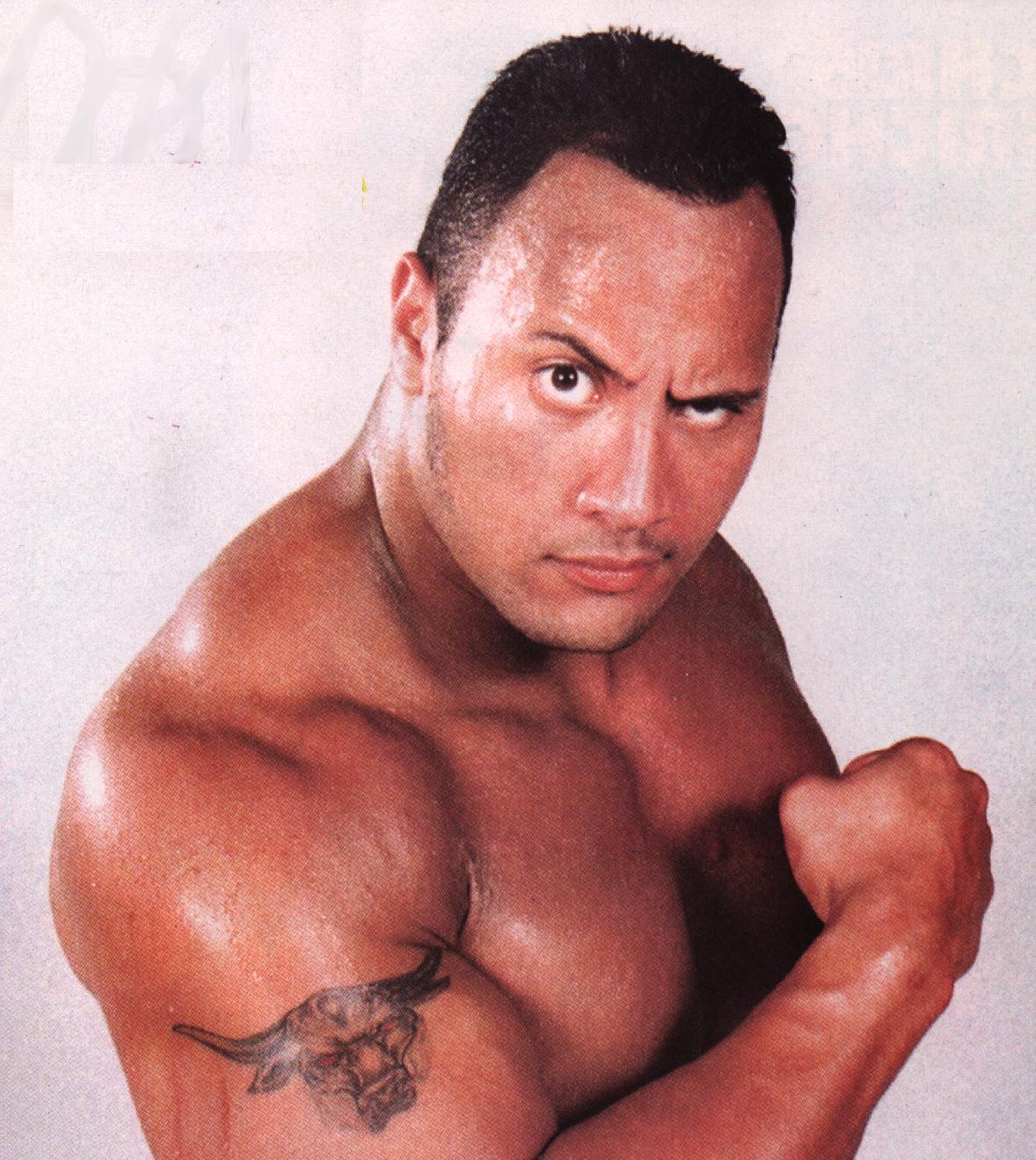
Eyebrows are the unsung roof gutters of the human face. They sit quietly above your eyes, minding their own business, until sweat tries to stage a hostile takeover of your vision. Then, like two fuzzy security guards with excellent timing, they redirect the drip, block the dust, shade the glare, and help your face say, “Really?” before your mouth has even clocked in for work.
For such small strips of hair, eyebrows do a suspiciously large amount of work. They protect your eyes, shape your expressions, help people recognize you, frame your face, and somehow survive decades of changing beauty trends: pencil-thin arches, bold brows, laminated brows, fluffy brows, straight brows, and whatever the internet decides to panic about next Tuesday. They are practical, expressive, dramatic, biological, fashionable, and occasionally rebellious. In other words, your eyebrows are awesome.
Why Eyebrows Deserve a Standing Ovation
Think about the last time you raised one eyebrow. Maybe someone said they “only needed five minutes” and then disappeared for half an hour. Maybe a friend claimed they “don’t like dessert” while eating the last bite of cheesecake. Maybe you opened your email and saw the phrase “quick meeting.” One eyebrow lifted, and suddenly your face became a full courtroom drama.
Eyebrows are not just decoration. They are tiny communication tools. They can soften a smile, sharpen a glare, broadcast surprise, hint at skepticism, and add emotional subtitles to your face. A mouth can lie politely, but eyebrows often leak the truth. They are the punctuation marks of human expression: commas of curiosity, exclamation points of shock, question marks of suspicion, and bold italic underlines of “Absolutely not.”
The Practical Magic of Eyebrows
They Help Protect Your Eyes
The basic job of eyebrows is wonderfully unglamorous: they help keep things out of your eyes. Sweat, rain, dust, and tiny particles are less likely to fall straight into your vision because brow hairs and the shape of the brow ridge help guide moisture toward the sides of the face. Your eyebrows are basically the drainage system your forehead did not ask permission to install.
Anyone who has exercised in hot weather knows this firsthand. One moment you are jogging with confidence, pretending to be in a sports commercial. The next moment, sweat is trying to blind you like it has a personal grudge. Your eyebrows step in and say, “Not today, salty waterfall.” They do not get medals. They do not get applause. They simply show up and do their damp little duty.
They Add Shade and Structure
Eyebrows also help reduce some glare and give the upper face structure. They create a natural frame around the eyes, which is part of why even small changes in brow shape can make a face look more awake, tired, serious, soft, youthful, intense, or surprised. This is why brow grooming can feel oddly powerful. You remove three tiny hairs and suddenly you believe you have your life together. You do not, necessarily, but the brows are doing excellent public relations.
Eyebrows and Facial Recognition
Here is where eyebrows become surprisingly important: people rely on them to recognize faces. Research on face perception has found that eyebrows play a major role in identifying familiar people. Remove or drastically change someone’s eyebrows, and the face can become strangely difficult to place. This is why celebrity “no eyebrow” edits look like they came from a parallel universe where everyone is slightly haunted.
Eyebrows give the face contrast, proportion, and identity. They help separate the forehead from the eyes and create visual landmarks that the brain uses to recognize people quickly. Your eyebrows are like your face’s signature line. Without them, the face may still be technically complete, but it feels like a famous logo with the lettering removed.
The Emotional Language of Eyebrows
Eyebrows are among the fastest ways your face communicates. Raised brows can show surprise, interest, greeting, or disbelief. Furrowed brows can show confusion, concentration, anger, or concern. Soft relaxed brows can make a face look open and approachable. Sharp, tense brows can make even a friendly sentence feel like it is wearing steel-toed boots.
This matters because much of human communication is nonverbal. We read facial expressions constantly, often before we process words. A person can say “I’m fine,” but if their eyebrows are folded into a tiny thunderstorm, everyone in the room knows a chair may soon be moved with feeling. Eyebrows give context. They help listeners understand tone, mood, humor, and intention.
The Universal Eyebrow Raise
Across many social settings, a quick eyebrow raise can act like a silent hello. You see someone across the room, the eyebrows lift, and a whole conversation happens: “I see you. We are socially acknowledging each other. No need to walk over yet because we both have snacks.” This tiny movement is efficient, elegant, and ideal for introverts who want to be warm without committing to a full conversation near the punch bowl.
Eyebrows in Beauty and Style
Beauty trends have treated eyebrows like a playground, a battlefield, and occasionally a science experiment. In some decades, thin brows ruled. In others, full brows took over. Then came bold Instagram brows, feathered brows, soap brows, laminated brows, straight brows, and soft natural brows. Eyebrows have been plucked, waxed, threaded, tinted, shaved, tattooed, brushed upward, brushed sideways, filled in, frozen in place, and begged to grow back after unfortunate decisions made with tweezers and confidence.
The funny thing is that brow trends always change, but good brows are usually the ones that work with your natural features. A brow does not have to look like someone else’s to be attractive. In fact, the most flattering eyebrow shape often respects your own bone structure, hair growth pattern, eye shape, and personality. Some faces look great with soft rounded brows. Others shine with straighter brows or defined arches. Some people have naturally thick brows that enter the room before they do, and honestly, good for them.
The Best Brow Trend Is the One You Can Live With
Trendy brows can be fun, but eyebrows are slow to forgive. Over-plucking can damage follicles over time, and semi-permanent treatments may last longer than the trend that inspired them. That is why many brow experts recommend testing a new look with makeup before making a major change. Want thinner brows? Conceal or fill strategically first. Want fuller brows? Try a pencil, brow pen, powder, gel, or tinted fiber product. Want bleached brows? Maybe test it on a photo before accidentally becoming the mysterious villain in a minimalist perfume ad.
How to Care for Your Eyebrows Without Starting a Tiny Disaster
Keep Grooming Gentle
The simplest eyebrow care routine is often the best: clean the skin gently, brush the hairs into place, trim only obvious long strays, and remove only the hairs that clearly live outside the shape you want. The goal is not to attack your brows. The goal is to negotiate with them.
A spoolie brush can do more than people expect. Brush upward to see the natural shape, then trim carefully if needed. Use clean tweezers, good lighting, and patience. Never shape your brows when you are angry, late, or convinced that “just one more hair” is a safe sentence. That sentence has ruined many arches.
Be Careful Around the Eye Area
The skin around the eyes is delicate, so products used near the brows should be chosen thoughtfully. Harsh exfoliants, strong fragrances, dyes, adhesives, and untested serums can irritate the skin or eyes. Patch testing is a smart move, especially if you have sensitive skin. If redness, swelling, burning, scaling, or itching appears, stop using the product and consider checking with a dermatologist or eye care professional.
Watch for Sudden Brow Hair Loss
Brows naturally change with age, hormones, grooming habits, and genetics. However, sudden eyebrow thinning or patchy loss can sometimes be related to skin conditions, thyroid issues, alopecia, infections, medication effects, nutritional concerns, or chronic inflammation. If your brows begin falling out quickly or unevenly, do not simply blame your mirror. A medical professional can help identify the cause and suggest appropriate treatment.
The Comedy of Bad Eyebrow Decisions
Almost everyone has an eyebrow story. Someone discovered tweezers at age thirteen and emerged from the bathroom with two punctuation marks. Someone tried to “clean up the middle” and accidentally created a facial interstate. Someone used a brow pencil two shades too dark and spent the day looking permanently suspicious, like they knew who stole the office yogurt.
Eyebrow mistakes are funny because they are visible but usually survivable. Hair grows. Makeup washes off. Photos become family folklore. And eventually, the person who once drew on brows with the emotional intensity of a pirate map learns that light strokes, natural shape, and restraint are powerful things.
Why Your Eyebrows Make You Look Like You
Your eyebrows are part of your personal architecture. They help balance the face, support expression, and create character. A strong brow can make a face look confident. A soft brow can make it look gentle. A slightly uneven brow can make it look human, which is far better than looking like a factory-sealed mannequin with premium cheekbones.
Perfect symmetry is overrated anyway. Most faces are not perfectly symmetrical, and that is part of their charm. Eyebrows are sisters, cousins, coworkers, distant relatives, or two neighbors who wave politely but refuse to share a property line. They do not need to match exactly. They need to belong to the same face and contribute to the same overall expression.
Eyebrows as Mood Detectors
Eyebrows also reveal tiny truths about our inner lives. When we are worried, they pull together. When we are surprised, they jump. When we are concentrating, they may gather like a committee reviewing a serious proposal. When we are amused, one brow may drift upward as if it just heard a joke before everyone else.
This is why eyebrows are so useful in storytelling, acting, animation, comics, and emojis. A simple change in brow angle can turn a neutral face into a happy one, a shocked one, a furious one, or a face that says, “I am listening, but I have questions.” Cartoonists know this. Actors know this. Parents listening to suspiciously quiet children know this deeply.
Small Feature, Big Personality
The best thing about eyebrows is that they do so much without demanding much attention. They work while you sleep, sweat, laugh, squint, flirt, doubt, focus, and pretend to understand instructions. They can make you look polished with one swipe of gel or deeply philosophical with one dramatic furrow. They are practical enough for biology and expressive enough for comedy.
In a world obsessed with dramatic makeovers, eyebrows remind us that small details can have huge impact. A little arch, a little texture, a little movement, and suddenly the whole face changes. They are not just hair. They are identity, protection, expression, style, and sarcasm delivery systems.
of Real-Life Eyebrow Experiences
There is a special kind of confidence that arrives after a good eyebrow day. You may still have laundry in the dryer from three days ago. Your inbox may look like it was organized by raccoons. You may have no idea what you are making for dinner. But if your eyebrows are behaving, you feel oddly prepared for civilization. They sit neatly above your eyes like two well-trained assistants, and suddenly you are ready to answer emails, buy groceries, and make eye contact with the barista without feeling like a sleepy woodland creature.
Then there are the bad brow days. One brow points upward with ambition while the other lies flat with no interest in teamwork. You brush them, gel them, whisper encouraging words, and still they look like they are having separate career paths. This is when you realize eyebrows have personalities. One is responsible and punctual. The other wants to start a band.
Eyebrows also have a way of documenting life stages. Childhood brows are usually wild and innocent, growing freely without concern for aesthetics. Teenage brows often enter the experimental era, which may involve over-plucking, shaving slits, copying celebrities, or discovering that black eyeliner is not always a brow product. Young adult brows often become more intentional, shaped by tutorials, salons, and the humbling experience of seeing old photos. Later, brows may become lighter, thinner, grayer, or more independent, but they also gain character. They look like they have attended meetings, survived bills, raised children, heard gossip, and developed opinions about comfortable shoes.
One of the funniest eyebrow experiences is realizing how much they affect first impressions. A person with relaxed brows can seem calm before saying a word. A person with naturally intense brows may look serious even while thinking about pancakes. Some people spend years being told, “You looked mad,” when really their eyebrows were simply born with executive authority. Others have soft brows that make them seem approachable even when they are internally composing a strongly worded message.
Brow grooming can also become a tiny ritual of self-care. Brushing them into place in the morning is not just about appearance. It is a small act of preparation, like smoothing a shirt collar or making the bed. It says, “Okay, face, we are entering the world now. Please act like we have a plan.” Filling a sparse spot, trimming a long hair, or clearing a few strays can feel surprisingly satisfying. The change is small, but the effect is real.
And sometimes the best eyebrow experience is leaving them alone. Letting them grow, accepting their quirks, and realizing they do not need to follow every trend can be freeing. Your brows do not have to be the thickest, sharpest, softest, straightest, or most fashionable brows in the room. They only have to be yours. They have protected your eyes through rain, sweat, bright sunlight, awkward conversations, emotional movies, surprise compliments, and suspicious restaurant bills. They have helped you communicate joy, confusion, disbelief, and the silent phrase, “We will discuss this later.”
So yes, your eyebrows are awesome. They are tiny, expressive, useful, and occasionally dramatic. They are the fuzzy face-framers that make you recognizable, readable, and just a little more you.
Conclusion: Appreciate the Brow
Eyebrows may not get the glory of eyes, the charm of smiles, or the attention of hairstyles, but they quietly hold the whole face together. They protect your vision, support emotional expression, strengthen facial recognition, and give your look its natural frame. They can be fashionable, funny, stubborn, elegant, rebellious, or all of the above before breakfast.
Whether your brows are bold, soft, sparse, thick, straight, arched, uneven, gray, wild, groomed, or currently recovering from an incident involving tweezers, they deserve appreciation. They are one of those small everyday miracles we rarely notice until something changes. So the next time you raise an eyebrow at life, remember: that tiny movement is biology, communication, comedy, and personality all at once.
Note: This article was created from synthesized information from reputable U.S. health, dermatology, psychology, beauty, and medical sources, rewritten in original language for web publication.













