
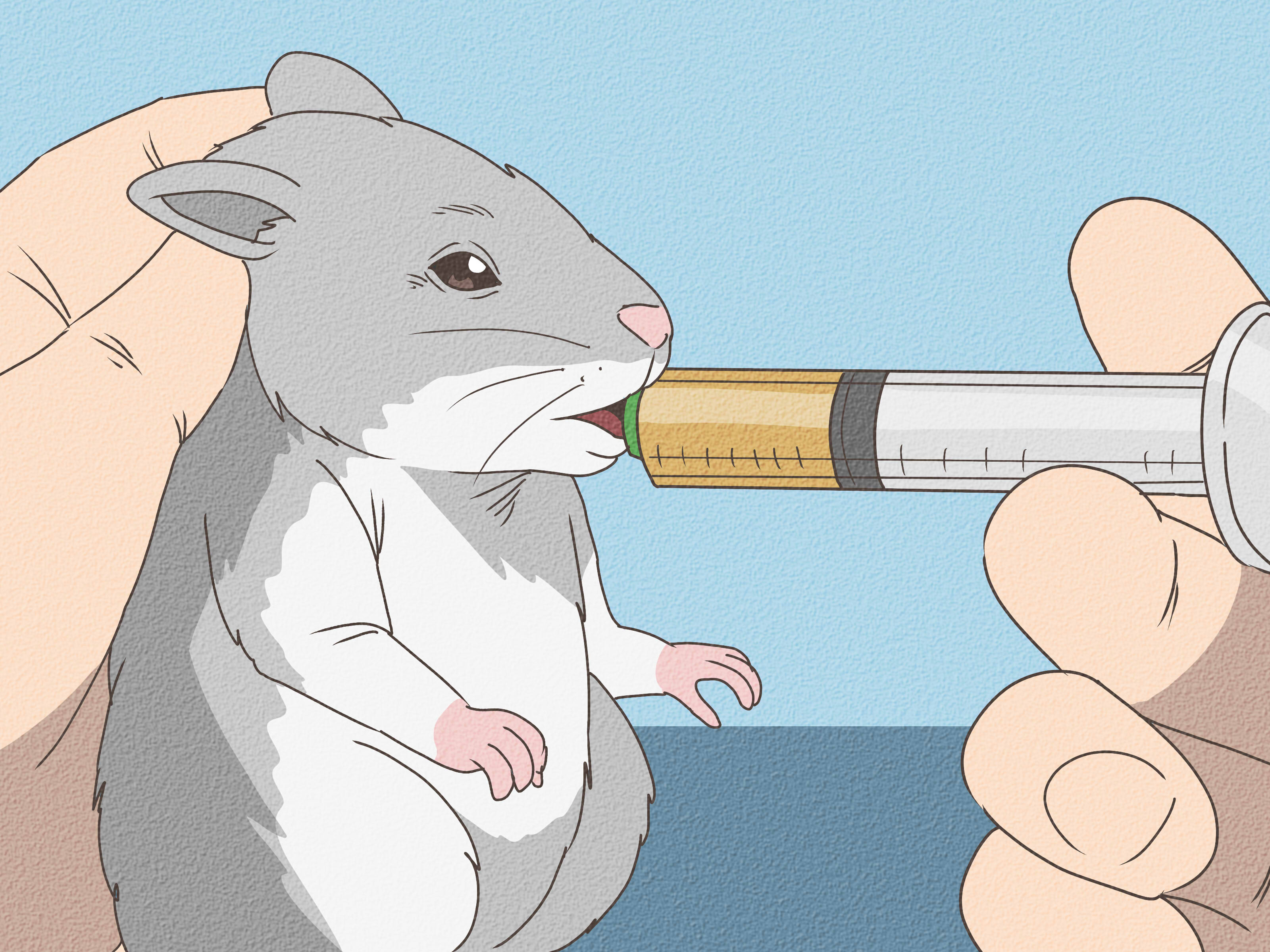
Hamsters may be tiny, but their teeth are running a full-time construction project. Unlike human teeth, hamster incisors grow continuously throughout life, which means your little pocket-sized roommate needs daily chances to chew, gnaw, nibble, shred, and generally act like a very small lumberjack. When those teeth stay properly worn down, your hamster can eat comfortably, groom normally, and live a happier, healthier life. When they get too long, however, trouble can show up fast: drooling, weight loss, dropped food, mouth injuries, and the kind of vet bill that makes your wallet squeak louder than the hamster wheel.
The good news is that hamster dental care is not complicated. You do not need a miniature toothbrush, a dental hygienist costume, or a motivational speech about flossing. You need the right diet, safe chew materials, regular observation, and a plan for calling an exotic-pet veterinarian when something looks wrong. This guide explains how to keep hamster teeth healthy in 14 practical steps, with clear examples for new and experienced hamster owners.
Why Hamster Teeth Need Special Attention
Hamsters are rodents, and gnawing is built into their biology. Their front teeth, called incisors, keep growing, so chewing is not just entertainment; it is dental maintenance. Healthy hamster teeth are usually yellow, orange-yellow, or light brownish in color. That color is normal and comes from strong enamel. In fact, bright white hamster teeth are not the goal. If your hamster’s teeth look like tiny corn kernels, do not panic. If they look overlong, crooked, broken, curled, or are stopping your hamster from eating, that is the real concern.
Dental problems can develop from poor chewing opportunities, inappropriate diet, injury, genetics, aging, or malocclusion, which means the upper and lower teeth do not meet correctly. Once alignment is off, natural chewing may not wear the teeth evenly. That is when professional care becomes important. Never try to trim hamster teeth at home unless you are specifically trained by a veterinarian. A hamster mouth is small, delicate, and not a great place for amateur tool time.
How to Keep Hamster Teeth Healthy: 14 Steps
1. Provide Safe Wooden Chews Every Day
Safe wooden chews are the classic foundation of hamster dental care. Look for untreated, unpainted wood made for small pets. Apple, willow, pear, and other pet-safe woods are common options. The key words are “untreated” and “chemical-free.” Avoid mystery sticks from outside unless you can confirm the tree species and know it has not been exposed to pesticides, traffic pollution, paint, or yard chemicals.
Place several textures in the enclosure so your hamster can choose what feels good. Some hamsters love thin twigs. Others prefer blocks, balls, bridges, or bark-covered chews. A picky hamster is not being rude; it is simply giving a product review with whiskers.
2. Use Cardboard for Chewing and Shredding
Plain cardboard is inexpensive, easy to replace, and surprisingly useful for hamster teeth and enrichment. Empty toilet paper rolls, paper towel tubes, small cardboard boxes, and plain egg-carton pieces can encourage chewing, shredding, tunneling, and nesting behavior.
Remove tape, staples, glossy coatings, heavy ink, glue blobs, and scented materials before offering cardboard. If your hamster stuffs cardboard into a hideout like a tiny interior designer, that is usually fine. Just remove damp or soiled pieces during spot cleaning.
3. Feed a Balanced Hamster Pellet or Lab Block
A complete hamster pellet or lab block should form the nutritional base of the diet. Balanced commercial foods help support healthy bones, muscles, and teeth. Seed mixes may look exciting, but many hamsters selectively eat the fattiest seeds first and ignore the less glamorous bits. This is the hamster version of eating only marshmallows from cereal and calling it breakfast.
Choose a high-quality hamster food formulated for hamsters or small rodents. Follow the feeding amount recommended on the package and adjust with veterinary guidance if your hamster is gaining or losing weight. A steady, balanced diet reduces the risk of nutritional gaps that can affect overall health.
4. Offer Fresh Vegetables in Small Amounts
Fresh vegetables can add variety and moisture, but they should be offered in small, hamster-sized portions. Good examples may include tiny pieces of carrot, cucumber, broccoli, romaine lettuce, spinach, kale, or bell pepper. Introduce new foods gradually to avoid digestive upset.
Remove uneaten fresh food after a few hours so it does not spoil in the bedding. Hamsters are enthusiastic food hoarders. Without regular checks, a fresh vegetable snack can become a science experiment behind the wheel.
5. Keep Sugary and Sticky Treats Rare
Too many sugary treats can contribute to obesity and digestive trouble, and sticky foods can cling around the mouth or pouch area. Fruit should be occasional and tiny. Avoid candy, chocolate, sweetened cereal, cookies, pastries, honey-coated treats, and anything that sounds like it belongs at a birthday party instead of in a hamster habitat.
For dwarf hamsters, be especially cautious with sugar because some species are prone to diabetes. A safe treat is not just about teeth; it is about the whole hamster.
6. Add Hay for Texture and Enrichment
Hamsters do not require hay in the same way rabbits and guinea pigs do, but small amounts of clean timothy hay or meadow hay can provide chewing texture, nesting material, and foraging fun. Some hamsters nibble it, some ignore it, and some use it to build a dramatic bedroom worthy of a tiny real-estate listing.
Use dust-free, mold-free hay. Replace it when it becomes damp, dusty, or soiled. If your hamster shows no interest, do not worry; use other safe chew options instead.
7. Rotate Chew Toys to Prevent Boredom
Dental health and mental enrichment go together. A bored hamster may chew cage bars, plastic, or unsafe objects. Rotate chew toys weekly to keep the enclosure interesting. You can offer wooden blocks one week, willow balls the next, cardboard tunnels after that, and a chewable hideout when your hamster seems ready for a renovation project.
Do not overcrowd the cage with every chew toy you own. Give a few choices, observe what gets used, and replace items as needed. The best chew toy is the one your hamster actually chews.
8. Avoid Plastic Chews and Unsafe Cage Accessories
Plastic is not ideal for dental wear and can be risky if your hamster gnaws and swallows pieces. Hard, sharp plastic fragments may injure the mouth or digestive tract. If your hamster chews plastic houses, wheels, tubes, or bowls, replace them with safer alternatives such as ceramic dishes, wooden hides, cardboard accessories, or properly designed small-pet products.
Also avoid painted wood, scented chews, resin-coated decorations, cedar, pine that has not been properly kiln-dried, and anything with small parts that could break off. When in doubt, leave it out.
9. Stop Cage-Bar Chewing Early
Cage-bar chewing may look like normal rodent behavior, but it can damage teeth, irritate the nose, and signal stress or boredom. Common causes include a cage that is too small, lack of enrichment, poor wheel size, not enough bedding depth, or frustration from wanting to explore.
Improve the habitat by providing deeper bedding, more hides, a properly sized solid-surface wheel, tunnels, scatter feeding, and safe chew items. If bar chewing continues, consider switching to a large tank-style or bin-style enclosure with good ventilation. Your hamster’s teeth should be wearing down on safe materials, not metal bars.
10. Check Eating Habits Daily
One of the earliest signs of dental trouble is a change in eating. Watch whether your hamster is picking up food, chewing normally, and finishing regular meals. Dropping food, refusing hard pieces, taking longer to eat, or suddenly preferring soft foods can suggest mouth pain or overgrown teeth.
Because hamsters store food, the bowl may not tell the whole story. Check food hoards during cleaning and monitor body condition. A hamster can move food without truly eating it, which is sneaky, adorable, and medically inconvenient.
11. Look for Warning Signs of Dental Problems
Dental issues can become serious quickly. Contact an exotic-pet veterinarian if you notice drooling, wet fur around the chin, weight loss, bad breath, swelling around the jaw or face, pawing at the mouth, bleeding, visible tooth overgrowth, broken teeth, curled teeth, difficulty chewing, or a sudden behavior change.
Also pay attention to grooming. A hamster with mouth pain may look messy, greasy, or less active. Since hamsters are prey animals, they often hide illness until it is advanced. A small change deserves attention.
12. Learn What Healthy Hamster Teeth Look Like
Healthy incisors should be aligned well enough for natural chewing, not curling into the lips, gums, or roof of the mouth. They should not be cracked, jagged, extremely uneven, or preventing the mouth from closing. Their yellow-orange color is usually normal, so do not try to “whiten” them. Hamsters do not need cosmetic dentistry. They need function.
To check the front teeth, wait until your hamster is calm and gently observe while it eats, yawns, grooms, or nibbles a treat. Do not force the mouth open. A stressed hamster can bite, wiggle, or injure itself. If you cannot see clearly, let a veterinarian check.
13. Schedule Veterinary Care for Overgrown or Broken Teeth
If teeth become too long, crooked, broken, or painful, professional trimming or treatment may be needed. Exotic-pet veterinarians have the tools and training to examine a tiny mouth safely. Back teeth are especially difficult to evaluate at home and may require special instruments or sedation.
Do not clip hamster teeth with nail clippers at home. Cutting too short, splitting the tooth, or injuring the mouth can cause pain, infection, and long-term damage. Internet confidence is not a veterinary degree, even when delivered in a cheerful video.
14. Build Dental Care Into the Weekly Routine
The easiest way to keep hamster teeth healthy is to make dental care part of normal care. During weekly cage cleaning, check chew toys, remove splintered or dirty items, replace cardboard, refresh hay, and note whether your hamster has been chewing normally. Weigh your hamster regularly with a small digital scale, because weight loss can be one of the clearest signs that something is wrong.
Keep a simple care note on your phone: food eaten, weight, chew toy preferences, and any unusual behavior. This record helps you spot patterns and gives your veterinarian useful information if a problem appears.
Best Chew Options for Hamster Dental Health
The best chew options are safe, natural, and interesting. Good choices include untreated hardwood sticks, apple or willow chews, plain cardboard tubes, hay, small-pet wooden blocks, chewable grass mats, and pesticide-free natural twigs sold for pets. You can also use hard plain dog biscuits occasionally if your veterinarian approves and the ingredients are hamster-safe.
Avoid cedar, unknown outdoor branches, painted toys, dyed wood of uncertain quality, plastic chew toys, flavored treats with lots of sugar, and mineral blocks used as the only chew source. Mineral blocks are popular, but they should not replace wood, cardboard, and proper food. Some hamsters ignore them completely, possibly because they have read the reviews and remain unimpressed.
Common Hamster Teeth Mistakes to Avoid
Using Seed Mix as the Main Diet
A seed-only diet can be too fatty and incomplete. It may also encourage selective eating. Use a complete hamster pellet or lab block as the base, with seeds as limited treats or part of a balanced formula.
Ignoring Yellow Teeth
Yellow-orange teeth are usually normal in hamsters. The color alone is not a sign of poor hygiene. Focus on length, alignment, eating ability, and signs of pain.
Waiting Too Long to Call a Vet
Small animals can decline quickly when they cannot eat. If your hamster stops eating, drools, loses weight, or has visible tooth problems, do not wait several days to “see what happens.” With hamsters, waiting can turn a small issue into an emergency.
Buying Cute but Unsafe Accessories
Not every product marketed for small pets is ideal. Choose function over cuteness. Your hamster does not care whether a chew toy matches your room decor. Your hamster cares whether it can gnaw it safely at 2:17 a.m. with the intensity of a tiny beaver.
When Hamster Teeth Become an Emergency
A dental issue may be urgent if your hamster cannot eat, cannot close its mouth, has a tooth growing into soft tissue, is bleeding from the mouth, has facial swelling, is very lethargic, or is losing weight quickly. These signs require veterinary attention. Overgrown teeth can injure the gums, tongue, cheeks, or roof of the mouth. Broken teeth can become painful or infected. Jaw swelling may indicate an abscess.
If you suspect an emergency, place your hamster in a secure carrier with familiar bedding, keep the environment warm and quiet, and contact an exotic-pet veterinarian. Do not attempt home trimming, force-feeding, or medication without professional guidance.
Extra Experience-Based Tips for Keeping Hamster Teeth Healthy
After caring for hamsters and speaking with small-pet owners, one lesson becomes obvious: the hamster will always tell you what works, but it may whisper instead of shout. A brand-new wooden chew may sit untouched for days, while a boring cardboard tube becomes the greatest invention since the wheel. That does not mean you failed. It means hamster dental care is partly observation and partly negotiation with a furry creature the size of a dinner roll.
A practical strategy is to create a “chew menu.” Offer three different textures at the same time: one firm wood item, one shreddable cardboard item, and one natural fiber or hay-based item. Watch what gets tooth marks. If the apple stick is ignored but the willow ball is destroyed overnight, buy more willow. If cardboard tubes disappear into the bedding like secret construction material, keep a clean supply ready. Hamsters enjoy control over their environment, and giving choices often encourages healthier chewing.
Another useful habit is checking the food stash. Many owners look at the bowl and assume everything is fine because food is missing. But hamsters are expert hoarders. A hamster with sore teeth may still move pellets into a corner without eating them. During spot cleaning, look for piles of uneaten hard food. If you suddenly find more intact pellets than usual, that can be a clue that chewing has become uncomfortable.
Weight tracking is also underrated. A tiny kitchen scale can reveal problems before they become obvious. Weigh your hamster at the same time of day once a week, using a small container so your pet does not launch itself off the scale like a furry popcorn kernel. Write the number down. A small fluctuation can be normal, but steady loss should raise concern, especially when paired with softer food preferences, drooling, or reduced activity.
Many dental problems also connect to habitat quality. A hamster in a cramped, boring cage may chew metal bars out of frustration. That behavior can damage teeth and does not provide healthy wear. Deep bedding, tunnels, hides, scatter feeding, a large wheel, and safe chew materials can reduce stress-related chewing. Think of the cage as a full hamster apartment, not a storage box with bedding. A busy hamster is more likely to chew appropriate items and less likely to redecorate the bars with its incisors.
Finally, build a relationship with an exotic-pet veterinarian before an emergency happens. Not every dog-and-cat clinic regularly treats hamsters, and finding the right vet during a crisis is stressful. Keep the clinic number saved. Ask whether they handle hamster dental trims, broken incisors, malocclusion, and mouth injuries. That little bit of preparation can make a big difference when your hamster suddenly stops eating or shows signs of pain.
The everyday formula is simple: balanced food, safe chews, clean habitat, regular observation, and fast veterinary help when needed. Hamster teeth do not need perfection; they need steady maintenance. Give your hamster the right materials and attention, and those tiny orange tools can keep doing their job beautifully.
Conclusion
Keeping hamster teeth healthy is mostly about respecting what hamsters are built to do: chew. Their continuously growing incisors need safe wear from wooden chews, cardboard, balanced food, and enriching activities. Owners should avoid seed-only diets, sugary treats, unsafe plastic, and cage-bar chewing. Just as important, they should watch for warning signs such as drooling, weight loss, dropped food, facial swelling, broken teeth, or teeth that look too long or misaligned.
With a smart routine, hamster dental care becomes simple. Offer safe chew options, rotate toys, inspect the habitat, monitor eating, weigh your hamster, and contact an exotic-pet veterinarian when something seems off. Your hamster may be small, but dental health plays a huge role in comfort, appetite, and quality of life. Keep the teeth working well, and your tiny night-shift snack manager will have a much better chance at a happy, healthy life.
Note: This article is for educational pet-care content and does not replace diagnosis or treatment from an exotic-pet veterinarian.














