
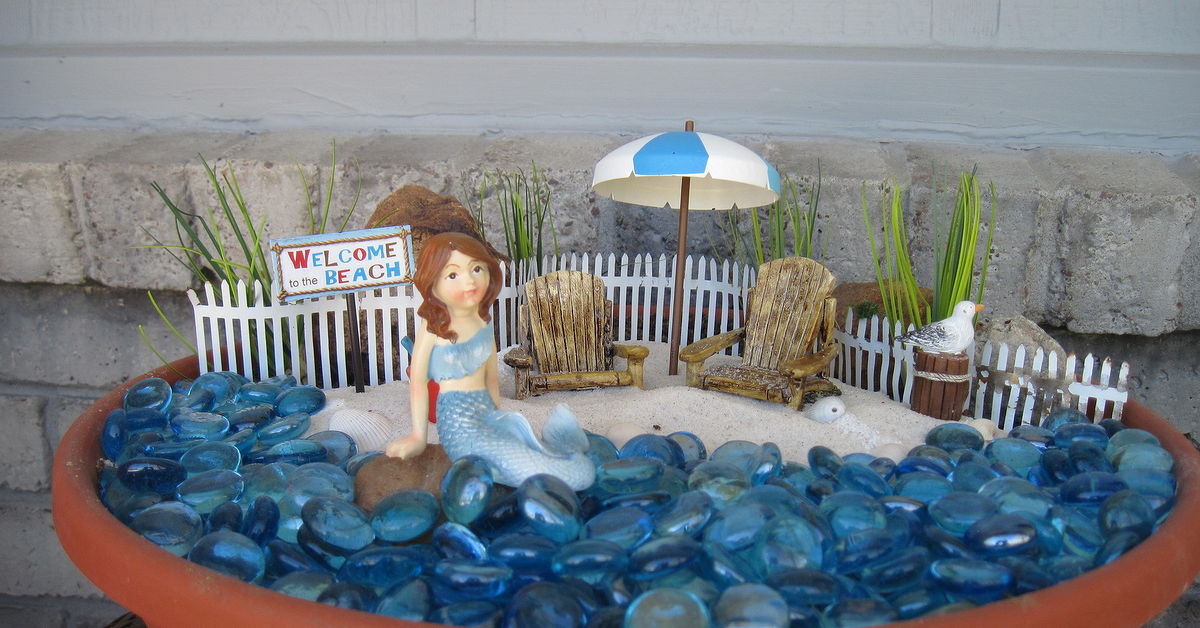
A beach themed fairy garden is what happens when a seaside vacation, a tiny cottage, a few seashells, and one very relaxed fairy decide to share a planter. It is part miniature garden, part coastal decor, and part “I miss the ocean, so I built one in a bowl.” Whether you live near the beach or hundreds of miles from the nearest wave, this whimsical project brings shore-style charm to a patio, windowsill, balcony, porch, or sunny tabletop.
The best part? You do not need a giant yard, a landscaping crew, or a fairy with a contractor’s license. A shallow container, well-draining soil, miniature accessories, small plants, sand-colored topdressing, pebbles, shells, and a little storytelling are enough to create a tiny coastal world. Think driftwood benches, pebble paths, a shell-roof cottage, a blue-glass “lagoon,” and maybe a fairy holding a beach umbrella like she has no plans to answer emails today.
This guide walks through design ideas, plant choices, materials, layout tips, care advice, common mistakes, and hands-on experiences for building a beach themed fairy garden that looks magical without becoming a soggy sandbox with regrets.
What Is a Beach Themed Fairy Garden?
A beach themed fairy garden is a miniature garden designed to look like a tiny seaside scene. It usually includes small-scale plants, decorative sand, shells, stones, beach chairs, mini fences, tiny cottages, mermaids, sea glass, driftwood, and coastal colors such as white, aqua, blue, tan, coral, and soft green. Unlike a regular fairy garden with woodland moss and mushroom houses, this version borrows its personality from beach cottages, dunes, tide pools, boardwalks, and summer vacations.
The secret is scale. A pebble becomes a boulder. A shell becomes a roof. A scrap of driftwood becomes a bench. A blue glass bead becomes a sparkling ocean inlet. Once you start looking at ordinary objects as fairy-sized architecture, your junk drawer becomes a coastal real estate market.
Why Beach Fairy Gardens Are So Popular
Beach fairy gardens are popular because they combine three things people already love: gardening, beach decor, and tiny things that make adults say, “Wait, that is adorable.” They work well for small spaces, apartment balconies, family craft projects, summer centerpieces, and relaxing weekend DIY sessions.
They are also flexible. You can build one in a terra-cotta saucer, ceramic bowl, wooden crate, galvanized tub, broken pot, glass terrarium, birdbath, or repurposed tray. Outdoor versions can handle sun and rain if the container drains well. Indoor versions can sit near a bright window, especially when made with succulents, air plants, preserved moss, or faux plants.
Best Containers for a Beach Themed Fairy Garden
The container sets the stage. For a beach themed fairy garden, choose something wide enough to create zones: a sandy beach, a plant area, a tiny house, and a path. Shallow containers work beautifully because they make the miniature scene easy to view from above.
Good container options
A shallow ceramic bowl gives the garden a clean indoor look. A terra-cotta saucer feels natural and warm. A galvanized metal tub creates a rustic coastal farmhouse style. A wooden box works well for a boardwalk-inspired design. A broken pot can become a layered cliffside beach scene. A glass bowl can look beautiful indoors, but it needs careful watering because glass containers often lack drainage.
For living plants, drainage holes are not optional; they are the tiny garden’s life insurance policy. Excess water trapped in the soil can lead to root rot, fungus gnats, and unhappy plants. If the perfect container has no holes, either drill drainage holes if the material allows it, use faux plants, or build the living plants in small nursery pots hidden inside the display.
Soil, Sand, and Drainage: The Big Three
A beach themed fairy garden may look sandy on top, but the plants should not be grown in pure beach sand. Most miniature plants need a lightweight, well-aerated potting mix. Succulents and cacti prefer especially fast-draining soil. A cactus or succulent mix is a smart choice for sunny beach fairy gardens because it drains better than heavy garden soil.
Use decorative sand only as a thin top layer, not as the main growing medium. A little sand can create the beach look, but too much can compact, hold moisture unevenly, or make watering tricky. The practical recipe is simple: potting mix below, decorative sand and pebbles above. The fairies get the beach view; the roots get breathable soil. Everyone wins.
Avoid placing a thick layer of gravel at the bottom of the pot under the soil. It sounds helpful, but it can actually keep water sitting in the potting mix above the gravel. Better drainage comes from real drainage holes, quality potting mix, and careful watering.
Best Plants for a Beach Themed Fairy Garden
Choose plants that stay small, grow slowly, and match the light conditions of your display. For a sunny beach themed fairy garden, succulents are excellent because many have compact shapes, interesting textures, and low water needs. Their plump leaves also look great beside shells and stones, almost like little sea creatures pretending to be plants.
Succulents for a sunny coastal look
Try echeveria for rosette shapes that resemble tiny sea flowers. Sedum works well as a low-growing filler or “dune plant.” Sempervivum, often called hens and chicks, brings charming clusters that spread slowly. Crassula varieties can look like tiny shrubs. String of pearls can trail over the edge of a container like green beach beads.
Small foliage plants for a lush look
If your garden will sit in bright indirect light instead of direct sun, consider small-leaf plants such as baby tears, creeping fig, miniature ferns, or pilea. These create a softer, greener beach cottage feel. They need more moisture than succulents, so do not mix thirsty ferns with dry-loving cacti in the same container unless each plant is kept in its own hidden pot.
Air plants for easy coastal decor
Air plants are great for shell displays, driftwood accents, and indoor beach fairy gardens. They do not need soil, which makes them perfect for tiny “tide pool” scenes. Tuck them into shells or attach them loosely to driftwood, then mist or soak them according to their care needs. Just do not glue the living part of the plant like you are crafting a hostage situation.
Beach Fairy Garden Accessories That Actually Work
Accessories turn a planter into a story. A good beach themed fairy garden usually includes one focal point, such as a tiny cottage, lighthouse, boat, mermaid, beach umbrella, or fairy door. Around that focal point, add supporting details that guide the eye.
Mini beach chairs, surfboards, fishing nets, lanterns, starfish shapes, tiny buckets, blue glass pebbles, shell paths, rope fences, and small signs can all work. A miniature sign that says “Mermaid Parking Only” may not be botanically necessary, but emotionally, it is doing important work.
Use real shells thoughtfully. If you collect shells, follow local rules and avoid taking living shells, occupied shells, coral, sand dollars, or protected natural materials. Store-bought craft shells are often the easiest option. For an eco-friendlier approach, use recycled glass, ceramic pieces, purchased pebbles, or shells you already own.
How to Build a Beach Themed Fairy Garden Step by Step
Step 1: Pick your story
Before adding soil, decide what scene you want. Is it a fairy beach cottage? A mermaid lagoon? A tiny island resort? A shipwreck garden? A shell collector’s hideaway? A clear theme helps you avoid the classic mistake of adding every cute miniature you own until the garden looks like a beach gift shop exploded.
Step 2: Prepare the container
Clean the container and make sure it has drainage holes if you are using live plants. Add mesh or a small piece of screen over the holes to keep potting mix from washing out. Fill the container with cactus mix, succulent mix, or a lightweight potting mix suited to your chosen plants.
Step 3: Place the largest objects first
Add the fairy house, lighthouse, driftwood, or biggest stone before planting. These pieces create the structure of the scene. Place them slightly off-center for a more natural look. A centered cottage can feel stiff, while an off-center cottage looks like it belongs in a breezy seaside village where nobody owns a level.
Step 4: Add plants
Plant taller items toward the back and low-growing plants near the front. Use odd numbers when possible: three small succulents often look better than two. Leave room for growth, even if the plants are tiny now. Fairy gardens are miniature, not motionless.
Step 5: Create the beach surface
Add a thin layer of decorative sand, crushed stone, aquarium gravel, or fine pebbles. Keep sand away from the crowns of succulents and the base of moisture-sensitive plants. Use blue glass pebbles or flat marbles to create a pond, stream, or ocean edge. The water is fake, which is convenient because fairy lifeguards are notoriously unreliable.
Step 6: Finish with details
Add shells, mini furniture, signs, tiny fences, and stepping stones. Use restraint. A few well-placed details feel magical; too many make the garden look crowded. Leave open “sand” space so the scene can breathe.
Design Ideas for a Beach Themed Fairy Garden
1. The Mermaid Lagoon
Use blue glass pebbles as water, white sand as the shore, and small succulents as dune plants. Add a mermaid figurine, a shell throne, and a few pearl-like beads. This design works especially well in a shallow bowl or glass dish.
2. The Tiny Beach Cottage
Choose a miniature cottage with a shell roof or pastel door. Add a pebble path, driftwood bench, tiny fence, and two small plants as “shrubs.” This is one of the easiest designs for beginners because it has a clear focal point.
3. The Shipwreck Fairy Garden
Use a broken clay pot, weathered wood, and a small boat accessory to create a dramatic coastal scene. Add trailing succulents to soften the edges. A tiny treasure chest is optional but highly encouraged, because even fairies deserve snacks and gold coins.
4. The Dune Garden
Keep the design simple with tan sand, pale stones, grasses, sedum, and a small boardwalk made from craft sticks. This style looks more natural and less toy-like, perfect for modern coastal decor.
5. The Shell Collector’s Hideaway
Arrange tiny baskets, shells, a beach towel, and a fairy figure near a small cottage. Use soft colors and natural textures. This design feels cozy, nostalgic, and ideal for anyone who still has a vacation shell collection in a drawer.
Indoor vs. Outdoor Beach Fairy Gardens
An indoor beach themed fairy garden is easier to protect from rain, wind, squirrels, and mysterious neighborhood creatures with strong opinions about moss. It works best near bright light and with plants that tolerate indoor conditions. Succulents need strong light, so a sunny windowsill or grow light may be necessary.
An outdoor fairy garden has more natural charm and can be placed on a patio, porch, deck, or garden table. Outdoor displays need weather-resistant accessories. Resin, stone, sealed wood, ceramic, and metal usually last longer than paper, untreated wood, or delicate painted pieces. If heavy rain is common, use less loose sand and more pebbles so the beach does not migrate across the patio.
Watering and Maintenance Tips
Water according to plant needs, not the cuteness level of the garden. Succulent fairy gardens should dry out between watering. When you do water, water the soil thoroughly and let excess water drain out. Do not water just because the miniature beach chair looks thirsty.
Remove dead leaves, wipe dusty accessories, and reposition loose shells after rain or watering. Trim plants lightly to maintain scale. If one succulent grows too large, move it to another pot and replace it with a smaller plant. Think of it as fairy urban planning.
For outdoor gardens, check after storms. Wind can scatter sand, rain can expose roots, and curious birds may redecorate with the confidence of unpaid interior designers. Refresh the topdressing when needed and bring delicate accessories indoors during harsh weather.
Common Mistakes to Avoid
The first mistake is using too much sand. Sand looks beachy, but plant roots usually prefer potting mix with better structure and airflow. The second mistake is mixing plants with very different water needs. Succulents and ferns can both be beautiful, but they do not want the same watering routine.
The third mistake is overcrowding. Miniatures are addictive. One tiny chair becomes two chairs, then a table, then a crab, then a sign, then suddenly your fairy garden has more furniture than your living room. Leave some empty space so the design feels intentional.
The fourth mistake is forgetting scale. Large shells can overwhelm tiny plants. Very small accessories can disappear under foliage. Keep the main elements proportional so the scene reads clearly from a normal viewing distance.
Budget-Friendly Beach Fairy Garden Ideas
You can build a beautiful beach themed fairy garden without spending much. Use a thrifted bowl, an old baking dish, a chipped pot, or a wooden box. Make a mini boardwalk from popsicle sticks. Twist jute twine into a rope fence. Paint small stones as beach cottages. Use blue glass vase filler for water. Turn a bottle cap into a tiny table. A broken seashell can become a fairy sink, which is ridiculous and wonderful.
Dollar stores, craft stores, aquarium sections, and garden centers are useful places to find inexpensive materials. Look for small pebbles, faux succulents, decorative sand, mini lanterns, tiny buckets, and craft wood. Just keep outdoor durability in mind. Some inexpensive accessories fade quickly in sun, so seal painted pieces with an outdoor-safe clear coat if needed.
Kid-Friendly Beach Fairy Garden Project
A beach fairy garden is a fantastic project for kids because it combines art, nature, storytelling, and hands-on design. Let children choose the theme, arrange the path, and name the fairy village. Give them a small tray of safe materials: pebbles, shells, craft sticks, mini signs, and sturdy plants.
For younger children, faux plants may be easier and safer. For older kids, use hardy succulents and teach basic watering habits. This project can also become a summer memory garden. Add a tiny photo charm, a shell-shaped label, or a painted stone with the year. It becomes more than decor; it becomes a miniature vacation scrapbook.
of Experience: What Building a Beach Themed Fairy Garden Teaches You
The first time you build a beach themed fairy garden, you may think the hardest part will be choosing plants. It is not. The hardest part is stopping yourself from adding “just one more thing.” A tiny surfboard seems harmless. Then comes a miniature crab. Then a lighthouse. Then a fairy holding a coconut drink. Before long, the poor succulent is surrounded by so much vacation infrastructure that it looks like it needs a zoning permit.
Experience teaches that the best fairy gardens usually start with restraint. Pick one main story and let every detail support it. If the story is “quiet beach cottage,” you probably do not need a pirate ship, three flamingos, and a mermaid nightclub. If the story is “mermaid lagoon,” then yes, sparkle awaybut still leave some breathing room.
Another lesson is that drainage matters more than decoration. A fairy garden can survive an ugly accessory, but it cannot survive constantly wet roots. The prettiest shell path in the world will not save a succulent planted in a sealed bowl and watered like a fern. When in doubt, choose drainage holes, use succulent mix, and water less often. The plants will reward you by staying alive, which is a very underrated design feature.
Scale is also something you learn by doing. At first, you may grab shells because they are beautiful, only to discover that one large scallop shell makes the fairy house look like it was built next to a stadium. Smaller shells, fine gravel, tiny stones, and miniature accessories usually create a more believable scene. A good trick is to place everything before planting, then step back and squint. If one object steals the whole show, it may need a smaller role.
Sunlight teaches its own lessons. Outdoor beach fairy gardens can fade, dry quickly, or get rearranged by weather. Indoor gardens can stretch toward light if they are too far from a sunny window. Succulents especially need bright conditions to stay compact and colorful. If they begin leaning like they are trying to escape the beach, they probably need more light.
Maintenance becomes easier when the design is simple. Loose sand looks beautiful, but wind and watering can move it around. Pebbles and crushed stone stay put better. Accessories with stakes are less likely to topple. A small paintbrush is useful for cleaning sand off leaves and tiny furniture. Yes, at some point you may find yourself dusting a fairy chair with a paintbrush. This is normal. Probably.
The most enjoyable part is how personal the garden becomes. A shell from an old vacation, a painted stone from a child, a tiny sign with a family joke, or a blue bead “ocean” can turn the project into a memory. A beach themed fairy garden is not just a craft; it is a little world that reflects your idea of escape. Some people want a tidy coastal cottage. Some want a wild mermaid cove. Some want a fairy retirement village with excellent views and zero meetings. All are valid.
After building a few, you learn that perfection is not the goal. The goal is charm. A slightly crooked fence looks handmade. A plant growing over a path makes the scene feel alive. A shell that shifts after watering may look more natural than before. The garden changes, and that is part of the fun. Like a real beach, it is never exactly the same twice.
Conclusion
A beach themed fairy garden is a small project with a big imagination. With the right container, well-draining soil, suitable miniature plants, coastal decorations, and a clear design story, you can create a tiny seaside escape for a porch, patio, desk, balcony, or sunny windowsill. Keep the roots happy, use sand as decoration rather than soil, choose accessories with intention, and let the scene tell a story. The result is charming, relaxing, and just whimsical enough to make visitors lean closer and smile.
Note: This article was created from synthesized gardening knowledge, including U.S. extension-based container gardening practices, succulent care principles, coastal garden design ideas, and responsible nature-crafting recommendations. It contains no source placeholders or citation tags.













