
A simple planter box is one of the friendliest garden projects you can build. It does not require a landscape architect, a truckload of mysterious tools, or a deep spiritual bond with lumber. With a few boards, good soil, drainage, sunlight, and a little planning, you can grow vegetables, herbs, flowers, and possibly a shocking amount of basil that insists on becoming pesto.
Whether you have a backyard, patio, balcony, driveway edge, or one stubborn sunny corner beside the garage, a DIY planter box can turn unused space into a productive mini garden. It gives you better control over soil quality, helps reduce weeds, improves accessibility, and makes gardening feel more organized than “I put seeds somewhere and now we wait.”
This guide walks through how to plan, build, fill, plant, and maintain a simple planter box for vegetables or flowers. The goal is practical, beginner-friendly, and realistic: a sturdy box that looks good, drains well, supports healthy roots, and does not collapse dramatically during tomato season.
Why Build a Simple Planter Box?
A planter box is a contained growing space, usually made from wood, metal, plastic, or another durable material. Some planter boxes have bottoms and behave like large containers. Others are open-bottom raised beds that sit directly on the ground, allowing roots to grow deeper into the native soil below.
The biggest advantage is control. Instead of wrestling with compacted clay, rocky ground, poor drainage, or mystery soil that may have hosted three decades of lawn chemicals and one lost garden gnome, you choose the growing medium. That means healthier roots, better moisture management, and fewer surprises.
Planter boxes also make gardening easier on the body. Raising the growing area even a little can reduce bending, kneeling, and awkward harvesting positions. For people with small yards, mobility challenges, or limited time, this can be the difference between enjoying the garden and silently glaring at it from the kitchen window.
Plan Before You Build
Choose the Right Location
Most vegetables need at least six to eight hours of direct sunlight per day. Tomatoes, peppers, cucumbers, squash, eggplant, and beans are sun lovers. Give them a bright spot, and they will reward you. Put them in deep shade, and they may respond with leafy disappointment.
Cool-season crops and some leafy greens are more forgiving. Lettuce, spinach, scallions, baby kale, radishes, and many herbs can grow with less sun, especially in hot climates where afternoon shade helps prevent wilting and bitterness.
For flowers, match the plant to the light. Zinnias, marigolds, petunias, salvia, cosmos, and sunflowers prefer plenty of sunshine. Impatiens, begonias, coleus, and some ferns handle shadier corners. The plant tag is not decorative confetti; it is the tiny instruction manual your future self will wish you had read.
Keep Water Access Close
Planter boxes and raised beds often dry out faster than in-ground gardens because their soil is more exposed to air and heat. Place your box near a hose, rain barrel, or easy watering route. If watering requires dragging a hose around two chairs, one bicycle, and a suspiciously angry shrub, you will eventually “forget.” Plants are not great at forgiving forgetfulness.
Think About Size and Reach
A practical planter box should be easy to reach from the sides. For an open-bottom raised bed, four feet wide is usually the maximum if you can access both sides. If the box is against a fence or wall, keep it closer to two feet wide so you can reach the back without performing yoga you did not sign up for.
Length is flexible, but six to eight feet is a common sweet spot because lumber often comes in convenient lengths and the box remains manageable. Very long boxes can bow, warp, or tempt you to step inside, which compacts the soil. Plants enjoy loose soil. They do not enjoy human footprints.
Best Materials for a Simple Planter Box
Wood
Wood is popular because it is affordable, easy to cut, and attractive. Cedar, redwood, cypress, and locust are naturally rot resistant and can last for years. Pine and fir are cheaper and easier to find, but they may break down sooner, especially in damp climates.
If you are growing food, avoid old railroad ties, unknown salvaged lumber, or wood treated with unsafe chemicals. Modern pressure-treated wood is different from older arsenic-treated lumber, but many gardeners still prefer untreated or naturally rot-resistant wood for edible gardens. When in doubt, use clean, untreated boards and avoid materials with a questionable past. Your lettuce does not need a criminal backstory.
Metal
Galvanized steel planter boxes are durable, modern-looking, and resistant to rot. They can be a good choice for open-bottom raised beds. However, metal can heat up in full sun, especially in hot regions, so keep soil moisture consistent and avoid dark containers for tender-rooted plants in extreme heat.
Stone, Brick, or Concrete Blocks
These materials are sturdy and long-lasting. Concrete blocks can be budget-friendly and easy to arrange without carpentry. The holes can even be planted with herbs or flowers. The downside is weight. Once you build with stone or block, you are not casually moving it next weekend unless your hobby is surprise weightlifting.
A Simple Wooden Planter Box Design
For beginners, a basic rectangular wooden planter box is the easiest place to start. A strong starter size is 4 feet by 6 feet or 4 feet by 8 feet, with a height of 10 to 12 inches. This depth works for many vegetables and annual flowers when the box is open-bottom and set on loosened soil. If the box has a solid bottom, deeper is better for larger plants.
Basic Supplies
- Untreated cedar, pine, fir, or another suitable lumber
- Exterior-grade screws
- Corner brackets or wood stakes for reinforcement
- Drill and screwdriver bit
- Measuring tape
- Saw, if boards are not pre-cut
- Cardboard or newspaper for weed suppression
- Hardware cloth, if burrowing pests are a problem
- Soil and compost blend
Simple Building Steps
- Measure the space. Mark the outline with string, stakes, or a garden hose.
- Level the area. Remove large weeds, stones, and debris. The site does not need to be perfect, but the frame should sit securely.
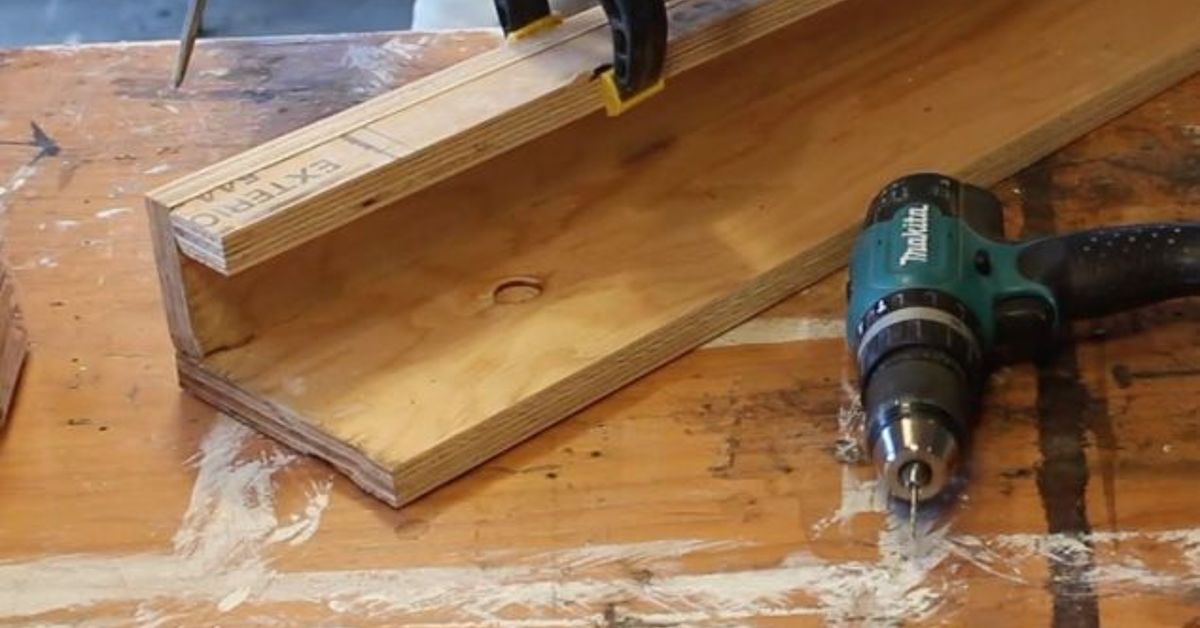
- Assemble the rectangle. Screw the boards together at the corners. Use brackets or inside stakes for extra strength.
- Add pest protection. If voles, moles, or burrowing critters are common, staple hardware cloth across the bottom before placing the box.
- Suppress weeds. Lay plain cardboard or several sheets of newspaper over grass or weeds. Avoid glossy printed materials.
- Fill with soil mix. Add your growing medium, water it lightly, and let it settle before planting.
Do not line the bottom with plastic unless you are building a true container with planned drainage holes. Plastic can trap water and create soggy soil, and soggy soil is where roots go to reconsider their life choices.
Soil: The Secret Ingredient That Is Not Actually Secret
A planter box is only as good as what you fill it with. For open-bottom raised beds, a strong basic mix is high-quality topsoil blended with finished compost. A common approach is roughly two-thirds topsoil and one-third compost, or a similar balance that creates a loose, fertile, well-draining medium.
For container-style planter boxes with bottoms, avoid filling the entire box with dense garden soil. True soil can become heavy, compacted, and poorly aerated in containers. A high-quality potting mix or raised-bed mix is usually better because it holds moisture while allowing oxygen to reach roots.
Good growing media should do three jobs: hold water, drain excess water, and provide air space. This is the holy trinity of happy roots. If the soil is too sandy, it dries quickly. If it is too clay-heavy, it may stay wet and compacted. Compost improves both extremes by adding organic matter and supporting soil life.
Should You Put Rocks in the Bottom?
Many gardeners have heard that gravel or broken pot pieces improve drainage. In most containers, this is not helpful and can actually create a perched water zone, leaving the root area wetter than expected. Drainage holes, appropriate soil mix, and consistent watering habits matter more than a decorative rock layer nobody will ever see.
Drainage Matters More Than You Think
Vegetables and flowers need water, but they also need oxygen around their roots. A planter box should allow extra water to escape. Open-bottom beds drain into the ground below. Boxes with solid bottoms need drainage holes. If your planter sits on a patio or deck, elevate it slightly with feet or blocks so water can flow out freely.
If your yard has heavy clay, loosen the native soil before placing an open-bottom box. This gives roots extra depth and helps water move downward instead of pooling inside the bed. In very wet sites, choose a taller box or move to a better-drained location.
What to Grow in a Simple Planter Box
Easy Vegetables for Beginners
Start with crops that grow quickly and do not demand a gardening PhD. Leaf lettuce, radishes, bush beans, Swiss chard, spinach, kale, scallions, and herbs are excellent choices. Peppers and cherry tomatoes also do well when given enough sun, water, and root space.
For compact spaces, look for seed packets or plant labels that say “bush,” “patio,” “dwarf,” or “container-friendly.” These varieties are bred to behave themselves in smaller spaces, unlike full-size squash vines that may attempt to annex the walkway.
Flowers That Thrive in Planter Boxes
Annual flowers are wonderful for planter boxes because they bloom generously and refresh the space quickly. Marigolds, zinnias, nasturtiums, petunias, calibrachoa, snapdragons, alyssum, and cosmos are popular options. Many also attract pollinators, which helps nearby vegetable plants.
Mixing flowers and vegetables is not only allowed; it is encouraged. Marigolds beside tomatoes, nasturtiums near cucumbers, alyssum around peppers, and herbs such as basil or dill tucked between vegetables can create a lively, useful planting scheme.
Smart Planting Tips
Plant in Blocks, Not Just Rows
Rows are neat, but small planter boxes often perform better when planted in blocks or clusters. Block planting uses space efficiently and can increase harvests per square foot. Leave enough room for airflow and mature plant size, but do not waste half the box on empty lanes unless you enjoy growing soil.
Use Vertical Space
Install a trellis for cucumbers, peas, pole beans, or compact vining flowers. Vertical growing saves space, improves air circulation, and makes harvesting easier. It also gives the garden a pleasantly ambitious look, like your beans are climbing the corporate ladder.
Practice Succession Planting
Succession planting means sowing small amounts every couple of weeks instead of planting everything at once. This works well for lettuce, radishes, spinach, cilantro, and bush beans. Instead of one giant harvest followed by silence, you get a steady supply over time.
Watering Your Planter Box
Water deeply and consistently. Shallow sprinkling encourages shallow roots, while deep watering helps plants become more resilient. Check moisture by pushing a finger one to two inches into the soil. If it feels dry at that depth, water. If it feels damp, wait.
Morning watering is ideal because leaves dry more quickly, reducing disease risk. Drip irrigation or soaker hoses are excellent for planter boxes because they deliver water directly to the soil instead of turning leaves into a spa day for fungus.
Feeding and Maintaining the Box
Compost is your best long-term friend. Add an inch or two of finished compost before each growing season, and refresh soil levels as the mix settles. Vegetables are hungry, especially tomatoes, peppers, cucumbers, and leafy greens. Use a balanced organic fertilizer if soil tests or plant growth suggest nutrients are low.
Mulch helps conserve moisture, reduce weeds, and keep soil temperatures more stable. Straw, shredded leaves, untreated grass clippings, pine needles, or fine bark can all work, depending on what you are growing. Keep mulch slightly away from plant stems to prevent rot.
Common Mistakes to Avoid
Building Too Wide
If you cannot reach the center comfortably, the box is too wide. Stepping into the bed compacts soil, and compacted soil makes roots work harder.
Using Poor Soil
Cheap fill dirt may save money at first, but weak soil leads to weak plants. Invest in good compost and a quality growing mix. Soil is not the place to become impressively stingy.
Forgetting Drainage
A beautiful planter box without drainage is just a bathtub with ambitions. Make sure excess water can leave.
Overcrowding Plants
Tiny seedlings are adorable, but they grow. Give them space based on mature size. Crowded plants compete for light, water, and nutrients, and they are more vulnerable to disease.
Simple Planter Box Design Ideas
A planter box can be practical and attractive. Paint or stain the outside with a plant-safe exterior finish, add a narrow cap rail for a finished look, or place several smaller boxes in a pattern to create garden zones. For patios, add casters to a smaller box so it can move with the sun. For balconies, choose lightweight materials and confirm weight limits before filling anything large with wet soil.
If you love flowers, design around color. Use purple petunias with yellow marigolds, white alyssum with red salvia, or orange nasturtiums trailing over the side. For vegetables, combine beauty and function: rainbow chard, purple basil, compact tomatoes, and edible flowers can look as good as they taste.
Seasonal Care for Long-Term Success
In spring, loosen the top few inches of soil gently, add compost, and check the frame for loose screws or warped boards. In summer, monitor watering closely and harvest often. In fall, remove diseased plant debris, top-dress with compost, and consider planting cover crops or cool-season greens. In winter, leave soil covered with mulch or organic matter to protect structure and reduce erosion.
A planter box is not a one-and-done object. It is more like a sourdough starter with leaves: feed it, protect it, and it keeps giving back.
Real-Life Experience: What a Simple Planter Box Teaches You
The first thing a planter box teaches you is humility. You may begin with a tidy plan involving tomatoes, basil, lettuce, and maybe a few cheerful flowers. Two months later, the basil is doing a jungle impression, the tomatoes need a taller cage, and the lettuce has decided warm weather is personally offensive. This is normal. Gardening is not failure-free; it is feedback with dirt under its fingernails.
One of the best experiences with a simple planter box is learning how quickly small improvements matter. A box placed six feet closer to the hose gets watered more often. A trellis added early prevents cucumber chaos. A layer of mulch can reduce the number of dramatic afternoon wilts. These are not glamorous upgrades, but they are the kind that make plants quietly thrive.
Another lesson is that soil settles more than beginners expect. You may fill the box perfectly in April, only to find the level has dropped by June. This happens as organic matter breaks down and the mix compacts slightly. Keeping a bag of compost nearby makes it easy to top off the bed around plants. Think of it as fluffing the pillow for your roots.
Planter boxes also help you observe plant behavior. In the ground, it is easy to miss small changes. In a box, everything is closer. You notice when leaves turn pale, when peppers flower, when marigolds attract bees, and when one tomato plant is clearly more dramatic than the others. That close observation makes you a better gardener because you respond before problems become full-blown garden soap operas.
A mixed planter box of vegetables and flowers is especially rewarding. Flowers soften the look of the box, attract pollinators, and make the garden feel intentional even when the vegetables are between harvests. Nasturtiums spilling over the edge can make a basic wooden frame look charming. Marigolds fill gaps with color. Alyssum creates a low carpet that bees love. Meanwhile, the vegetables do the practical work of becoming dinner.
For beginners, the smartest experience-based advice is to start smaller than your ambition. A 4-by-6-foot box cared for well will teach more than three giant beds you cannot maintain. Plant what you actually eat or enjoy looking at. If you never cook eggplant, do not grow six eggplants just because the seedlings looked cute. Seedlings are tiny salespeople. Be strong.
Keep notes, even simple ones. Write down what you planted, when you planted it, what worked, and what you would change. Next season, those notes become gold. You will remember that the cherry tomato was excellent, the giant zucchini needed its own zip code, and the cilantro bolted faster than a cat hearing the vacuum.
The most satisfying part is the daily connection. A planter box gives you a reason to step outside, check the soil, pinch basil, admire a new bud, or harvest lettuce for lunch. It makes food and flowers feel less like store products and more like small miracles you helped manage. And when the first tomato ripens or the first zinnia opens, you will understand why gardeners talk to plants. You may even answer back. No judgment.
Conclusion
A simple planter box for your vegetables or flowers is one of the easiest ways to start gardening with confidence. It helps you manage soil quality, drainage, spacing, sunlight, and maintenance in a small, organized space. Whether you build a wooden raised bed in the backyard or a compact container box for the patio, the same principles apply: choose a sunny location, use safe materials, create good drainage, fill with quality soil, plant thoughtfully, water consistently, and keep learning from the garden.
The beauty of a planter box is that it does not demand perfection. It rewards attention. Start with a manageable size, grow plants you love, mix flowers with food crops, and improve the setup each season. Before long, that simple box may become your favorite part of the yardand possibly the reason your neighbors start casually asking how many tomatoes is “too many.”













