
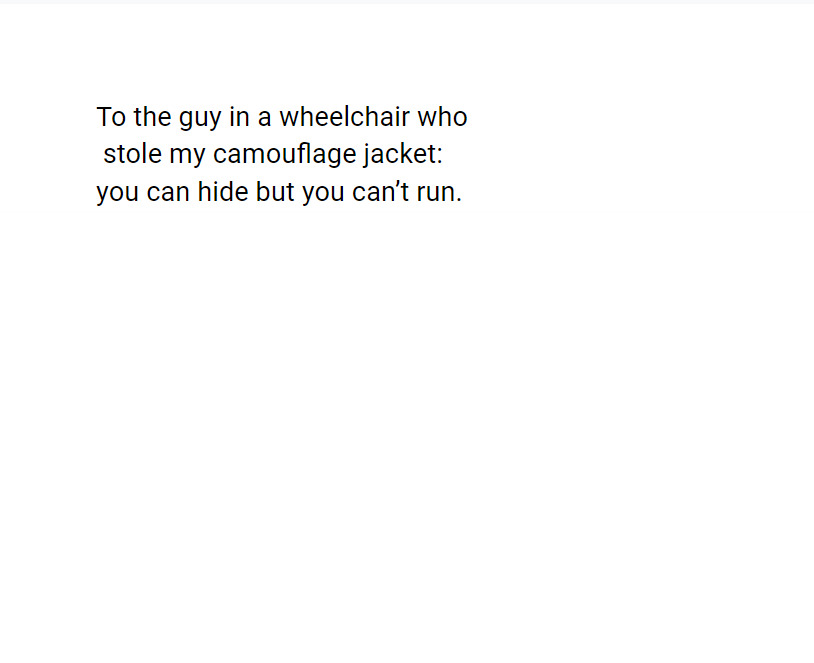
Every so often, someone asks a question that sounds simple, funny, and a little dangerous: What are the best cruel jokes you have found? Or, as the wonderfully chaotic title says, “What are the bust cruel jokes that you have found?” Maybe “bust” is a typo. Maybe it is a warning label. Either way, it leads us into a strange corner of comedy where laughter wears steel-toed boots.
Cruel jokes are not the same as dark humor, sharp satire, or harmless teasing. A dark joke can point at life’s absurdity. Satire can punch up at hypocrisy. Friendly teasing can bond people who trust each other. But a cruel joke usually has a target, a bruise, and a getaway car. It laughs at someone instead of with them. It turns another person’s insecurity, mistake, appearance, grief, failure, identity, or private pain into entertainment.
That does not mean every joke must wear a cardigan and carry chamomile tea. Humor can be edgy. It can be rude, wild, rebellious, and gloriously inappropriate when the context is right. The problem begins when the joke depends on humiliation. A punchline that leaves one person laughing and another person shrinking is not comedy at its best. It is social target practice with a laugh track.
This article explores the funniest, sharpest, and most memorable kinds of cruel jokes people encounternot by repeating harmful punchlines, but by analyzing why they land, why they hurt, and how to make humor clever without turning into the villain in someone else’s lunch break story.
What Counts as a Cruel Joke?
A cruel joke is humor designed, or at least carelessly allowed, to embarrass, belittle, exclude, or wound someone. It can happen at school, at work, in families, in friend groups, online, or in public comment sections where people suddenly write like goblins with Wi-Fi.
The key ingredient is not merely “offense.” People can be offended by many things, including pineapple on pizza and the existence of group projects. The key ingredient is harm plus imbalance. A cruel joke often targets someone with less power, less confidence, less social protection, or less ability to respond safely.
Cruel jokes often include:
- Mocking someone’s body, voice, age, accent, clothes, intelligence, income, or social awkwardness
- Turning a private mistake into a public punchline
- Using “just kidding” as a shield after saying something mean
- Repeating a joke after the target has clearly stopped laughing
- Making someone the group mascot for failure, clumsiness, or embarrassment
- Posting “funny” comments online that are actually insults wearing party hats
The simplest test is this: Would the target feel safe laughing, disagreeing, or walking away? If the answer is no, the joke may not be a joke anymore. It may be pressure with punctuation.
Why Cruel Jokes Can Seem Funny at First
Cruel jokes often get laughs because they create surprise, tension, and social electricity. A room goes quiet, someone says the outrageous thing, and the laughter pops like a champagne cork. For a second, everyone feels released from politeness. That release can feel thrilling.
Psychologists often describe humor in styles. Affiliative humor builds connection. Self-enhancing humor helps people cope. Self-defeating humor makes the speaker the butt of the joke. Aggressive humor uses ridicule, sarcasm, teasing, or put-downs. Cruel jokes usually live in the aggressive humor neighborhood, where the rent is cheap but the neighbors are emotionally exhausted.
The danger is that laughter can be social camouflage. People laugh when something is funny, but they also laugh when they are nervous, pressured, surprised, or trying not to become the next target. In other words, a cruel joke may sound successful because people laughed, even when half the room is mentally drafting an escape plan.
The “Just Kidding” Trap
“I was just kidding” is one of the most overworked sentences in human history. It has been used after bad roasts, awkward flirting, workplace insults, family dinner grenades, and comments sections that should have been sealed in concrete.
The phrase can be harmless when someone genuinely misfires and apologizes. But it becomes a trap when it means, “I want the freedom to hurt you without accepting the responsibility of having hurt you.” That is not comedy. That is emotional tax evasion.
A healthy joke allows feedback. If someone says, “That hurt,” the best response is not, “You are too sensitive.” A better response is, “I did not mean it that way, but I hear you.” Comedy improves when it listens. Cruelty gets louder when it is challenged.
Examples of Cruel Joke Categories People Commonly Find
Instead of publishing a list of vicious punchlines, which would only add more trash to the internet’s already overflowing raccoon buffet, let’s examine the common types of cruel jokes people report seeing.
1. The Public Embarrassment Joke
This joke takes someone’s mistake and turns it into a performance. Maybe a coworker mispronounces a word in a meeting, and someone repeats it all week. Maybe a student trips, and the group gives them a nickname. Maybe a friend shares something vulnerable, and another person uses it later for laughs.
The first laugh may be spontaneous. The second laugh may be questionable. By the tenth laugh, congratulations, everyone has built a tiny bullying franchise.
2. The Body-Shaming Joke
Body jokes are among the laziest cruel jokes because they require almost no imagination. Height, weight, hair, skin, teeth, age, posture, disability, and clothing become targets. The joke pretends to be humor, but the engine underneath is usually insecurity, dominance, or social ranking.
A clever joke can make people laugh without turning someone’s body into a community bulletin board. If the joke requires another person to hate the mirror tomorrow morning, it probably belongs in the compost bin of comedy.
3. The “Everyone Knows You Are Bad at This” Joke
This one turns a person’s weakness into their official brand. The bad driver. The slow reader. The awkward dater. The messy roommate. The person who “always ruins things.” Sometimes the label begins as teasing, but it can become a cage.
The cruel part is repetition. One joke may be forgettable. A recurring joke can become identity glue, sticking to someone long after they have changed.
4. The Workplace Roast That Forgot It Was at Work
Workplace humor can be wonderful. A good joke in a meeting can reduce stress, humanize leadership, and make the office feel less like a printer with fluorescent lighting. But workplace jokes also involve power dynamics. A joke from a boss lands differently than the same joke from a peer. Employees may laugh because they want to seem agreeable, not because the punchline deserves a standing ovation.
The cruel workplace joke often targets performance, personality, appearance, age, family status, or social awkwardness. It may be disguised as “team culture,” but if people feel they must laugh to stay safe, the culture is not funny. It is holding a whoopee cushion over a trapdoor.
5. The Online Pile-On Joke
Online cruelty spreads fast because the internet removes facial expressions, tone, and accountability. A person posts something awkward, wrong, emotional, or poorly phrased. Then strangers compete to be the funniest executioner. The first comment is a joke. The next thousand comments become a swarm.
The pile-on joke feels low-risk to the person typing it. To the target, it can feel like being trapped in a stadium where everyone has been handed a tomato and a username.
6. The Family “Classic” That Should Have Retired in 2009
Families often preserve cruel jokes like heirlooms. Someone was chubby as a child, cried at a wedding, failed a driving test, got dumped, burned a casserole, or said something silly at age eight. Twenty years later, Aunt Linda is still bringing it up between the mashed potatoes and the emotional damage.
Family jokes can be affectionate, but they can also freeze people in old versions of themselves. A good family joke says, “We remember you.” A cruel family joke says, “We will never let you leave this embarrassing moment.”
Why People Tell Cruel Jokes
Most people who tell cruel jokes are not cartoon villains twirling mustaches in a basement. Some are insecure. Some grew up in environments where teasing was the default love language. Some use humor to avoid vulnerability. Some are trying to impress a group. Some genuinely do not understand the impact of their words.
Still, intent does not erase impact. If you step on someone’s foot accidentally, the foot does not become un-stepped because your heart was pure. The same principle applies to jokes.
Cruel jokes can serve hidden purposes:
- Status: Making someone else smaller can make the joker feel larger.
- Control: A joke can test how much disrespect a person will tolerate.
- Group bonding: People sometimes unite by choosing a shared target.
- Avoidance: Humor can dodge serious feelings or uncomfortable conversations.
- Revenge: A “joke” can deliver anger while pretending not to.
That is why cruel jokes are tricky. They can look playful on the surface while doing serious social work underneath.
The Difference Between a Roast and a Cruel Joke
Roasting is not automatically cruel. A good roast is a consensual sport. The target knows the game, trusts the players, and can fire back. The best roasts exaggerate familiar quirks while keeping affection visible. They say, “We love you enough to make fun of your obsession with spreadsheets.” They do not say, “We found your deepest insecurity and brought a microphone.”
A cruel joke lacks consent, balance, or care. It punches down. It exposes private pain. It keeps going after discomfort appears. It leaves the target isolated while everyone else enjoys the show.
A joke is more likely to be fair when:
- The target has agreed to the tone
- The topic is not a private wound
- The joke goes both ways
- The relationship has trust
- The joker stops when asked
- The joke does not rely on stereotypes, harassment, or humiliation
How to Be Funny Without Being Cruel
The good news is that cruelty is not required for comedy. In fact, it is often a shortcut used when the writer, speaker, or office clown is too tired to find a better angle. Great humor can come from exaggeration, irony, absurdity, timing, contrast, self-awareness, wordplay, shared frustration, and the magnificent stupidity of everyday life.
Use the “Punch Direction” Rule
Comedy often works best when it punches up at power, punches inward at the speaker’s own flaws, or punches sideways at shared human nonsense. It becomes risky when it punches down at someone with less power or less protection.
Make the Situation the Target
Instead of mocking the person who forgot their password, mock the password system that requires twelve characters, one hieroglyph, a moon phase, and the blood oath of a raccoon. Situational humor invites everyone into the joke.
Use Self-Deprecation Carefully
Self-deprecating humor can be charming, but it should not become self-bullying with applause. Saying, “I have the organizational skills of a sock drawer during an earthquake” is funny. Constantly calling yourself worthless is not a joke; it is a distress signal wearing a fake mustache.
Retire Jokes That Depend on Someone Else’s Pain
If the joke only works because someone is embarrassed, excluded, or powerless, rewrite it. A better punchline is usually hiding nearby, wearing better shoes.
What to Do When You Hear a Cruel Joke
Not every situation requires a dramatic speech under a spotlight. Sometimes the best response is simple. You can say, “That was rough.” Or, “I do not think they liked that.” Or, “Let’s not make them the joke.” Calm pushback works because it interrupts the social momentum without turning the room into a courtroom drama.
If you are the target, you are allowed to set a boundary. Try: “I know you may not mean harm, but I do not like jokes about that.” If the person respects it, great. If they mock the boundary, that tells you the issue was never comedy. It was permission.
If the joke happens at work, school, or online and becomes repeated, targeted, or threatening, document it and seek support. Patterns matter. One rude joke may be a bad moment. Repeated ridicule can become bullying or harassment.
My Experience With Cruel Jokes: What They Teach Us
The most memorable cruel jokes are rarely the most clever ones. They are memorable because of the silence that follows them. I have seen rooms where a joke lands like a dropped plate: loud at first, then awkward, then everyone bends down pretending not to notice the sharp pieces.
One common experience is the “nickname that never dies.” Someone makes one mistake, and the group turns it into a label. The person laughs the first time because everyone is laughing. They laugh the second time because they do not want to seem dramatic. By the fifth time, the joke has become a costume they are forced to wear. What started as comedy becomes a small daily reminder that the group sees them through one embarrassing moment.
Another experience is the workplace joke that travels upward badly and downward worse. When a team member jokes about their own messy desk, it may be harmless. When a manager repeatedly jokes that the same employee is “the disaster zone,” it can feel like an unofficial performance review. The words may be light, but the power behind them is heavy. That is why workplace humor needs extra care. A joke from someone with authority does not float through the air the same way. It lands with a clipboard attached.
Online, cruel jokes can feel even more intense because strangers remove the brakes. People who would never insult someone face-to-face suddenly become professional hecklers. They turn a typo, outfit, opinion, photo, or awkward video into an all-you-can-eat buffet of sarcasm. The target becomes less like a person and more like content. That is the internet’s ugliest magic trick: it turns human embarrassment into a public resource.
I have also noticed that the cruelest jokes often come from people who are afraid of being vulnerable themselves. Humor becomes armor. If they mock first, nobody can see what hurts them. If they keep the group laughing, nobody asks what they actually feel. That does not excuse the cruelty, but it explains why some people cling to it. They confuse sharpness with strength.
The better experience is when someone chooses a smarter joke. Instead of humiliating a person, they roast the situation. Instead of targeting a weakness, they exaggerate a universal struggle. Everyone laughs because everyone recognizes themselves. No one has to pay for the laugh with dignity.
That is the real lesson. The “best” cruel jokes are not the ones worth repeating. They are the ones worth studying, because they show exactly where humor crosses the line. They remind us that laughter has power. It can include or exclude, heal or sting, connect or dominate. A joke may last five seconds, but the feeling it creates can follow someone for years.
Conclusion: Cruel Jokes Are Easy, Better Humor Is Smarter
Cruel jokes will always exist because they are easy. They grab attention quickly, especially in groups that reward shock over wit. But easy does not mean excellent. The funniest people do not need to humiliate someone to get a laugh. They can find comedy in timing, absurdity, honesty, irony, and the shared weirdness of being human.
So, what are the “bust cruel jokes” that people have found? They are the jokes that bust trust, bust confidence, bust the mood, and sometimes bust relationships. They may get a laugh in the moment, but they often leave a bruise behind. The smarter move is not to make humor softer. It is to make it sharper in the right direction.
Good comedy does not have to be toothless. It just needs a conscience. After all, anyone can swing a hammer. The real artist knows where not to hit.













