
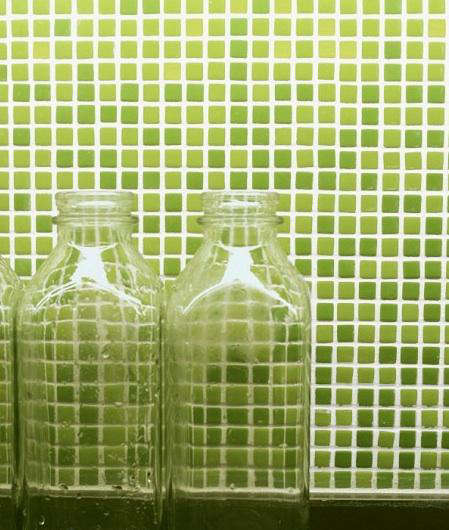
Note: This article is written as original, publish-ready editorial content in standard American English. It is based on real tabletop styling principles, current entertaining trends, practical food-safety habits, and the growing appeal of reusable glassware.
Some tabletop ideas arrive wearing tuxedos. Others show up in rolled sleeves, carrying lemonade, and somehow steal the party. Milk bottles as carafes belong firmly in the second group. They are humble, inexpensive, easy to style, and charming in that “I did not try too hard, but yes, the table looks fantastic” kind of way.
The beauty of using glass milk bottles as carafes is that they sit at the intersection of nostalgia, sustainability, and everyday practicality. They can hold water, iced tea, cold brew, juice, infused lemonade, mocktails, or a splashy brunch mimosa mix. They can dress up a farmhouse table, soften a modern dining room, or make a picnic look as if it has its own tiny lifestyle magazine subscription.
Unlike formal crystal decanters that whisper, “Please do not touch me unless you have inherited silver,” milk bottle carafes invite people to pour, share, refill, and relax. They make a table feel generous. They say, “There is more in the fridge, and nobody needs to ration the cucumber water.” That alone may qualify as hospitality.
Why Milk Bottles Make Surprisingly Great Carafes
A milk bottle has the right bones for casual serving. It is usually narrow enough to fit on a crowded dining table, sturdy enough to survive regular use, and clear enough to show off whatever is inside. Add sliced lemons, mint sprigs, berries, cucumber ribbons, or a cloudy homemade almond milk, and suddenly the bottle becomes part beverage service, part centerpiece.
Glass milk bottles also create visual rhythm. A single pitcher can look bulky in the middle of the table, but several smaller bottles can be spaced naturally among plates, candles, flowers, and serving dishes. Guests do not need to pass one heavy jug from one end of the table to the other like it is a ceremonial boulder. Everyone gets easy access, and the table looks more balanced.
There is also something emotionally familiar about the shape. Even if you did not grow up with milk delivery, the silhouette feels old-fashioned in a pleasant way. It hints at breakfast porches, neighborhood dairies, and kitchens where someone always had cookies available. In design terms, that familiar shape adds warmth without requiring a single rooster-themed wall plaque.
The Tabletop Appeal: Casual, Clean, and Photogenic
Milk bottle carafes work because they do not compete with the food. Their transparency keeps the table light, while their vertical shape adds height without blocking conversation. That is a major advantage over tall floral arrangements, which can turn dinner into a game of “Guess Who Is Talking Behind the Hydrangeas.”
For a modern table, use identical clear glass bottles filled with still water. Pair them with white plates, linen napkins, and simple flatware. The look is calm, clean, and quietly confident. For a rustic table, mix bottles with wood boards, stoneware dishes, checked napkins, and tiny jars of wildflowers. For a garden party, fill each bottle with a different infused drink: strawberry basil water, lemon mint tea, orange rosemary spritz, and cucumber lime cooler.
The effect is especially strong at brunch. Orange juice in one milk bottle, cold brew in another, and chilled water in a third instantly create a self-serve beverage station. Add handwritten tags tied with twine, and suddenly your kitchen counter looks like it has been expecting guests since sunrise. Bonus: people can refill without asking where you keep “the big pitcher,” which is usually behind three mixing bowls and a bag of frozen peas.
Milk Bottle Carafes vs. Traditional Pitchers
Traditional pitchers are wonderful, but they are not always the best solution. A large pitcher can be heavy when full, awkward to pass, and difficult to fit into a refrigerator door. A set of glass milk bottles solves many of those problems. They chill quickly, store neatly, and let you serve multiple drinks at once.
Milk bottles also help with portion control for gatherings. Instead of placing one giant container of lemonade on the table, you can divide the drink into two or three bottles. One can stay on the table while the others remain cold in the fridge. When the first bottle empties, swap in a fresh one. This makes you look extremely organized, even if five minutes earlier you were frantically hiding mail in a drawer.
Another advantage is flexibility. A milk bottle can serve water at dinner, juice at breakfast, simple syrup at a coffee bar, or flowers at a picnic. It can move from fridge to table to shelf without needing a new identity. Traditional pitchers often look like serving pieces; milk bottles look like useful objects that happen to be pretty.
Best Drinks to Serve in Milk Bottle Carafes
Water is the obvious choice, but it does not have to be boring. Add lemon wheels, lime slices, mint, basil, cucumber, orange peel, or a few berries. Keep the ingredients large enough that they do not clog the mouth of the bottle. A clear bottle turns these additions into decoration, which is the kind of multitasking every host deserves.
Iced tea is another excellent option. Black tea with peach slices looks golden and summery. Green tea with mint feels spa-like without forcing anyone to whisper. Hibiscus tea looks dramatic and jewel-toned, especially in a row of clear glass bottles. For brunch, milk bottles are ideal for orange juice, grapefruit juice, pineapple juice, or a nonalcoholic sparkling citrus mix.
Cold brew coffee also looks handsome in a milk bottle, especially next to a smaller bottle of cream or oat milk. For dessert, use a bottle for chocolate milk, vanilla milk, or a coffee creamer blend. The presentation is playful but not childish. It is the tabletop equivalent of wearing sneakers with a blazer: comfortable, stylish, and not trying to win an etiquette contest.
How to Style Milk Bottles on the Table
Use a Cluster, Not a Crowd
Three bottles usually look better than seven. A small cluster creates intention; too many bottles can make the table resemble a dairy inventory meeting. Place bottles in odd numbers when using them as decorative elements, or place one bottle near each table zone when using them for practical serving.
Add Simple Labels
Labels are helpful when you are serving multiple drinks. Use kraft paper tags, small adhesive labels, or washable glass markers. Keep the wording short: “Mint Water,” “Peach Tea,” “Cold Brew,” or “Lemonade.” Long labels make guests read before drinking, and nobody came to brunch for homework.
Pair with Low Centerpieces
Milk bottle carafes look best with low flowers, small candles, herbs in pots, fruit bowls, or folded linens. If using flowers, repeat the bottle shape with one or two bottles used as bud vases. This creates a coordinated look without buying a matching set of anything. Matching too much can feel stiff; repeating shapes feels thoughtful.
Let the Drink Provide the Color
One of the easiest styling tricks is to keep the table neutral and let the beverages add color. Pink lemonade, amber tea, green cucumber water, and deep red hibiscus all look beautiful through glass. It is decorating by hydration, which frankly should be a recognized school of design.
Choosing the Right Milk Bottles
Look for bottles made from food-safe glass with smooth interiors and secure caps. New bottles are easiest for food and beverage service because they are designed for kitchen use. Vintage milk bottles can be beautiful, but they are better used decoratively unless you are certain they are food-safe, undamaged, and thoroughly clean.
For serving, 16-ounce and 32-ounce sizes are especially useful. Smaller bottles work well for individual servings, coffee creamers, or juice flights. Larger bottles are better for water, iced tea, and batch drinks. A narrow mouth looks elegant but may require a bottle brush, while a wider mouth is easier to clean and fill with fruit or ice.
Clear glass is the most versatile choice. Embossed glass adds vintage character. Colored glass can be striking, but it may hide the drink, which matters if your infused water is doing half the decorative labor. If the bottle has a cap, choose one that is easy to remove and clean. Complicated lids have a sneaky talent for trapping residue in places no sponge has ever returned from.
Cleaning and Food-Safety Basics
Because milk bottle carafes are used for drinks, cleaning matters. Wash bottles before their first use and after every serving. Hot, soapy water and a bottle brush are usually the simplest method. Scrub the inside bottom, the rim, and the cap. Rinse thoroughly, then let the bottle air-dry completely before storing it.
Do not leave sugary drinks sitting at room temperature for long periods. Lemonade, juice, sweet tea, and dairy-based drinks should be refrigerated when not being served. If a drink contains milk, cream, or plant-based milk, keep it cold and clean the bottle promptly afterward. A charming bottle loses points quickly if it smells like yesterday’s vanilla creamer went on a small but determined vacation.
Inspect bottles regularly. Avoid using any bottle with chips, cracks, rough rims, or cloudy residue that will not wash away. If you are repurposing bottles that originally held commercial beverages, remove labels fully and make sure no adhesive remains near the mouth or interior. For vintage bottles, consider using them as vases or shelf decor rather than drink service unless you know their condition and safety.
Sustainability: Reuse Before You Buy More
One reason milk bottles have returned to stylish tabletops is that they fit naturally into a reuse mindset. Glass is durable, attractive, and widely associated with long-term use. A good bottle can serve drinks, store homemade nut milk, hold salad dressing, become a vase, or organize pantry ingredients. That versatility reduces the need for single-purpose table accessories.
Still, sustainability is not only about buying glass. It is about using what you already own. If you have clean glass beverage bottles with good shapes, they may work beautifully as casual carafes. A mix of shapes can look collected and personal. The trick is to create a common thread: similar labels, matching caps, repeated flowers, or one consistent drink color.
When a bottle eventually reaches the end of its useful life, recycle it according to your local rules. Glass recycling varies by city, and not every community handles glass the same way. Clean, sorted glass is more useful in recycling systems than dirty or mixed material. The best-looking table is nice; the table that does not create unnecessary waste is even better.
Creative Tabletop Ideas with Milk Bottle Carafes
The Sunday Brunch Lineup
Set three bottles on a tray: orange juice, cold brew, and chilled water with lemon. Add small glasses, cloth napkins, and a bowl of berries. This setup makes pancakes feel like an event and cereal feel slightly less like defeat.
The Backyard Dinner Table
Fill two large milk bottles with iced tea and water. Add sprigs of mint and lemon slices. Place them between low jars of flowers and simple votive candles. The bottles keep the table relaxed and practical, especially outdoors where passing a heavy pitcher over grilled corn can become a minor athletic event.
The Minimalist Supper
Use one clear bottle of still water for every four guests. Pair with white plates, stainless flatware, and linen napkins. No labels, no ribbons, no fuss. The result is clean, modern, and quietly elegant.
The Dessert Bar
Serve chocolate milk, strawberry milk, coffee creamer, or vanilla sauce in smaller milk bottles. Arrange them near brownies, cookies, pound cake, or ice cream. Guests can pour their own toppings, and you can accept compliments while pretending this was not ridiculously easy.
Common Mistakes to Avoid
The first mistake is overdecorating the bottle. A milk bottle already has a strong shape, so it does not need lace, glitter, three tags, a charm, and a tiny chalkboard sign. Choose one decorative detail and stop before the bottle looks like it joined a craft fair against its will.
The second mistake is ignoring scale. A tiny bottle in the center of a large dining table can look lost, while a huge bottle on a small bistro table can feel crowded. Match the bottle size to the table and the number of guests. For most meals, several medium bottles work better than one giant container.
The third mistake is using bottles that are difficult to clean. A pretty bottle with a narrow neck may look lovely, but if you cannot scrub it properly, it is not ideal for juice, dairy, or sweet drinks. Save hard-to-clean bottles for flowers and use practical bottles for beverages.
Experience Notes: Living with Milk Bottles as Carafes
After using milk bottles as carafes in real tabletop settings, the biggest lesson is that guests respond to them immediately. People may not comment on a standard pitcher, but they often notice a row of glass bottles filled with colorful drinks. The reaction is usually some version of, “Oh, that’s cute,” followed by pouring themselves more lemonade. That is the sweet spot: attractive enough to notice, useful enough to touch.
For everyday dinners, the best routine is to keep two clean bottles in the refrigerator door. One holds filtered water, and the other is ready for whatever drink fits the meal. Taco night gets lime water. Pasta night gets chilled sparkling water with lemon. Weekend breakfast gets orange juice. The bottles make ordinary meals feel a little more prepared, even when dinner is just leftovers wearing fresh parsley as a disguise.
For parties, milk bottle carafes are most useful when arranged as stations. A drink station near the kitchen keeps traffic away from the dining table. A bottle of water on the table prevents guests from standing up every seven minutes. A coffee station with small bottles of milk, half-and-half, and flavored syrup feels polished without requiring barista certification. The bottles also help guests serve themselves, which gives the host more time to do important things, such as rescue the rolls before they become decorative stones.
One practical experience: always test the pour before guests arrive. Some bottles pour beautifully; others dribble like they are keeping a secret. If a bottle has a messy pour, use it for flowers or keep a cloth napkin beneath it. A tiny saucer or tray under each bottle also protects table linens from condensation. This is especially helpful for iced drinks in summer, when bottles sweat more dramatically than someone assembling patio furniture.
Another lesson is that labels are only necessary when drinks look similar. Water with lemon and water with cucumber do not need formal labeling unless your guests are extremely suspicious of produce. But iced tea, cold brew, and apple cider can look alike in dim lighting, so a small label prevents accidental caffeine surprises. For kids’ parties or family brunches, labels also make the setup feel fun and organized.
Storage is simple, but not effortless. Bottles should be fully dry before going into a cabinet, or they can develop stale odors. I like storing them uncapped, with caps nearby in a small container. This allows airflow and avoids the mysterious “closed bottle smell” that appears when moisture gets trapped. If a bottle ever smells odd, a warm soak, baking soda, and a bottle brush usually fix it.
The best part of using milk bottles as carafes is how easily they shift moods. With linen and white dishes, they look clean and modern. With gingham and wildflowers, they look country. With citrus slices and a tray of glasses, they look brunch-ready. With a single stem in each bottle, they become centerpieces. Few tabletop pieces work that hard while asking so little. Milk bottles may not be glamorous, but they are charming, dependable, and surprisingly stylish. In the world of hosting, that is basically the dream guest.
Conclusion
Milk bottles as carafes prove that tabletop style does not have to be expensive, formal, or complicated. A simple glass bottle can serve water, tea, juice, coffee, cream, or flowers while adding warmth and character to the table. It is practical enough for Tuesday dinner and pretty enough for Sunday brunch. It can lean farmhouse, modern, vintage, coastal, or picnic casual depending on what surrounds it.
The key is to choose clean, food-safe bottles, style them with restraint, and use them often. Let the drink provide color. Let the glass provide sparkle. Let the bottle shape provide nostalgia. And let your guests pour freely, because nothing says “good host” quite like cold water within arm’s reach and a table that looks effortlessly pulled together.














